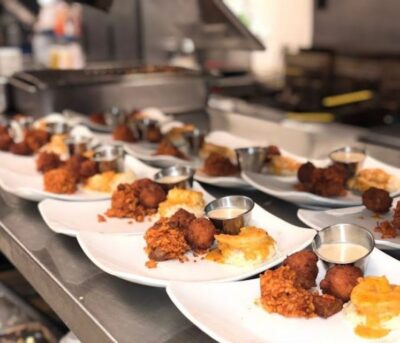
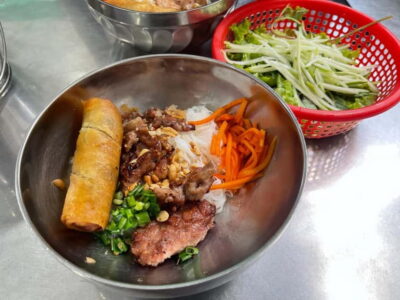
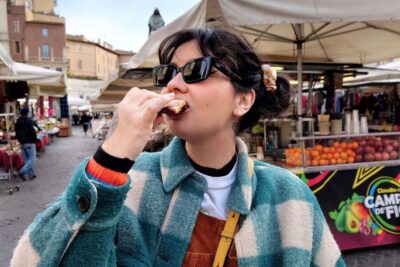
Food in Quito tastes better with locals. This 3-hour walk centers on Huecas—small, often family-run spots where you eat what the neighborhood actually eats—and it’s guided by Edwin, who connects each bite to city life and old-town context. I love that the tour pushes you to eat in regular places, not tourist traps, and that Edwin explains Quito in a way that makes the whole afternoon feel organized and easy to follow.
One possible drawback: the price is for the experience and guidance, not a full dinner, so you’ll still need to budget for what you choose to eat and drink during the tour.
In This Review
- Key Things to Know Before You Go
- Huecas: the real Quito table, not a performance
- A 3-hour old-town walk built around eating
- Edwin’s guide style: food, culture, and practical context
- How tastings work (and why dinner isn’t included)
- Stop by stop: what your afternoon feels like
- Value check: what you’re really paying $37.60 for
- Who should book this Quito food walk
- Practical tips to get the most from the tour
- Should you book this Quito Huecas tour?
- FAQ
- Where is the meeting point for the tour?
- How long is the Quito food tour?
- What is included in the price?
- Do I need to pay for the food during the tour?
- Will I get a full dinner on this tour?
- How many people are in the group?
- Is the tour near public transportation?
- When do I get confirmation after booking?
- What’s the cancellation policy?
Key Things to Know Before You Go
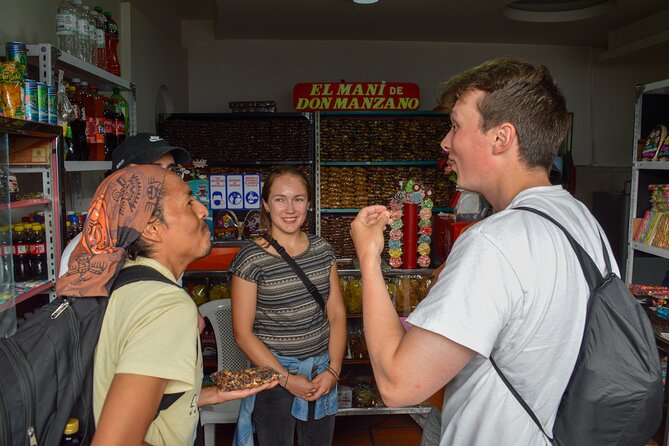
- Small group (max 12) so you’re not shouting to hear the guide.
- Huecas first: you’re eating at local, family-run eateries rather than themed stops.
- You pay the vendors directly for food and beverages during the tour.
- Edwin’s mix of food + city stories makes each tasting feel purposeful.
- Meet owners and see how places operate gives you real context for what you’re ordering.
- A community-minded final stop includes a drink and crafts connected to kids’ free activities.
Huecas: the real Quito table, not a performance
The heart of this tour is the word Hueca. In Quito, it typically means a boutique, frequently family-run eatery where the food is the star—and the recipe details often come from families who’ve cooked the same way for years.
That matters because most visitors to Quito think they need a big “tourist” meal to understand local food. This route flips the idea: you learn by actually ordering in the places locals use. The guide’s goal is simple: eat where Quito lives, then help you understand how to spot good food even after the tour ends.
I like that the tour isn’t trying to be a checklist of famous dishes. Instead, it’s about taste and habit—what people order, what the room feels like, and how the staff treats regular customers. For you, that usually means you walk away not just full, but better at choosing food on your own.
A 3-hour old-town walk built around eating
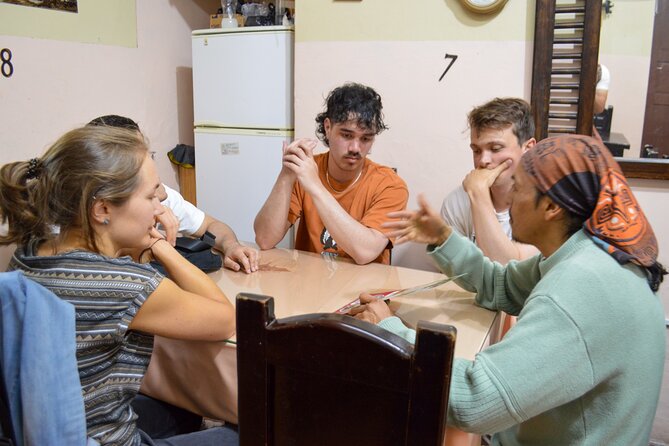
This is a 3-hour experience that operates like a walking food tour through Quito. The start point is Vicente León & José de Antepara (170136), and you finish back at the same meeting area.
A walking format is great for this kind of tour because Quito’s historic center is compact enough that you can move between stops without losing the flow. You’ll get a steady rhythm: arrive, taste, learn, and move on—rather than sitting through one long meal where your attention drifts.
Group size is capped at 12 travelers, and that changes the experience. With a smaller group, it’s easier for you to ask questions about what you’re eating, and it’s easier for the guide to keep everyone together at each stop.
Practical note: the tour is near public transportation, which helps if you’re planning your day around other sights. And since it’s meant to be eaten-on-foot, wear comfortable shoes. You don’t need hiking boots—just ones you’re happy to walk in.
Edwin’s guide style: food, culture, and practical context
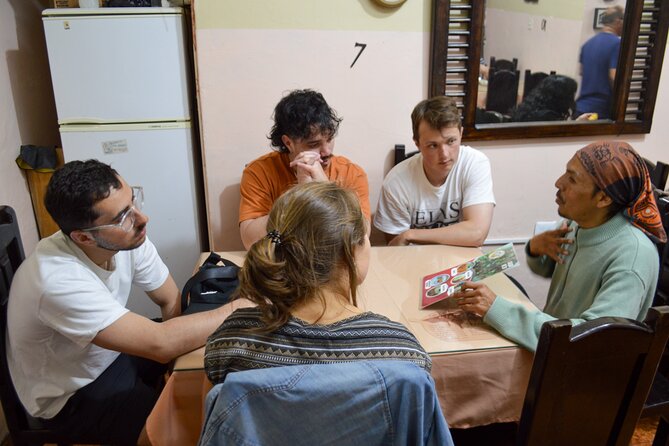
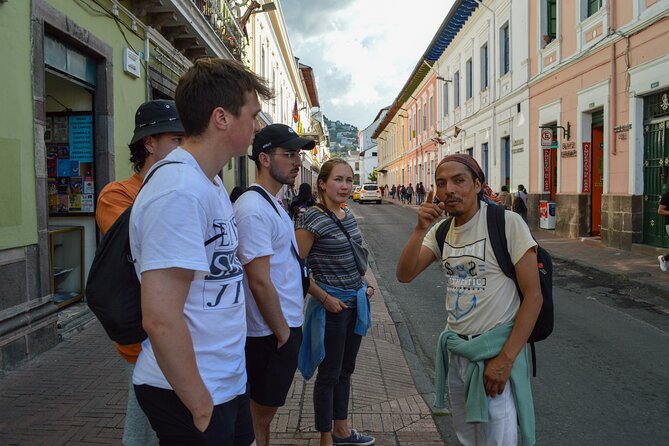
The biggest repeated theme from the experience is the role of the guide—Edwin. He’s described as caring about the community and genuinely enjoying what he does, but what really helps you is his ability to connect food to Quito’s daily life.
In practice, that means the history and culture aren’t stuck in a lecture voice. Edwin threads context into the stops as you go, so the story explains why a dish shows up in a particular place or why a certain food tradition still matters.
This tour also works well for families. The group was described as supportive for kids (including children around ages 9 and 12) because the guide keeps things moving and explains with clarity. If you’re traveling with younger companions, that’s a real advantage.
If you’re a first-time visitor who feels intimidated by where to eat, this kind of guided structure helps fast. You get a map for taste and confidence, not just a list of places.
How tastings work (and why dinner isn’t included)
Here’s the setup: the guide is included, but the food for a full dinner isn’t. The goal is that you learn how to find great meals by yourself after you leave.
That’s why you’ll pay the Hueca directly for what you order. This can be an advantage for you, because it keeps the tour flexible. You’re not locked into someone else’s set menu. You can typically adapt your choices based on appetite, dietary needs, or what’s available that day.
What to plan for:
- Expect tastings across multiple stops rather than one big sit-down dinner.
- Come hungry enough that you can enjoy the sampling without feeling rushed.
- Mentally budget for food and drinks during the tour since the tour price isn’t covering your meal costs.
If you absolutely need a guaranteed full dinner included in the ticket price, this might not fit your style. But if you like learning by doing—and you want to take Quito food skills home—this format is the point.
Stop by stop: what your afternoon feels like
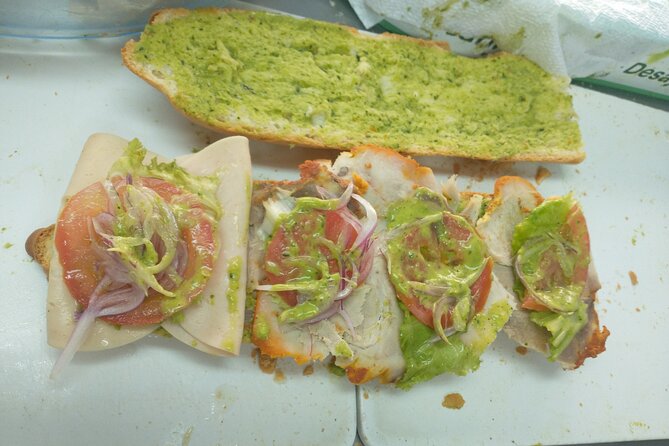
You start at Vicente León & José de Antepara, then head into Quito’s historic area with the group. From there, the tour is built around a series of Huecas—small local eateries where you’ll taste and learn without feeling like you’re doing something staged.
At each stop, your rhythm usually looks like this:
- Edwin sets the context, including what to look for and what to try.
- You taste local dishes and beverages that make sense for that place.
- You pay the shop directly for what you ordered, which keeps the experience grounded in how locals eat.
- You move on with short explanations that connect the food to Quito’s neighborhoods and everyday culture.
Several descriptions highlight warm welcomes from owners at small shops and the sense that you’re entering real routines, not just being photographed in front of the menu. One highlight was the chance to sample offerings from places that have served local diners for decades, and that long continuity shows up in the food choices and the way the staff interacts.
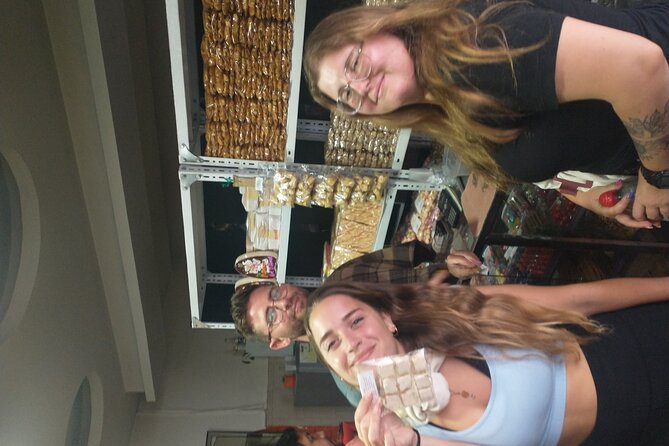
You may also have moments that feel like meeting makers or seeing artisanal products up close—again, not a formal “factory tour,” but more like getting a better understanding of where certain ingredients or items come from. When that happens, it adds a layer beyond taste: you start to see the logic behind the menu.
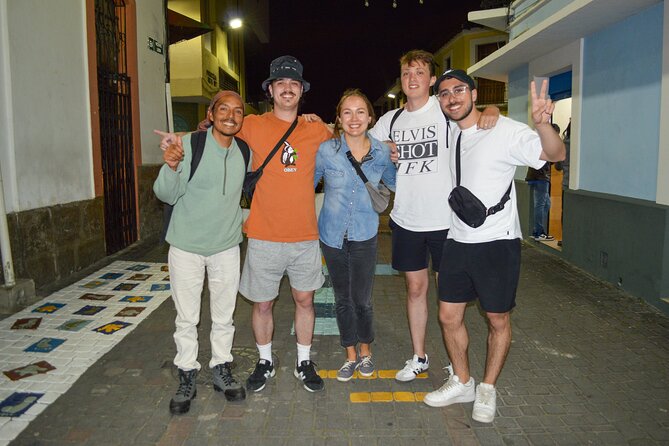
The tour also includes a meaningful final element. You’ll end with a drink with the coordinator of a small organization that provides free classes and activities for kids in the community. There’s also an opportunity to pick up a few crafts made by children, which turns the last moments of the tour into something more than a receipt.
A consideration: because the tour is designed around multiple eating stops, there’s less time for long explanations at any single place. If you prefer slow, sit-down meals with lots of waiting time, you might find the pace brisk. But for most people, the pace keeps the afternoon fun and keeps you tasting.
Value check: what you’re really paying $37.60 for
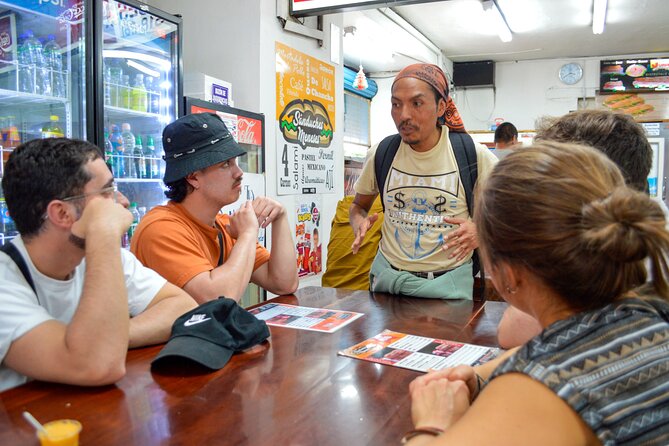
At $37.60 per person, you’re paying for more than walking time. You’re paying for:
- A local guide (Edwin) who knows the food scene and can explain what you’re tasting.
- A structured route across local Huecas so you don’t waste time guessing.
- A learning focus: how to identify good food and feel comfortable ordering.
What you’re not paying for is a full included dinner, because the tour’s whole idea is to teach you how to find good food on your own afterward.
So the value depends on your travel style. If you like “set menu” tours where everything is included, this may feel less all-inclusive. If you like to control your own choices and want to build confidence for the rest of your trip, this ticket can be a strong deal.
Also, the small group cap matters for value. Paying the same as a bigger group tour but getting a smaller group experience usually means you spend more time asking questions and less time just trying to hear.
Who should book this Quito food walk
This tour makes the most sense if you:
- Want to eat like Quito locals do, in Huecas you can return to later.
- Feel unsure about where to eat and want a guided confidence boost.
- Prefer a walking tour that mixes food with context, rather than a single long meal.
- Travel as a family and want a guide who can work comfortably with kids.
It may be less ideal if you:
- Want a ticket that includes a full dinner with no extra spending.
- Have limited mobility for walking between several stops.
- Prefer restaurants only in the most tourist-heavy areas (because this tour is intentionally built around local neighborhood spots).
For everyone else, the format is practical. You’ll learn the process of choosing food, tasting it on the ground, and understanding what you’re seeing.
Practical tips to get the most from the tour
A few smart moves can make your afternoon smoother:
- Go in with an appetite. Since dinner isn’t included, you’ll enjoy the tastings more if you’re not already full.
- Order what looks most local. If you’re unsure, ask Edwin what’s a good choice at that particular Hueca.
- Keep cash or payment flexibility in mind. You pay vendors directly for food and beverages during the tour, so be ready to cover what you choose.
- Ask about what you’re eating, not just how it tastes. That’s where Edwin’s context helps most.
Also, since the tour ends back at the meeting point, it’s easier to plan your next stop afterward. You can keep the evening open for another bite, a drink, or a museum without worrying about how you’ll get back.
Should you book this Quito Huecas tour?
If your priority is learning Quito food culture the way locals experience it, I think this tour is worth booking. The Huecas focus, the small group size, and Edwin’s ability to connect history and everyday life to what you’re eating are the combination that makes it work.
Book it especially if you’re the type who wants to leave a place with skills—not just photos. You’ll come away knowing how to find good food without feeling intimidated.
Skip it only if you need an all-included dinner experience. But if you’re happy to taste across multiple spots and pay vendors directly for what you order, this is a very solid way to spend a half-afternoon in Quito.
FAQ
Where is the meeting point for the tour?
The tour starts at Vicente León & José de Antepara, 170136 Quito, Ecuador.
How long is the Quito food tour?
It lasts about 3 hours.
What is included in the price?
The guide is included. Food for dinner is not included.
Do I need to pay for the food during the tour?
Yes. The idea is to pay the Hueca straight for the food and beverages you order.
Will I get a full dinner on this tour?
No. Dinner food is not included, because the tour is designed to help you understand how to find good food by yourself afterward.
How many people are in the group?
The maximum group size is 12 travelers.
Is the tour near public transportation?
Yes, it is near public transportation.
When do I get confirmation after booking?
You will receive confirmation at the time of booking.
What’s the cancellation policy?
You can cancel for a full refund up to 24 hours in advance of the experience start time. If you cancel less than 24 hours before, the amount paid will not be refunded.