REVIEW · AIX EN PROVENCE
Aix-en-Provence: Food Tour
Book on GetYourGuide →Operated by _Do Eat Better Experience · Bookable on GetYourGuide
Truffle turns this city walk into a real food story. You’ll taste your way through Aix-en-Provence while your guide ties each stop to the streets, the food culture, and the reason certain flavors show up again and again. The group stays small, so you’re not stuck in a long line of people trying to hear over each other.
What I really like here is the emphasis on black diamond truffle in several forms, not just one bite, plus the payoff at the end with small cakes from a top pastry shop. The trade-off: tastings can vary by season and what the partner shops have available, and there can be some downtime between sightseeing and the first food stop—so show up early with your appetite set to slow-burn.
In This Review
- Key things to know before you go
- Aix-en-Provence food tour: why this kind of walking meal works
- Where you meet and how the route starts near Fontaine de la Rotonde
- The first big flavor: guided truffle tasting in Provence
- Rue d’Italie and Aix street stories you can taste
- Hotel de Ville and Cours Mirabeau: landmarks plus a food rhythm
- Charcuterie, cheese, and Provençal wine: the classic Aix table
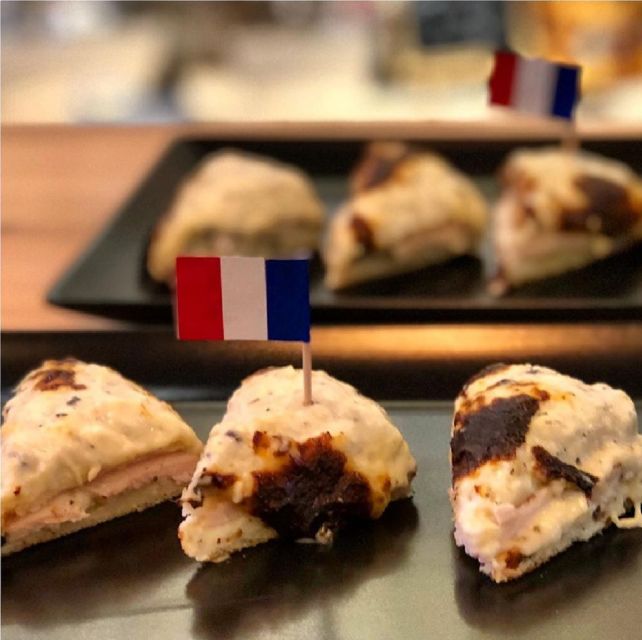
- Croque Monsieur with truffle: the “how” behind a French classic
- Place des Cardeurs: the sweet finish and your last bite
- Price and value: is $112 actually worth it?
- Pacing, group size, and what to bring so the tour feels good
- Language and guide style: French, English, and quick questions
- Who this Aix-en-Provence food tour suits best
- Should you book this tour?
- FAQ
- Where is the meeting point for the Aix-en-Provence food tour?
- How long is the tour?
- How much does the tour cost?
- How many food stops are included?
- Is alcohol included?
- What languages are the live guides?
- What is the group size limit?
- What should I bring, and what isn’t allowed?
Key things to know before you go
- A truffle-focused route: you start with a truffle tasting and end with truffle’s place in classic French comfort food.
- At least 4 food stops: each stop includes at least one serving, so you’re not paying just for walking.
- Wine plus water included: 1 alcoholic drink and water are part of the package.
- Historic + modern Aix: you’ll move through landmark areas like Cours Mirabeau and around the Hotel de Ville.
- Small group (max 12): better conversation with the guide and easier pacing.
- Guides can adapt the flow: at least one guide (Renaud Cudi) has rearranged stops to reduce steps for slower walkers.
Aix-en-Provence food tour: why this kind of walking meal works
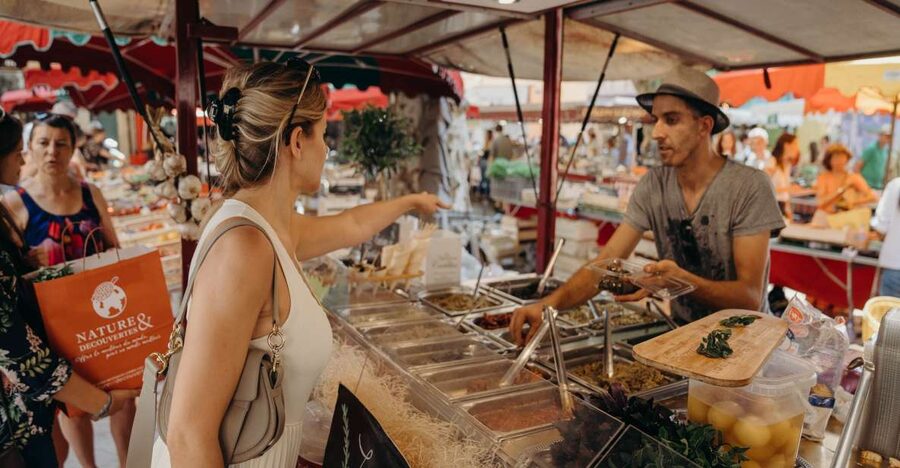
Aix-en-Provence can be gorgeous just as a sightseeing town. But food is where it gets personal. This tour strings together a sequence of places that make sense together: first the ingredients (hello truffle), then the Provençal table (charcuterie, cheese, wine), then a French classic (croque monsieur), and finally something sweet to close the loop.
I like that the experience isn’t only about eating. You also get historical anecdotes about the streets and places you pass, which helps the city feel like more than a postcard. And with a maximum of 12 people, you’re more likely to hear the guide’s explanations and ask quick questions without feeling like you’re interrupting a parade.
One more practical point: it’s about 210 minutes (a bit over 3 hours). That’s long enough to feel like a proper outing, but not so long that you’re exhausted before the last bite lands.
You can also read our reviews of more food & drink experiences in Aix En Provence

Where you meet and how the route starts near Fontaine de la Rotonde

You’ll meet at the Fontaine de la Rotonde, near the Cezanne statue. It’s a smart starting point because it’s central and easy to orient yourself in Aix—so even if you arrive a little early, you can get your bearings fast.
From there, the tour begins with movement and tasting right away, with time spent in key streets and squares. The route takes you along Rue d’Italie, then through areas near Hotel de Ville, and onward toward Cours Mirabeau and Place des Cardeurs, where the tour finishes.
This matters because Aix is best understood by walking. You’ll see how the town’s major public spaces connect to the smaller food moments—cafés, historic eateries, and more modern spots—without needing a map app to get context.
The first big flavor: guided truffle tasting in Provence
Truffle is the headline here, and the tour treats it like a topic, not just an ingredient. You start with a guided tasting of truffle-based products—called the black diamond of Provence. That nickname isn’t just marketing. In this region, truffle shows up because it’s prized, seasonal, and closely tied to local food identity.
At this first stop, your guide’s job is to help you notice details: how truffle tastes and how it’s used, so later bites don’t feel random. If you’ve ever had truffle products that tasted subtle (or weirdly intense), this kind of guided start gives you a reference point. You’ll have a better sense of what you’re actually tasting when truffle appears again in later food.
Also note: the exact truffle items can vary depending on season and what’s available with the partner shops. So you’re not guaranteed the same spread year-round—think of it as a truffle education that adapts to the moment.
Rue d’Italie and Aix street stories you can taste
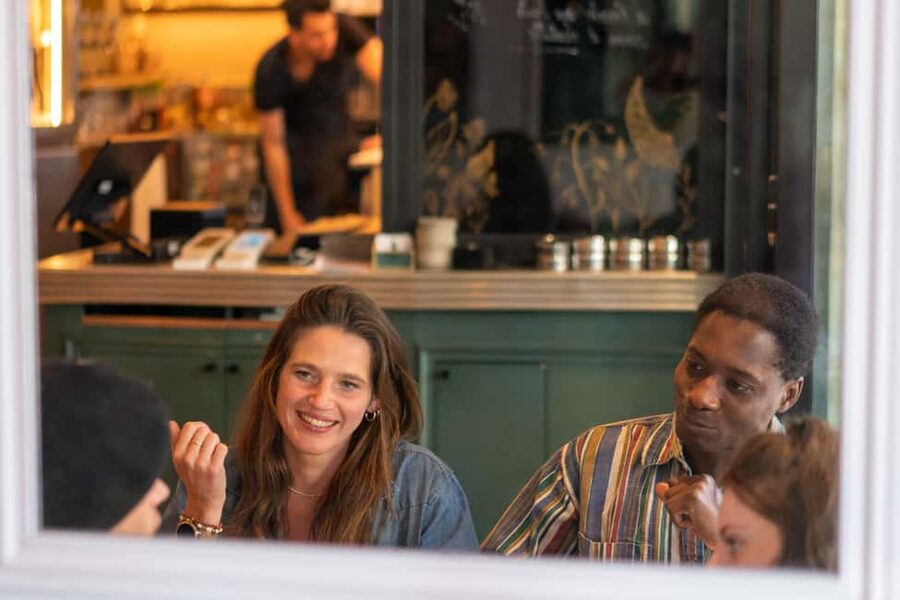
After the meeting area, the walking continues along Rue d’Italie, where you’ll get both sightseeing and food tasting. This is one of those stretches where the guide’s storytelling can really pay off, because Rue d’Italie sits in the broader flow of Aix’s daily life—pedestrian traffic, shopfronts, and the kind of street rhythms tourists don’t always slow down for.
Here’s why that timing works: you’re not “touring” food in a vacuum. You’re learning while your feet move and the neighborhood changes around you. That reduces the mental fatigue of a strict restaurant crawl. Instead, it feels like you’re being shown how Aix works, then given a bite that matches the place you’re seeing.
A small caution: if you’re the type who hates waiting, keep your expectations flexible early on. At least one experience highlighted a longer wait before the first food stop. That doesn’t mean it will happen to you, but it’s a good reason to arrive on time (or a few minutes early) and accept that the first tasting may not be immediate the second you show up.
Hotel de Ville and Cours Mirabeau: landmarks plus a food rhythm
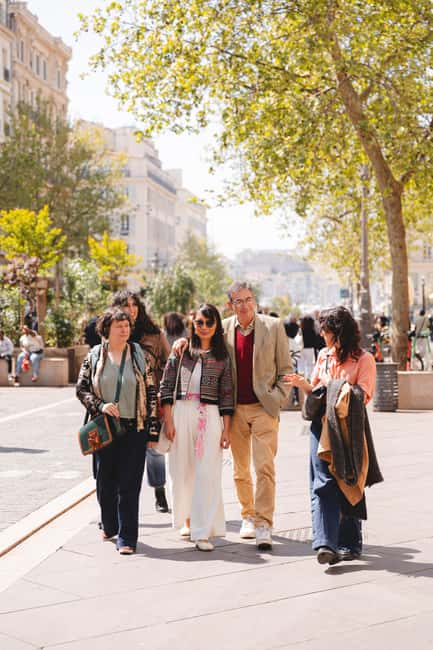
The tour then threads you toward Hotel de Ville, Aix-en-Provence and on to Cours Mirabeau. These are the kinds of places where you can see why Aix became a destination: grand facades, wide avenues, and open squares that make the city feel orderly even when it’s busy.
The trick is that the food rhythm keeps the landmarks from becoming background noise. You’re not just passing through; each area is paired with a tasting, so you’re constantly shifting your attention between what you see and what you smell and taste.
Cours Mirabeau is also a key moment for photos, but I recommend using it for one more purpose: people-watching and pace-checking. You’ll feel the tour’s walking speed here, and you’ll have a chance to settle into the group flow—useful later when your feet are tired and your hunger needs to stay on schedule.
A few more Aix En Provence tours and experiences worth a look

Charcuterie, cheese, and Provençal wine: the classic Aix table
One stop centers on a charcuterie and cheese board paired with a glass of refreshing wine. This is where Aix really flexes its food culture. In Provence, charcuterie isn’t only a snack; it’s a way of eating that values local meats, salt cures, and the kind of cheeses that can handle bold flavors.
What makes this stop especially valuable is that it’s not a random plate. It’s a balance point between the truffle start and the later croque monsieur bite. If truffle has been intense, the charcuterie and cheese give you textures and fat that make truffle taste clearer, not muddier.
Also, the tour includes water along the way and 1 alcoholic drink total. So you’ll likely want to drink the wine responsibly—if you plan to keep walking afterward, just pace yourself.
Croque Monsieur with truffle: the “how” behind a French classic
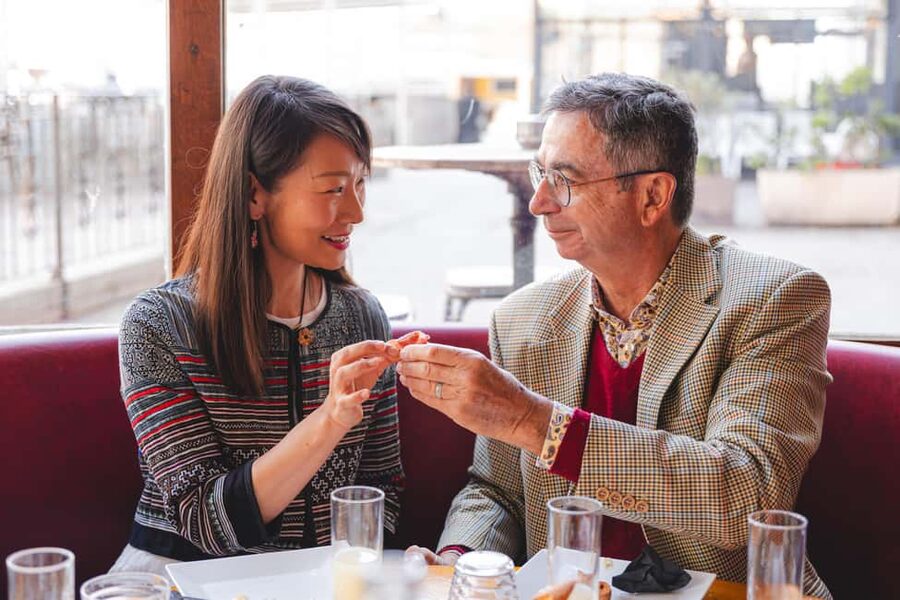
After learning about truffle, you move into one of the most classic applications: truffle as an ingredient in the croque monsieur—one of the musts of French cuisine. This is a smart sequence. When you understand an ingredient, you can appreciate its role in a familiar dish instead of just chasing novelty.
A croque monsieur is already comforting: warm, cheesy, bread-forward. Adding truffle changes the aroma and lifts the whole experience. You’re essentially tasting truffle not as a standalone luxury, but as something that can upgrade everyday French comfort food.
This stop also helps you understand why truffle products matter in real kitchens. In a lot of tourist settings, truffle is presented as an exotic product. Here, it’s framed as part of French dining logic—structured, intentional, and built to pair with other flavors you’ve just tasted (wine, charcuterie, cheese).
Seasonal changes can affect exactly what you eat, but the theme stays consistent: truffle goes from ingredient lesson to practical use.
Place des Cardeurs: the sweet finish and your last bite
The tour ends at Place des Cardeurs, which is a great place for a finish. It’s open and easy to land at the end of a walking loop, so you don’t feel like you have to rush off mid-sugar.
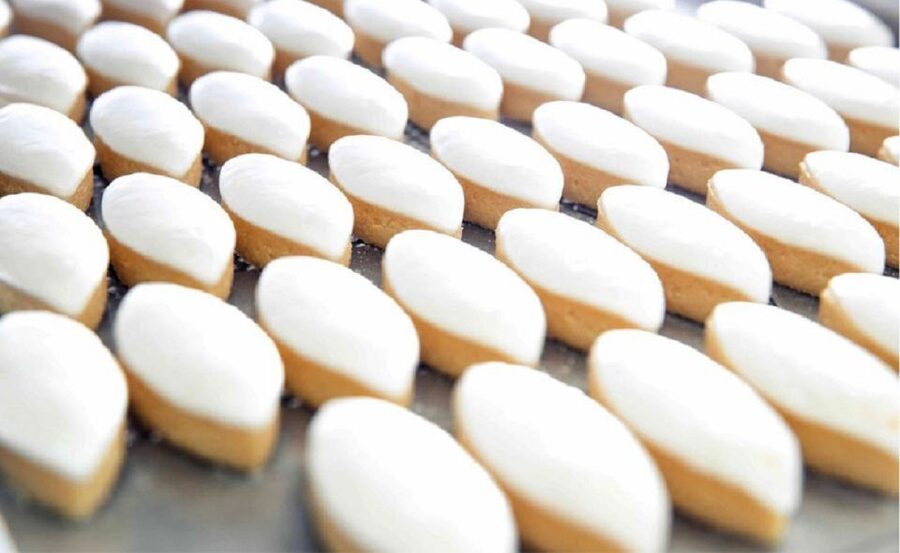
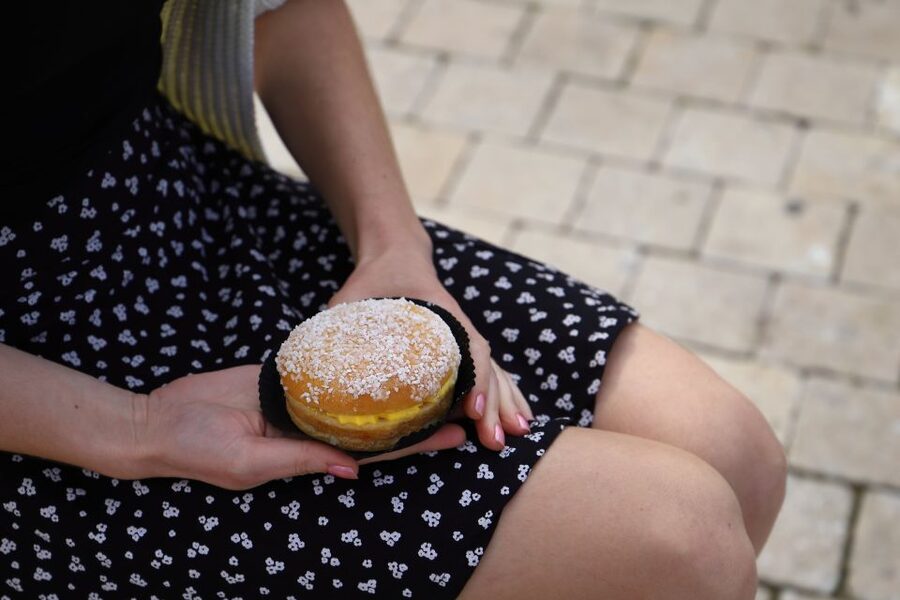
Your final tasting is at a pastry shop known for some of the most delicious items in Aix, where you’ll try small cakes that make you swoon (that’s the vibe you should expect—bite-sized, rich, and designed for one last pleasure before you head back to your day).
A sweet ending matters for two reasons. First, it balances the salt and richness of cheese and charcuterie. Second, it locks in the whole flavor arc: truffle start, savory education, French comfort classic, and then a final Provençal-style dessert hit.
If you’re traveling with a group, this is also the moment when everyone’s least picky. Even people who said they weren’t sure about truffle often soften once they’ve finished the full tasting sequence.
Price and value: is $112 actually worth it?
At $112 per person for 210 minutes, this isn’t a budget snack tour. But the value makes sense if you treat it like an organized tasting meal plus guided walking.
Here’s the simple value equation:
- At least 4 food stops, and the tour notes at least one serving at each stop.
- Water is included.
- 1 alcoholic drink is included.
- You get guided storytelling that links food to the streets, not just instructions to eat quickly.
In places like Aix, paying for individual tastings can add up fast—especially when one part is a truffle-focused experience, another is wine, and another is a sweet pastry stop. You’re also buying convenience: you don’t have to plan where to go, how to order, or how to handle timing between tasting points.
The only reason this might not feel like a perfect fit is if you expect a very specific menu. Tastings can vary by season and by what partner shops have available. So if you’re extremely particular—say, you don’t want certain types of cheese or you expect a bigger spread than what the standard stop list delivers—do your homework and be ready for substitutions.
Pacing, group size, and what to bring so the tour feels good
This tour runs with a minimum of 2 people and a maximum of 12, which is a comfort sweet spot. Small enough for conversation, big enough that the tour usually runs.
Your biggest gear requirement is straightforward: comfortable shoes. The tour is walk-based, and because it includes multiple stops across central areas, you’ll want shoes that can handle cobblestone-like surfaces and standing time outside shops.
Also keep these rules in mind:
- No pets
- No luggage or large bags
- Not suitable for people with mobility impairments
That last one is important. Since the tour involves walking and multiple stops, it’s not designed as an easy sit-everywhere experience.
If you’re a slower walker, here’s some good news from the tour’s real-world flexibility: one guide, Renaud Cudi, reportedly rearranged some stops at the end to reduce steps for an older, slower member of the group. You can’t count on every adjustment, but it suggests the guides pay attention to pacing and can adapt the flow when needed.
Language and guide style: French, English, and quick questions
The tour runs with a live guide who speaks French and English. Even if you only speak one language, you’ll likely hear a mix depending on the group.
Guide personality matters a lot on tasting tours, and the named guides you might hear about—like Thais—show what the format is aiming for: historical context paired with solid food stops, not just a list of bites. A well-run guide also keeps you from feeling like you’re rushing to swallow and move on.
If you want the most out of the experience, ask one or two simple questions as you go, especially during the truffle tasting. Questions like what ingredient form to notice, or why truffle appears in a croque monsieur can turn a meal into a lesson you’ll remember long after your last sweet bite.
Who this Aix-en-Provence food tour suits best
This tour is best for you if you want three things at once:
- A truffle-forward food education rather than one-off tastes.
- A guided walk through central Aix highlights like Hotel de Ville, Cours Mirabeau, and Place des Cardeurs.
- A structured set of tastings where you don’t have to plan the details.
It’s also a good choice for food lovers who like classics. The sequence makes sense: truffle lesson first, then truffle’s role in a French staple like croque monsieur, then a pastry finish.
It’s not your best bet if you want a highly flexible menu or if walking is hard for you. Since it’s not suitable for mobility impairments, you’ll want to look for a different format if you need a gentler pace.
Should you book this tour?
Book it if you like the idea of a guided tasting arc: truffle into croque monsieur into a sweet close, with wine and a charcuterie-and-cheese stop in the middle. At 4+ food stops with water and a drink included, it’s a solid way to eat well without spending time hunting for the right places.
Skip it (or choose carefully) if you dislike waiting before tastings, or if you’re worried about menu changes. Because seasonal availability can shift what you taste, it’s smarter to go in wanting the theme more than a guaranteed checklist of exact items.
FAQ
Where is the meeting point for the Aix-en-Provence food tour?
You meet at the Fontaine de la Rotonde, near the Cezanne statue.
How long is the tour?
The duration is 210 minutes (about 3.5 hours).
How much does the tour cost?
The price is $112 per person.
How many food stops are included?
The tour includes at least 4 food stops, and at least one serving of food is included at each stop.
Is alcohol included?
Yes. 1 alcoholic drink is included, and water is also included.
What languages are the live guides?
The tour offers French and English.
What is the group size limit?
The tour has a minimum of 2 people to operate and a maximum of 12.
What should I bring, and what isn’t allowed?
Bring comfortable shoes. Pets and luggage or large bags are not allowed. The tour is also not suitable for people with mobility impairments.