REVIEW · ARCACHON
Bay of Arcachon: Guided Food Tour
Book on GetYourGuide →Operated by CAP GOURMAND · Bookable on GetYourGuide
Oysters, stories, and quiet village corners. This Bay of Arcachon guided food tour is a walk through Cap Ferret or Le Canon oyster-village spots, with three scheduled tastings and a proper stop at an oyster farm to learn how the local oysters are raised. You’re not just eating on the move—you’re getting context as you go.
I especially like the way the guide, often Alain, ties small bites to real local life, from oyster farming to Cap Ferret history and the peninsula’s character. I also like the structured tastings: a sweet pastry, then smoked fish, then oysters—each paired with a drink, so the flavors keep changing instead of feeling repetitive.
One possible drawback: this is still a guided walking tour for 3 hours. If you want a big meal or lots of repeated courses, you might wish for more than the three tastings.
In This Review
- Key highlights that matter
- Cap Ferret or Le Canon: picking your oyster-village route
- Walking with Alain: how the guide changes the whole meal
- The 3 tastings (pastry, smoked fish, oysters) and why order matters
- Oyster farm visit: what you should ask once the gate opens
- Stories about Cap Ferret’s people: more than a food stop
- Drinks, pace, and how to avoid the usual food-tour letdown
- Price and value: what $76 buys you in the real world
- What to bring (and what to expect on a seaside peninsula)
- Who should book this Bay of Arcachon food tour?
- Should you book this tour?
- FAQ
- How long is the Bay of Arcachon guided food tour?
- Where does the tour take place?
- Can I choose between Cap Ferret and Le Canon?
- How many tastings are included?
- What will I taste on the tour?
- Are drinks included with the tastings?
- Do we visit an oyster farm?
- What languages are available for the guide?
- What should I bring with me?
- Is it easy to reach Cap Ferret from Arcachon?
Key highlights that matter
- Two village choices (Cap Ferret or Le Canon/L’Herbe) so you can pick the vibe you want.
- Three tastings in a fixed rhythm: pastry, smoked fish, and oysters.
- Oyster farm visit at the end where you can ask questions about how oyster farming works.
- Drinks included with the tastings (wine plus coffee or tea, and water).
- Guide-led anecdotes about the peninsula and its people, in French or English.
- Great end-of-tour payoff with oysters and views over the Arcachon basin.
Cap Ferret or Le Canon: picking your oyster-village route
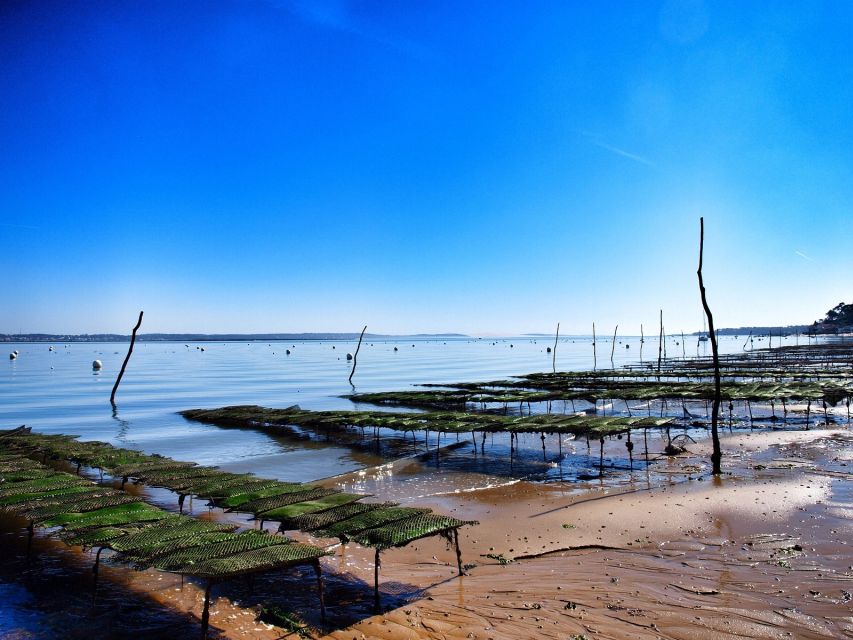
The first decision is simple: choose Cap Ferret village or Le Canon / L’Herbe. Both are classic oyster areas, but they feel different as you walk through side streets and quieter corners. Cap Ferret tends to deliver that postcard energy—waves, wooden details, and a strong sense of who lives off the basin. Le Canon and L’Herbe feel a bit more laid-back as you shift from village lanes toward the water-world where oysters make sense.
This matters because the tour isn’t “sit and eat.” It’s a guided stroll to secret-feeling spots. So your chosen village becomes your frame. You’ll see how locals relate to the water—morning rhythms, working routes, and the way oyster culture shapes daily talk.
If you’re coming from Arcachon by car, plan for summer traffic. If you’re doing the Cap Ferret option, the tour notes that taking the boat shuttle between Arcachon and Cap Ferret is recommended. That little choice can save time and stress, and it turns the trip into part of your day instead of a chore.
Walking with Alain: how the guide changes the whole meal
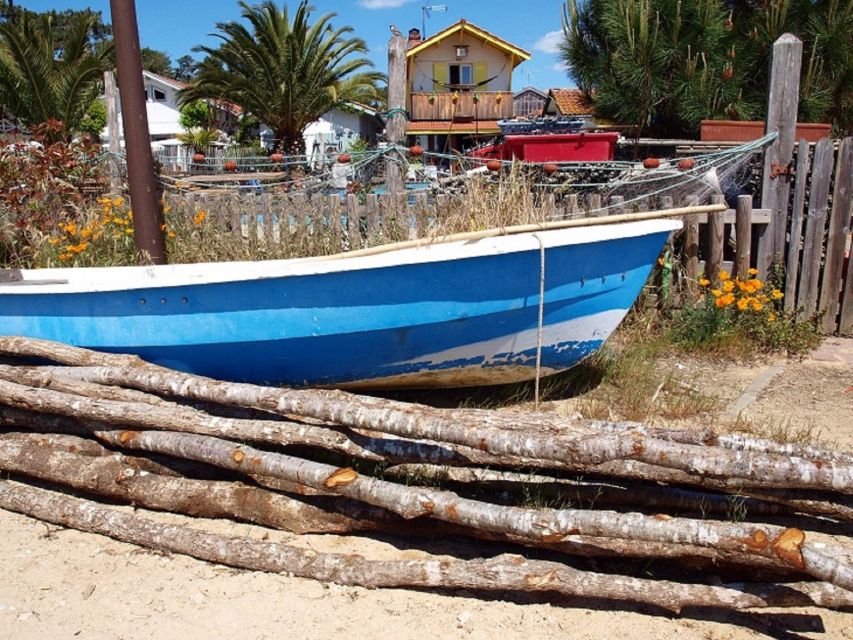
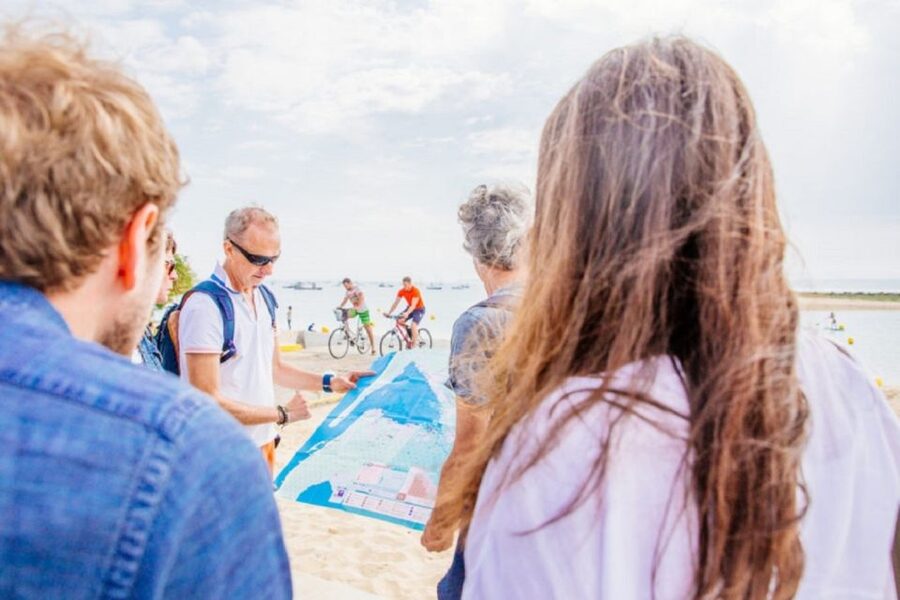
Food tours live or die by the guide. The best part here is that the tour is designed around explanations, not just handouts. You get stories about the peninsula and its people—how the basin shaped local culture, and why oysters are more than a menu item.
In the guides you may encounter, Alain stands out in the way he’s described: calm, engaging, and able to keep both adults and younger visitors interested. That’s a real skill. Oysters can sound technical fast, and people can drift if a tour reads like a textbook. This one stays human: anecdotes first, then facts, then tastings.
Also, the language options are solid: you can go in English or French. That sounds basic, but it affects how much you catch. With an oyster tour, the difference between understanding and nodding along is huge—because you’ll likely ask questions at the farm.
Practical note: wear comfortable shoes. You’re walking between stops for three hours, and the villages are the whole point. Come dressed for a mix of sunshine and salt-air breezes, and you’ll enjoy the pace instead of fighting it.
The 3 tastings (pastry, smoked fish, oysters) and why order matters
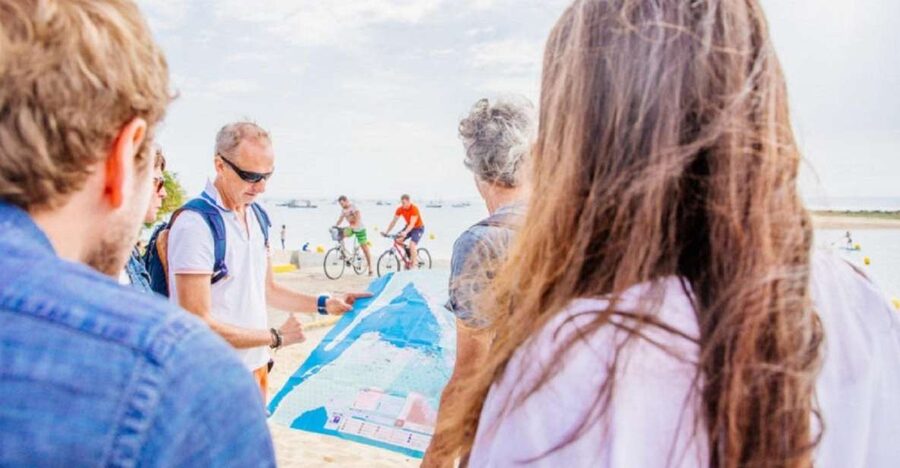
The tour is built around three gourmet stops. That might sound simple, but it’s actually a good way to learn. Each tasting puts you into a different flavor world, and then the guide connects the dots.
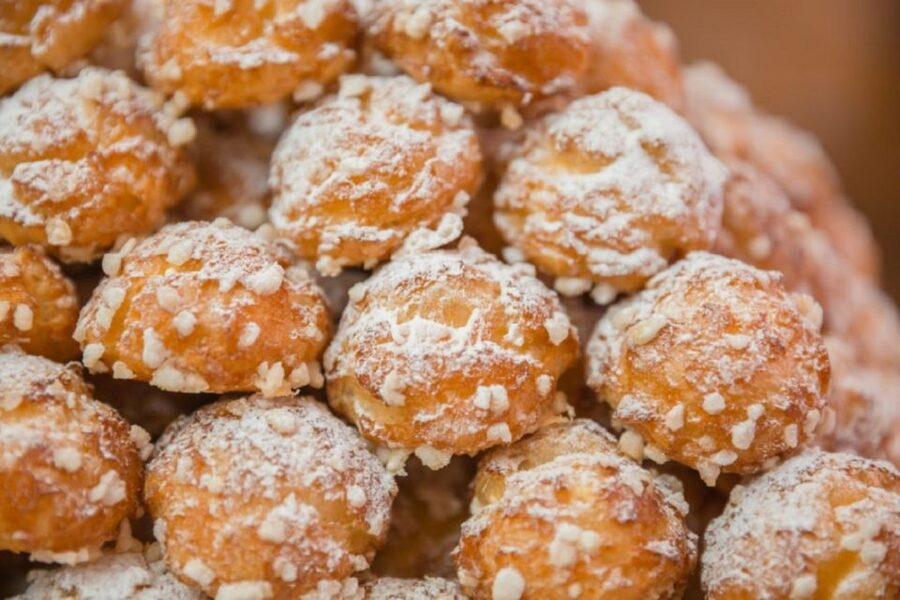
1) Sweet pastry tasting
This is your warm-up. The tour starts with a pastry, and it’s a smart move because it gets you ready for the salinity and brine that come later. You’re tasting something familiar while your guide sets the scene about the peninsula. It also helps you settle into the group and pacing—no sprinting right into seafood.
2) Smoked fish tasting
Then comes smoked fish. This is where you start noticing how the basin feeds local techniques, not just local ingredients. Smoking adds depth—smoky, savory, and a little dramatic compared to plain fresh flavors. It also pairs well with the included drinks, and it gives your palate a “bridge” between pastry sweetness and oyster salinity.
3) Oyster tasting (with the final payoff)
The last tasting is the oyster stop, and this is the one that people tend to remember. Oysters are the local signature, and the tour times this moment so you’re not just tasting in a shop—you’re tasting in a context that makes sense. One highlight described is enjoying oysters with a view toward the basin. That kind of setting turns an oyster into a story you can feel.
Each tasting is accompanied by a drink. The tour includes two glasses of wine plus coffee or tea, and water. If you’re a coffee/tea person, you’ll still get a proper drink pairing across the stops. If you like wine, two glasses gives you that classic food-tour rhythm without turning it into a party.
Oyster farm visit: what you should ask once the gate opens
The tour ends with an oyster farm visit. That’s important. It’s one thing to eat oysters; it’s another to understand what you’re tasting and why the work matters.
When you arrive, treat it like a mini Q&A session. You’ll likely be able to ask questions, and the point is to learn how oyster farming works—how producers manage the environment, how they think about timing and quality, and what makes an oyster good beyond the restaurant word of the day.
The guide is there to translate local expertise into something you can use. If you’ve ever wondered why oysters taste different from one batch to another, a farm visit is where that question starts to make sense.
If you want to get maximum value, ask questions that connect process to flavor, like:
- What influences taste most—timing, water conditions, or handling?
- How do farmers judge quality before shucking?
- What’s the biggest misconception visitors have about oyster farming?
You don’t need to be an expert to ask. The tour is designed for curious people, not oyster nerds only.
Stories about Cap Ferret’s people: more than a food stop
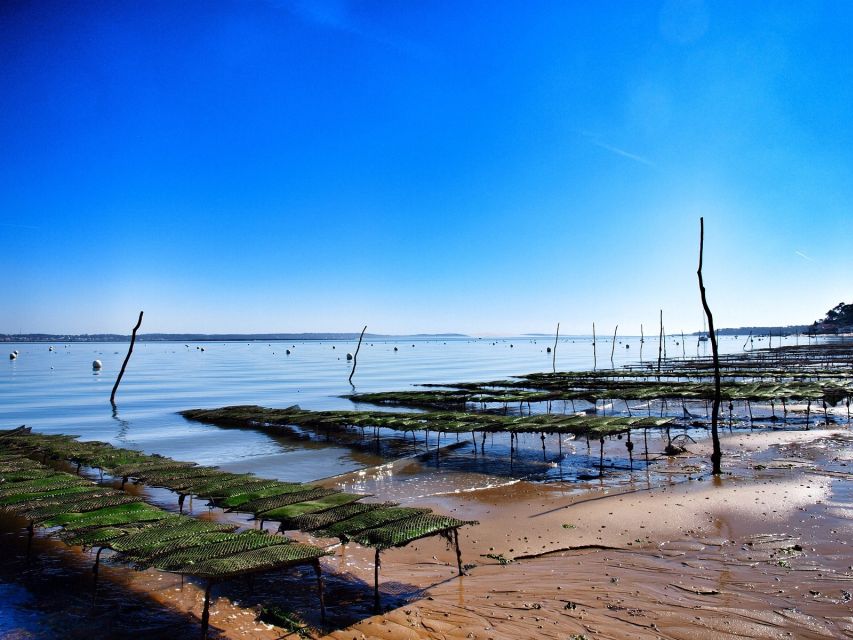
This tour isn’t just about food. It’s about understanding why people here talk about the sea the way they do. You’ll hear anecdotes about the peninsula of Cap Ferret and the people who live there—how the basin shapes work, seasons, and everyday identity.
That’s a big deal if you’re trying to travel like a local, not like a stamp collector. Food becomes a way to read the place. When your guide explains oyster farming and links it to local life, you start to spot patterns elsewhere: the way villages organize around water, the way craft and labor sit side by side with tourism, and the way community knowledge passes informally.
One nice bonus is that the tour is flexible in language. Whether you choose French or English, the idea stays the same: you walk, you taste, you learn the human side.
Drinks, pace, and how to avoid the usual food-tour letdown
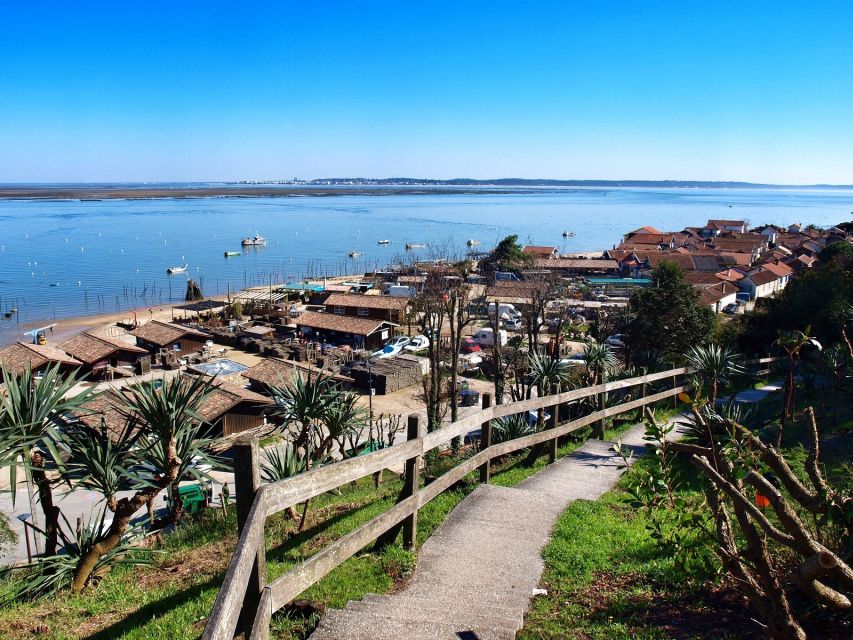
A lot of food tours fall into one of two traps: either the pace is slow and you get bored, or the pace is fast and you don’t get the chance to absorb anything. This one tries to hit the sweet spot—3 hours of walking and stopping, with three structured tastings.
Here’s how to make it enjoyable for yourself:
- Go in expecting three tastings, not a full multi-course meal.
- Treat the drink pairings as part of the pacing, not an afterthought.
- Keep your water bottle needs in mind—water is included, but you’ll still appreciate hydration in salty air.
And remember the possible drawback: one person described the experience as very physical and wished for more tasting. That lines up with what the tour design implies. It’s not a “hover and sip” kind of outing. If you’re fitness-sensitive, plan your energy for that day.
Price and value: what $76 buys you in the real world
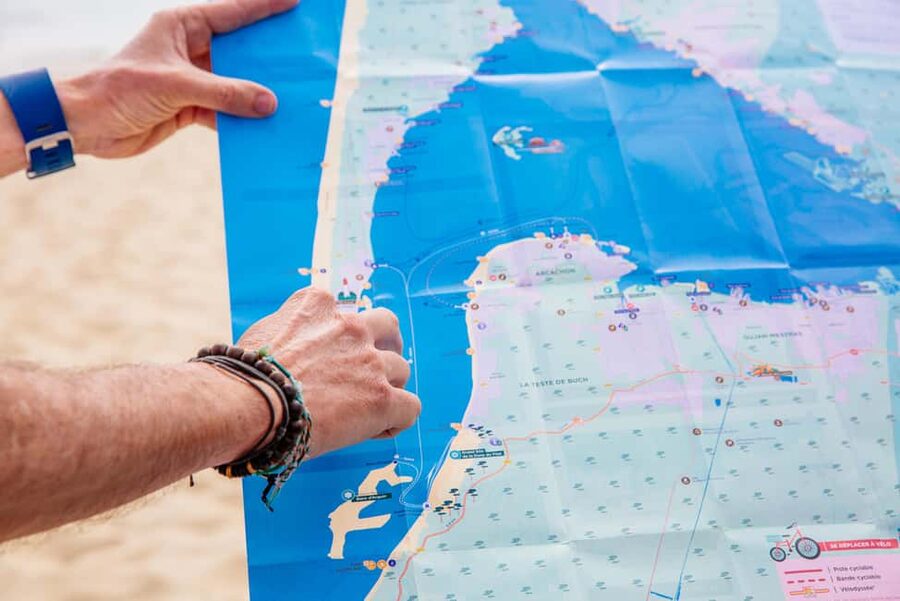
At about $76 per person for 3 hours, the math works when you look at what’s included and what you’re paying for.
You’re getting:
- A local guide
- Three tastings (pastry, smoked fish, oysters)
- Drinks across tastings (including two wine glasses plus coffee or tea, and water)
- An oyster farm visit
That means you’re not paying separately for every stop, and you’re not just buying food—you’re buying access to the explanation part. Oyster farming especially is hard to replicate on your own without knowing who to ask and what to look for.
Where the value sits depends on your style. If you love learning while you eat, this price feels fair. If you’re trying to “max calories” or you want many more tastings, you may feel the limit of three stops. Still, the tour’s structure is why it works: you get variety without the long, tiring sprawl of a huge itinerary.
If your schedule is flexible, the tour offers reserve now & pay later and free cancellation up to 24 hours in advance. That’s practical if you’re juggling weather or transport.
What to bring (and what to expect on a seaside peninsula)
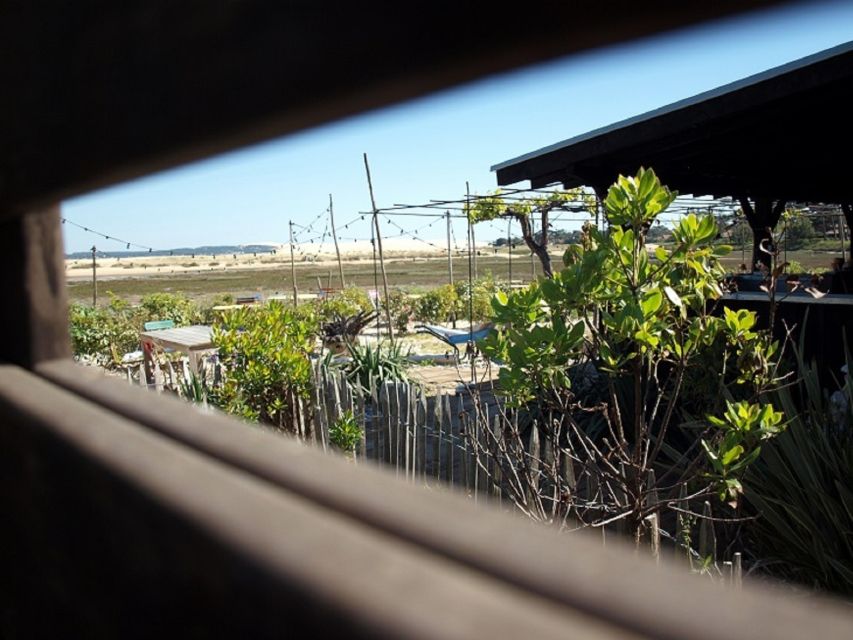
This tour is in the open air. The tour lists essentials for a reason.
Bring:
- Comfortable shoes
- Sunglasses
- A sun hat
- An umbrella
That combination covers most of what the peninsula can throw at you: sun glare off the water, wind, and sudden coastal weather shifts. Even if the day starts calm, umbrellas cost you almost nothing compared to the comfort they buy.
If you’re driving, plan for summer traffic on the way to the meeting point. The exact meeting point can vary depending on the option you booked, so confirm it in your confirmation message and give yourself buffer time.
Who should book this Bay of Arcachon food tour?
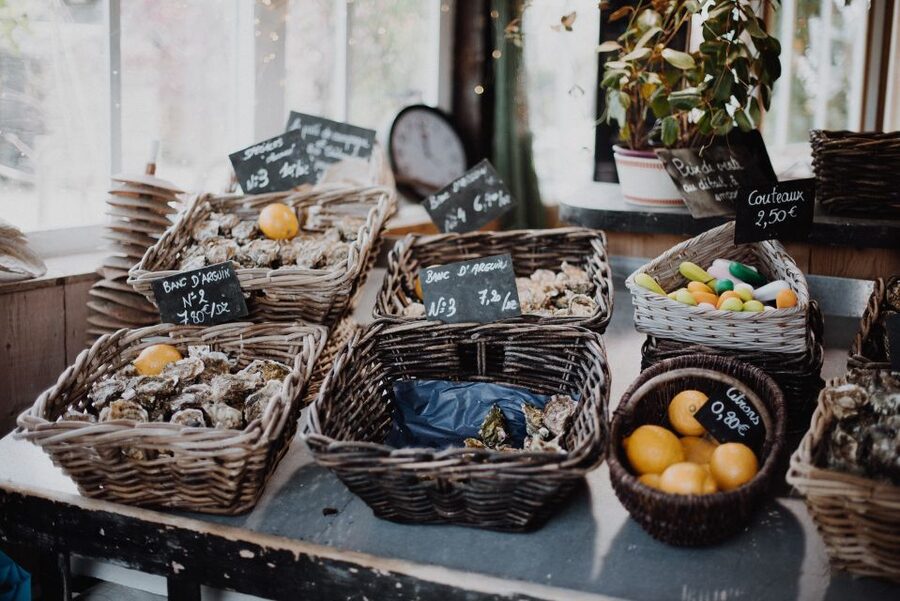
Book it if you want:
- A guided introduction to oysters in Cap Ferret / Le Canon
- Three tastings with context, not just samples
- A chance to visit an oyster farm and ask questions
- A guide who shares anecdotes about the peninsula and its people
It’s also a good fit if you’re traveling with a mixed group. One family with children, teenagers, and adults was described as having a great time, and that points to a tour that can hold attention across ages.
Consider skipping or choosing something else if:
- You dislike walking for 3 hours
- You need a heavy meal experience
- You’re hoping for many more than three tastings
Should you book this tour?
I’d book it if you’re in the Bay of Arcachon area and want oysters with real meaning. The standout value here is the pairing of food with how oyster farming and local life connect, plus the farm stop that turns curiosity into answers. The setting helps too—especially for the final oyster moment with basin views.
I’d think twice if you’re fragile on walking time or you want a bigger tasting menu. In that case, this tour might feel like a smart sampler rather than a full feast.
If you’re aiming for an authentic, not-too-long, guided food experience that actually teaches you something you can use later, this one makes sense.
FAQ
How long is the Bay of Arcachon guided food tour?
The tour lasts 3 hours.
Where does the tour take place?
It’s in the Bay of Arcachon area in Nouvelle-Aquitaine, focusing on the village areas of Cap Ferret or Le Canon / L’Herbe.
Can I choose between Cap Ferret and Le Canon?
Yes. You can choose the Cap Ferret village option or the Le Canon village option.
How many tastings are included?
There are 3 gourmet stops with tastings.
What will I taste on the tour?
You’ll have a pastry tasting, a smoked fish tasting, and an oyster tasting.
Are drinks included with the tastings?
Yes. The tour includes drinks such as wine, coffee or tea, plus water.
Do we visit an oyster farm?
Yes. The tour includes an oyster farm visit at the end.
What languages are available for the guide?
The live guide is available in French and English.
What should I bring with me?
Bring comfortable shoes, sunglasses, a sun hat, and an umbrella.
Is it easy to reach Cap Ferret from Arcachon?
If you’re coming from Arcachon for the Cap Ferret tour, the tour recommends taking the boat shuttle between Arcachon and Cap Ferret.