REVIEW · MONTEREY
Carmel Valley Wine Tasting Tour
Book on GetYourGuide →Operated by Ag Venture Tours · Bookable on GetYourGuide
Carmel Valley tastes like California does right. I love the door-to-door pickup around the Monterey Peninsula and the guided vineyard walk that gives you context before the tasting rooms. One drawback to plan for: the tour is 3–4 hours and can involve plenty of driving between stops, so make sure you’re comfortable with that pacing.
I also like that the tastings are structured, not random: at each stop you sample about 4 or 5 wines, including Chardonnay and Pinot Noir plus red blends. If your guide is Evan, you’ll likely get a more production-focused, local-agriculture style explanation than you’d expect from a casual tour.
Add an extra cheese tray at the last stop if you want something savory with your pours, but it costs extra and you’ll want to pace yourself.
In This Review
- Key highlights to look forward to
- Getting from Monterey, Carmel, and Pebble Beach without renting a car
- Your first stop: a vineyard walk that sets the right questions
- How the tasting rooms work: 4–5 wines per stop, not random sips
- The education side: Monterey wine production, explained in plain language
- What you’ll likely see and feel in Carmel Valley Village
- Cost breakdown: what $206 buys you and where it can change
- Small-group size: less waiting, more conversation
- Optional cheese tray at the last stop: when it’s a good idea
- Who this tour fits best (and who should choose something else)
- Practical checklist so your day goes smoothly
- Should you book the Carmel Valley Wine Tasting Tour?
- FAQ
- Where does hotel pickup and drop-off happen?
- How long is the Carmel Valley Wine Tasting Tour?
- How many wines do you sample?
- Is the vineyard walk included?
- What extra costs should I plan for?
- Are cold drinks included for everyone?
- What identification do I need?
- Is there an age limit?
- Is cancellation free?
Key highlights to look forward to
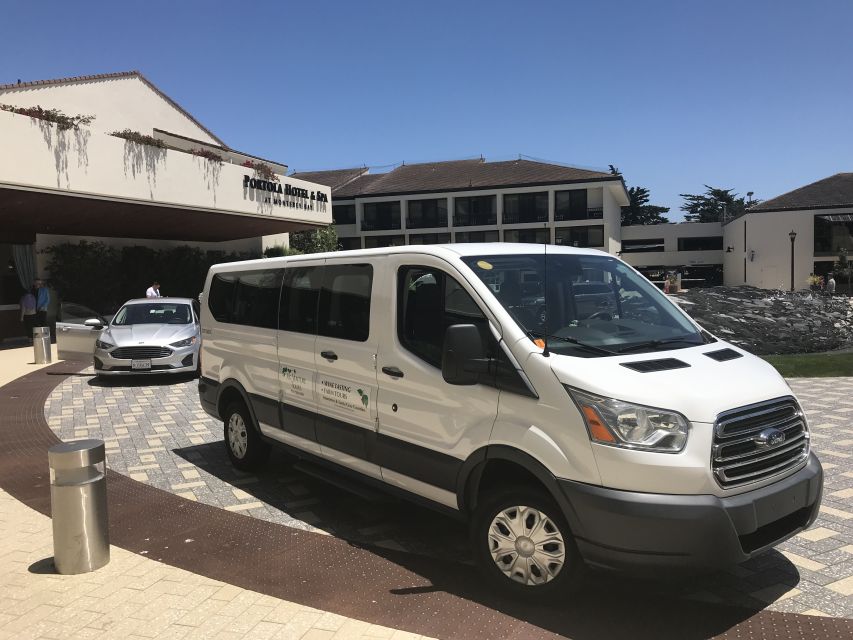
- Hotel pickup right on the Monterey Peninsula in a large white van, so you can skip driving and parking stress
- Vineyard walk (weather permitting) with an educational guide and an easy way to read the landscape from ground level
- Structured tasting flights: about 4–5 wines per stop, typically including Chardonnay, Pinot Noir, and red blends
- Small group capped at 12 people for a more conversational vibe at the tasting rooms
- Cold drinks for larger groups (groups of 4 or more), which helps when you’re tasting multiple pours
- Optional cheese tray at the final stop for an extra cost
Getting from Monterey, Carmel, and Pebble Beach without renting a car
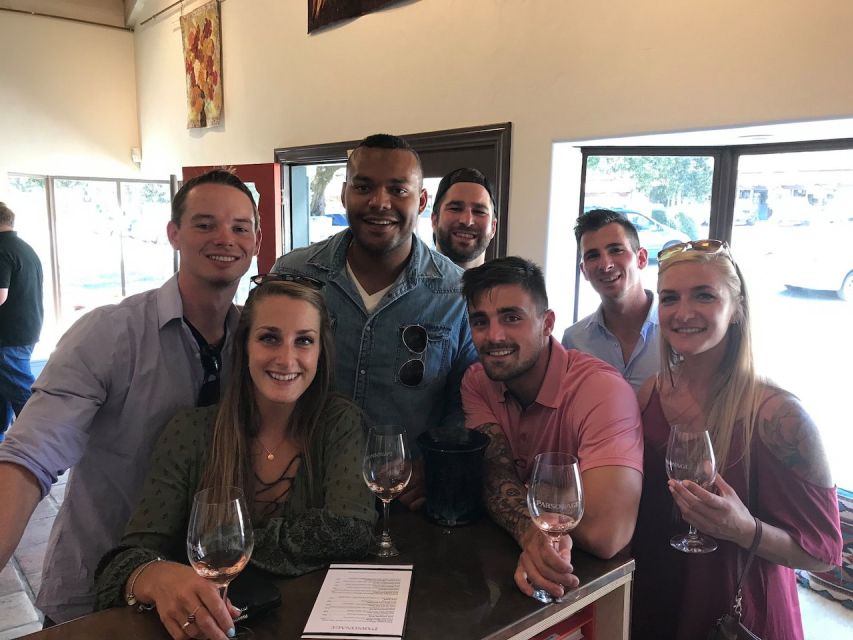
The big practical win here is the door-to-door pickup. If you’re staying in Monterey, Carmel, Pacific Grove, or Pebble Beach, you’ll get collected and returned after the tour, which makes the whole day feel less like logistics and more like wine-country time.
Pickup is for Monterey Peninsula hotels only. There’s no pickup from San Jose or San Francisco, and that matters if you’re trying to base in a bigger city and commute out. If you do have options, pick Monterey/Carmel area lodging to keep the tour running on schedule.
One small tip: plan to be ready in the lobby area about 15 minutes before your scheduled pickup. You’re looking for a large, white van with an Ag Venture Tours sign. When you’re on a tight tasting timeline, those minutes matter.
Your first stop: a vineyard walk that sets the right questions
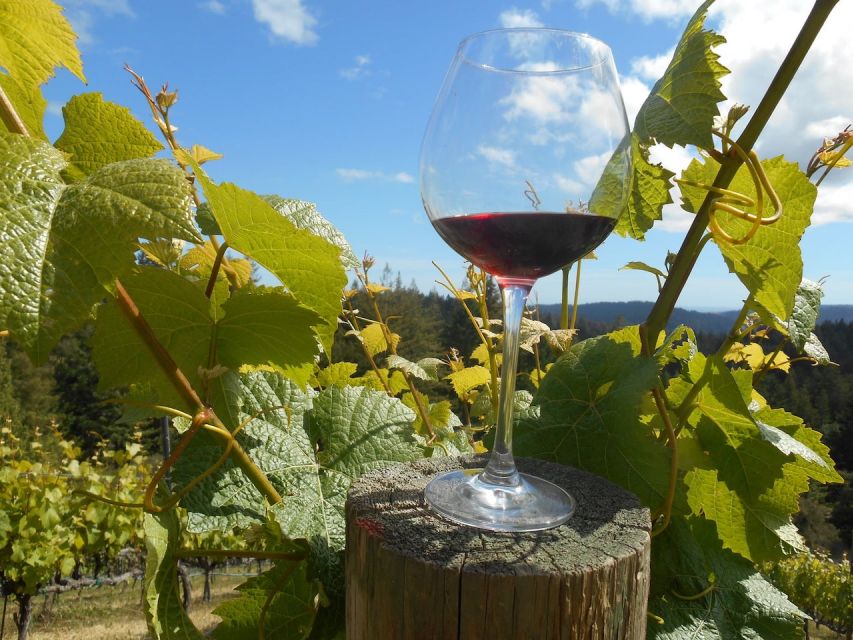
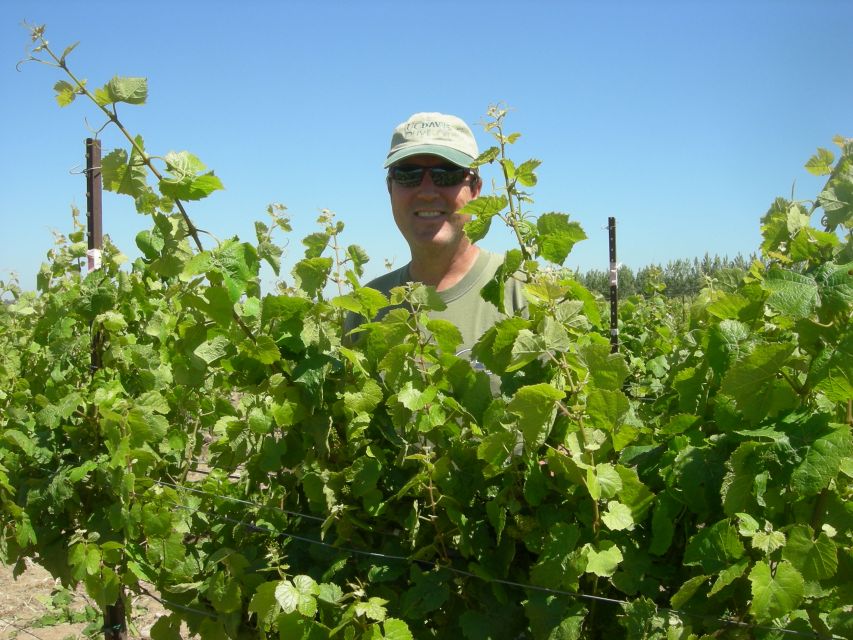
A lot of wine tours jump straight to rooms and pours. This one starts you with a guided vineyard walk (weather permitting). Even if you’re not a plant nerd, it helps you understand what you’re looking at when you’re tasting later—grape varieties, growing conditions, and the local style that shapes the wines.
This is also where a good guide earns their pay. From what’s described, the best moments here come when the guide connects local farming and Monterey County wine production, not just generic wine facts. In past tours, guides like Evan have been singled out for production-level explanations and a deep grasp of the area’s agriculture and wine history.
Real-world consideration: if weather isn’t cooperating, you still have the tasting portion, but the walk part could be skipped. If that vineyard stroll is a must for you, keep some flexibility in your day.
How the tasting rooms work: 4–5 wines per stop, not random sips
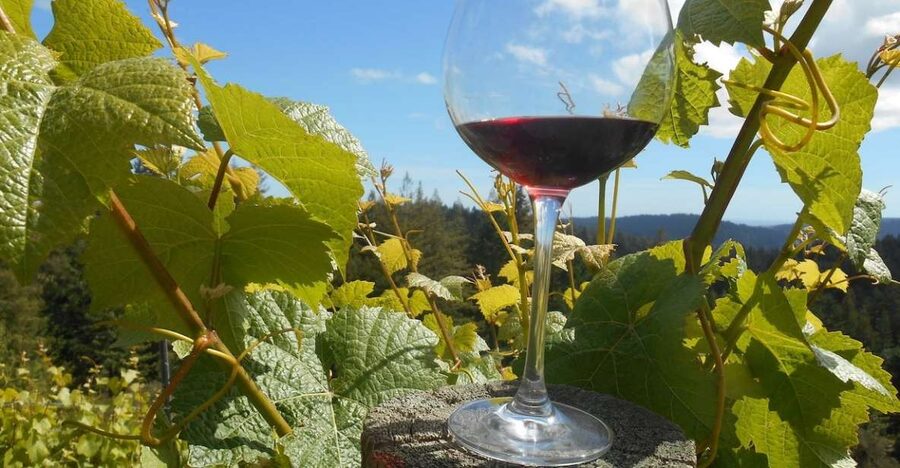
You’ll visit multiple tasting rooms, and at each one you should be tasting about 4 or 5 different wines. The lineup commonly includes Chardonnay, Pinot Noir, and red blends. That structure is important: it keeps your palate moving through a theme rather than getting stuck in just one style.
Here’s how to make the most of the tastings:
- Pace your sips. You’re trying to learn, not win a drinking contest.
- Take notes fast on one or two things you notice: fruit vs. oak, acidity vs. softness, and how the red blends change from stop to stop.
- Ask one focused question per room. If you want deeper education, don’t be shy—ask what makes this particular Chardonnay taste like this in this area.
One thing worth checking before you start: the tour description frames it as several tasting rooms, and some people have reported fewer tasting locations than they expected. You can reduce that stress by confirming the planned number of tasting stops for your day when you receive your itinerary details. Then, once you’re there, make sure each person has the correct tasting allocation before you split glasses or share pours.
The education side: Monterey wine production, explained in plain language
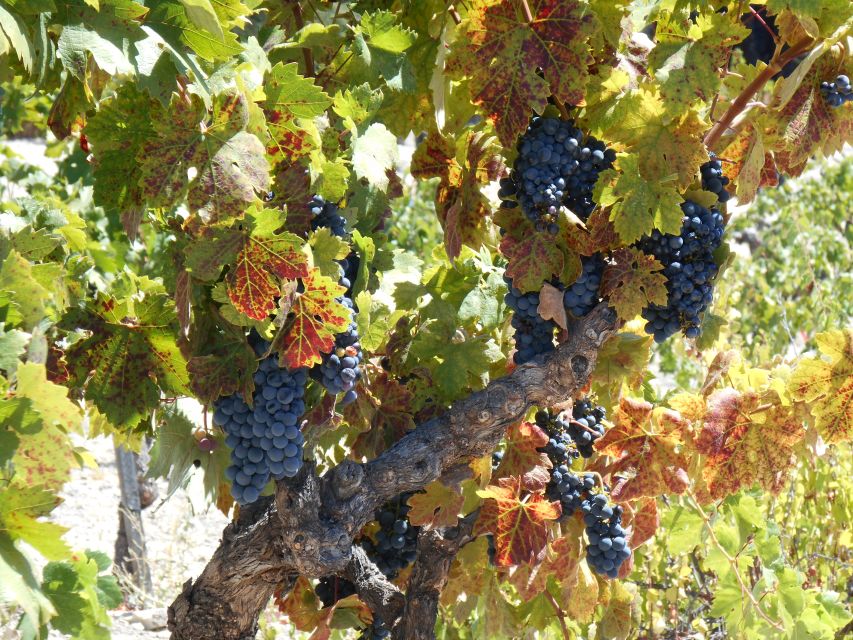
The education component is one of the reasons this tour feels worth paying for. The guide’s job isn’t just to hand you a cup. You’re meant to learn about Carmel Valley wine production and broader Monterey wine-country history and agriculture.
The difference between a good tasting tour and a forgettable one is usually how the guide explains cause-and-effect. Instead of saying this wine is nice, the better approach helps you connect:
- where the grapes come from
- how local farming choices influence flavor
- why styles like Chardonnay and Pinot Noir often show distinct regional fingerprints
If you’re the kind of traveler who likes to understand what you’re tasting, you’ll probably appreciate the way the guide links local history with the winemaking process. And if you get a guide with Evan’s reputation in the area, expect more talk about how wine is produced rather than only how it should be described.
What you’ll likely see and feel in Carmel Valley Village
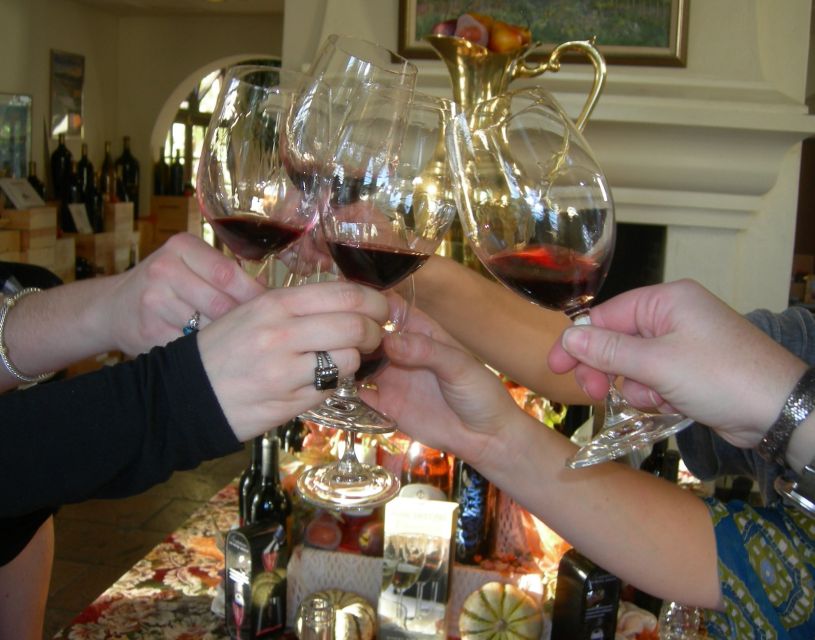
The tour heads out to Carmel Valley Village, and along the way you’ll get commentary on Monterey and its wine production background. Even though you’re not touring a single estate for hours, that drive-and-stop rhythm can be a feature, not a bug.
Why it works for many people:
- You get a broader sense of the wine country without committing to one long day in a single region.
- You can compare wine styles from different tasting rooms during the same session.
A drawback to consider: if you came expecting lots of time in one place, the “walk then drive then tasting rooms” flow may feel like it moves quickly. That’s not wrong—it’s just a different style than vineyard-only tours. If your ideal day is slow wandering with time to look around, build in extra time later in Carmel or Monterey for your own strolling.
Cost breakdown: what $206 buys you and where it can change
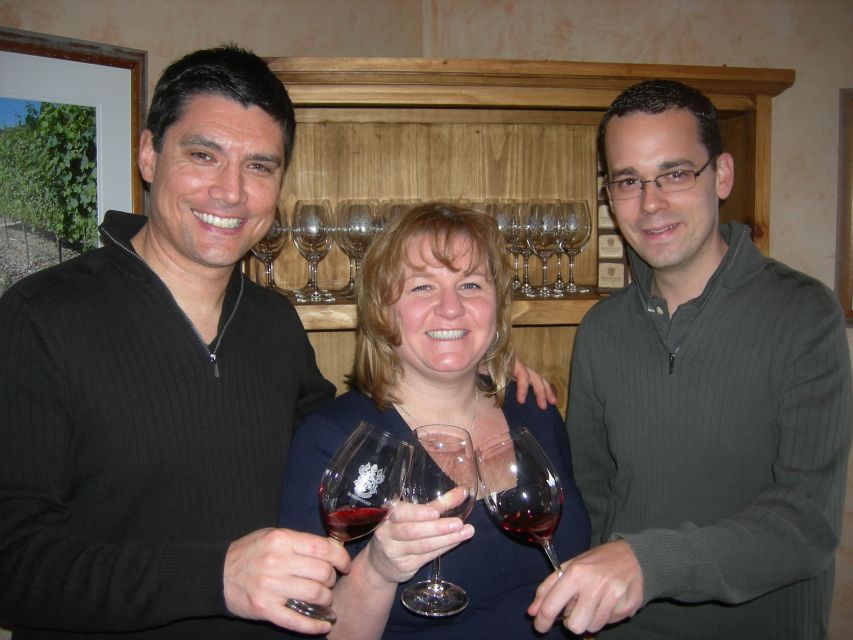
Let’s talk value, because $206 isn’t small change, and it should be matched by convenience and actual tasting time.
What’s included:
- Hotel pickup and drop-off in the Monterey Peninsula area (Monterey, Carmel, Pacific Grove, Pebble Beach)
- Wine tasting fees, with a note that reserve wines may cost extra
- A guided vineyard walk (weather permitting)
- Winery map
- Cold drinks for groups of 4 or more
What can add cost or affect totals:
- There’s a $50 fuel fee for groups of three or less payable directly to the operator on the day of your tour.
- The cheese tray at the last stop costs extra.
- Reserve wines may cost extra, depending on what you choose during tastings.
So is it worth it?
- If you’re staying on the Peninsula and you want wine-country time without driving, the pickup/drop-off can easily justify a big chunk of the price.
- If you’re the type who will only taste a couple wines and then leave, it can feel expensive. This tour is best when you plan to participate fully in the structured tasting flights.
- If you’re traveling as two people and the tour runs smoothly with full tasting allocations for both of you, you’re getting a lot of “wine education plus comparisons” in a half-day window.
Small-group size: less waiting, more conversation
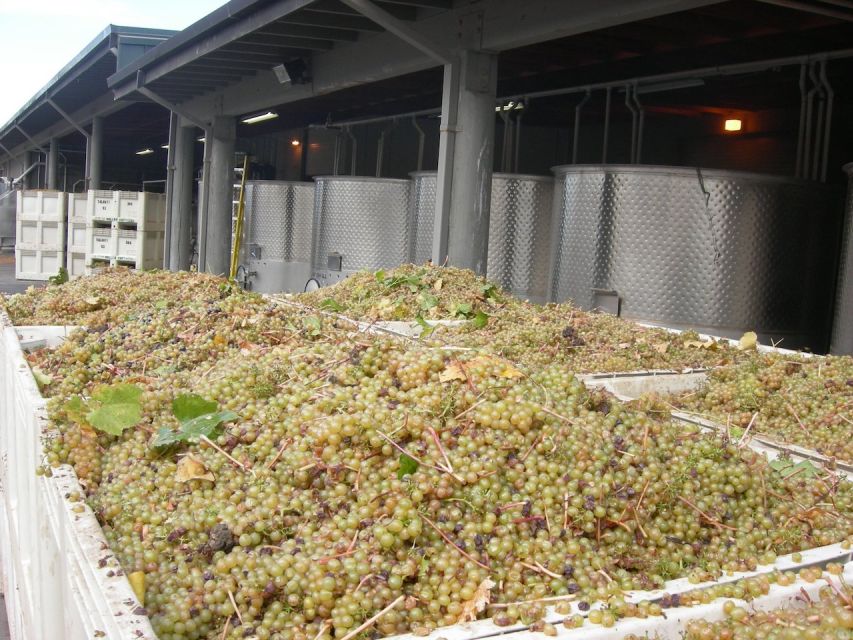
This is capped at 12 participants. That size can be the difference between standing in a loud line and having the guide actually answer your question.
In a small group, the guide can tailor explanations, keep the pace reasonable, and manage tastings without the tour feeling like a factory line. If you care about learning rather than simply sampling, that matters.
The tradeoff: small groups often mean schedules can change more easily if staffing or logistics shift. If you’re traveling in peak season or on a tight itinerary, be ready to be flexible if timing shifts slightly.
Optional cheese tray at the last stop: when it’s a good idea
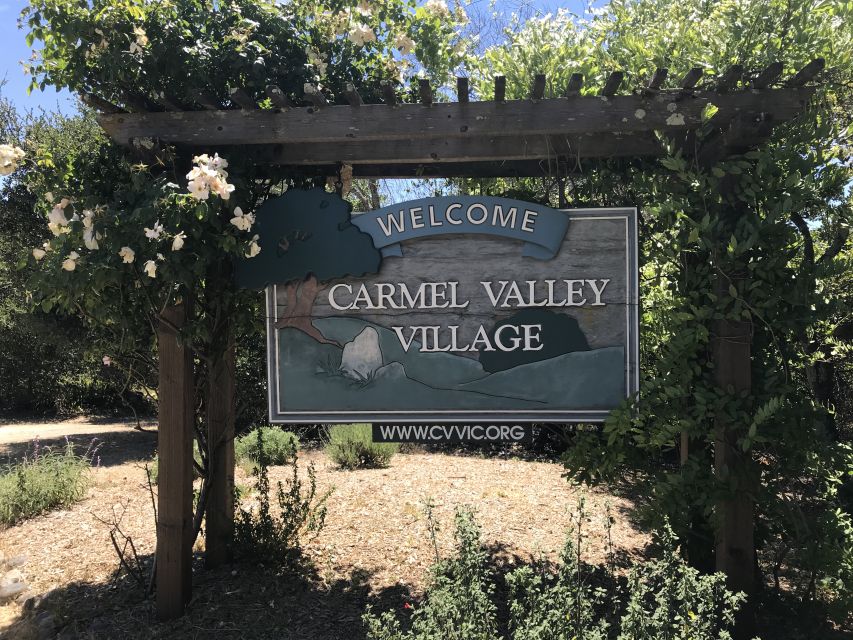
Toward the end, you can add a cheese tray at the last stop. It’s not included, but it can be a smart addition if you want something savory to balance acidity and alcohol warmth.
Here’s how to decide:
- If you get headaches easily from alcohol, go lighter on the pours and use the cheese as a palate reset.
- If you enjoy pairing food with wine, it’s a helpful final-course moment.
- If you’re already planning a heavy dinner right after, you might skip it to avoid overdoing calories and salt.
Who this tour fits best (and who should choose something else)
This tour is a good match if you:
- want door-to-door convenience around Monterey Peninsula hotels
- like structured tastings and comparing styles (Chardonnay, Pinot Noir, red blends)
- enjoy a guided vineyard walk and local context that connects wine to place
- prefer a small group so questions don’t get lost
It’s not a match if you:
- need wheelchair access (wheelchair users aren’t suitable per tour info)
- travel with unaccompanied minors
- plan to bring alcohol in the vehicle or want to smoke during the tour (not allowed)
- can’t meet the driver’s license requirement listed for tour suitability
Also, the minimum guest requirement can affect solo plans. If the tour requires at least two guests to run and you’re the only guest, there’s a real chance it won’t run and you’ll get a refund. If you’re traveling solo, check availability before committing.
Practical checklist so your day goes smoothly
- Bring a passport or ID card (required)
- Don’t bring weapons or sharp objects
- Leave mobility scooters and electric wheelchairs at home
- Plan to follow the no-smoking and no-alcohol-in-vehicle rules
- If you’re in a group of three or less, expect the $50 fuel fee
- Decide in advance whether you want the cheese tray add-on so there are no surprises at the end
One more smart move: if education is your priority, come ready with a couple specific questions. The tour works best when you interact, not when you just wait for the guide to fill time.
Should you book the Carmel Valley Wine Tasting Tour?
Book it if you want a half-day style wine-country experience that’s built around convenience, structured tastings (about 4–5 wines per stop), and a local guide who can connect the dots between Monterey and what’s in your glass. It’s especially worth it if you’re staying in Monterey/Carmel/Pacific Grove/Pebble Beach and you don’t want to drive.
Skip it or look at alternatives if you need wheelchair access, want a very slow single-estate experience, or you’re sensitive to tours that include driving between multiple tasting rooms. Also, if you’re a careful planner, confirm the number of tasting stops on your day and double-check that each person receives the tasting allocation correctly before you start splitting pours.
If you match the vibe, you’ll leave with more than samples—you’ll leave with a clearer sense of how Carmel Valley and Monterey County shape the wines you tasted.
FAQ
Where does hotel pickup and drop-off happen?
Pickup and drop-off are included only for Monterey Peninsula hotels: Monterey, Carmel, Pacific Grove, or Pebble Beach. There are no pickups in San Jose or San Francisco.
How long is the Carmel Valley Wine Tasting Tour?
The tour runs about 3 to 4 hours.
How many wines do you sample?
At each tasting room, you can sample about 4 or 5 different wines. Chardonnay, Pinot Noir, and red blends are specifically mentioned.
Is the vineyard walk included?
Yes, a guided vineyard walk is included as long as weather permits.
What extra costs should I plan for?
A cheese tray at the last stop costs extra. Also, reserve wines may cost extra. If there are 3 or fewer passengers, there’s a $50 fuel fee payable directly on the day of the tour.
Are cold drinks included for everyone?
Cold drinks are included for groups of 4 or more. For groups of 3 or less, cold drinks are not included.
What identification do I need?
You’ll need a passport or ID card.
Is there an age limit?
Yes. The tour is not suitable for people under 21 years.
Is cancellation free?
Yes, you can cancel up to 7 days in advance for a full refund.