REVIEW · LISBON
Food Tour: Portuguese wine & Tapas with Ginjinha Tasting
Book on GetYourGuide →Operated by Discover Lisbon · Bookable on GetYourGuide
Lisbon tapas make sense fast when you eat them petisco-style with local wine. I like how the tour turns Portuguese food into something you can actually read and order later, with 3 traditional dishes plus ginjinha included. One thing to consider: the experience is appetizer-sized, so you may need a real meal after if you’re extra hungry.
If you end up with guides like Ricardo or Muhammed, the vibe tends to be friendly and story-heavy, with practical tips from the waitstaff on what to try next in the area. You also get a laid-back evening pacing between restaurant stops, not a marathon of walking. The main drawback is that the portions are small by design, so the tour is more about variety and learning than getting full.
In This Review
- Quick take: what makes this food tour worth your time
- Meet your guide in Praça Luís de Camões (and keep it low-stress)
- Petiscos are the whole idea: small plates, shared culture
- Stop pacing in Lisbon: two 30-minute tastings and a longer finale
- Portuguese wine and tapas: tasting like a local, not like a checklist
- Ginjinha time: the sour cherry liquor tasting moment
- What you’ll eat (and why you might not be full)
- Real local tips from guides and waitstaff
- Walking and mobility: easy evening, but not for everyone
- Value check: does $40 buy real Lisbon flavor?
- Vegetarian options and food restrictions: plan ahead
- Should you book Portuguese wine and tapas with ginjinha?
- FAQ
- Where does the tour start?
- How long is the tour?
- What’s included in the price?
- Are vegetarian options available?
- What language is the tour guide?
- Is the tour suitable for mobility impairments?
Quick take: what makes this food tour worth your time
- Petiscos explained and tasted: small shared plates you can copy at your own pace later
- Ginjinha included: the famous sour cherry liquor adds a truly Lisbon flavor moment
- Wine at multiple stops: you taste alongside food so you learn pairings, not just sip
- Three food stops with set tasting windows: two 30-minute rounds, plus a longer final stop
- Local guide energy: guides like Ricardo and Muhammed have been praised for stories and keeping things comfortable
Meet your guide in Praça Luís de Camões (and keep it low-stress)
Your evening starts right in the center of Praça Luís de Camões at the statue area. Look for your team wearing yellow—yellow t-shirt, and you may also spot yellow umbrellas or hoodies depending on the group. It’s a smart meeting spot because you’re anchored in a recognizable public square, not wandering from side street to side street trying to guess who’s running the tour.
For this kind of food outing, I recommend traveling light. No luggage or large bags is the rule, so come with a small day bag or crossbody you can hold comfortably in restaurants. The tour is designed around short in-and-out tasting moments, so you’ll feel better if your hands are free.
Also note the basics: the guide speaks English and Spanish. If that language match matters to you for food explanations and ordering tips, you’ll be in the right place.
You can also read our reviews of more food & drink experiences in Lisbon


Petiscos are the whole idea: small plates, shared culture
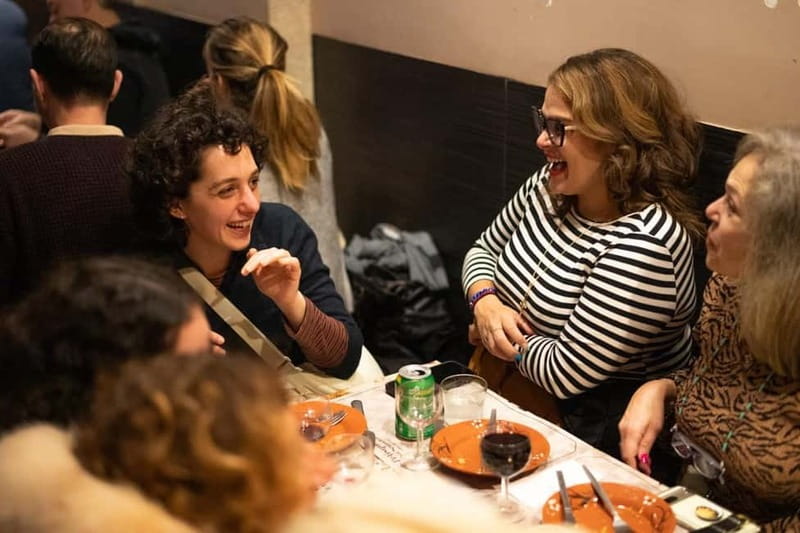
This tour’s core concept is that Portuguese eating is often about petiscos—small dishes made for sharing. You’ll hear the meaning right away, but the better learning happens when you taste. Each stop is built around that idea, so you’re not stuck ordering a full meal you might not finish.
Why that matters for you: tapas-style eating is easiest when you practice it in a guided setting. You’ll see how people share, how they keep conversations going while plates move around, and how food works as a social activity rather than a single-course event. That’s the kind of lesson that sticks, especially if you’ve never done Lisbon’s small-plate tradition before.
And because you’re sampling multiple items across the night, you get a practical snapshot of Portuguese flavors without needing to become a food scholar. You’ll come away with a short list of what you liked and what to hunt for again later.
Stop pacing in Lisbon: two 30-minute tastings and a longer finale
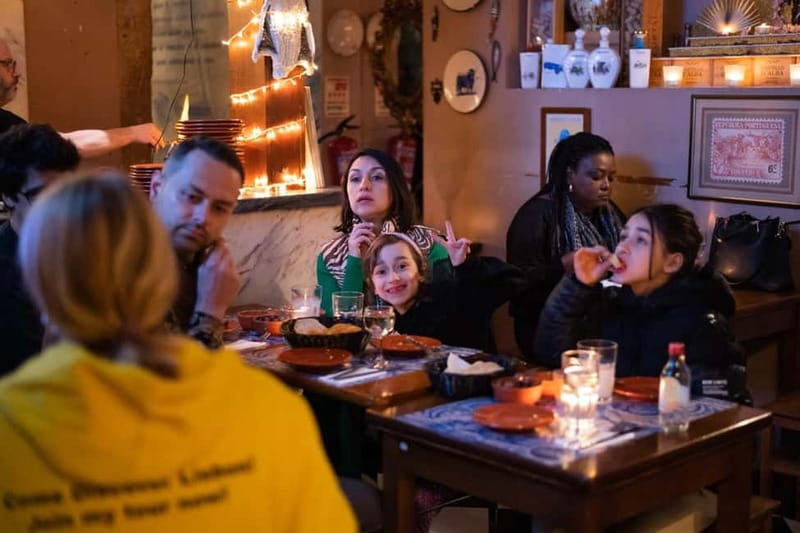
The evening is structured around three restaurant stops. You’ll have two tasting rounds that run about 30 minutes each, and then a third stop where the tasting window stretches to about 45 minutes. That timing affects the feel of the tour. It’s not rush-rush; it’s enough time to taste, listen, and ask questions without turning into a long sit-down dinner.
At each stop, expect a mix of food plus Portuguese wine (or, if you’d rather not drink wine, bottle of water is included). The guide is there to explain what you’re eating and why it fits Portuguese culture—plus you’ll get tips from waitstaff in that moment about what else is worth trying in the area.
One practical note: this format works best when you stay engaged. If you show up hungry and pay attention, you’ll get more from the explanations and you’ll remember what you tasted. If you’re tired or zoning out, it’s still fun, but you’ll miss some of the context that makes the tasting meaningful.
Portuguese wine and tapas: tasting like a local, not like a checklist
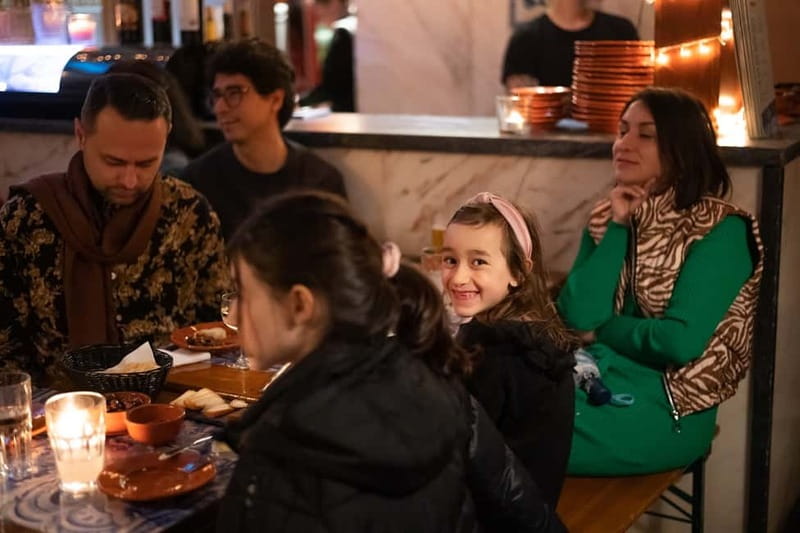
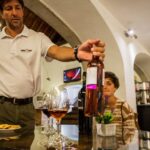
Portugal’s wine scene can feel confusing at first if you’ve only tried the most famous bottles. Here, the tour helps you understand taste through pairing. You’ll have wine tasting paired with the food at the restaurant stops, so you’re learning how flavors interact rather than tasting wine in isolation.
This matters because Portuguese tapas culture is built around casual variety. People don’t always treat it like a formal progression. Instead, the night unfolds through conversation and repeat ordering, with drinks keeping the table moving.
Another plus: the guide doesn’t just talk; they share stories and tie food to Portuguese culture. That’s what turns a tasting into more than a bite-count. And if you enjoy food history in a human scale—like how local habits formed over time—this tour gives you that background without drowning you in facts.
Ginjinha time: the sour cherry liquor tasting moment
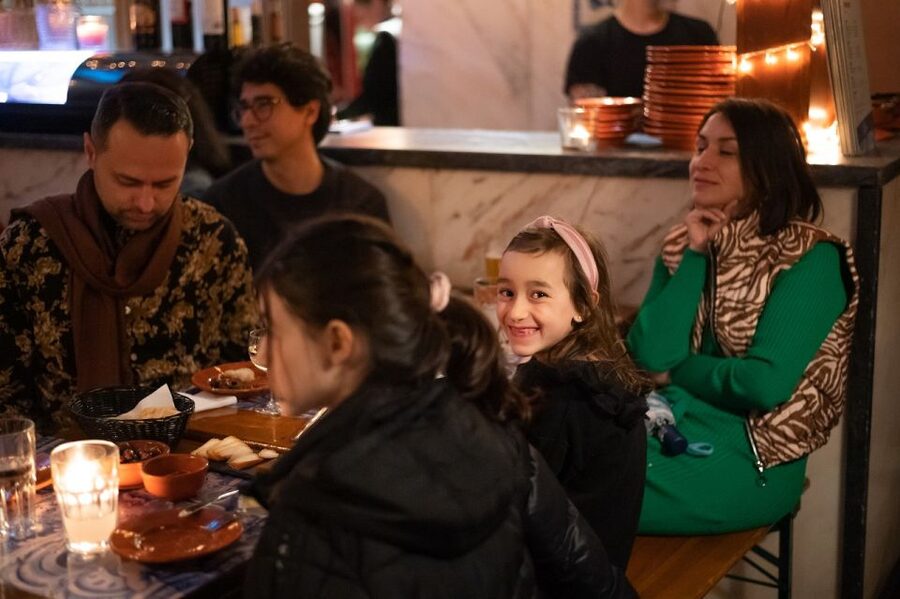
The standout included flavor is ginjinha, Portugal’s famous sour cherry liquor. You’ll get a tasting as part of the tour, so you don’t need to go hunting for it or worry about whether you’re ordering the right thing.
What to expect from ginjinha tastings: it’s usually served in small amounts, and it tends to taste both sweet and sharp. It’s a great choice late in the evening because it feels like a signature “Lisbon thing” rather than just another alcoholic drink.
For first-timers, I’d treat it like a fun experiment. Take a small sip, notice the cherry character, and then let the rest of the evening settle around that flavor. If you don’t care for it, you haven’t wasted a full drink—you’re still tasting your way through the food stops.
A few more Lisbon tours and experiences worth a look





What you’ll eat (and why you might not be full)
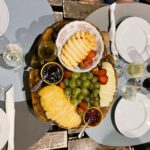
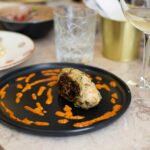
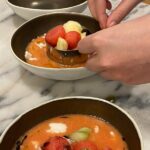
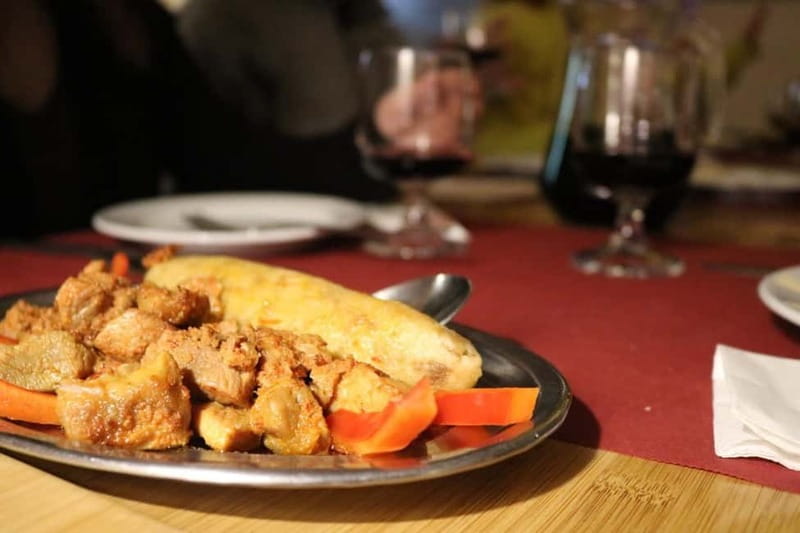
This isn’t a heavy dinner. You’ll be offered 3 typical local dishes (petiscos) across the three stops. The intention is variety and sharing, not stuffing your stomach. One very common reality with this style of tour is that portions are small.
That means you should plan your expectations. If you’re coming from a late lunch or you skipped dinner, you might find that the tour leaves you wanting more food afterward. If you want to be comfortably satisfied, I’d plan a proper meal after the tour, or at least be ready to grab a bite on your own once you’re done.
On the upside, small plates are easier to enjoy because you can taste more range in one night. You’ll get a better sense of the Portuguese flavor spectrum than you would from one big dish alone. And sharing keeps the table lively—this kind of pacing is ideal if you want an evening experience, not just a food stop.
Real local tips from guides and waitstaff
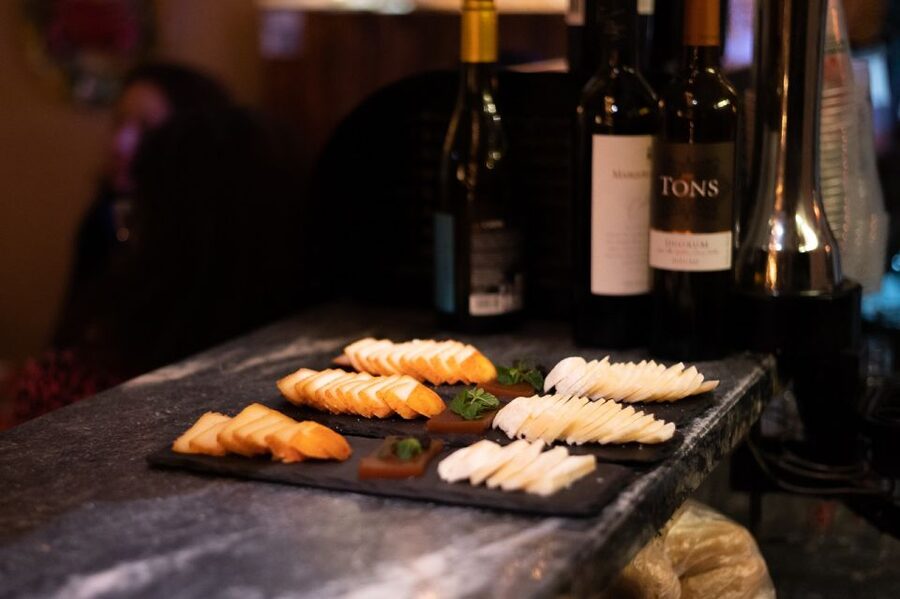
One reason these types of Lisbon food tours work is that the guide acts like a translator between what you want and what the menu offers. You’ll hear stories about the food and Portuguese culture, and you’ll also get local suggestions from waitstaff on where to go next to try tapas in the area.
This is especially useful if you’re staying in Lisbon for more than a day. After the tour, you’ll have a clearer idea of what to order and what kind of place suits your taste. You won’t just remember names—you’ll remember flavors and the logic of why Portuguese meals are built around small dishes.
And if you’re lucky enough to have a guide like Ricardo, the energy tends to be warm, with people feeling at ease while still learning a lot. In a similar way, Muhammed has been praised for story-driven guiding that keeps the mood light while you eat.
Walking and mobility: easy evening, but not for everyone
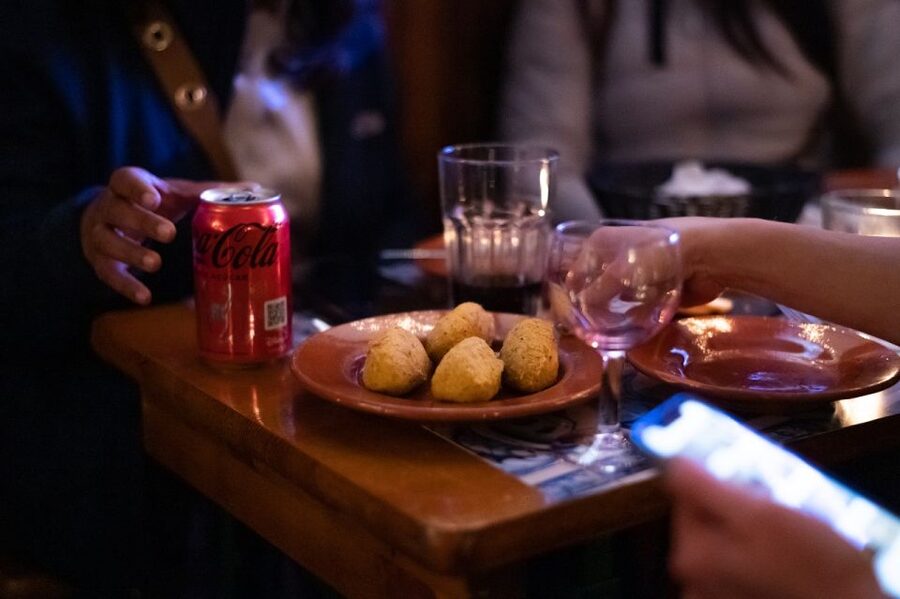
The tour is designed as a relaxed evening. While you will move between stops, it’s not meant to turn into a long city hike. One theme from feedback you’ll hear with this kind of format: it’s usually easy enough to enjoy without feeling like you’re sprinting between restaurants.
Still, it’s not suitable for people with mobility impairments. That’s important. Even if the walking is limited, restaurant entrances, stairs, and tight spaces can make the tour tough. If mobility is a concern, it’s worth choosing a different food experience with better accessibility before you book.
Value check: does $40 buy real Lisbon flavor?
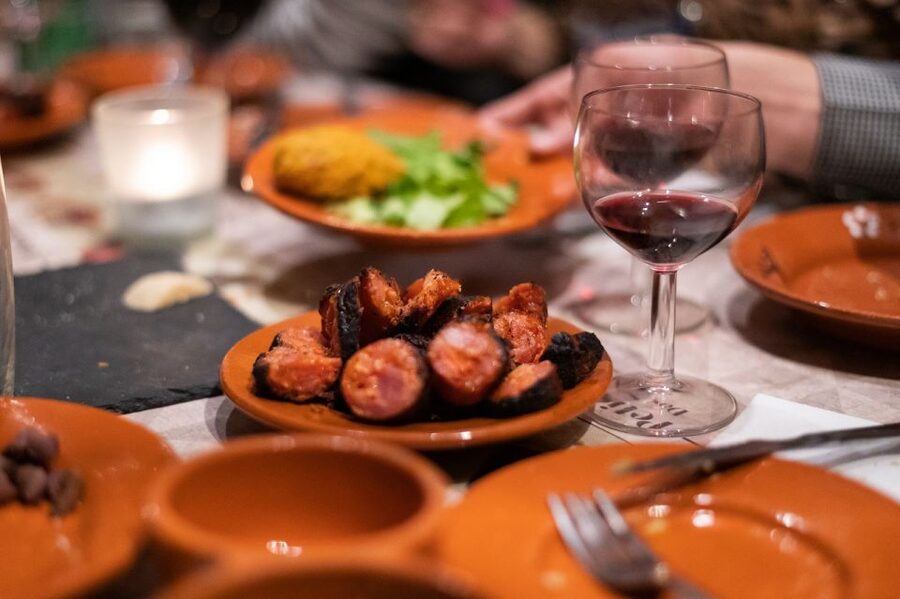
At $40 per person for about 2.5 hours, this tour is priced like an experience, not like a cheap snack crawl. The value comes from what’s included, not just the guiding.
Here’s what you’re getting as part of the package:
- Tour guide
- 3 traditional petiscos (food tastings)
- Ginjinha tasting
- Portuguese wine or a bottle of water
- Food-and-culture stories plus local tips
The big value point is that you’re not paying separately for three tastings, wine, and ginjinha. If you tried to recreate it on your own, you’d likely spend similar money once you factor in multiple restaurant stops and drinks. And you’d miss the shortcut: a guide and tastings that teach you what to order and how Portuguese tapas culture works.
Where you might feel less satisfied is the portion side. If you need a full dinner to feel happy, appetizer-sized tastings can leave a gap. But if you want an enjoyable, social way to sample Portuguese wine and tapas, it’s a solid deal for what’s covered.
Vegetarian options and food restrictions: plan ahead
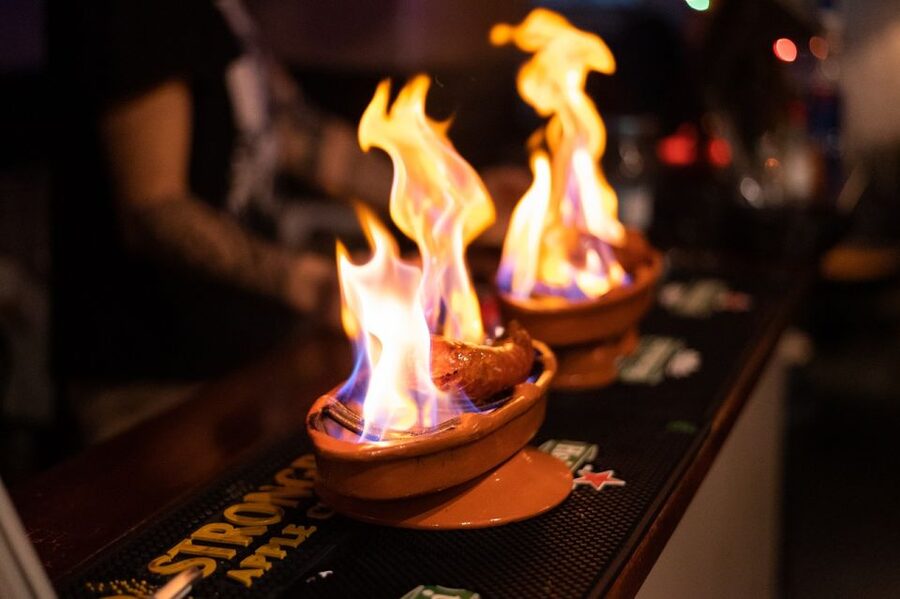
Vegetarian options aren’t automatic, but they are possible. Vegetarian options are to be conveyed upon request before 24 hours of the tour. If you have any food restrictions, tell the organizer ahead of time so they can try to accommodate you.
This is one of those moments where communication saves your evening. Petiscos can vary by dish, so letting them know your needs early improves the chance that you’ll get choices that work for you—not just a token alternative.
Also, if you have strong restrictions (allergies or severe intolerance), I’d treat early messaging as non-negotiable. You’ll enjoy the tasting more when you’re confident you’re eating something that fits your needs.
Should you book Portuguese wine and tapas with ginjinha?
Book it if you want a guided Lisbon food night built around petiscos, you like the idea of tasting Portuguese wine alongside small dishes, and you’re curious about ginjinha without having to do the planning yourself. This tour is also a great fit if you enjoy learning cultural context while you eat, and if you want staff tips that make your next restaurant visit easier.
Skip it (or plan extra food) if you’re the type who needs a full stomach from the start. The tour is designed for tasting, not a heavy meal, so add a real dinner plan after you finish.
If you’re traveling with friends or even solo, the shared-plate format helps the social side click naturally. And with guides like Ricardo and Muhammed having a track record of keeping things fun and story-rich, the evening usually stays relaxed and friendly.
FAQ
Where does the tour start?
It meets in the middle of Praça Luís de Camões (Praça Luís de Camões), near the statue. Your guide wears a yellow t-shirt, and you may also spot yellow umbrellas or hoodies.
How long is the tour?
The total duration is about 2.5 hours.
What’s included in the price?
The tour includes a guide, 3 traditional Portuguese petiscos, a ginjinha tasting, and Portuguese wine or a bottle of water.
Are vegetarian options available?
Vegetarian options can be arranged if you request them before 24 hours of the tour.
What language is the tour guide?
The tour guide offers live commentary in English and Spanish.
Is the tour suitable for mobility impairments?
No, this activity is not suitable for people with mobility impairments.