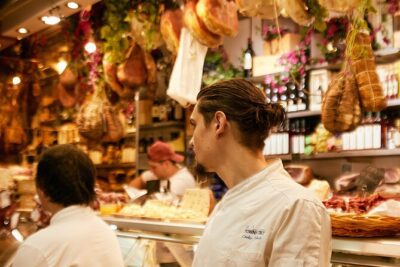
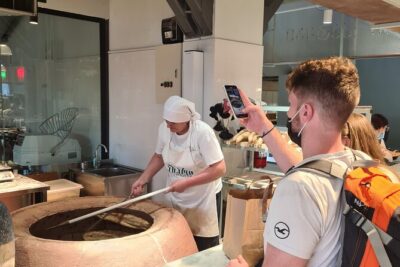
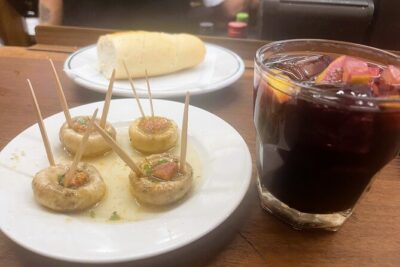
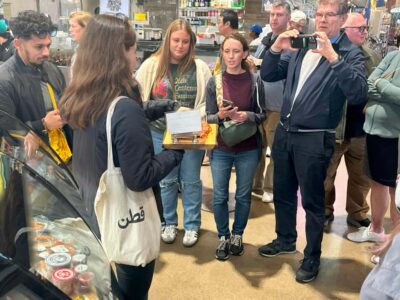
Food plus real Korea stories in two hours. You get to walk through Gwangjang Market with a friendly English guide, taste a stack of classic foods, and hear the kind of context you usually only get from someone living it—Seoul sights, how people think about the peninsula split, and what military life looks like from reserve perspective. I especially like that the food choices are explained as you go, and I like the practical way the tour links what you eat to what you’re seeing around you.
The main thing to plan for is big portions. If you want to try everything, go in with an empty stomach. If you arrive full, you might end up skipping bites or leaving food behind.
In This Review
- Key highlights at a glance
- Why Gwangjang Market hits harder with this kind of tour
- Meeting up at Jongno 5-ga and how the 2-hour loop feels
- The food lineup: what you’ll actually eat (and why it works)
- What stories you’ll hear in Seoul, beyond the photos
- Inside the market: pacing, choices, and what to pay attention to
- Price and value: is $100 worth it for 2 hours?
- Who this tour suits best (and who should think twice)
- Practical tips so you enjoy every bite
- Should you book Hidden Stories & Flavors at Gwangjang Market?
- FAQ
- How long is the Traditional Market Food Tour?
- How much does the tour cost?
- Where do I meet the guide?
- What market does the tour focus on?
- What food items are included?
- Is water included?
- Is the tour guided in English?
- How many people are in the group?
- Is this a historical tour?
Key highlights at a glance
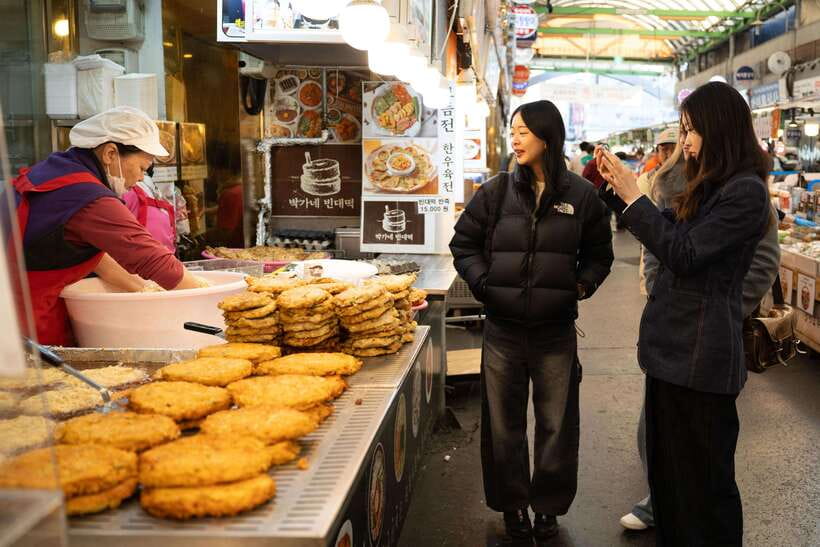
- Gwangjang Market tastings: dumpling, meatball, Korean hotdog, rice roll, spicy rice cake, fish cake, sweet Korean pancake, fish-shaped bun, plus water
- English-speaking guide who explains dishes and gives real perspective on Seoul and Korea’s division
- Small group capped at 10 people, so questions stay easy (not drowned out)
- Modern-life focus, not a pure history lecture, with stories tied to what’s on your plate
- Flexible menu depending on circumstances, so expect small substitutions
Why Gwangjang Market hits harder with this kind of tour
Gwangjang Market is one of those places where you can absolutely eat on your own. But this tour adds something you can’t easily fake: a guide who can translate the food into everyday meaning.
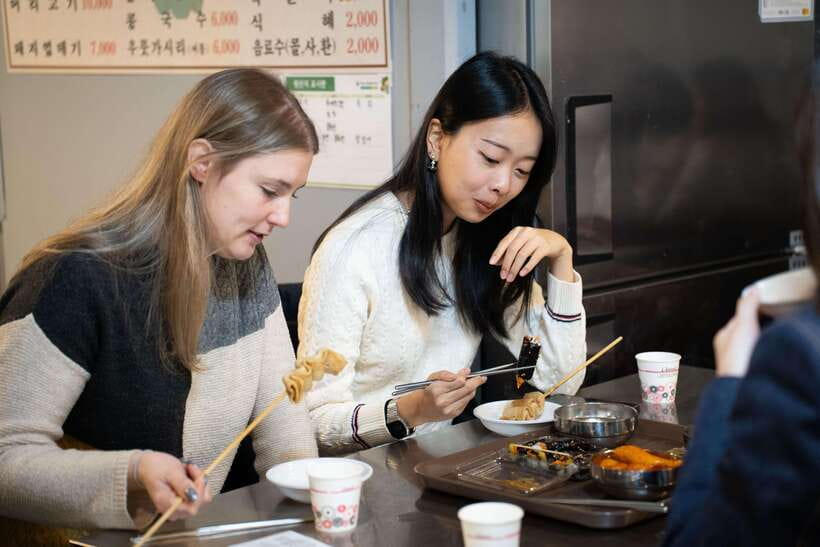
You’ll be trying multiple street-food favorites rather than just one or two “samples.” That matters because Korean markets often work like a food map. One stand might be about chew and texture. Another might be about sweet heat. Another might be about savory comfort. When someone explains what you’re tasting and why it matters, you’ll notice more than just salt and spice.
And the story side is not generic. The tour is built around Seoul sights and the realities of the Korean peninsula’s division. The guide’s perspective includes time and understanding from reserve forces experience, which makes the discussion more grounded and less political-theater. If you’ve ever felt confused by how Korea talks about the North-South situation, this format helps it click.
Meeting up at Jongno 5-ga and how the 2-hour loop feels
You’ll meet at Jongno 5 ga station exit 8. From there, the tour stays centered on the market experience, with a total duration of 2 hours.
That timing is a big deal. Two hours is long enough to walk, eat, and ask questions without rushing every bite. It’s also short enough that you can still fit other plans into your day—palaces, museums, or just wandering nearby streets on your own afterward.
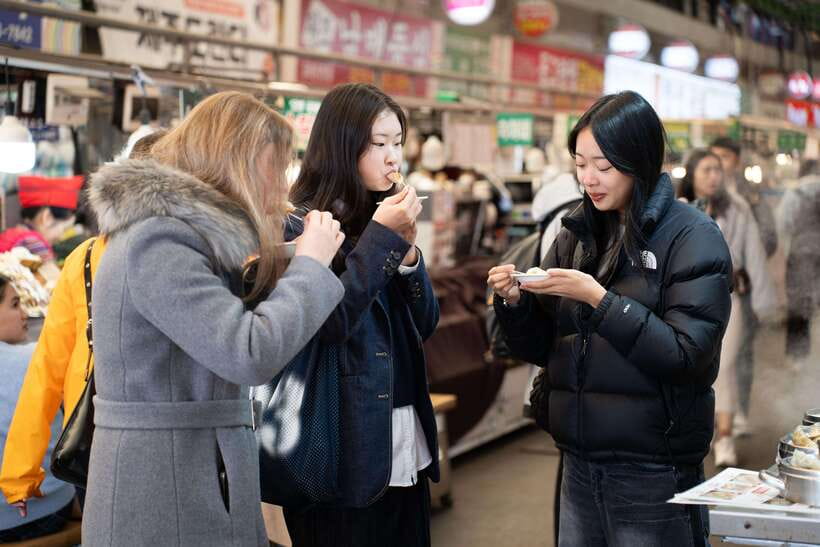
Because it’s a small group (up to 10), you won’t be stuck watching someone else’s back the whole time. You’ll be able to keep up, stop for questions, and adjust your pace if you need a breather between tastings.
The food lineup: what you’ll actually eat (and why it works)
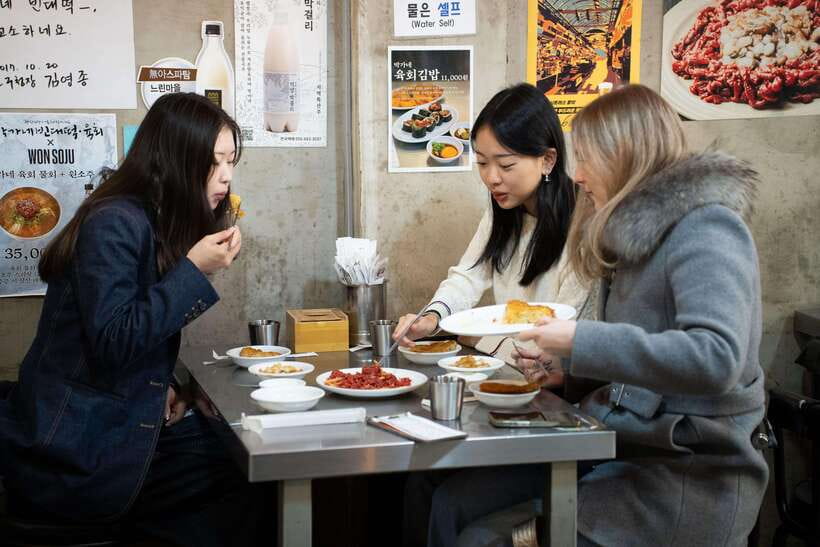
This tour is all about specific included items. You’ll get samples of:
- Dumpling
- Meatball
- Korean hotdog
- Rice roll
- Spicy rice cake
- Fish cake
- Sweet Korean pancake
- Fish-shaped bun
- Water
That list is more than a checklist. It’s a smart mix of flavors and textures, and it helps you build a quick mental “profile” of Korean market food.
Here’s how the mix typically plays in real life:
1) Dumplings + meatball
These usually hit that comfort-savor note: chewy wrappers, savory fillings, and sauces that feel familiar even if you’ve never eaten the dish before. They’re often a good baseline to understand how Korean seasoning works in street food.
2) Korean hotdog
This adds crunch and sweetness through batter and sauces. It’s the kind of snack that’s easy to eat while walking, and it gives your taste buds a break between heavier savory items.
3) Rice roll + spicy rice cake
These tend to be about texture and heat. You’ll learn how spice can be more than just burning—it can be tangy, sweet, and sauce-driven. If you’re spice-sensitive, it’s worth paying attention early so you can decide how fast you want to eat the spicier items.
4) Fish cake + sweet pancake
Fish cake brings a distinct ocean-ish savory flavor with a soft, springy bite. Sweet Korean pancake flips the mood. It gives you something dessert-like without needing a separate stop, which helps your stomach handle the whole meal.
5) Fish-shaped bun
This is the “snack-with-personality” item. It’s fun, portable, and usually works as a finish. It also makes the tour feel more like a lived market experience than a set menu.
You’ll also get water, which sounds basic, but it’s the difference between enjoying the heat and getting stuck fighting thirst.
What stories you’ll hear in Seoul, beyond the photos
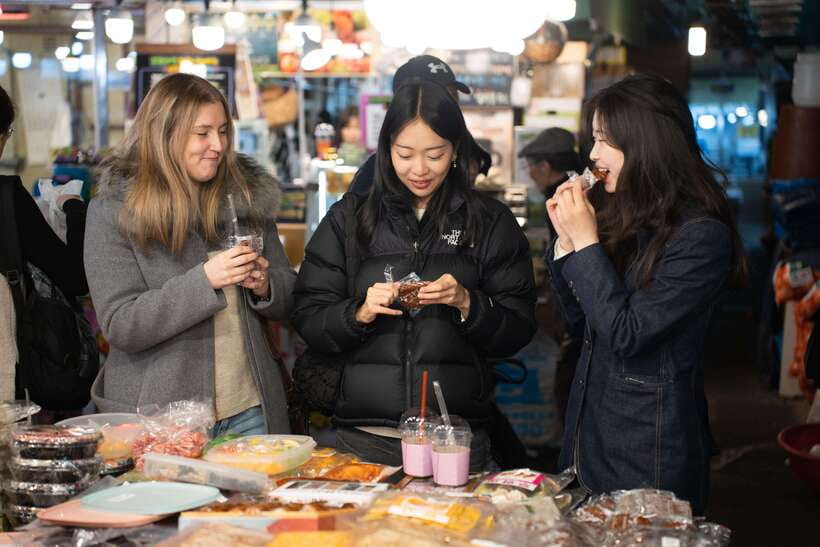
This isn’t sold as a historical tour. The focus is what you can understand right now through food, daily life, and candid local perspective.
Still, the guide does bring in stories about Seoul sights and the realities of the Korean peninsula’s division. That combination matters. If you only tour landmarks, you get surface beauty. If you only eat without context, you miss why people feel the way they do about the world around them.
From what the tour frames as the guide’s own reserve forces perspective, you can expect discussion that stays practical. It’s less about memorizing facts and more about how people think, prepare, and live with uncertainty. That’s the kind of angle that turns an abstract news topic into something more human.
One more thing: guides like Taeseong (name seen in past bookings) are praised for explaining dishes and history in a way that actually connects to what you’re holding in your hands. That is the key to making the story portion land well.
Inside the market: pacing, choices, and what to pay attention to
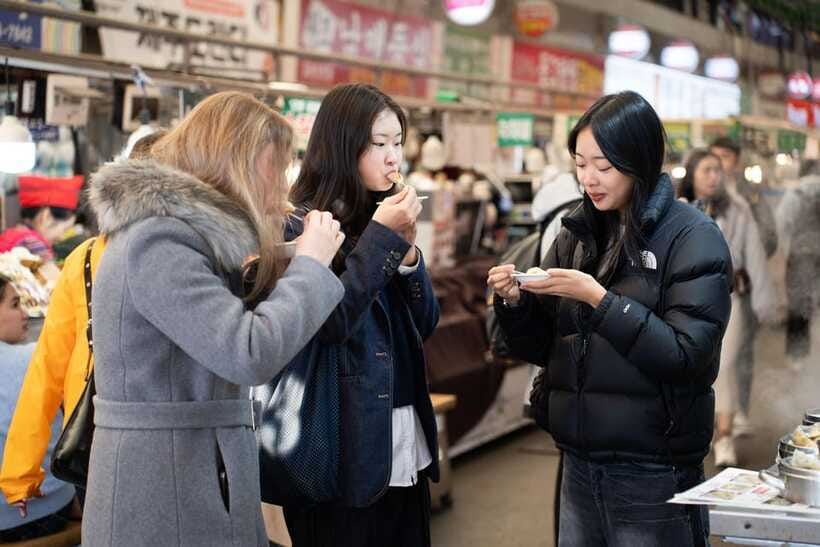
Even though the tour stays within the market area, it still functions like a route. You’ll move between counters for the included items and keep tasting as you go.
Here’s what you should watch for during the walk so you get the most out of it:
Ask before you order the next item.
If you like a dish, ask what makes it different from the same dish elsewhere. That turns one bite into real learning.
Pay attention to sauce patterns.
Market foods often share a sauce family, but the balance changes. If you notice sweetness, tang, or heat shifting from item to item, you’ll feel like you’re reading the menu like a local.
Go slow on the spicy rice cake.
It’s included for a reason: it’s iconic and teachable. But it can knock you out of rhythm if you eat it too fast. Take it when you’re ready for heat, not when you’re already full.
Keep your appetite flexible.
You may not be able to eat every item at maximum pace and feel great afterward. That’s normal. This tour gives plenty of food; you choose how you pace your own stomach.
And remember: the menu can change based on circumstances. That means the list you’re given is the plan, but substitutions can happen. If you’re allergic or have a strong dislike, you should be upfront with your guide so the group can still enjoy the experience without stress.
Price and value: is $100 worth it for 2 hours?
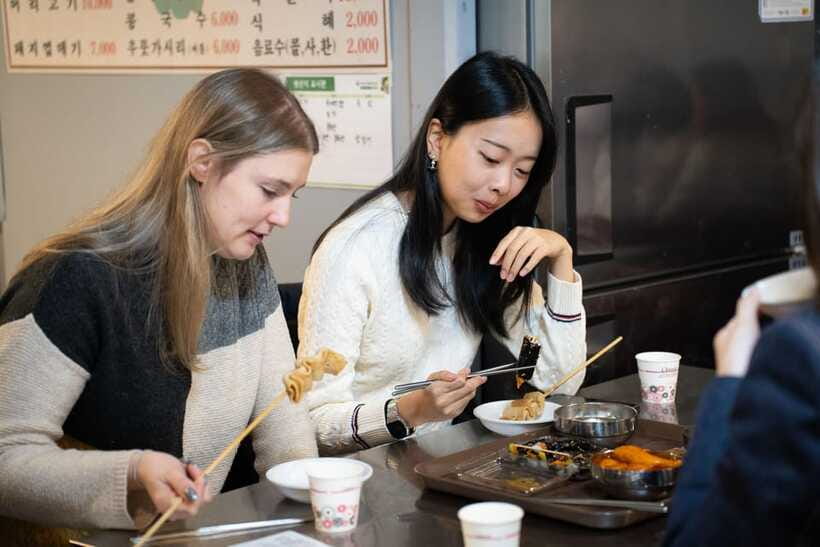
At $100 per person for 2 hours, this isn’t a bargain snack crawl. But it also isn’t paying for just one taste.
You’re paying for three things that are hard to assemble alone:
- A guided route inside Gwangjang Market focused on the right variety
- Explanations in English so the food connects to meaning
- A small group setup so you can actually talk, not just follow
Also, the included portion size is a real consideration. You’re not just getting two bites and a photo stop. You’re getting multiple full street-food items plus water. If you come hungry and treat it like a light meal, the value starts to make sense fast.
If you prefer to keep your spending minimal and you don’t care about explanations, you might not need a guided tour. But if you want your food time to teach you how to read Korea while you’re in it, this price is easier to justify.
Who this tour suits best (and who should think twice)
This experience is best for you if:
- You want a Seoul market food tour that teaches as you eat
- You like conversations and context, especially around Korea’s modern realities
- You enjoy food variety (dumplings, fish cake, pancakes, spicy rice cake, and more)
- You’d rather do a focused route than guess your way through a crowded market
You might think twice if:
- You’re allergic to street food ingredients and you’re not comfortable checking substitutions
- You only want pure sightseeing or “old history” facts, because the tour explicitly isn’t framed as a historical tour
- You dislike food-heavy tours or you’re not willing to slow down and pace your eating
Practical tips so you enjoy every bite
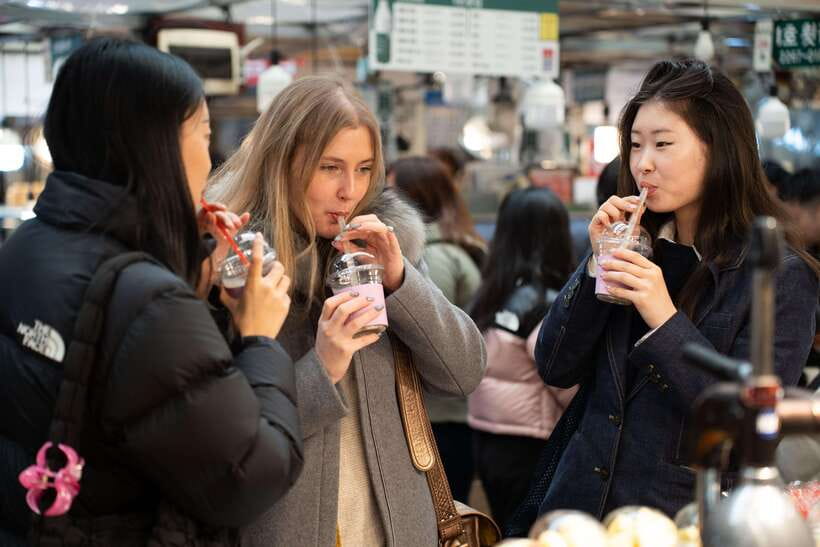
Here are a few simple ways to make the tour work for you:
- Eat lightly before. If you arrive having already had a full meal, the “try everything” plan won’t feel fun.
- Bring curiosity, not a strict agenda. The menu may shift, and the tour’s value is in the guide’s explanation and flow.
- Come ready to ask questions. The guide’s English and background make it a conversation-friendly experience.
- Expect a learning vibe. Even when you’re focused on eating, you’ll be absorbing stories about Seoul and the peninsula division.
Should you book Hidden Stories & Flavors at Gwangjang Market?
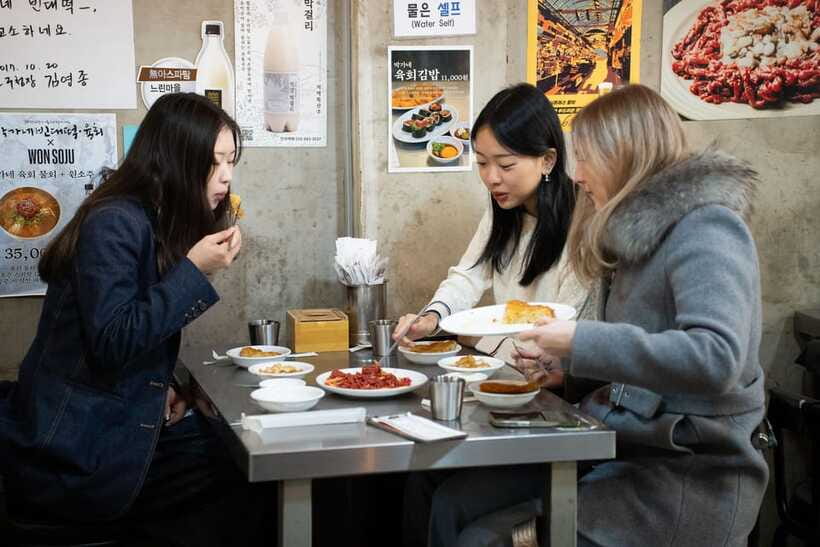
I’d book this if you’re the kind of traveler who wants one great activity to do two jobs: feed you well and help you understand Korea in a more grounded way.
The biggest reason to choose it is the pairing of market food variety with a guide who can connect dishes to the real texture of modern life. If you’re only chasing food, you could wander. But if you want the food to mean something, this format is a strong match.
If you’re short on time, love markets, and enjoy thoughtful questions, this 2-hour small-group tour is a solid use of your day.
FAQ
How long is the Traditional Market Food Tour?
The tour duration is 2 hours.
How much does the tour cost?
The price is $100 per person.
Where do I meet the guide?
You meet at Jongno 5 ga station exit 8.
What market does the tour focus on?
The tour centers on Gwangjang Market.
What food items are included?
Included items are dumpling, meatball, Korean hotdog, rice roll, spicy rice cake, fish cake, sweet Korean pancake, fish-shaped bun, and water.
Is water included?
Yes, water is included.
Is the tour guided in English?
Yes, the live tour guide speaks English.
How many people are in the group?
The group is small, limited to 10 participants.
Is this a historical tour?
It’s not presented as a historical tour. The menu may also change based on circumstances.