REVIEW · KALAMATA
Kalamata Food Tour: Greek Food Treasures and Traditions
Book on GetYourGuide →Operated by Food Philosophy · Bookable on GetYourGuide
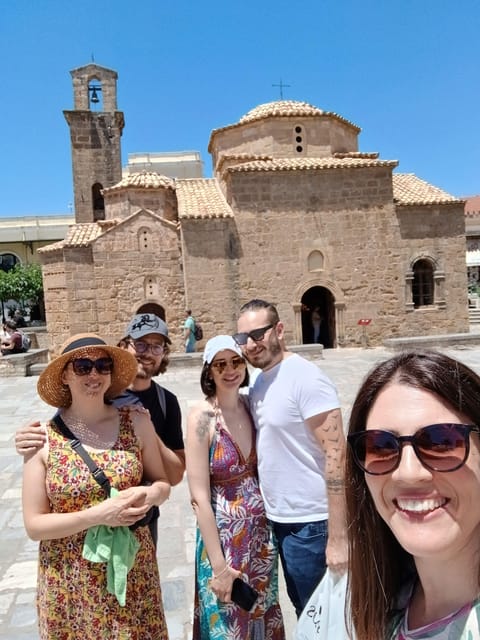
One church stop sets the whole meal mood. This Kalamata Food Tour is a focused 3-hour walk through the historical centre where you taste your way around family shops, hear Greek food stories, and end with a classic souvlaki light lunch. I really like how the guide pairs food with local context, so each bite has a reason. I also like the hands-on shop visits—you speak with owners and sample real regional products, not just “tour bites.” One heads-up: it runs in all weathers, so you’ll want comfortable shoes and a rain layer.
What makes this tour feel worth it is the variety packed into a short time: olives and olive oil, bread products, pies, meat products, sweets, and tastings that can include alcohol. You’re guided from the meeting point at Ipapanti Church and brought around a route built around traditional shops and local pride. If you’re hoping for a quiet, sit-down tasting, expect more of a lively walking-and-stopping style.
Because it’s suitable for vegetarians, vegans, and gluten intolerance (with dietary requirements shared when booking), you can still plan ahead and get options. But you’ll get the best experience if you come with an appetite—and you don’t try to “save room” for later meals right away.
In This Review
- Key things you’ll enjoy most
- Meeting at Ypapantis Church: the tour’s easy, local start
- How the route works: walking, stopping, and learning in between
- Taste Kalamata’s classics: olives, olive oil, bread, pies, and more
- Greek food myths: why the stories aren’t just decoration
- The souvlaki light lunch: what it means for your appetite
- Price and value: is $88 fair for 3 hours?
- Dietary needs and all-weather touring: planning that actually helps
- Who should book this Kalamata food tour?
- Practical tips to get the most out of your 3 hours
- Should you book the Kalamata Food Tour?
- FAQ
- How long is the Kalamata Food Tour?
- Where does the tour start?
- What’s included in the price?
- Are drinks included?
- Is the tour suitable for vegetarians, vegans, and gluten intolerance?
- What languages are the tours offered in?
- Does the tour run in bad weather?
- Is cancellation free?
Key things you’ll enjoy most
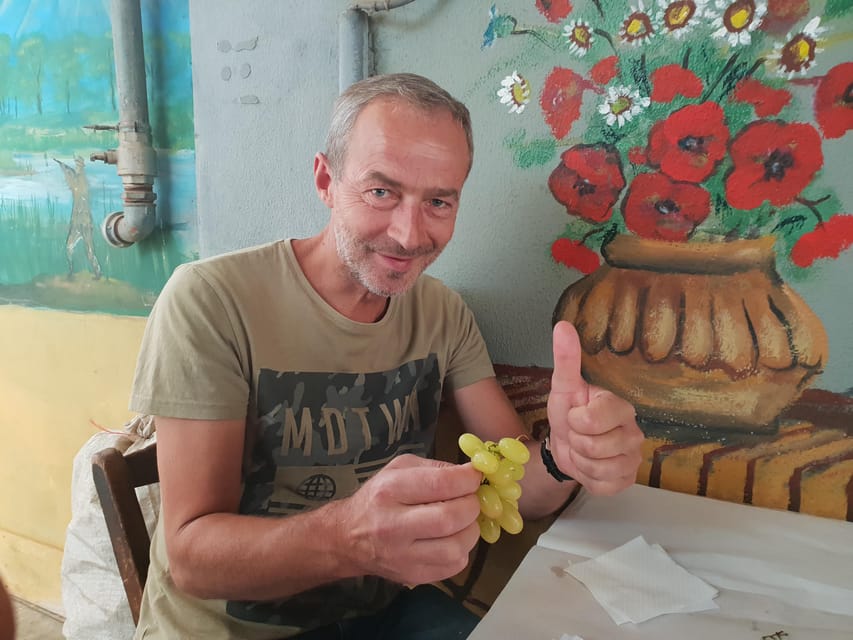
- Shop-owner conversations: You get direct local context while sampling from family businesses.
- Food myths and stories: Greek food myths show up between tastings, so it’s not just eating.
- Olives and olive oil tastings: Expect more than one stop tied to Kalamata’s most famous flavors.
- Mix of sweet and savory: Bread/pastries, pies, meat products, and sweets are all part of the route.
- A real souvlaki lunch included: You finish with a local restaurant meal, not a snack.
Meeting at Ypapantis Church: the tour’s easy, local start
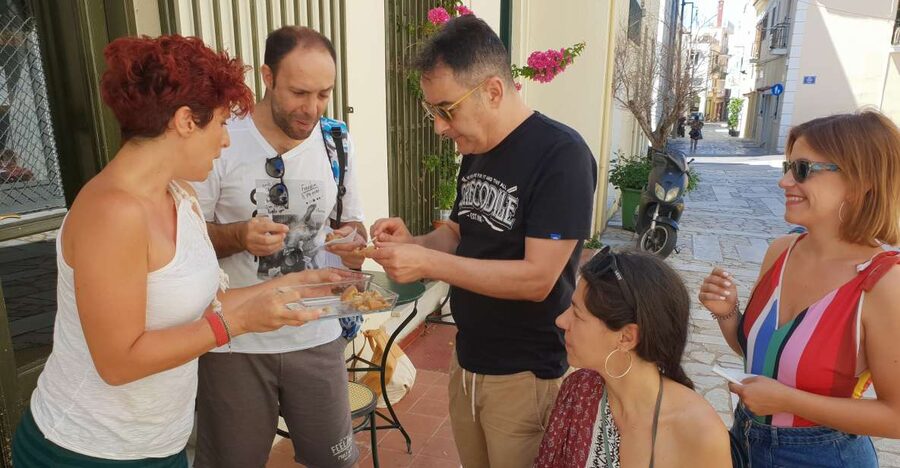
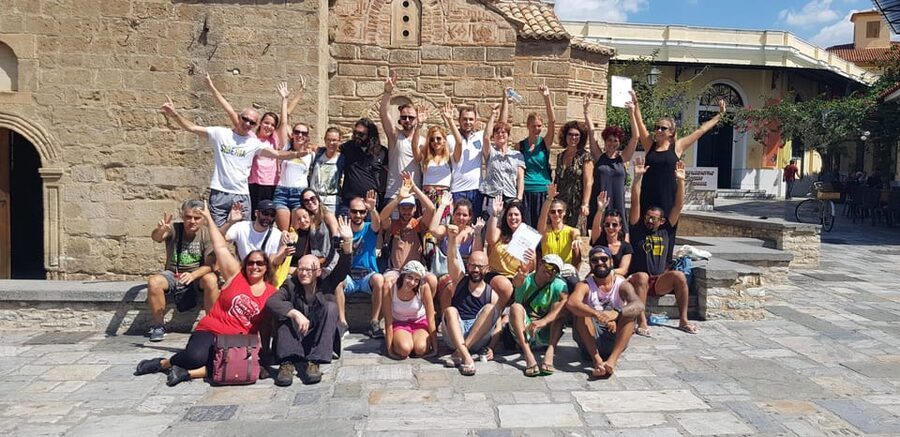
The tour meets at the main entrance of Ypapantis Church in Kalamata’s historical centre. It’s a solid choice for first-timers because you’re starting right where the old-town atmosphere is strongest. From there, the focus stays simple: walk a selected route, stop often, and taste while your guide explains what you’re looking at.
This matters because food tours can get “random sampling” quickly. Here, the start point signals that you’ll be moving through the older core of town, built around longstanding shops rather than modern quick-stop convenience. Guides listed for the tour across bookings include Sara, Sofia, and Dora, and they’re all described as passionate locals who know the city side of what you’re eating.
Practical tip: arrive a bit early. You’ll want a minute to settle in, especially since the tour runs in all weathers. And if you’re sensitive to cold or heat, plan your outfit around walking segments between tastings.
You can also read our reviews of more food & drink experiences in Kalamata
How the route works: walking, stopping, and learning in between
Over about 3 hours, you’ll keep a steady rhythm: walk a bit, stop at a shop, taste, then move on. The tour is designed for “popping in and out” of selected family shops, which is why it feels more personal than a big group food hall where everyone funnels through one station.
You should expect your guide to set each stop up with short stories and practical explanations—enough to make the food feel connected, not so much that it becomes lectures. One review notes how the guide gave directions and recommendations beyond the tour, which tells me the tour isn’t just about the tastings. You leave with a better sense of where to go next in Kalamata.
One more detail that can make or break this kind of experience: the guide also tries to make time for questions. Several reviews mention that the guide answered questions and kept the group comfortable, which usually means the tour pace is flexible enough for real conversation, not only a set “checklist.”
Taste Kalamata’s classics: olives, olive oil, bread, pies, and more
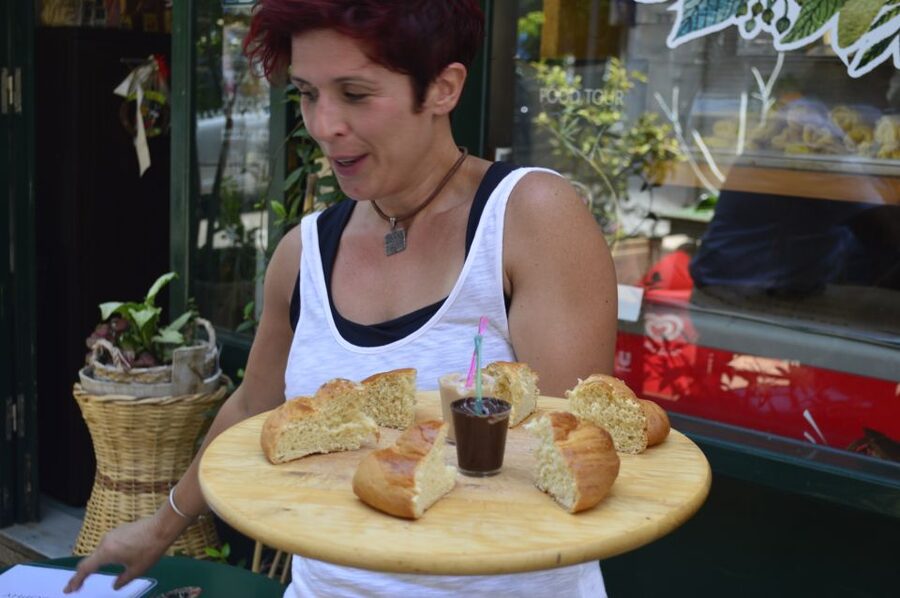
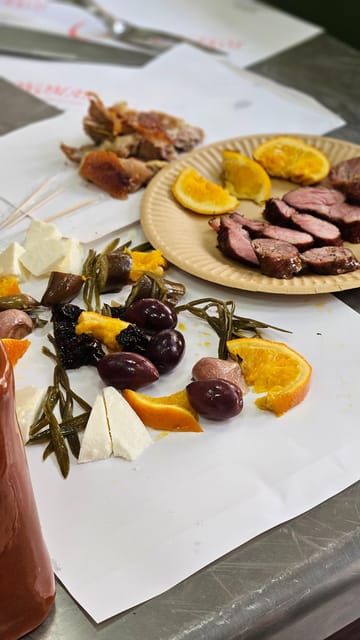
This tour’s core value is the spread. You’re not just doing one theme like olive oil only, or sweets only. The route includes tastings that cover bread products, olives and olive oil, pies, meat products, and sweets.
Here’s what you can look forward to in a practical way:
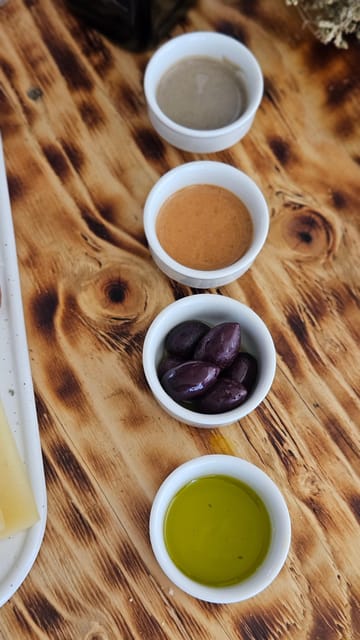
- Olives and olive oil stops: Kalamata is famous for olives, and this tour leans into that with specific tastings. Even if you think you already know olive oil, you’ll likely taste differences that make you understand why local producers care about their varieties and methods.
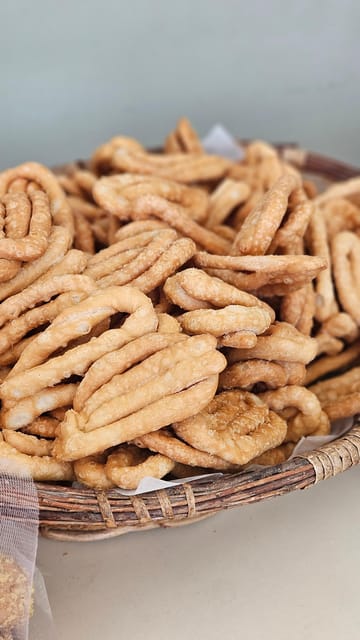
- Bread and pastry tasting: Bread-based Greek snacks are everywhere, but a good food tour makes you taste them thoughtfully. Expect to see traditional bakeries and bread products described as part of the route.
- Pies and savory bites: Pies are a big deal in Greek food culture. On this tour, pies show up as part of the route rather than as an optional add-on.
- Meat product tastings: If you eat meat, you’ll get savory samples that reflect regional traditions (and the route includes butcher-style stops in some guides’ versions).
- Sweets at the end of flavors: Greek desserts can be heavy and syrupy. Here, sweets are included, which balances out the salty tastings earlier.
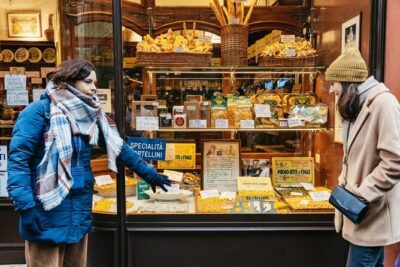
One review also mentions a cheese/olive/wine shop and a traditional bakery, plus a butcher stop. Even if your exact shop lineup shifts a bit by day, that gives you a clear picture of the kinds of places you’ll likely visit: specialty counters where owners are proud of the product and happy to talk.
Greek food myths: why the stories aren’t just decoration
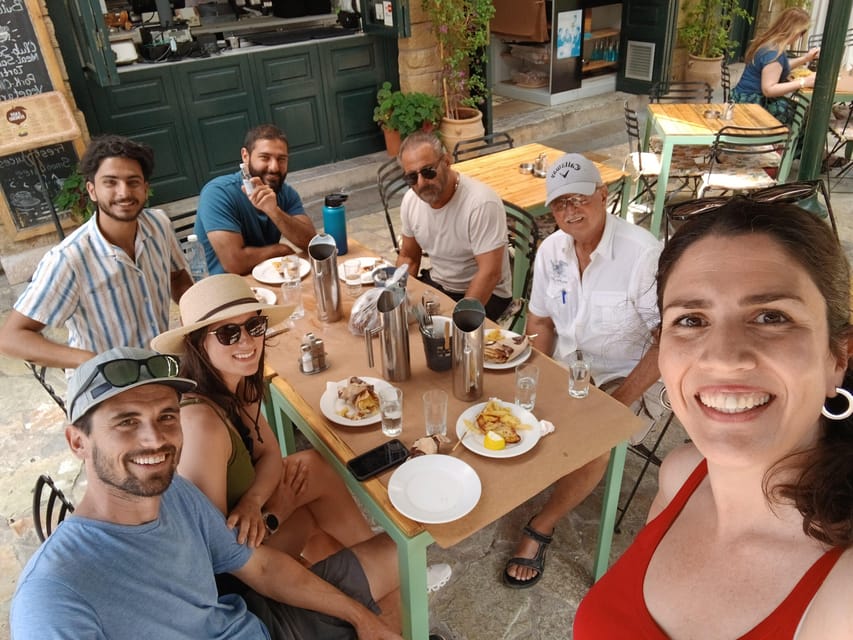
The tour includes listening to Greek myths and stories about food. That might sound like filler, but in practice it helps you connect what you’re tasting to a bigger idea: food in Greece isn’t only about flavor—it’s tied to identity, seasons, and old beliefs.
The best part is timing. You hear these stories as you move between shops, so the myth becomes a lens. For example, when you taste something deeply tied to regional agriculture (like olives and olive oil), the story turns that ingredient into a cultural symbol. When you taste pies or breads, the stories give you a sense of why these foods are still central to everyday life.
You’ll also notice that guides tend to keep it human-sized. Reviews mention that historical facts are shared without going too detailed or boring. That’s the sweet spot for a walking food tour: enough context to make you curious, not enough to drain your energy.
The souvlaki light lunch: what it means for your appetite
Lunch is included as a traditional souvlaki light lunch at a local souvlaki restaurant. “Light lunch” can still mean plenty on a food tour, because it comes after multiple tastings already on your stomach. This is why the tour often leaves people stuffed.
If you want the full experience, plan your day around it. One review tip was to skip breakfast to avoid overfilling before the final meal. I agree with that logic. If you eat a normal breakfast, you may still enjoy the tour, but the last stops and lunch might feel like you’re tasting through a food coma.
About drinks: food/alcohol tastings are included, but drinks are not included. So if you want extra beverages beyond what’s part of tastings, you may pay separately at the end. If you like a glass of wine or want to try a bit more alcohol, consider budgeting for it.
And because the tour includes a restaurant lunch, it helps balance the street-level sampling. You get one sit-down-ish moment at the end, which makes the 3-hour duration feel more complete instead of feeling like nonstop standing.
Price and value: is $88 fair for 3 hours?
At $88 per person for 3 hours, you’re paying for three things at once: the local guide, multiple shop stops with tastings (including food and alcohol tastings), and the included souvlaki lunch.
If you tried to recreate this on your own, you’d struggle with two parts: the guided routing and the sampling. Buying olives, olive oil tastings, pies, and sweets across a handful of specialty shops can add up fast—especially if you want tastings rather than full purchases. Also, the “meet the owners” element is hard to reproduce without someone pointing you toward the right places and explaining what to ask for.
The “value check” I’d use for this tour is simple:
- If you like food enough to try more than one or two things
- If you enjoy stories and small interactions with locals
- If you don’t mind walking in a compact town centre
Then $88 usually feels reasonable because you’re getting an itinerary built around real local producers and a proper included meal.
Dietary needs and all-weather touring: planning that actually helps
Good news up front: the tour is described as suitable for vegetarians, vegans, and people who are gluten intolerant. The key is that you should advise dietary requirements when booking, so the guide can plan tastings around you.
Also, this tour operates in all weathers. That doesn’t mean you’ll be miserable the whole time; it means you should show up prepared. If rain is possible, bring something small you can handle on short walks. If it’s hot, plan for hydration outside whatever tastings provide.
One more reassuring detail from the tour info: it’s suitable for adults, children, and pregnant women. That’s a sign the pacing and structure are designed to be broadly comfortable, though it still helps to wear supportive shoes.
Who should book this Kalamata food tour?
This is a great fit if you want Kalamata food culture with a guide who actually connects the dots. It’s especially good for:
- People who like tasting lots of different foods in one outing
- First-timers who want to learn the town through its historical centre shops
- Food lovers who enjoy short myths and stories tied to what’s on the table
- Anyone who wants help with vegetarian/vegan or gluten-free needs (just flag it at booking)
If you should rethink it, it’s mainly if you strongly prefer a fully seated, single-venue tasting. This one is about the route: walk, stop, taste, move on.
Practical tips to get the most out of your 3 hours
A few small choices can upgrade the experience fast:
- Skip a heavy breakfast. Several people highlight how much you eat. If you start full, you’ll enjoy less.
- Come with questions. The tour format works best when you ask about what you’re tasting and what locals use it for.
- Know the drink rule. Alcohol tastings are included, but drinks aren’t. If you want more, plan on paying.
- Don’t worry about buying. Reviews specifically note there’s no pressure to purchase from the shops. You’re there for tastings and stories first.
- Use the guide for extra plans. Some guides share directions and recommendations for where to eat or what to do next, which can save you time later in town.
- Keep an eye out for local art. One review mentions the guide pointing out a local artist’s work around the city during the walk—something worth noticing as you move between stops.
Should you book the Kalamata Food Tour?
My take: if you’re in the mood for a real Greek-food sampler with local shop access, this is an easy yes. The combination of multiple tastings, a souvlaki lunch included, and the guide-led storytelling makes the $88 price feel like a plan, not a random food grab.
Book it if you want Kalamata through the lens of olives, olive oil, pies, bread, sweets, and classic street-style meals, guided by someone who loves explaining the culture behind the food. If you’re not a walker or you need a very quiet sitting experience, you might want a different kind of tour—but for most food-focused travelers, this one is built for maximum flavor per hour.
FAQ
How long is the Kalamata Food Tour?
The tour lasts 3 hours.
Where does the tour start?
It starts at the main entrance of Ypapantis Church in Kalamata’s historical centre.
What’s included in the price?
The tour includes a local guide, a traditional souvlaki light lunch, and food/alcohol tastings.
Are drinks included?
No. Drinks are not included, even though alcohol tastings are part of what’s included.
Is the tour suitable for vegetarians, vegans, and gluten intolerance?
Yes. The tour is suitable for vegetarians, vegans, and people who are gluten intolerant, but you should advise dietary requirements when booking.
What languages are the tours offered in?
The live tour guide speaks English and Greek.
Does the tour run in bad weather?
Yes. The tour operates in all weathers.
Is cancellation free?
Yes. You can cancel up to 24 hours in advance for a full refund.