REVIEW · WINDHOEK
Kapana & Traditional Food Tour; A Namibian Experience
Book on GetYourGuide →Operated by Oombe Tours Transfer and Car Hire cc · Bookable on GetYourGuide
Kapana is street food you can smell first. In Windhoek, this open-fire grilled meat experience turns dinner into a social, learn-as-you-eat afternoon, plus a proper stop for traditional dishes. Two things I especially like are the easy, chat-friendly pace (you’re not just served; you’re part of the moment) and the way the food comes with context, from spices to what you’re eating. One thing to consider: it’s not set up for vegetarians, and you will want cash on hand for anything beyond what’s included.
You’ll get picked up from Windhoek Central and driven to the township area of Single Quarter for the kapana part, then head back toward Oshetu Local Market and a local restaurant for lunch/dishes before returning you to your hotel. If you like your food casual, smoky, and genuinely local, this is a strong fit. If you want a quiet, sit-down fine-dining experience, this may feel too hands-on.
In This Review
- Key reasons this Kapana tour works
- From Windhoek Central to Single Quarter: getting there without stress
- Kapana on open fire: what you’re actually eating
- The spices and sauce that turn kapana into a full meal
- Oshetu Local Market: shopping for ingredients and stories
- Traditional lunch after kapana: why the restaurant stop matters
- Price and value: is $50 for four hours a fair deal?
- Who should book this Kapana and Traditional Food tour?
- Small logistics that help you have an easy day
- Should you book this Kapana and Traditional Food Tour in Windhoek?
- FAQ
- Where does pickup happen?
- How long is the tour?
- What does the $50 price include?
- Are any beverages included?
- Do I need to bring cash?
- Is the tour suitable for vegetarians?
- What language will the driver speak?
- Are drones allowed?
- Can I cancel for a full refund?
Key reasons this Kapana tour works
- Open-fire kapana: Beef is cut into small pieces, grilled as it cooks, and served hot while the smell is still in the air.
- You learn while you eat: Guides like Helena (with drivers such as Victoria, depending on the day) explain ingredients and how common dishes are used.
- Market time with real atmosphere: You’ll visit the local market before finishing with a meal at a restaurant.
- Kapana sauce and sides: Expect tomato-onion relish-style sauce, plus options like pap (porridge), and chili heat if you want it.
- Generous eating, not just tasting: Portions can be big enough that you may need to choose what to try rather than sampling everything.
- Private group comfort: It’s run as a private group, so the conversation can be flexible, even if it’s just you.
From Windhoek Central to Single Quarter: getting there without stress
This is a simple four-hour format, which is exactly what you want when you’re pairing food with real local life. You’ll start with pickup from Windhoek Central and a ride into the township area of Single Quarter for the kapana portion. Having transport handled matters here, because it keeps the day smooth and lets you focus on what you came for: food and people.
The tour also layers locations in a way that makes sense. You go from street grilling to a market visit, then into a local restaurant for the next round. That order helps you read the food culture as a whole, not as a single dish in isolation.
I also like that the driver speaks English, since it reduces friction when you have questions. It’s not a lecture-tour vibe; it’s more like “let’s walk, eat, and talk,” with someone keeping you pointed in the right direction.
Kapana on open fire: what you’re actually eating
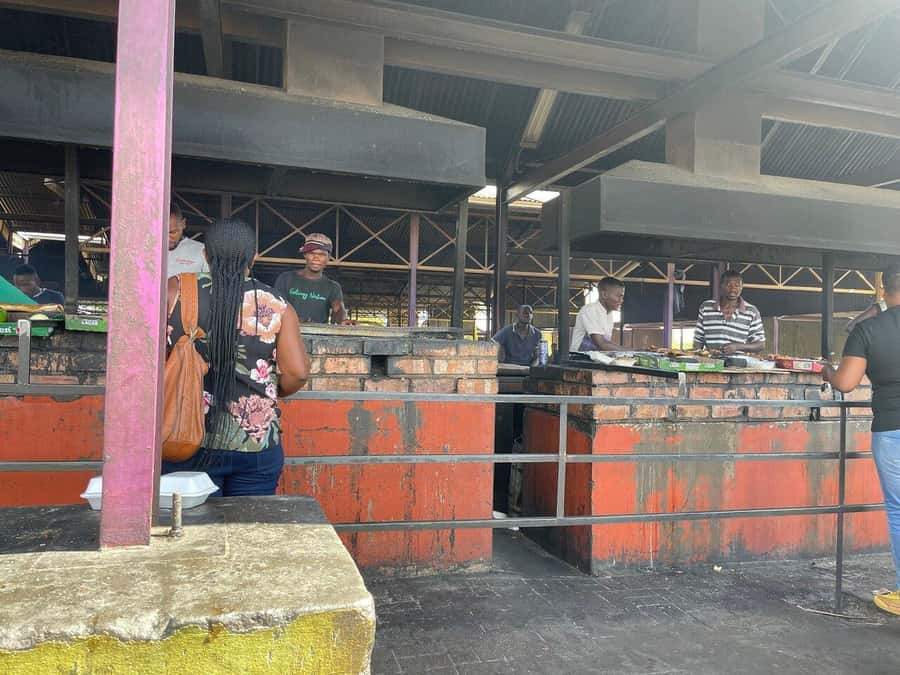
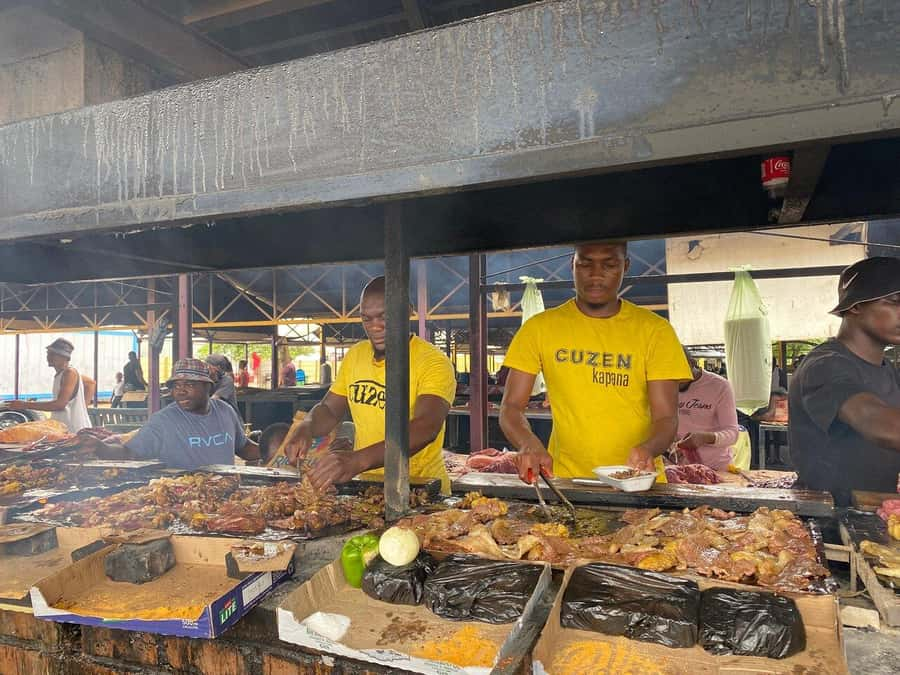
Kapana is grilled beef made the street-food way: small pieces of beef hitting open flame and cooking right in front of you. The meat gets cut into bite-sized portions, grilled, and sold as it cooks. That means you’re eating something hot and smoky in the moment, not waiting for a finished plate to show up.
You’ll also get to experience the seasoning style. Kapana is typically seasoned with a mix that may include chili flakes, salt, pepper, and other local seasonings. One of the practical benefits of this kind of street grilling is that it forgives your preferences: if you like heat, you can often ask for extra chili sauces; if you prefer mild, you can keep it simple.
A big part of the fun is the social rhythm. People share plates, talk while food is grilling, and keep moving between bites and conversation. It’s not staged. It feels like what the neighborhood eats when it wants something satisfying fast.
And yes, there can be an interactive element. In many setups, customers can select what they want and even ask how they want it cooked (like rare, medium, or well done). Even if you don’t go deep on cooking choices, the seller’s process is part of the attraction: watch the flame, watch the cut size, then take the first bite while it’s at peak heat.
The spices and sauce that turn kapana into a full meal
Kapana rarely comes alone. You’ll usually get condiments and accompaniments that help you build your own bite. Bread rolls are commonly served with kapana, which is perfect if you want to grab, tear, and eat without slowing down.
You’ll also likely see the tomato-onion relish style called kapana sauce. The flavors are the kind you remember because they balance the smoke and the fat with something fresh-tangy. If you’re cautious about spice, start with the sauce before adding extra chili.
Some sides may include pap (porridge). Pap is a helpful pairing because it smooths out heat and gives your stomach something steady. Other chili sauces can show up for anyone who wants the heat turned up.
If you’re the type who likes figuring out flavors, this is a good match. The guides have a habit of explaining what’s in the food and why it’s used, which makes the meal feel educational without ruining the fun.
Oshetu Local Market: shopping for ingredients and stories
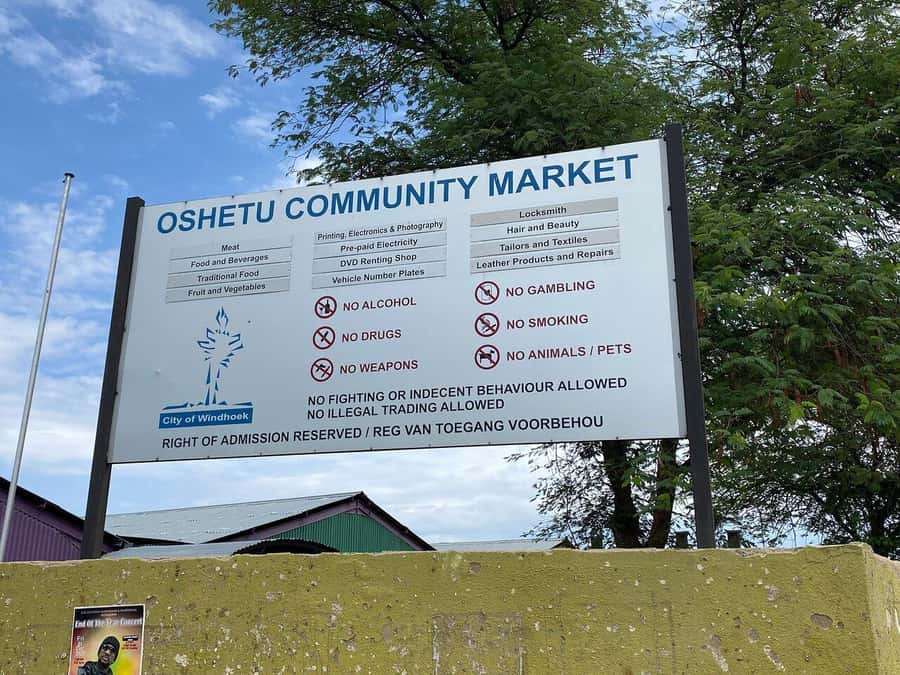
After kapana, you’ll drive back from Oshetu Local Market. The market stop is where the day shifts from eating to seeing how food culture works day-to-day. Even if you’re not shopping big, wandering the market helps you connect the spices, ingredients, and casual cooking you just tasted.
This is also where the tour’s “human” element becomes clearer. The best part isn’t browsing for souvenirs. It’s seeing how people move through food spaces, how vendors present items, and how locals treat market time as part of everyday life.
If your guide is Helena, you might get extra context. People have described Helena as taking time to explain common meal ingredients, how they’re prepared, and how those ingredients show up in Namibian food. That’s the kind of detail that makes your next meals in Namibia easier, because you start recognizing flavor families and cooking habits.
Traditional lunch after kapana: why the restaurant stop matters
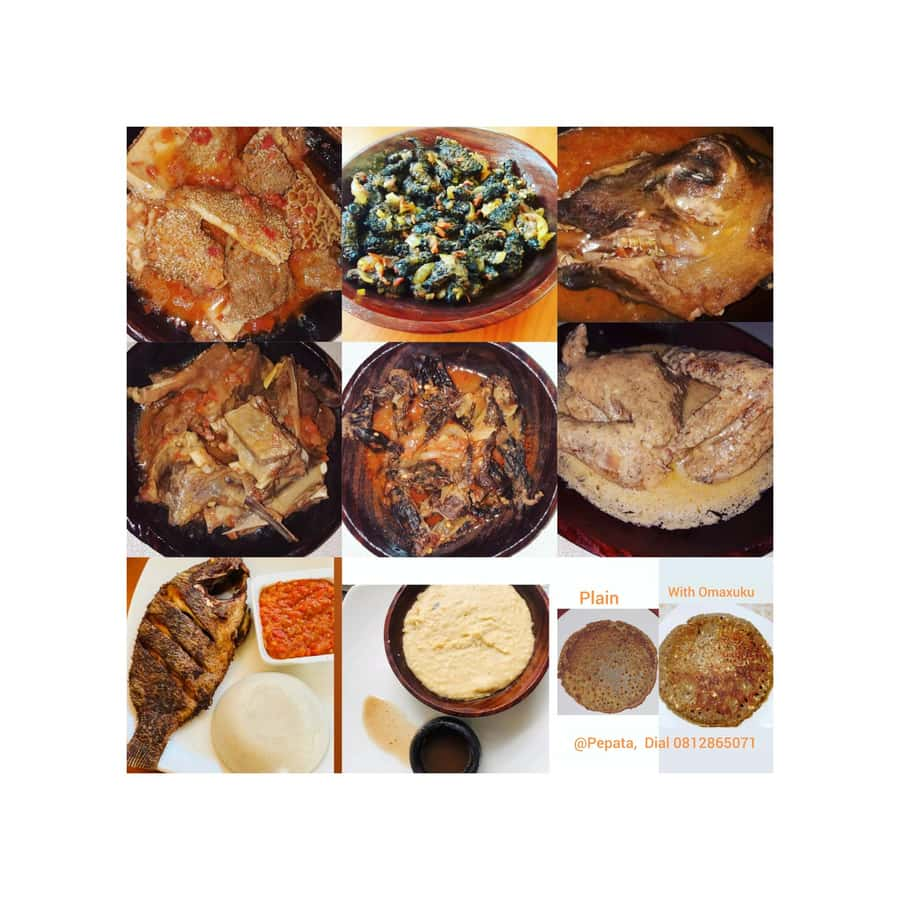
The kapana part scratches the street-food itch. The restaurant meal finishes the job by giving you a wider range of traditional dishes. After Oshetu Local Market, you’ll head to a local restaurant for lunch/dish with multiple options to sample.
This second phase is worth it because it changes the texture and pacing. Kapana is quick, hot, smoky, and hands-on. The restaurant meal gives you more variety, more sitting, and more chances to try items you might not choose on your own.
One reason I like these types of tours is that they handle the “what should I try” problem for you. You get options, but the portion sizes can be generous, so you’ll likely have to pick and share rather than sample everything. That sounds limiting, but it actually helps you enjoy the flavors you do choose.
In past experiences, the lunch spot has included places like Katutura, with a young cook running the restaurant. That kind of stop makes the food feel tied to real local hands, not only street selling.
At this stage, your guide can steer you toward dishes that work well together, especially if you’ve already had kapana. It’s also a good moment to ask questions about what you ate—spices, side dishes like pap, and how the relish-style sauces change the bite.
Price and value: is $50 for four hours a fair deal?
At $50 per person for about four hours, the big value isn’t only the food. It’s the full package: transport, pickup and drop-off, petrol, kapana, traditional food, and mineral water.
Here’s why that matters. Namibian street food can be affordable, but it’s not always easy to navigate safely and comfortably on your own—especially if you’re trying to time everything around markets. Paying for transport and local guiding keeps you from turning the day into a hunt for where to go, who to trust, and what to order.
What’s not included is also important. Beverages other than mineral water aren’t part of the price. If you’re the type who drinks a lot, budget for it in advance. Bring cash anyway, because you’ll want the flexibility to buy something extra if the moment feels right.
In my view, this tour is best when you treat it as two meals in one afternoon: kapana as the street-food highlight, and traditional dishes as the deeper follow-through. If that matches your travel style, the cost feels fair.
Who should book this Kapana and Traditional Food tour?
This tour is a strong fit for people who want real local food culture in a short time. You don’t have to be a “food expert.” You just need to be open to spicy flavors, smoke, and the social feel of eating at street-side-style spots.
It’s especially good if you like guided context. People have enjoyed the fact that the guides explain ingredients and preparation, which turns food into a conversation. If you prefer learning by doing, this works.
It’s also a good choice for solo travelers. Since it runs as a private group, the experience can feel less like a rushed bus tour and more like two or three people taking you through their food world. Solo afternoons have been lively in particular, with guides chatting and sharing background while you eat.
The main mismatch is vegetarians. The tour is built around kapana (beef grilled on open fire) and traditional food sampling that you’ll likely want to choose based on meat-and-spice flavors. If you don’t eat meat, you’ll feel the limitations quickly.
Small logistics that help you have an easy day
Bring a camera and bring cash. Those two items are specifically called out, and they’re practical. You’ll be taking photos around food and market areas, and you may want to cover anything beyond what’s included.
Also plan your expectations around drinks. Mineral water is included, but other beverages are not. If you want soda, juice, or anything else, you’ll need to pay separately.
You should also know what’s not allowed. Drones and explosive substances aren’t permitted. If you’re traveling with drone gear for other parts of your trip, keep it packed away for this outing.
Finally, remember this is a 4-hour block. It’s long enough to eat, learn, and browse, but short enough that you can still keep the rest of your day free. That’s a nice balance when Windhoek sightseeing plans are already on your plate.
Should you book this Kapana and Traditional Food Tour in Windhoek?
Book it if you want a serious taste of Namibian street and everyday food culture without spending hours figuring logistics out. This is the kind of afternoon that pairs well with short stays in Windhoek because you get kapana at open fire, market atmosphere, and traditional restaurant dishes in one smooth loop.
Skip it if you’re vegetarian or if you hate spice, smoke, and food you eat with your hands while talking. This isn’t built for strict diets or fussy formality.
If you do book, come hungry and keep an open mind about what you might like. The biggest payoff here is not only the grilled beef. It’s the combination of flavor, conversation, and the way the meal connects to the market and local restaurant stop.
FAQ
Where does pickup happen?
Pickup is included from your accommodation or hotel in Windhoek Central. The driver will find you at your hotel reception.
How long is the tour?
The experience runs for about 4 hours.
What does the $50 price include?
Transport during the tour, pickup and drop-off, gas/petrol, kapana, traditional food, and mineral water are included.
Are any beverages included?
Mineral water is included. Any other beverages are not included.
Do I need to bring cash?
Yes. Cash is specifically recommended to bring.
Is the tour suitable for vegetarians?
No. It’s not suitable for vegetarians.
What language will the driver speak?
The driver is listed as English-speaking.
Are drones allowed?
No. Drones are not allowed on this activity.
Can I cancel for a full refund?
Yes. Free cancellation is available up to 24 hours in advance for a full refund.