REVIEW · MIAMI
Little Havana Ultimate Food Tour
Book on Viator →Operated by Miami- NY- Food Tours · Bookable on Viator
Cuban food has a way of sticking with you. This Little Havana walk mixes multiple tastings with real neighborhood context in about 2 hours 30 minutes. You’ll hit classic spots and landmarks tied to Cuban Miami life, not just eat-and-run.
I love the small group size (up to 12) because the guide can actually talk with you, not lecture at you. I also like that you’re not stuck on one big meal; you get a full-meal style lineup across several mom-and-pop stops, plus stories at every stop from guides such as Jennifer and Gina, who come across as conversational and well connected.
One thing to consider: it’s mostly a walking-style experience with no private transportation included, and it depends on good weather, so plan for sun or rain.
In This Review
- Key highlights before you go
- Why Little Havana’s food tour feels like a neighborhood story
- The time plan: how you’ll spend the 2 hours 30 minutes
- Stop 1 in Little Havana: murals, music, and the culture behind the menu
- Tower Theater: the Spanish-subtitled film bridge
- Domino Park: where the tour slows down for real community life
- Cuba Tobacco Cigar Co: Cuban craft roots, Miami life now
- Cuban Memorial Park: the Bay of Pigs in plain context
- Stop 6 back in Little Havana: the meal-building tasting block
- The guide experience: small group attention and local connections
- What this tour is best for (and who might want something else)
- Quick value check: is $67 a smart buy?
- Should you book the Little Havana Ultimate Food Tour?
- FAQ
- How long is the Little Havana Ultimate Food Tour?
- Where does the tour start and where does it end?
- How much does the tour cost?
- What’s included in the tour?
- How many people are in a group?
- What stops will we visit?
- Is the tour ticket mobile?
- What is the cancellation policy?
- Does the tour require good weather?
Key highlights before you go
- Small group feel: maximum of 12 travelers, so questions stay welcome
- Value for $67: multiple food stops that add up to a full meal by the end
- Celebrity-linked Cuban colada coffee: a drink favorite mentioned for Pitbull and Gloria Estefan
- More than food stops: Tower Theater, Domino Park, and a Bay of Pigs memorial stop the tour history-wise
- Cigars with a story: a Miami cigar shop tied to Cuban roots, including the factory shut down in Cuba and reopened life in Miami
- Start/end loop: the tour ends back at the meeting point, making it easy to continue your day
Why Little Havana’s food tour feels like a neighborhood story
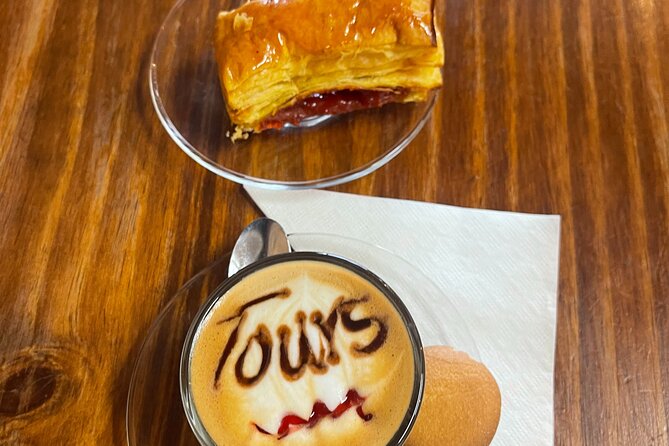
Food tours can turn into a checklist. This one tries to do something better: it uses food as the doorway into the neighborhood. Little Havana’s Cuban community shows up not only in menus, but in the everyday social rhythm—domino games, murals, family-run shops, and landmark places that helped newcomers keep a bridge to home.
You’ll see that the food isn’t random. It’s tied to culture and survival—how people kept traditions going after exile and how Miami became a second home. Even the “stops that aren’t food” matter, because they explain why those food places matter so much to the people who built them.
And it’s a practical format. Instead of committing to one long sit-down meal, you snack your way through the neighborhood. That means you can still move around, take photos, and decide what you want to do next after the tour ends back where you started.
You can also read our reviews of more food & drink experiences in Miami



The time plan: how you’ll spend the 2 hours 30 minutes
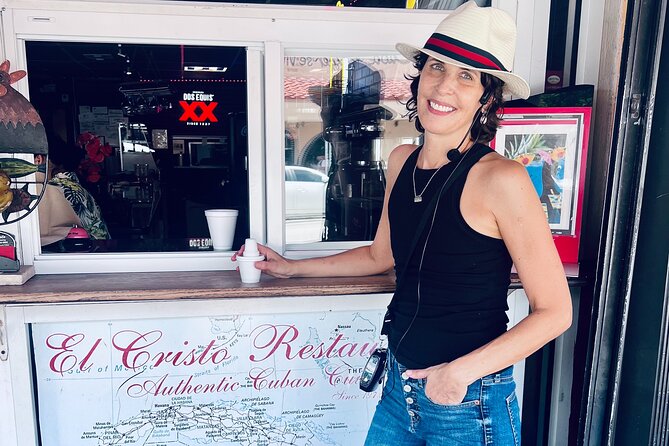
The tour moves at a steady walking pace with set segments. You’ll get a longer first stretch in Little Havana, then shorter landmark stops, and finish with another food-focused round.
Here’s the rhythm you should expect:
- Stop 1 (30 minutes): Little Havana streets and cultural context
- Stops 2 to 5 (15 minutes each): Tower Theater, Domino Park, a cigar shop, and the Cuban Memorial Park/Bay of Pigs connection
- Stop 6 (45 minutes): back in Little Havana for a larger second tasting block that brings the meal together
This pacing is a big deal for your enjoyment. It keeps the tour from dragging, and it helps you avoid that classic food tour problem: too much time waiting at one place and not enough time actually learning what you’re eating. You’ll also leave with the sense that you saw multiple angles of the neighborhood—food, social life, and symbolic landmarks—without feeling like you sprinted through it.
Stop 1 in Little Havana: murals, music, and the culture behind the menu
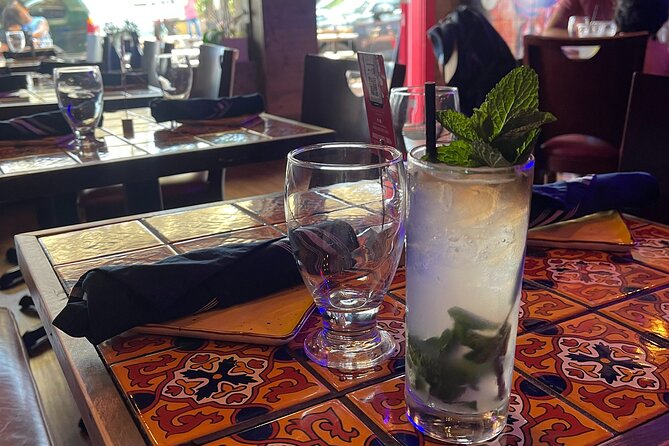
Your first stop is Little Havana itself, and the goal is to set the scene fast. You’re guided through busy neighborhood streets with the focus on the Cuban immigrant spirit that shaped what you see today—multi-generational businesses that kept going through hard times.
Expect a multi-sensory walkthrough. You’ll notice the aromas of traditional Cuban cooking drifting out from family-run cafés and restaurants. You’ll also hear how the neighborhood’s character is tied to both memory and daily life. The tour includes cultural signals like colorful murals and lively music, and it connects these to stories of resilience and triumph.
There’s also a social thread here. Domino games aren’t treated like a quirky side show. They’re presented as a normal part of community life—something visitors can recognize once the guide points out what’s going on. If you like understanding what you’re looking at instead of just snapping photos, this opening stop is where the tour starts doing its job.
Practical note: this is the first longer chunk, so wear comfortable shoes and be ready to walk.
Tower Theater: the Spanish-subtitled film bridge
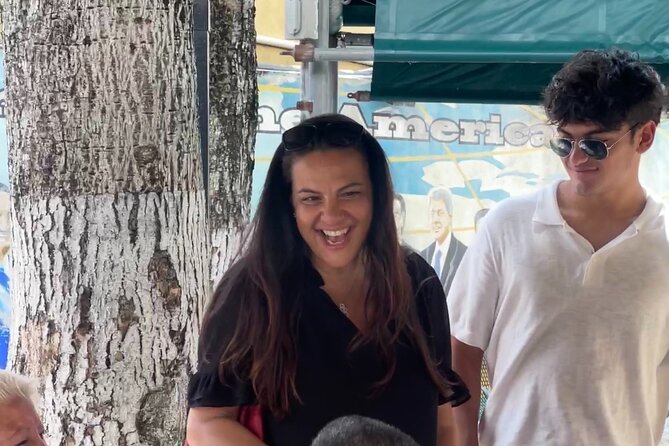
Next up is the Tower Theater, a cultural hub with a very specific significance for Cuban exiles. The guide frames it as a symbol of hope—one of those places that helped people feel seen in their new home.
The standout detail here is the theater’s place in film history: it’s described as the first in America to showcase major Hollywood films with Spanish subtitles. That matters because it turns a movie theater into something bigger than entertainment. It becomes about language access, inclusion, and maintaining connection.
This stop is short, but it works well inside the tour because it adds a different kind of context. You’re not just learning facts about food. You’re seeing how Cuban Miami people found ways to participate in American life without losing their language and identity.
If you like cultural details that you can use later—when you’re reading neighborhood signs, hearing local stories, or planning your next day—Tower Theater gives you that anchor.
Domino Park: where the tour slows down for real community life
Then you’ll hit Domino Park, and this stop is exactly what it sounds like: a social center where neighbors and visitors come together. In the tour framing, Domino Park is a must-see because it gives you a glimpse at the camaraderie that keeps Cuban traditions alive in Miami.
The practical value is simple. It helps you understand that Little Havana’s culture isn’t only inside restaurants. It happens outside, in public spaces, in small rituals that don’t require a ticket or a menu.
Even if you’ve never played dominoes, the point isn’t the game mechanics. It’s how the neighborhood uses everyday activities to build connection. Your guide uses this stop to tie together what you learned earlier in the streets and murals with how people actually spend time with each other.
A few more Miami tours and experiences worth a look


Cuba Tobacco Cigar Co: Cuban craft roots, Miami life now
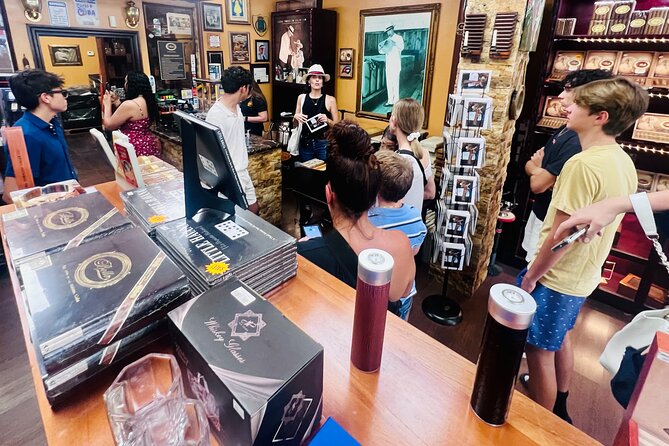
After community life comes craft and commerce at Cuba Tobacco Cigar Co. The tour includes a factory story that links Miami to Cuban cigar heritage. The key historical hook is that the factory in Cuba was shut down by Fidel Castro, and the cigar-making tradition found new life in Miami.
This is one of those stops that can surprise you if you expected only food. Cigars might not sound like a typical “food tour” topic, but in Little Havana they’re part of the culture and identity. And the guide’s commentary helps you connect that craft history to the broader immigrant story: traditions move, adapt, and keep surviving.
You’ll likely walk away with a better sense of why cigar shops here are more than tourist stops. They’re tied to workmanship, family legacy, and a continuity of skills carried across borders.
If you’re a smoker, keep that in mind for your day. If you’re not, treat it as a history and craft stop—something to learn from even if you’re not buying.
Cuban Memorial Park: the Bay of Pigs in plain context
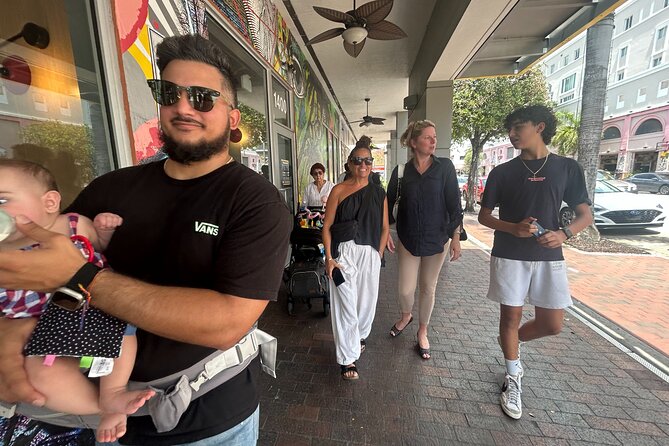
Next is Cuban Memorial Boulevard Park, a landmark honoring the Bay of Pigs. The tour specifically points to the failed invasion attempt in 1961, and it frames the memorial as part of how collective memory lives in the neighborhood.
This stop gives the tour emotional weight. You’re still in a short time window, but you’re now absorbing why the neighborhood’s symbols matter. Without this kind of context, a lot of memorials and public landmarks can feel random to visitors. With the guide’s explanation, the meaning clicks.
It’s also a useful reminder that food culture isn’t floating in the air. It’s rooted in history, and that history shapes what people want to remember, celebrate, and pass down.
Stop 6 back in Little Havana: the meal-building tasting block
The final food-focused stop is where the tour becomes a real meal. You’ll have about 45 minutes in Little Havana for the main sampling block, guided to a lineup designed to hit multiple classic tastes.
Expect a Cuban sandwich moment—because it’s the iconic anchor. You’ll also run into mojitos, plus tropical ice cream, pastelitos, empanadas, and aromatic coffee. The guide also highlights Cuban colada coffee as a celebrity favorite, with names mentioned including Pitbull and Gloria Estefan.
What I like about this setup is how varied it is in one afternoon. You’re not just repeating the same flavor in different forms. You’re sampling:
- savory handheld comfort (like Cuban sandwich energy)
- sweet pastry comfort (pastelitos)
- snacky savory bites (empanadas)
- caffeine culture (Cuban coffee and colada coffee)
- a refreshing palate reset (mojitos)
- dessert-style sweetness (tropical ice cream)
By the time you finish, you’re not leaving hungry. The structure is built around the idea that the tour equals a meal, not a few nibbles.
The guide experience: small group attention and local connections
The reviews emphasize what you want most from a food guide: conversation, context, and real relationships with local business owners. Guides like Jennifer and Gina are mentioned as strong, friendly presences who bring stories without turning it into a scripted talk.
Here’s what that means for you on the ground:
- You’ll get explanation at each stop, not just a food handoff.
- You’ll hear historical and cultural notes tied to the places you’re standing in.
- You’re more likely to get honest, usable recommendations because the guide is talking with people who actually run these spots.
Also, small groups matter more than people think. With a maximum of 12, your questions don’t get treated like background noise. That’s the difference between learning a few facts and actually understanding the neighborhood.
What this tour is best for (and who might want something else)
This is a great fit if you want a structured way to explore Little Havana without planning each stop. It’s also ideal if you like food and context, because the non-food landmarks (Tower Theater, Domino Park, and the memorial) prevent the tour from feeling one-dimensional.
You should also consider it if you’re short on time in Miami but still want to feel like you got the neighborhood’s “why,” not just the “what.” The tour ending back at the starting point makes it easy to transition to dinner or a museum plan afterward.
If you hate walking, or you’re traveling during weather that’s iffy, you might want a backup plan. The experience is described as requiring good weather, and it doesn’t include private transportation.
Quick value check: is $67 a smart buy?
At $67 per person, you’re paying for three things at once:
- multiple tastings that add up to a full meal
- guided storytelling at each stop
- access to neighborhood landmarks that explain the culture behind the food
If you tried to replicate this solo, you’d likely spend time hopping between places and still have to do your own research to get the history piece right. Here, the guide does the connecting. And the small group size adds another layer of value: you’re not paying for a crowded bus experience where you can’t ask questions.
It’s also worth noting how far in advance it’s commonly booked—about 38 days on average. That’s a hint that it sells well, which usually means the experience has staying power.
Should you book the Little Havana Ultimate Food Tour?
I’d book it if you want a fun, concentrated afternoon in Little Havana that blends food + culture instead of treating the neighborhood like a food court. The fact that it’s capped at 12 travelers and supported by guides such as Jennifer and Gina is a strong sign you’ll get real interaction, not just a fast stroll.
Skip it only if walking in heat (or rain risk) would stress you out, or if you’d rather do a self-guided meal route with zero structure. This tour gives you a plan, a pace, and a guided story arc. If that sounds like your style, it’s a solid choice.
Go in hungry, bring comfy shoes, and treat each stop like a mini lesson. By the end, you’ll feel like you ate your way through Little Havana’s identity—not just its menu.
FAQ
How long is the Little Havana Ultimate Food Tour?
It runs for about 2 hours 30 minutes.
Where does the tour start and where does it end?
It starts at 1513 SW 8th St, Miami, FL 33135, USA, and ends back at the meeting point.
How much does the tour cost?
The price is $67 per person.
What’s included in the tour?
The tour includes a full meal made up of multiple food stops, plus cultural traditions commentary from an expert guide at each food stop.
How many people are in a group?
The tour has a maximum of 12 travelers.
What stops will we visit?
The tour includes Little Havana, Tower Theater, Domino Park, Cuba Tobacco Cigar Co, Cuban Memorial Boulevard Park, and then returns to Little Havana for more tastings.
Is the tour ticket mobile?
Yes, it uses a mobile ticket.
What is the cancellation policy?
Cancellation is free if you cancel up to 24 hours in advance for a full refund. If you cancel within 24 hours of the start time, the amount you paid is not refunded.
Does the tour require good weather?
Yes, it requires good weather. If it’s canceled due to poor weather, you’ll be offered a different date or a full refund.