REVIEW · NEW YORK CITY
New York City: Lower East Side Food Tour
Book on GetYourGuide →Operated by Sidewalk Food Tours · Bookable on GetYourGuide
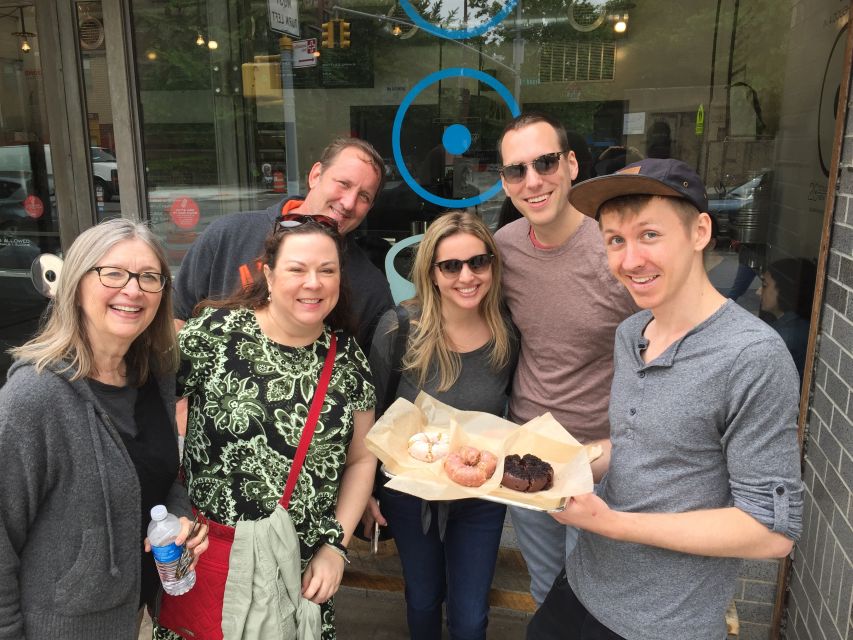
Food in the street, history in your head. This Lower East Side tour is built around century-old Jewish delis and bakeries plus real neighborhood stories, guided with clarity by Jack. I especially like how the stops mix old-school comfort food with quick, well-paced variety, from knishes and bialys to classic appetizing-shop bites.
You’ll also like the way the tour frames what you’re eating with Lower East Side tenements and synagogues, so the food doesn’t feel like random samples. One thing to consider: the tour is not suitable for people with diabetes, since the tastings include items with sugar and carbs.
In This Review
- Key Highlights You’ll Care About
- Why the Lower East Side Works for a Food Tour
- Meeting at Katz’s and Getting Your Bearings Fast
- The Tenement and Synagogue Stops: Why They Matter
- Yonah Schimmel Knish Bakery: Comfort Food With Old Credentials
- Russ & Daughter’s: Appetizing-Shop Energy, Not Just a Deli Stop
- Katz’s Delicatessen: The Landmark Stop You’ll Understand More After
- Kossar’s Bialys: A Dough Texture Lesson in One Bite
- Pickles at The Pickle Guys: The Sour-Crisp Shock
- Doughnut Plant: Dessert That Keeps the Tour Interesting
- North Dumpling: When the Route Adds a Second Food World
- Economy Candy Since 1937: A Real Neighborhood Sweet Stop
- How the Pacing Really Feels in a 3-Hour Walk
- Price and Value: What $99 Buys You in NYC
- Who Should Book This Lower East Side Food Tour
- Quick Practical Tips Before You Go
- Should You Book This Lower East Side Food Tour?
- FAQ
- How long is the New York City Lower East Side Food Tour?
- What is the price per person?
- Where does the tour meet?
- How big is the group?
- Is water included?
- Can you accommodate dietary restrictions?
- Is this tour suitable for people with diabetes?
Key Highlights You’ll Care About
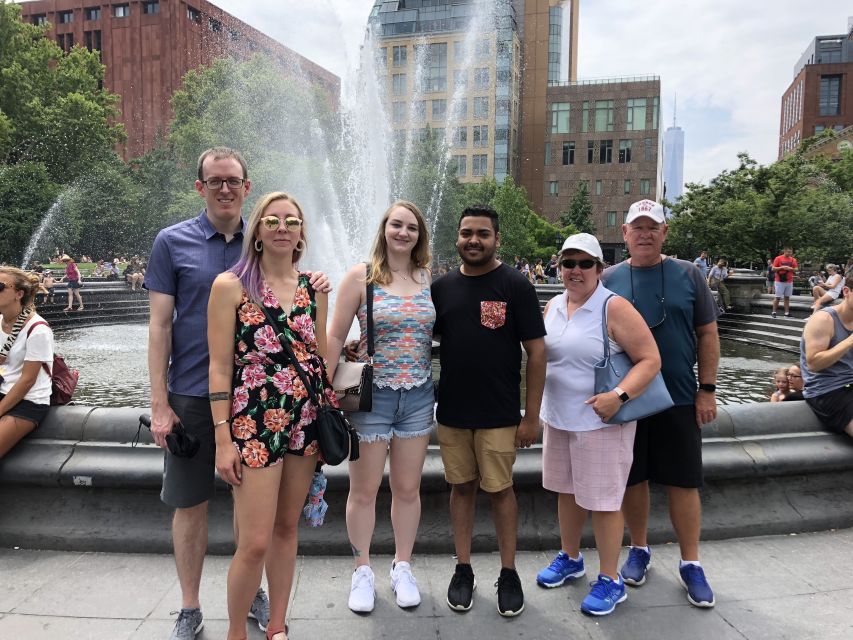
Meet outside Katz’s Delicatessen so you start with a landmark, not a vague address.
Knishes, bialys, and appetizing-shop classics from long-running Jewish food institutions.
Economy Candy since 1937 brings a classic neighborhood sweet-shop stop into the mix.
A fun flavor curve with pickles, doughnuts, and dumplings beyond the deli counter.
Small group size (up to 8) keeps the walk lively and the guide’s explanations easy to follow.
Skip-the-line style stops help you spend more time eating and less time waiting.
Why the Lower East Side Works for a Food Tour
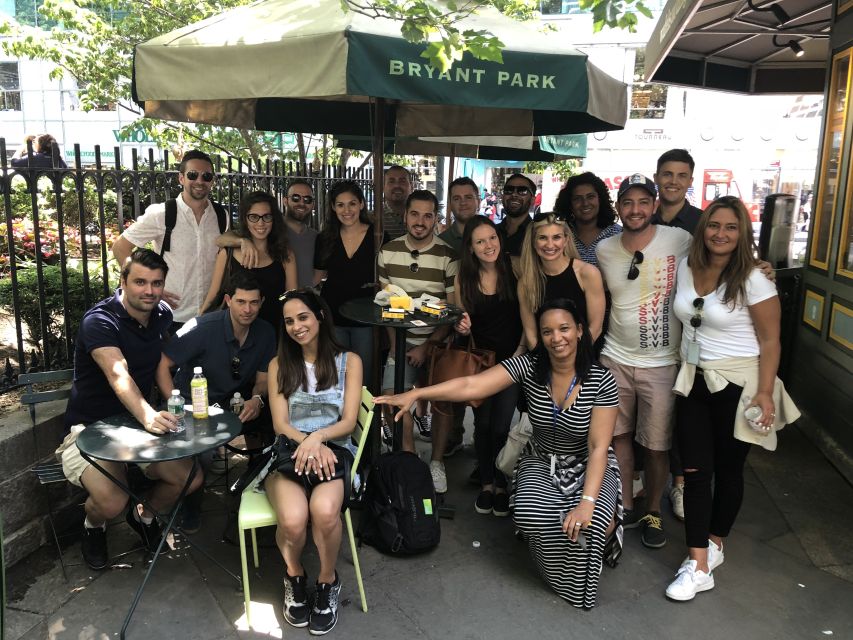
The Lower East Side is one of those NYC neighborhoods where food makes sense. You’re not just grabbing snacks on busy streets. You’re tasting flavors that grew out of migration, tight budgets, and the daily reality of working life. That context changes everything.
This tour leans hard into Jewish food traditions, but it doesn’t trap you in one lane. The area also has that famous mix of cultures and shop styles—trendier boutiques next to mom-and-pop counters, cozy cafés around sharper corner stores. When your guide connects what you’re eating to what the neighborhood looked like historically, it feels like you’re reading the map of the place with your stomach.
And the pace is built for walking. It’s 3 hours, small group size, and a route that keeps you moving without turning into a marathon. You should come hungry, expect plenty of samples, and plan to be on your feet for a chunk of time.
You can also read our reviews of more food & drink experiences in New York City


Meeting at Katz’s and Getting Your Bearings Fast
You meet at 205 East Houston Street, outside Katz’s Delicatessen. It’s an easy visual landmark, which matters in a city where addresses can be tricky when you’re juggling subway timing. The closest subway stop is the 2nd Ave stop on the F train. If you’re coming by B, D, F, or M to Broadway-Lafayette, you’ll walk east along E Houston.
There’s a practical side to starting in front of Katz’s: you immediately set the tone. This neighborhood is famous for food that locals treat like part of daily life, not a one-time tourist stop.
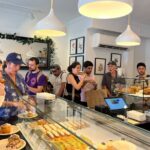
Also, you’ll be in a small group capped at 8, so your guide can steer the conversation toward what’s relevant instead of rushing through facts. In one past tour, the guide Jack stood out for giving strong food-and-history context, and that’s exactly what you want at a place like this.
The Tenement and Synagogue Stops: Why They Matter
Half the value of this tour is that it doesn’t treat the Lower East Side as just a backdrop. It points at what the neighborhood was: an immigrant and working-class area shaped by daily survival and community life.
You’ll explore historic tenement buildings and synagogues, and the goal is to help you understand what it meant to live close together, work hard, and build food traditions that could travel and adapt. That’s not just educational window dressing. When you eat something like a knish or a bialy, you’re tasting a food pattern that served people with limited time and lots of needs.
This is where a good guide earns their keep. Jack’s strength is storytelling with purpose—especially food-related history tied to where you are on the street. If you like your food tours to include meaning (not just menu talk), this piece is a big reason the tour performs so well.
Yonah Schimmel Knish Bakery: Comfort Food With Old Credentials
One of the early anchors is Yonah Schimmel’s Knish Bakery (est. 1910). Knishes are one of those foods that make sense fast: portable, filling, and built for people who needed something that worked on the move.
On a food tour like this, knishes are more than a snack. They’re an introduction to a whole food mindset—simple ingredients, heavy comfort, and a format that fits street life. You’ll likely be comparing textures and flavors as you move through the stops, and the knish is a great starting point because it’s both distinct and familiar enough to evaluate right away.
A practical note: since you’ll be eating several items in a few hours, consider saving room earlier rather than treating the knish like your full meal. You’ll taste more later.
Russ & Daughter’s: Appetizing-Shop Energy, Not Just a Deli Stop
Another highlight is Russ & Daughter’s (est. 1914), described as NYC’s premier appetizing shop. This is where you get a sense of what appetizing means: a food culture built around cured and prepared specialties, served with confidence and history.
Even if you’re not the type who hunts for seafood flavors, the point here is the broader tradition—how Jewish deli and appetizing counters became community institutions. A stop like this also tends to teach you how to taste with intention. You notice salt levels, seasoning style, and how different preparations work together.
The tour includes skip-the-line style access, which can matter a lot at famous places. Less waiting means more time to eat and keep the walking rhythm.
A few more New York City tours and experiences worth a look



Katz’s Delicatessen: The Landmark Stop You’ll Understand More After
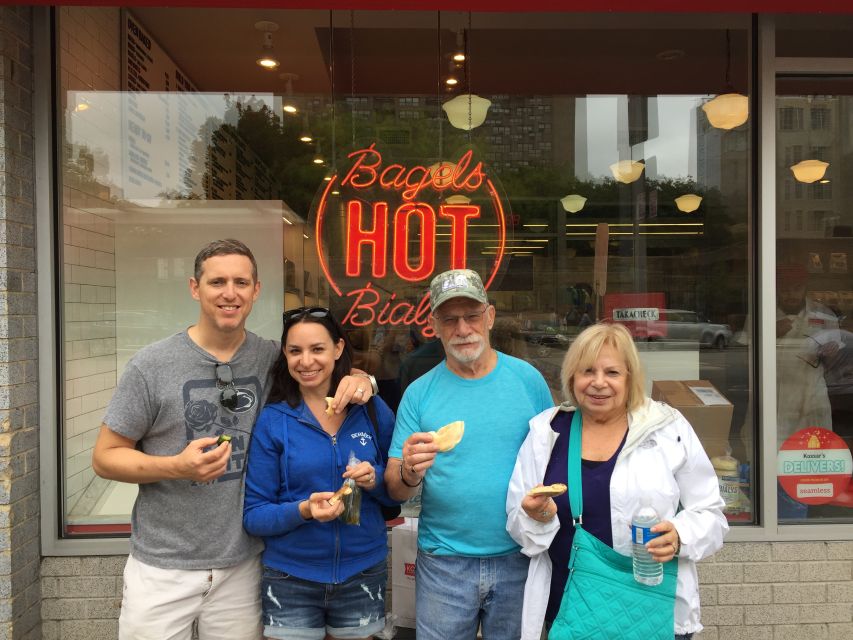
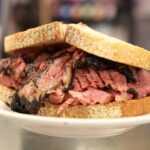
Katz’s is where you meet, but it also plays a major role during the tour. It’s easy to see why: it’s a name people recognize, and it delivers classic deli energy.
What makes Katz’s valuable on this route is the buildup. After you’ve heard the neighborhood context and tasted other staples, Katz’s stops feeling like only hype. You start tasting it as a continuation of the same food needs: filling comfort, reliable flavors, and a food culture tied to the block.
In past tours, the structure has included a sit-down small meal at Katz’s, which helps you recharge before the next stretch of sampling. If you do get some sit-down time, treat it like a rhythm reset rather than a full rest stop.
Kossar’s Bialys: A Dough Texture Lesson in One Bite
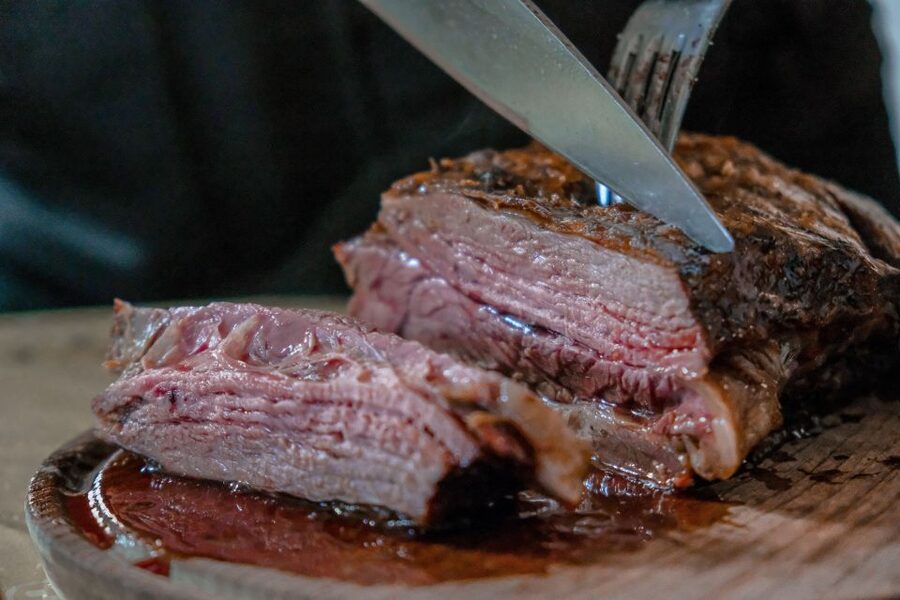
Next up is Kossar’s Bialys (est. 1936), noted as the oldest bialy bakery in the United States. Bialys are one of those foods that look simple until you try them. The flavor and texture are specific, and they’re tied to a style of baking that’s very much its own thing.
On a Lower East Side food tour, bialys help balance the heavier comfort foods. They’re a bread experience, but not just bread. You taste the crisp-chew dynamic and the way toppings work with the base.
If you’re the kind of eater who likes to understand the difference between similar foods, this stop is useful. You’ll come away seeing bialys as their own category, not just a cousin of bagels.
Pickles at The Pickle Guys: The Sour-Crisp Shock
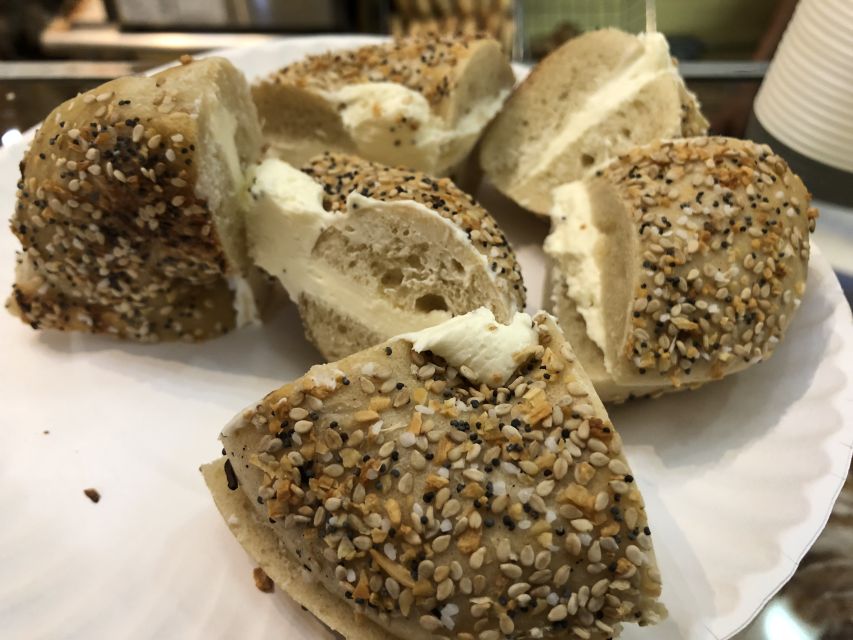
The tour includes The Pickle Guys for pickles made the old-fashioned way. The tasting suggestion is to try something like a half sour or full sour pickle. That word choice matters. Half sour isn’t just less; it changes the punch.
This is a smart tour decision because pickles reset your palate. After richer deli-style bites, the sour snap clears things out so you can enjoy the next flavors without everything blending together.
It’s also one of the stops that makes the tour feel fun, not only traditional. If you like a little attitude in your food, this is a good moment to lean into it.
Doughnut Plant: Dessert That Keeps the Tour Interesting
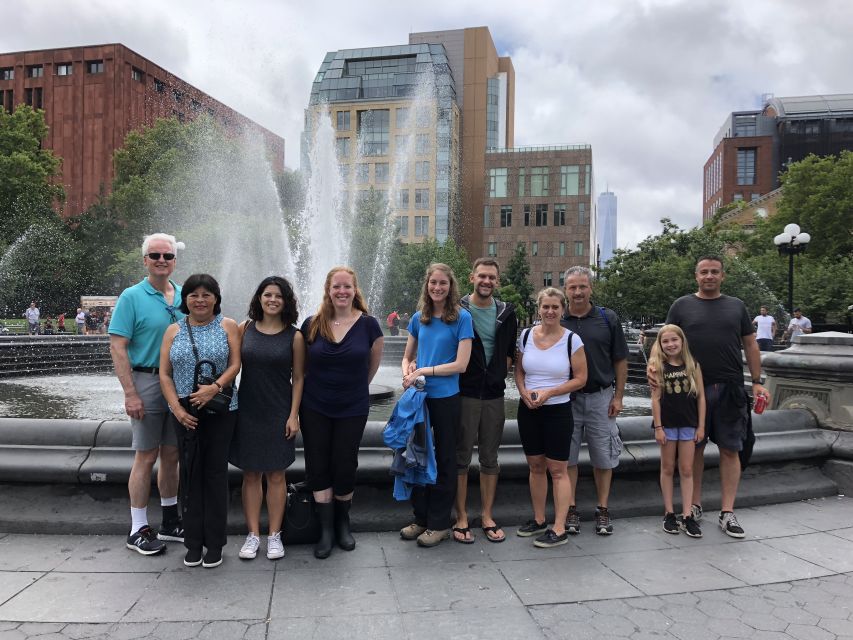
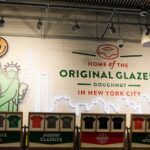
You’ll also hit Doughnut Plant (est. 1994), known for unique flavors and a family recipe. Dessert is risky on food tours because it can feel like an afterthought. Here, it’s treated as part of the neighborhood story: what people crave, what they celebrate, and how a city keeps inventing while still honoring tradition.
One reason this works: the tour already has a lot of savory. Dessert becomes a satisfying close to the savory arc, and the different flavor profiles at Doughnut Plant help you end the walk with a sense that you didn’t just recycle the same taste over and over.
North Dumpling: When the Route Adds a Second Food World
A standout detail in the tour is North Dumpling, with authentic handmade northern Chinese dumplings. This is the curveball that makes the Lower East Side feel like what it is: a neighborhood where cultures overlap on the street, not in separate sections.
Dumplings also help with variety in texture. You’re not only eating deli breads, cured-style bites, and sweets. You’re also experiencing something made around folding and steaming, with a different kind of comfort.
If you’re choosing between food tours and you want one that doesn’t get stuck inside only one culinary lane, the presence of dumplings is a big plus.
Economy Candy Since 1937: A Real Neighborhood Sweet Stop
Then there’s Economy Candy, a candy store that’s been serving the neighborhood since 1937. This stop does something that many food tours forget: it gives you a taste of street-level nostalgia.
The store is described as stocking types of candy, nuts, and dried fruit from floor-to-ceiling. That matters because it sets the scene for what candy counters used to mean—small treats, shared snacks, and an easy way to add a little joy to a long day.
It also provides balance. After savory and tangy bites, the candy-and-nuts energy feels like a classic neighborhood ritual rather than a manufactured tourist dessert.
How the Pacing Really Feels in a 3-Hour Walk
The tour runs 3 hours, and the tastings are spread out so you’re never overwhelmed in one location. Since the group is capped at 8, you’re less likely to get stuck behind a crowd while your guide tries to talk.
Still, it’s a walking tour. Come with comfortable shoes, because the Lower East Side sidewalks are part of the experience. If you’re expecting a sit-down meal marathon, this isn’t that. It’s structured around eating multiple small portions and moving through history on the way.
If you have dietary needs, the tour can often substitute tastings, but you need to flag restrictions a couple of days ahead when you purchase tickets. That advance notice is what makes adjustments smoother.
Price and Value: What $99 Buys You in NYC
At $99 per person, the real question is not whether it’s expensive. It’s whether you’re getting your money’s worth compared to buying each stop on your own.
Here, you’re paying for three things that matter in NYC:
- All food tastings are included, so you avoid the sticker shock of sampling famous places one by one.
- Skip the ticket line helps you keep the tour moving and spend less time stuck in queues.
- The guide adds value by translating what you’re eating into neighborhood context. Jack’s focus on food-related history and the Lower East Side’s story is part of the product you’re buying.
You also get one bottle of water, which sounds small, but it helps keep you comfortable during the walk.
The tour works best if you’re the type who likes multiple tastings and learning while you eat. If you want one huge meal and a long restaurant stay, you might feel the price is less justified. If you want a smart sampler across legendary spots, it’s strong value.
Who Should Book This Lower East Side Food Tour
I think this tour is a great fit for you if:
- you want Jewish deli classics but also like variety (pickles, doughnuts, dumplings)
- you like your food with neighborhood context, not just a list of names
- you prefer a small group (up to 8) and a guide who talks through the why
You might skip it if:
- you have diabetes or you need strict control around sugar and carb-heavy tastings
- you’re traveling with a pet or need to bring large luggage, since pets and large bags/luggage aren’t allowed
- you want mostly sit-down dining instead of a street-food rhythm
Quick Practical Tips Before You Go
- Wear comfortable shoes. The best food tour in the world can’t fix sore feet.
- Dress casually. Expect to be outside most of the time.
- If you have dietary restrictions, plan ahead so substitutions can be arranged.
- If you’re picky about trying new flavors, know that the route includes things like pickles and dumplings, not only mild deli staples.
Should You Book This Lower East Side Food Tour?
If you’re choosing one Lower East Side experience that mixes food with history, I’d book this. It hits classic Jewish institutions—Yonah Schimmel, Russ & Daughter’s, Katz’s, Kossar’s—and then keeps things lively with Pickle Guys, Doughnut Plant, North Dumpling, and Economy Candy since 1937. That mix makes the tasting feel like the neighborhood: traditional, busy, and always adding something new.
The biggest reasons to say yes are simple: you get a guided story through tenements and synagogues, you taste from long-running places with real reputations, and the pacing works for a comfortable 3-hour walk. The biggest reason to say no is also simple: the tour isn’t right for people with diabetes.
FAQ
How long is the New York City Lower East Side Food Tour?
The tour lasts 3 hours.
What is the price per person?
The price is $99 per person.
Where does the tour meet?
The tour meets at 205 East Houston Street, outside in front of Katz’s Deli (10002).
How big is the group?
It’s a small group, limited to 8 participants.
Is water included?
Yes. One bottle of water is included.
Can you accommodate dietary restrictions?
If you let them know a couple of days prior to your tour when you purchase tickets, substitutions are usually possible for most dietary restrictions (such as vegetarian, diabetic, allergy, etc.).
Is this tour suitable for people with diabetes?
No. It is not suitable for people with diabetes.

![[1 Group Only] Osaka Street Food Tour for Family - Meeting point in Naniwa Ward: start close to the action](https://b2.foodtourer.com/wp-content/uploads/1-group-only-osaka-street-food-tour-for-family-400x267.jpg)