Olive oil turns into a story fast. In Epano Archanes, I like how this private olive oil tasting tour at Koronekes Olive Mill makes the whole process feel hands-on, from orchard care to the press room. You’ll get a courtyard start surrounded by olive trees, plus clear, practical talk on what makes quality extra virgin olive oil.
What I love most is the way they show you the machines and methods—so you’re not just sampling, you’re learning. I also really liked the tasting flow, because it teaches you how to taste and compare different oils and flavors instead of guessing what you like. One possible downside: because it’s a short, focused experience, you’ll want to come with some curiosity, not just a casual snack mood.
In This Review
- Key Takeaways Before You Go
- Why This Olive Oil Tasting Works in Crete
- Koronekes Olive Mill: Courtyard Vibes and a Real Working Setup
- Organic Orchard Talk: Where Quality Starts
- First Cold Pressed Method: Machines, Not Mysteries
- The Tasting Flight: EVOO, Flavored Oils, Sweet Vinegar, and Petimezi
- What Makes the Private Format Feel Worth It
- Timing, Location, and How to Fit It Into Your Heraklion Day
- Price and Value: Why $19.36 Feels Reasonable
- Who This Tour Is Best For
- Should You Book This Olive Oil Tasting Tour?
- FAQ
- How long is the olive oil tasting tour?
- Is this tour private?
- What language is the tour offered in?
- What do you taste during the tour?
- Do they explain how olive oil is produced?
- Where is the meeting point?
- Do I need a physical ticket?
- Can I cancel?
- Are service animals allowed, and can most people participate?
Key Takeaways Before You Go
- Courtyard start among olive trees sets a relaxed, real-farm tone before you step into production.
- First cold-pressed versus cold extraction is explained with the actual process and equipment.
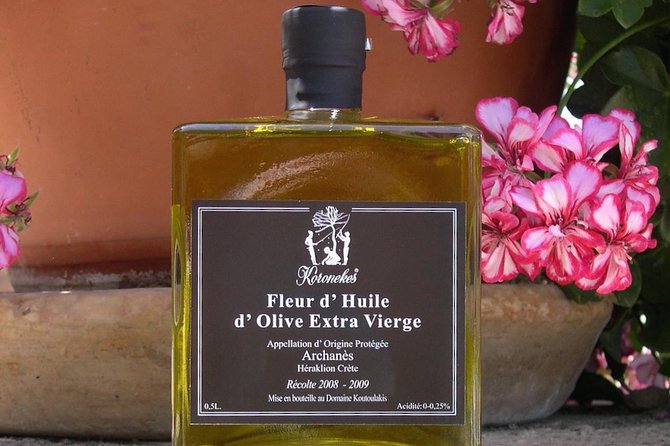
- A full tasting flight includes 3 EVOO qualities plus flavored oils, sweet vinegar, and petimezi.
- Private, English-speaking guide time means you can ask questions and get personal pacing.
- Short duration (about 1 hour to 1 hour 20 minutes) keeps it efficient, but plan it like a real activity, not a long hang.
Why This Olive Oil Tasting Works in Crete
Olive oil tastings can turn into a lecture or a free-for-all. This one aims for the sweet spot: practical education paired with enough samples that you can actually tell the difference. You’re in Epano Archanes, a quieter spot south of Heraklion, and the setting makes the food feel tied to the land instead of like a showroom.
The tour price is also refreshingly straightforward. At $19.36 per person, you’re not just paying for small pours. You’re paying for a guided visit with an included admission ticket, plus a tasting that covers multiple categories of what the producer makes. For that money, you come away with skills you can use later—like recognizing extra virgin olive oil in your future shopping.
The other thing that makes this experience click is the private format. It’s you and your group only, so the guide isn’t trying to manage a crowd. You get time to ask the obvious questions, like what to look for when tasting, and what separates methods like first cold pressing from modern cold extraction.
You can also read our reviews of more food & drink experiences in Crete
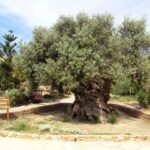


Koronekes Olive Mill: Courtyard Vibes and a Real Working Setup
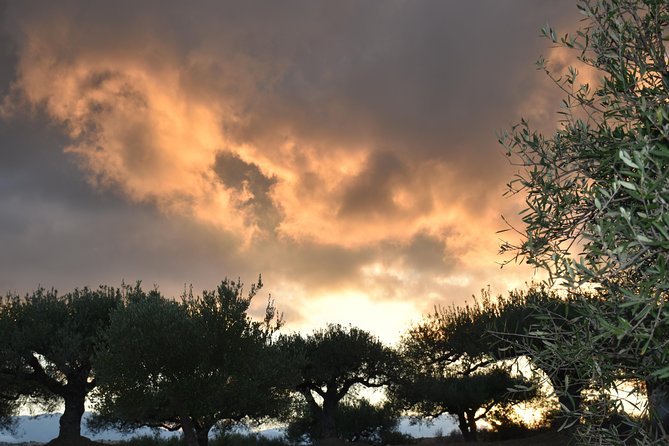
The experience starts back at the mill’s courtyard, with olive trees all around. This matters more than it sounds. It helps you get oriented before you get technical. You’re not rushing straight into tanks and equipment; you’re grounded in the orchard side first, where farming choices shape the final oil.
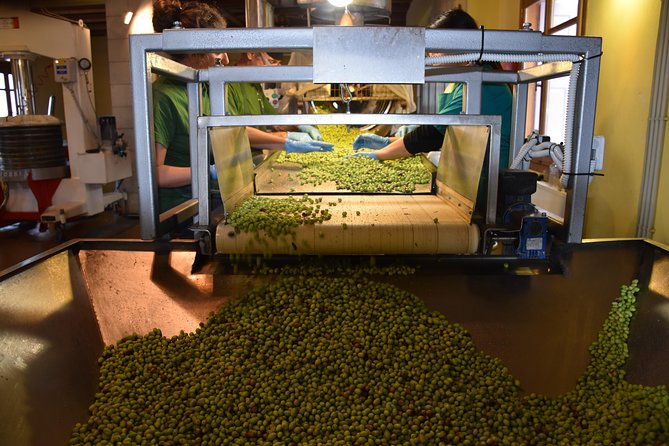
From there, you move into the mill, where the visit shifts into production mode. Expect explanations in a clear, visitor-friendly way, and the staff come across as friendly and easy to talk to. A highlight for me is that they’ll point out what’s happening at each stage rather than speaking in vague generalities.
Also, one small detail that shows how relaxed the place can feel: there’s mention of a friendly dog around during the visit. That kind of detail won’t change the oil, but it does change the atmosphere. It feels lived-in, not staged.
Organic Orchard Talk: Where Quality Starts
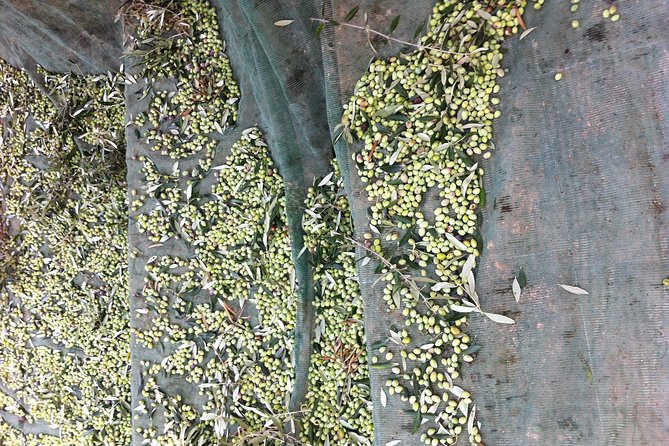
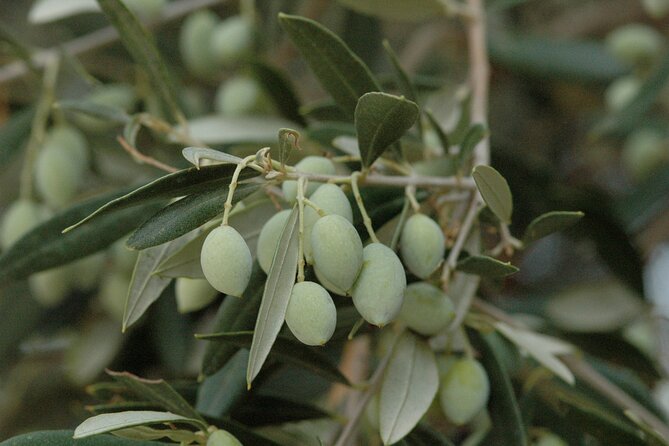
Before you see the presses, you’re told about organic olive tree farming. Even if you don’t care about farming practices on paper, this part helps you understand why oil from the same region can taste different.
Here’s the useful takeaway you can carry with you: when they talk about organic cultivation, they’re connecting the dots between tree care and the end product you’ll later smell and taste. It’s not just about labeling. It’s about how decisions upstream—what the trees get and how they’re tended—show up in flavor.
If you’re the type who likes to understand where food comes from, you’ll appreciate this. If you only want the tasting and don’t want any production context, you might feel this part is still worth it because it makes the later differences make sense.
First Cold Pressed Method: Machines, Not Mysteries
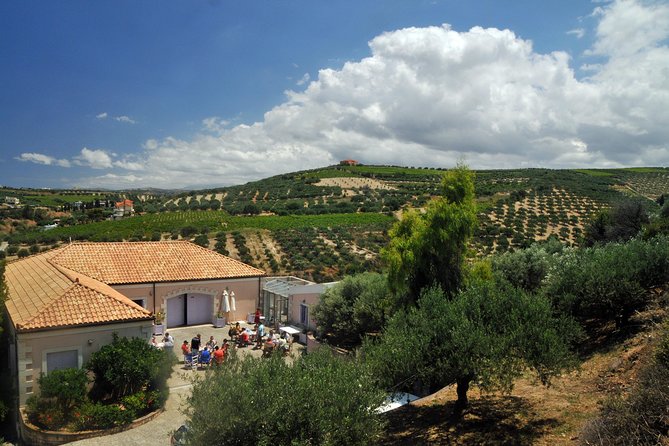
One of the main reasons I think this tour is good value is that they explain production with real equipment. You’ll enter the olive mill and learn about the first cold pressed method of producing extra virgin olive oil. The tour highlights show you each machine and explain what it’s doing.
This is the part that turns your tasting from guesswork into comparison. When you know what a method is meant to preserve—especially the idea behind cold processes—you understand why the oil might taste fresher, more expressive, or different in intensity.
They also cover the other, modern cold extraction approach, which uses a centrifuge. That contrast is important. It’s not presented as one magic solution. Instead, it’s framed as two methods in the real world, with different mechanics and different implications for the oil.
From a practical standpoint, this is also where you’ll start learning the language of quality. You may find that you can better explain what you’re smelling—fruitiness, bitterness, and other characteristics—because you’ve been taught what to listen for in the first place.
The Tasting Flight: EVOO, Flavored Oils, Sweet Vinegar, and Petimezi
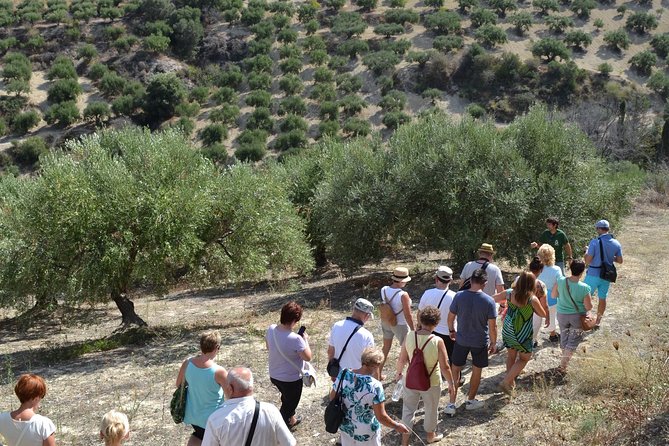
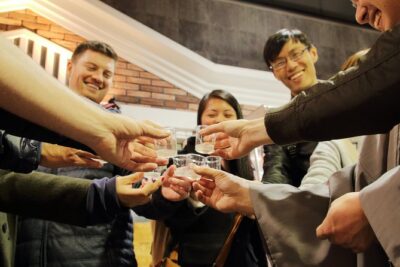
Then the tour pivots to the fun part: tasting. You’ll sample three qualities of extra virgin olive oil, which is great because it immediately teaches variety. Many tastings only give you one EVOO and a couple of quick comparisons. Here, you get multiple qualities, so you can actually notice differences across batches and styles.
They don’t stop at plain EVOO either. You’ll taste two flavored oils as well. This is a smart inclusion because flavored oils often get marketed as fancy shortcuts, but tasting them side by side helps you understand what changes—aroma, balance, and how the base oil behaves.
To make sure the experience feels fully Cretan, you’ll also taste a sweet vinegar and petimezi, a grape syrup. This is the part that makes it more than an oil workshop. It helps you connect the oil to other local flavors—sweet, tangy, and thick and syrupy notes that you might not expect in an olive-focused visit.
Practical note: tastings involve real samples, so plan your day like you’re doing an activity, not like you’ll just snack and keep going. You’ll likely want time afterward to let your palate reset a bit.


What Makes the Private Format Feel Worth It
This is a private tour/activity, meaning only your group participates. That small line on paper matters in real life.
First, you get a better pacing. If you’re slower at tasting, you don’t feel rushed. If you’re more curious and want extra explanation about what a machine does or why certain flavors show up, you can ask and get an answer.
Second, your guide can adjust the lesson. The tour is in English, with staff showing a good level of communication. You should feel comfortable asking questions about how to taste extra virgin olive oil and how to tell what qualifies as EVOO versus other categories of oils and blends.
If you’re traveling as a couple, it can also feel like a mini food class with a real producer instead of a generic tourist stop. It’s the kind of experience that can beat longer tours because it’s focused and personal.
Timing, Location, and How to Fit It Into Your Heraklion Day
The visit runs about 1 hour to 1 hour 20 minutes. That’s a workable length for a day that also includes sightseeing, beaches, or wine country stops. It’s long enough to teach you something, but short enough that you’re not stuck all morning or all afternoon.
Meeting point is at Koronekes Olive Mill in Epano Archanes (701 00). There’s no street name listed with the meeting point, so I’d treat the mill name as your anchor. Getting there matters because this is the start point and the tour ends back at the same place.
Tour times vary, which is useful. You can choose a slot that matches your energy level—especially helpful if you’re balancing multiple food stops around Heraklion.
Also, the tour gets booked ahead, on average about 19 days in advance. That’s not an emergency, but it does suggest demand is steady. If you’re traveling in peak season or you’re aiming for a specific time window, booking earlier is the smart move.
Price and Value: Why $19.36 Feels Reasonable
Let’s talk value in plain terms. At $19.36 per person, you’re paying for four things at once:
- A guided visit through a working olive mill
- An included admission ticket
- Multiple tastings (3 EVOO qualities, 2 flavored oils, sweet vinegar, petimezi)
- Education on production methods like first cold pressing and cold extraction with a centrifuge
If you’ve ever paid for tastings where you get two tiny samples and a long talk, you’ll appreciate the balance here. This doesn’t feel like a vending machine of pours. It’s a lesson you can use. Even if you don’t become an olive oil nerd overnight, you’ll leave with better instincts for what to look for.
The private angle adds value too. For the same per-person price, the experience tends to feel more tailored than larger group tastings.
Who This Tour Is Best For
This is a strong choice if you want food education that’s real and practical.
You’ll probably enjoy it most if:
- You like learning how local products are made
- You want to taste in a structured way (not random free samples)
- You’re interested in the difference between methods and what it means for oil
- You want a short, high-impact activity near Heraklion
It’s also a great option if you’re the type who likes to ask questions. The format supports that, and the staff come across as approachable.
Should You Book This Olive Oil Tasting Tour?
I’d book it if you want a focused olive oil experience that teaches you how to taste, not just what to taste. The combination of production explanations, multiple EVOO samples, and the added Cretan flavors like sweet vinegar and petimezi makes it feel like you get more than a standard tasting stop.
Skip it only if you’re actively avoiding any food-and-sample format. This tour is built around tasting. Also, because it’s only about 1–1 hour 20 minutes, make sure you’re ready for a compact experience rather than a long, slow farm visit.
If you’re staying around Crete’s Heraklion area and you want a high-value, low-stress way to understand extra virgin olive oil, this is the kind of booking that pays off immediately—every time you open a bottle after your trip.
FAQ
How long is the olive oil tasting tour?
It runs about 1 hour to 1 hour 20 minutes.
Is this tour private?
Yes. It’s a private tour/activity, so only your group will participate.
What language is the tour offered in?
The tour is offered in English.
What do you taste during the tour?
You’ll taste 3 qualities of extra virgin olive oil, 2 flavored oils, a sweet vinegar, and petimezi (grape syrup).
Do they explain how olive oil is produced?
Yes. You’ll learn about organic olive tree farming and the first cold pressed method of producing extra virgin olive oil, plus the modern cold extraction method using a centrifuge.
Where is the meeting point?
The meeting point is Koronekes Olive Mill, Epano Archanes 701 00, Greece. The tour ends back at the same meeting point.
Do I need a physical ticket?
No. The tour uses a mobile ticket.
Can I cancel?
You can cancel for a full refund up to 24 hours before the experience’s start time.
Are service animals allowed, and can most people participate?
Service animals are allowed, and most travelers can participate.