REVIEW · OSTUNI
Ostuni: Olive Oil Tasting Tour
Book on GetYourGuide →Operated by PUGLIAMARE SRL · Bookable on GetYourGuide
Ancient olives turn oil tasting into a history lesson. At Masseria Valente near Ostuni, I like strolling among trees said to trace back over 2,000 years, and I also enjoy touring the hypogeum and epigean oil mills before tasting three organic oils. One drawback: it’s a tight, 1-hour style experience, so if you want a long sit-down meal, you may need to plan extra time.
Guides such as Angela, Maria, and Carla are often praised for making the process feel clear and personal. You’ll end up with a better sense of what you’re tasting, plus a few things you’ll actually know how to buy when you’re back home.
In This Review
- Olive oil heaven in Ostuni: what makes this tour worth your time
- Key things to know before you go
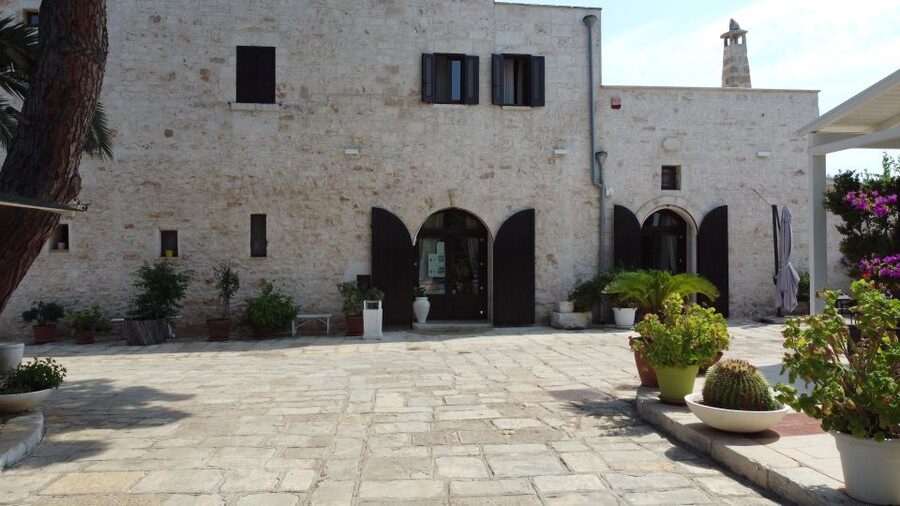
- Arriving at Masseria Valente: timing and what you’ll feel when you step in
- Walking the olive groves: why those “old trees” actually matter
- Hypogeum mill (16th century) vs epigean mill (19th century)
- How the guide helps you taste three organic oils
- The food pairings: olives, tarallini, and fried broad beans
- Duration and pace: what this 1-hour tour is really like
- Price and value: is $53 fair for what you get?
- Who this tour suits best
- Practical tips so you enjoy it more
- Should you book the Ostuni olive oil tasting tour?
- FAQ
- How long is the Ostuni olive oil tasting tour?
- Where does the tour start?
- Do I need a transfer to reach the meeting point?
- What time should I arrive?
- What’s included in the price?
- Is the tour offered in English?
- How many olive oils will I taste?
- Is cancellation free?
- Can I book without paying right away?
- Is there on-site food available beyond the tasting?
Olive oil heaven in Ostuni: what makes this tour worth your time
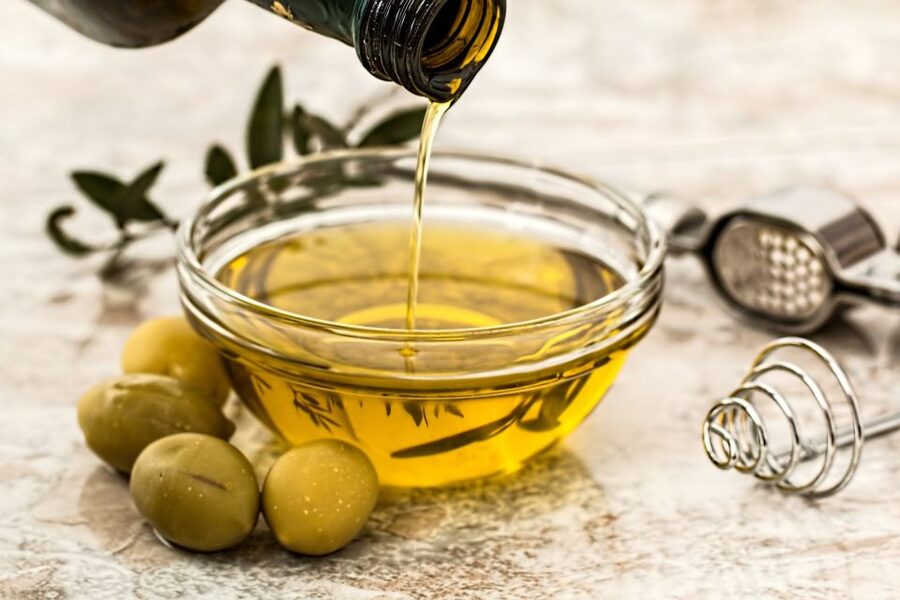
This tour is built around one simple idea: olive oil isn’t just a product. It’s a whole farm system, shaped by place, time, and careful processing. You start with the grove. Then you step into the machinery that pressed the fruit long before modern kitchens even existed. Finally, you taste three oils and learn how to connect the flavors to the olives and methods.
At Puglia’s countryside pace, it feels more like a working estate visit than a performance. And because you’re tasting only a few oils, the comparisons are easy to follow. That is a real value, because many tastings are “too much of a good thing,” and you leave remembering nothing.
Key things to know before you go
- Ancient trees on a real working masseria: some are said to date to the Punic Wars era.
- Two kinds of mills in one visit: you’ll see a historic hypogeum press and an epigean one.
- Three organic oils, not just one: you get enough variety to notice differences.
- Local pairings during the tasting: olives, tarallini, and fried broad beans are part of the experience.
- English and Italian live guidance: you can ask questions during the walk and inside the mills.
- A quick 1-hour format: expect a focused overview, not an all-day immersion.
Arriving at Masseria Valente: timing and what you’ll feel when you step in
You’ll meet at Masseria Valente and should arrive about 15 minutes early. That small buffer matters here because you’ll want to settle in before the owner or guide leads you out to the olive trees.
Once you’re inside the property, the rhythm is straightforward. You walk first, then tour the mills, then taste. Nothing is rushed to the point of chaos, but it is efficient, which is exactly why it stays around the 1-hour mark.
Walking the olive groves: why those “old trees” actually matter
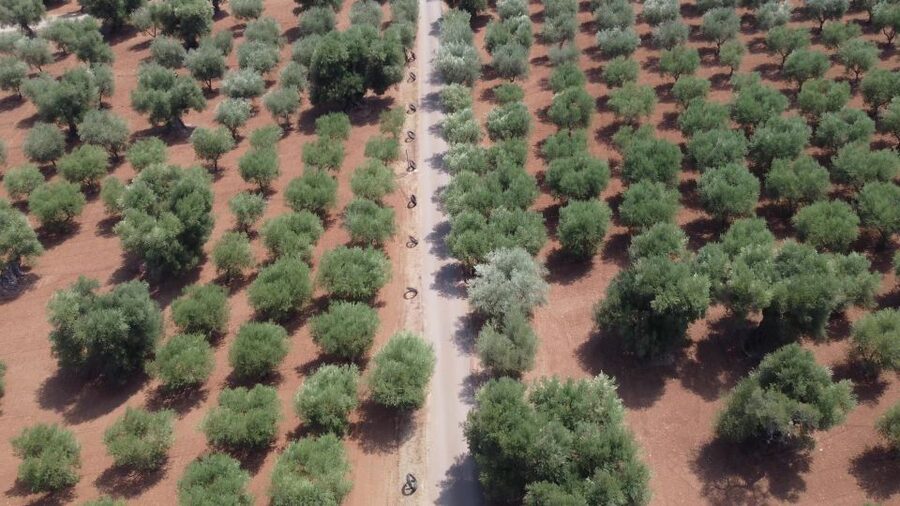
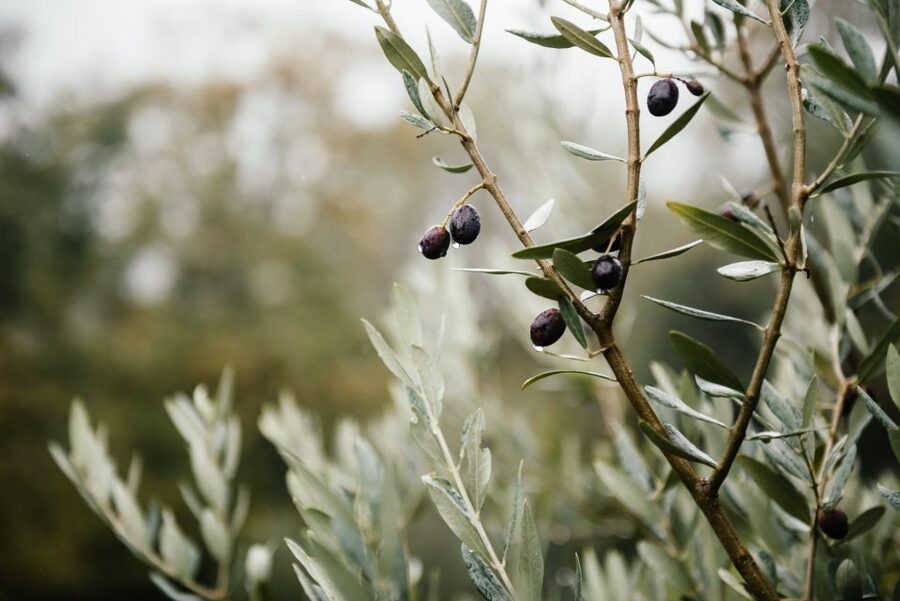
The grove portion is more than a scenic warm-up. You’ll stroll among ancient, millenary, and younger olive trees, and you’ll hear the kind of farm details that make the estate feel lived-in.
What I find especially compelling is the claim that some trees were planted over 2,000 years ago by veterans of the Punic Wars. Even if you treat the timeline as a story the farm shares, it still points to something real: olives here aren’t new. They’re part of a long agricultural tradition, tied to soil and climate more than trends.
You also get a sense of how olives grow on a masseria estate. Instead of thinking of oil as something made in a factory far away, you can picture the farm steps that come before pressing. That makes your later tasting feel more grounded.
Hypogeum mill (16th century) vs epigean mill (19th century)
This is the portion that turns the tour from “tasting class” into “farm history you can walk through.”
You visit a 16th-century hypogeum oil mill, meaning the processing area is underground. Underground spaces keep temperatures steadier, and the setting itself helps you understand why older methods were designed for durability and practicality. You’ll see the old processing floor and get a clear view of what production looked like before electricity made everything easier.
Then you move to the 19th-century epigean mill, which is the above-ground counterpart. Seeing both in one visit gives you a simple before-and-after picture: not just what people made, but how they built for the conditions they had.
A lot of the excitement comes from the contrast. The underground area feels earthy and ancient. The later mill feels like progress, but still rooted in traditional processing. If you like understanding systems, this section is where you’ll feel the most payoff.
How the guide helps you taste three organic oils
The tasting is set up so you can compare without getting overwhelmed. You’ll taste three organic oils, and the guide will talk you through what you’re noticing while you smell and sip.
Think of the tastings as short experiments. One oil might feel fruitier, another might show more bitterness or peppery notes, depending on how the olives were handled and processed. Even if you don’t become an oil chemist by the end, you’ll leave with a practical sense of how different oils can taste different on the palate.
Guides like Angela, Maria, and Carla are repeatedly praised for doing this in a way that feels clear and fun. If you’re the type who asks questions, this is a good moment to do it. You’re tasting the same product category across three varieties, so your questions have something concrete to latch onto.
The food pairings: olives, tarallini, and fried broad beans
This tour doesn’t treat tasting as a solo activity. You’re offered local specialties alongside the oils, including olives, tarallini, and fried broad beans.
Why it matters: those pairings help you understand oil as part of real eating, not just something you taste from a small cup. Tarallini add crunch and a salty bite that can make the oil feel smoother or sharper, depending on the oil. Broad beans bring a hearty, savory element that lets you notice how an oil complements richness rather than just competing with it.
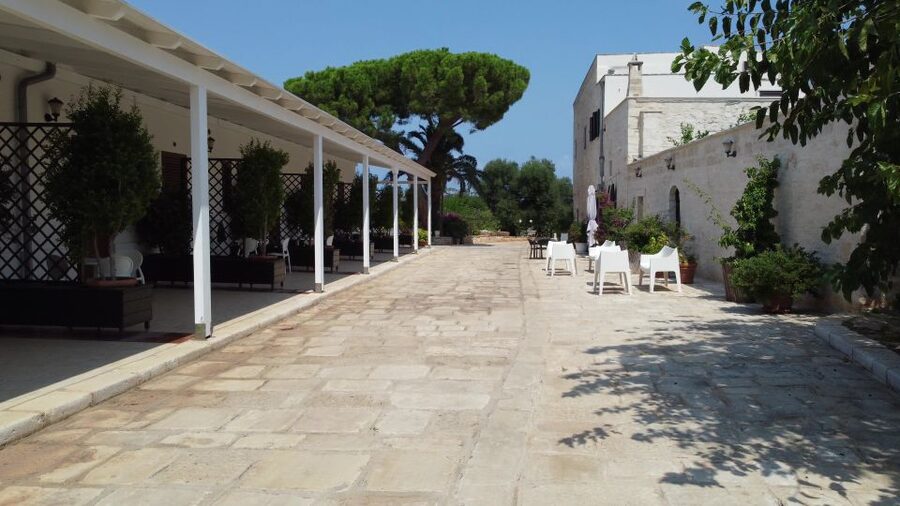
You’ll also see that the estate has its own onsite food setup. One common theme in people’s feedback is that they enjoyed extending the visit with extra appetizers and wine in the dining room when there was time. So if you finish feeling curious, you might have options to keep the experience going on property.
Duration and pace: what this 1-hour tour is really like
This is not an all-day tour. It’s a focused loop: walk through the grove, visit the mill spaces, then do the tasting with local bites. That makes it a smart choice if you’re short on time in Ostuni or you want something hands-on that doesn’t eat half your day.
Because it’s short, you should calibrate expectations. You’ll learn a lot, but you won’t get a full harvest-season deep dive or a long sit-down lunch included in the price. If you want lots of extra time in the dining room, treat that as a bonus, not a guarantee.
Also, keep in mind that the tour is led live in English and Italian, but guide language and pacing can vary by day. If you’re traveling with someone who speaks Italian, it may help you get even more out of the explanations when questions come up.
Price and value: is $53 fair for what you get?
At $53 per person, the price can feel high if you only measure by minutes. Some people do point out that it’s a quick tour and that the tasting portion is limited to three oils. If you’re the type who wants a big tasting flight with loads of samples, you might wish for more.
But here’s why I think the value still makes sense for many people. You’re paying for three things that are hard to replicate on your own:
- access to a traditional masseria setting with ancient groves
- guided entry into historic processing spaces (including the underground hypogeum)
- a structured tasting of three organic oils plus local snacks like olives, tarallini, and fried broad beans
If you’re interested in how olive oil is made and not just how it tastes, that combination justifies the cost more than a standard “walk and sample” session.
Who this tour suits best
This is a strong fit if you want a hands-on taste of Puglia that doesn’t require a car, a museum pass, or a full afternoon commitment. It also works well for couples, food lovers, and anyone who likes agricultural stories tied to real places.
You might be less satisfied if you’re mainly looking for a long meal experience or if you expect a large variety of tastings. It’s built to be efficient and focused, not endless.
Practical tips so you enjoy it more
Wear shoes you don’t mind getting a little dusty. Olive groves and old mill areas are working spaces, and you’ll feel better with comfortable footing.
Bring curiosity. The best part of this tour is the connection between trees, processing rooms, and flavor. If you pay attention to what you smell and taste, the explanations stick.
Finally, if you’re planning to buy oil, taste with purpose. Think about how you cook at home: some oils feel more suited to finishing salads and bread, while others work well with richer dishes. You’ll have better guidance once you’ve made those comparisons on-site.
Should you book the Ostuni olive oil tasting tour?
Book it if you want an authentic masseria experience that combines ancient olive trees, historic milling spaces, and a clear, practical tasting of three organic oils with local snacks. It’s also a good choice if you like structured learning without a day-long time sink.
I would hesitate if you’re chasing a long food outing or you want lots of oils to sample. At $53, you’re paying for a compact, high-impact loop. Plan for the tasting, then consider adding extra bites elsewhere (or asking whether you can extend on property) if you want more time.
If you go in with realistic expectations and a good attitude, this is the kind of short tour that stays with you when you’re shopping for olive oil later.
FAQ
How long is the Ostuni olive oil tasting tour?
The activity duration is listed as 1 hour.
Where does the tour start?
The meeting point is Masseria Valente.
Do I need a transfer to reach the meeting point?
Transfer is not included, so you’ll need to arrange your own way to get there.
What time should I arrive?
Arrive about 15 minutes before the activity starts.
What’s included in the price?
The tour includes a guide and a tasting of three organic oils with olives, tarallini, and fried broad beans.
Is the tour offered in English?
Yes. The guide provides live commentary in English and Italian.
How many olive oils will I taste?
You’ll taste three types of olive oil.
Is cancellation free?
Cancellation is free up to 24 hours in advance for a full refund.
Can I book without paying right away?
Yes. There is a reserve now & pay later option, with pay nothing today.
Is there on-site food available beyond the tasting?
The tour includes the tasting with local specialties. Some people have mentioned adding appetizers and wine in the on-site dining room, depending on timing and availability.
![Tokyo Shinjuku Food Tour for Family [1 Group Only] - Table-griddle cooking in Shinjuku 3-chome: okonomiyaki and monjayaki](https://b2.foodtourer.com/wp-content/uploads/tokyo-shinjuku-food-tour-for-family-1-group-only-400x300.jpg)