REVIEW · PASSY GRIGNY
Passy-Grigny: Chocolate and Champagne Tasting Tour
Book on GetYourGuide →Operated by Champagne DOM CAUDRON · Bookable on GetYourGuide
A champagne tour with chocolate beats the big-name crowds. At Champagne Dom Caudron in Passy-Grigny, an English guide shows you how Champagne is made, then pairs it with chocolates in a simple, memorable tasting.
I especially love the behind-the-scenes production stop (pressing to the modern vat house) and the 3-and-3 pairing of chocolates and Champagnes. One possible drawback: getting to the location can be tricky without a car, since public transport is limited.
In This Review
- Key highlights at a glance
- A small Champagne house where the process feels real
- Why the Passy-Grigny origin story actually matters
- Getting to Champagne Dom Caudron: plan for transport
- Entering the house: where you start to understand Champagne
- The guided tour in English: what you’ll learn step-by-step
- A key detail: this tour leans more production than pure history
- The Aimé Caudron connection you’ll feel during the tour
- Chocolate and Champagne: the 3-and-3 tasting pairing
- The guide personalities can make the experience feel extra welcoming
- Timing and pace: 1.5 hours you can actually fit
- Price and value: what $31 buys you
- Who should book this Passy-Grigny tasting?
- Quick, honest tips before you go
- Should you book this tour?
- FAQ
- What is the duration of the Passy-Grigny chocolate and champagne tour?
- Is the tour offered in English?
- What do you taste during the experience?
- Where does the tour take place and where do you meet?
- How can I find the right start time?
- Is the experience wheelchair accessible?
- Is there free cancellation?
- Is reserve now and pay later available?
- Is the tour strictly about Champagne or also about production?
Key highlights at a glance
- English-language tour focused on how Champagne is made, not just branding
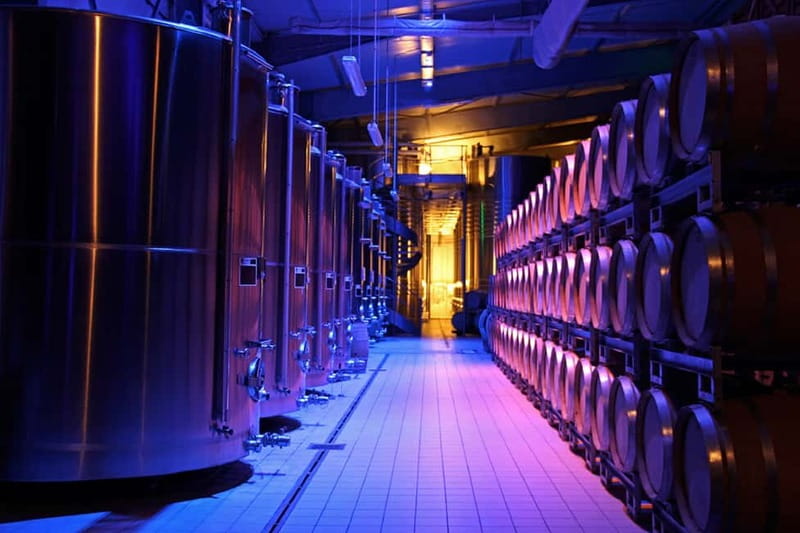
- Pressing to modern vats at a working Champagne house in the Marne Valley
- Aimé Caudron’s local story connecting Passy-Grigny to Champagne production
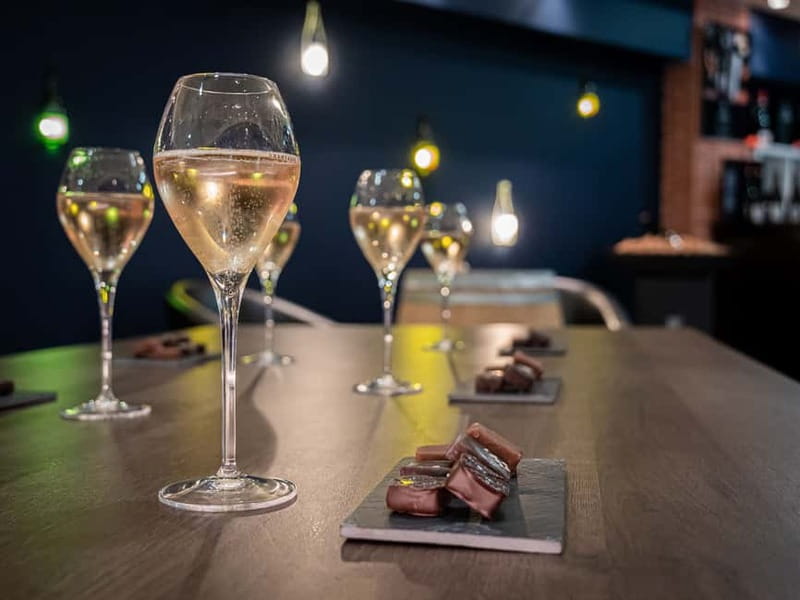
- 3 Champagne tastings paired with 3 chocolates, with explanations along the way
- Video/documentary and time for questions, so you leave understanding the process
- Wheelchair accessible and paced for both beginners and experienced wine fans
A small Champagne house where the process feels real
If you’re choosing between another huge, bus-style winery stop and something more personal, this one makes sense. Champagne Dom Caudron sits in Passy-Grigny, right in the Marne Valley, and the tour gives you the nuts-and-bolts view of production.
You’ll do the tour in English with a live guide, and you’ll finish with tastings that are built around pairing. The goal is not to overwhelm you with jargon. It’s to help you connect what you see with what you taste.
Why the Passy-Grigny origin story actually matters
Passy-Grigny isn’t just a convenient dot on the map. The roots of this Champagne house trace back to this village and a priest with a big idea: Aimé Caudron.
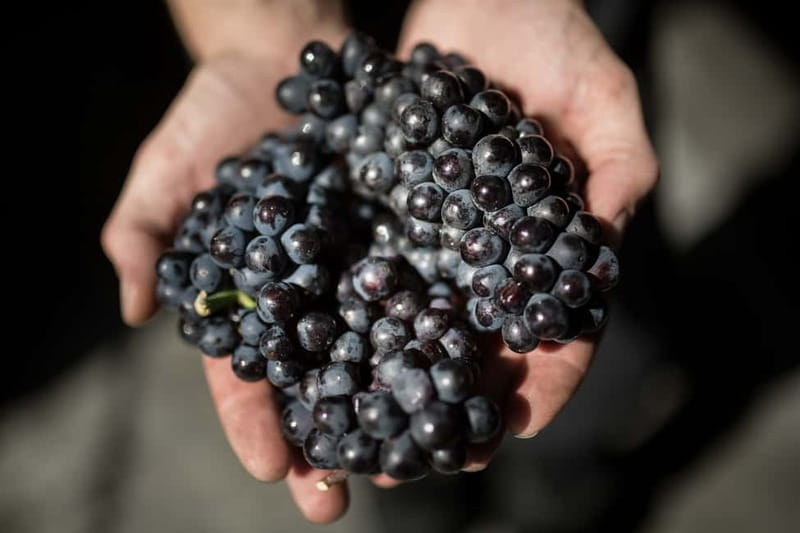
In 1929, Caudron gathered local winemakers and helped form what’s known as the Meunier grape. That local connection helps you understand why Champagne here isn’t just a product—it’s part of the community’s long-term work.
This matters for your trip because it changes the tone of the visit. Instead of a lecture about famous names, you get a sense of local farming and how Champagne grew from an organized, shared effort.
Getting to Champagne Dom Caudron: plan for transport
This is the part to take seriously, because it can shape how smooth your day feels. The meeting point is at 10 Rue Jean-York, Passy-Grigny, and your tour ends back at the same spot.
In practice, expect that you may need your own ride. Some visitors note that public transportation isn’t available except options like Uber or Bolt, so don’t assume you can hop on a train or bus and wander over.
If you’re basing yourself in Reims or Épernay, this is still doable as a day stop. Just build in time for getting to and from Passy-Grigny so you’re not rushing through tastings.
Entering the house: where you start to understand Champagne
Your visit begins at Champagne Dom Caudron, and from there you move through the key production areas. The tour is designed so you can follow the process even if Champagne is new to you.
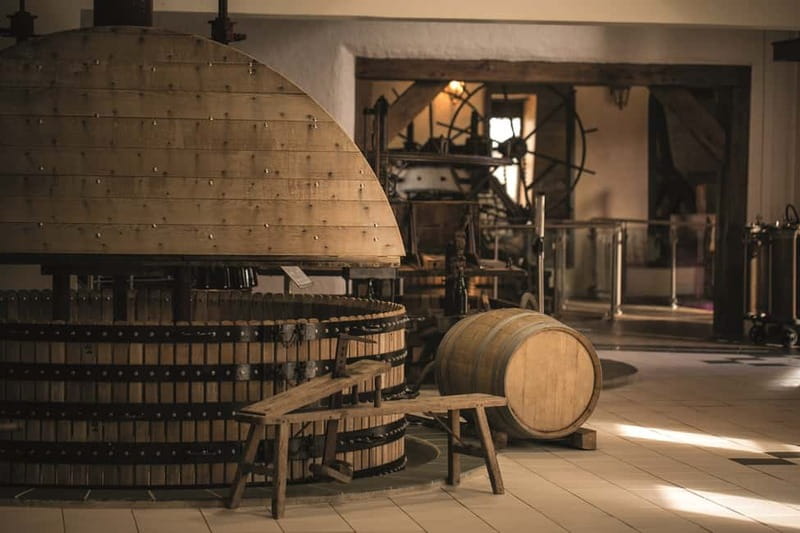
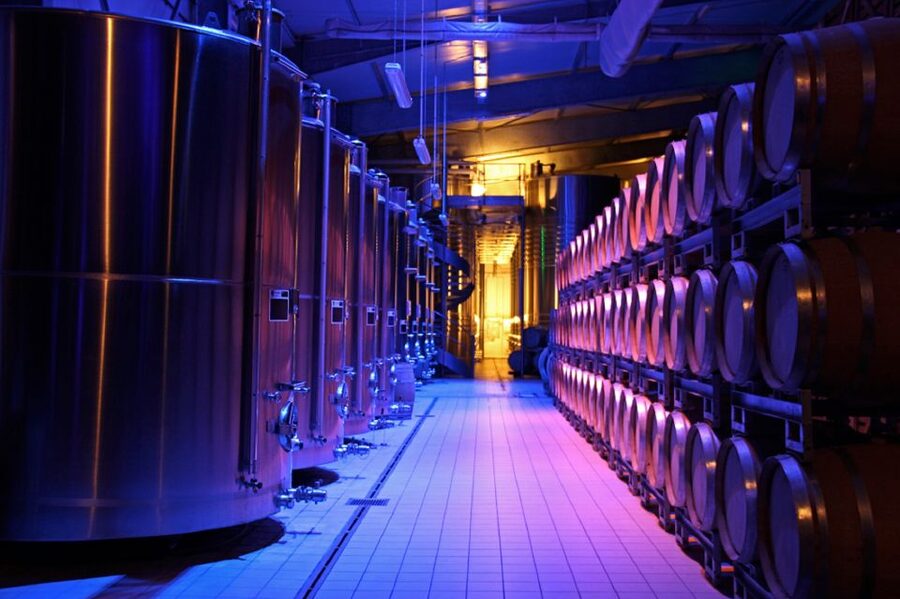
A big part of the appeal is the route the guide takes you through. You start at the early stage—pressing—and you move toward the modern side of production in the vat house. You’re seeing how the same goal gets reached through both traditional steps and current equipment.
That “from old to new” flow helps you make sense of why two Champagnes can taste different even when they come from the same region. It’s not magic. It’s steps.
The guided tour in English: what you’ll learn step-by-step
The English tour is a real teaching format, with explanations that connect visuals to flavor. You’ll get a guided walkthrough that takes you from the first press through the modern vat house.
Expect a mix of talking, seeing, and a short documentary/video presentation that shows the harvest and process. It’s useful if you like learning by pattern—watch, then match it to what you’re standing in.
You also get time for questions. The guide’s job is to keep your pace comfortable while answering as you go. That’s one reason visitors describe the experience as friendly and well organized: it doesn’t feel like you’re being pushed through.
A key detail: this tour leans more production than pure history
You should know the style of this visit. The focus is mainly on how Champagne is made, including production steps and modern facilities. If you’re hoping for a heavy dose of Champagne history and house-by-house stories, you might feel it’s more technical than historical.
That’s not a problem if you want to understand what’s happening behind the glass and labels. It’s simply a fit question.
For many people, that production emphasis is exactly why this tour works. It turns your Champagne tasting into something you can explain to friends afterward.
The Aimé Caudron connection you’ll feel during the tour
Even though this is a production-focused visit, the local origin story shows up in the framing. The tour ties Passy-Grigny to the creation of what became known for the Meunier grape.
This kind of context is valuable because Champagne can feel like a distant brand from afar. Here, it lands as a place-based story. You learn that the grapes and the decisions weren’t chosen in a vacuum.
That sense of place is why the tour also feels like a region experience. You’re not just tasting a drink. You’re seeing how the Marne Valley supports it.
Chocolate and Champagne: the 3-and-3 tasting pairing
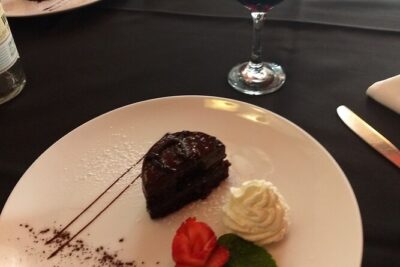
The ending is the fun part: a tasting of 3 Champagnes paired with 3 chocolates. This is where the tour stops feeling like a classroom and becomes a pleasure you can remember.
The guide doesn’t just pour. They explain enough so you can notice what changes when you change the chocolate. That’s the point of pairing: you’re training your palate to recognize how sweetness, cocoa, and texture react to bubbles and acidity.
Even if you think you don’t like pairing, the structure helps. You can try one Champagne, then move to its chocolate partner. After a few rounds, you start understanding what you personally enjoy rather than what a menu tries to tell you.
The guide personalities can make the experience feel extra welcoming
A well-run tasting depends on more than facts. It depends on the human tone.
Visitors have highlighted different guides by name, including Clémentine, Fanny, and Katja. Across descriptions, the common thread is enthusiasm and a sense of pride in what they do.
Some hosts may add small moments that make it memorable, such as demonstrations like opening a bottle with a sabre. You shouldn’t count on it, but if it happens during your time slot, it’s a classic Champagne bit that adds energy without derailing the tasting.
Timing and pace: 1.5 hours you can actually fit
The tour runs about 1.5 hours. That’s long enough to see the process and still short enough to keep your day flexible.
This pacing is a practical win. You can schedule it as part of a longer Marne Valley visit, or you can add it between other stops without losing an entire afternoon.
Also, because it ends back at the same meeting point, you don’t need to plan additional logistics. Your timing stays tidy.
Price and value: what $31 buys you
At $31 per person, this tour lands in the “good value” category, especially because you get both a guided production visit and paired tastings. Many Champagne experiences charge more and give less structure on the pairing side.
Here, the value comes from a few things working together:
- You get an English guide and a guided walkthrough.
- You taste 3 Champagnes and 3 chocolates, not just a single pour.
- The tour includes production areas plus a short visual presentation.
One more value note: this doesn’t feel like a massive cattle-call. Even if it’s not marketed as private, the setup and length often make it feel more human than the big bus-format tours.
Who should book this Passy-Grigny tasting?
This works best if you want Champagne knowledge without a wall of technical detail. If you like learning how something gets made—and then tasting it in a guided, guided-pair way—you’ll likely enjoy it.
It also fits well for:
- Couples and small groups who want a calmer alternative to big-name tours
- First-time Champagne drinkers who want to understand the basics
- Chocolate-and-wine fans who like tasting pairings with clear explanations
- People who appreciate local stories tied to the Marne Valley
If you’re only chasing famous-history stories and don’t care about the production side, you might find the emphasis doesn’t match your expectations.
Quick, honest tips before you go
Keep these practical points in mind so you don’t waste time.
- Plan transport ahead. Public transport may be limited outside of rideshare options like Uber/Bolt.
- Wear comfortable shoes. You’ll move through production areas, and you’ll want to focus on what you’re seeing.
- Bring curiosity, not expectations. The tour is structured to teach you, then let you taste your way through it.
Should you book this tour?
If your goal is a guided Champagne production tour in English plus a pairing tasting that actually teaches you something, I’d book it. The price is reasonable for what you get, and the pacing keeps it from dragging.
I’d especially recommend it if you’re visiting the Marne Valley for a few days and want an experience that feels connected to Passy-Grigny itself, not just a famous label stop. Just make sure you sort out how you’ll get there, because the location can be the one thing that requires planning.
FAQ
What is the duration of the Passy-Grigny chocolate and champagne tour?
The tour lasts about 1.5 hours.
Is the tour offered in English?
Yes, the guided tour is in English.
What do you taste during the experience?
You taste 3 Champagnes paired with 3 chocolates.
Where does the tour take place and where do you meet?
The start location is Champagne Dom Caudron at 10 Rue Jean-York, 5170, Passy-Grigny. The tour ends back at the meeting point.
How can I find the right start time?
Starting times vary, so you’ll need to check availability to see what’s offered.
Is the experience wheelchair accessible?
Yes, it is wheelchair accessible.
Is there free cancellation?
Yes. You can cancel up to 24 hours in advance for a full refund.
Is reserve now and pay later available?
Yes. You can reserve your spot and pay nothing today.
Is the tour strictly about Champagne or also about production?
It includes a guided look at Champagne making, from the first press through to the modern vat house, and it ends with a Champagne tasting paired with chocolates.