REVIEW · RABAT
Rabat: Walking Food Tour
Book on GetYourGuide →Operated by MoroccanFoodTour · Bookable on GetYourGuide
Rabat is best learned one bite at a time. This 3-hour walking food tour strings together Medina street food, market scenes, and real explanations from guides like Mohammed and Imane as you go. You’ll finish at the Kasbah des Oudayas, so the trip has an actual sense of place, not just snack stops.
Two things I really like: you get a mix of classic Moroccan tastes (sardine, stuffed dates, chabakia, and more) plus a full meal that rounds it out. And you’re not just eating on the move—your guide shares context on food traditions, city life, and Rabat itself.
One thing to plan for: it’s a lot of food in 3 hours. Come on an empty stomach, and if you’re sensitive to eating-heavy tours, you’ll want to pace yourself.
In This Review
- Key Things to Know Before You Go
- Rabat’s Medina: Why This Food Tour Works in 3 Hours
- Gare Rabat Ville to the Medina: The Walk You’ll Actually Use
- What You’ll Taste: Classic Rabat-Style Moroccan Food
- The Guide’s Role: Food Explanations That Change How You Taste
- Market Stops and Street Food: What the Medina Adds
- The Included Full Meal: What “Good Value” Looks Like Here
- Dietary Restrictions: How to Make This Work for Your Body
- Price and Value: Is $72 Worth It?
- Timing and Logistics: The Stuff That Actually Matters
- Who This Tour Is Best For
- Should You Book the Rabat Walking Food Tour?
- FAQ
- FAQ
- How much does the Rabat walking food tour cost?
- How long is the tour?
- Where do I meet the guide?
- Where does the tour end?
- What’s included in the price?
- Is transportation included?
- What language is the guide?
- Can the tour accommodate dietary restrictions?
- Should I eat before the tour?
- What if my plans change?
Key Things to Know Before You Go
- 6 tasting stops plus a full meal: this is more than sampling; it’s structured eating.
- Medina walking route (narrow alleys, markets, views): expect an authentic old-city vibe with great photo moments.
- Stories tied to what you taste: you’ll hear about culture, traditions, and how Rabat food fits Morocco.
- Dietary needs are handled: tell them in advance for vegetarian, gluten-free, lactose-free, and more.
- English live guide: the tour runs with a person talking and answering questions.
- End at Kasbah des Oudayas: you close with a landmark, not a random street.
Rabat’s Medina: Why This Food Tour Works in 3 Hours
Rabat’s Medina is the right setting for a food tour because it’s built for “small moments.” Narrow lanes, market corners, and everyday vendor life are all close together. In other words, you’re not burning the time between tastings—your walk is part of the experience.
This tour is also set up to teach you what you’re eating. The guide isn’t just pointing at food and moving on. You’ll get explanations and anecdotes that connect the dish to local habits and Rabat’s feel, which makes the food more memorable and easier to repeat later at a café.
And then there’s the ending. Finishing at Kasbah des Oudayas gives you a clean “bookend,” so you’re not left with the fuzzy feeling that the tour just stopped when the guide got tired.
You can also read our reviews of more tours and experiences in Rabat.

Gare Rabat Ville to the Medina: The Walk You’ll Actually Use
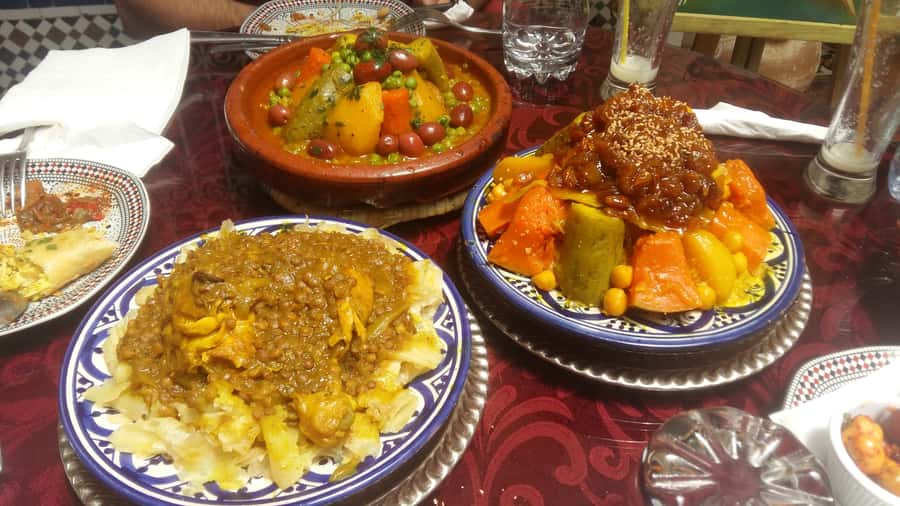
You start at Gare Rabat Ville, on Ave Mohammed V, in front of the main door of the station. That matters more than it sounds. If you’re using trains and buses in Morocco, starting at a major rail hub helps you get there without guesswork.
From there, the route takes you into the historic Medina area, where you’ll walk through traditional architecture and narrow alleyways. The goal is to get you around the places locals shop and snack—not just the prettiest streets. You’ll also pause at markets and observe fresh produce vendors and artisans, which is useful even if you’re not a big shopper. You learn how food is sourced and what gets made day to day.
Practical tip: wear shoes you can move in comfortably. The tour is short, but the Medina is not designed for slow sightseeing with rolling suitcases.
What You’ll Taste: Classic Rabat-Style Moroccan Food
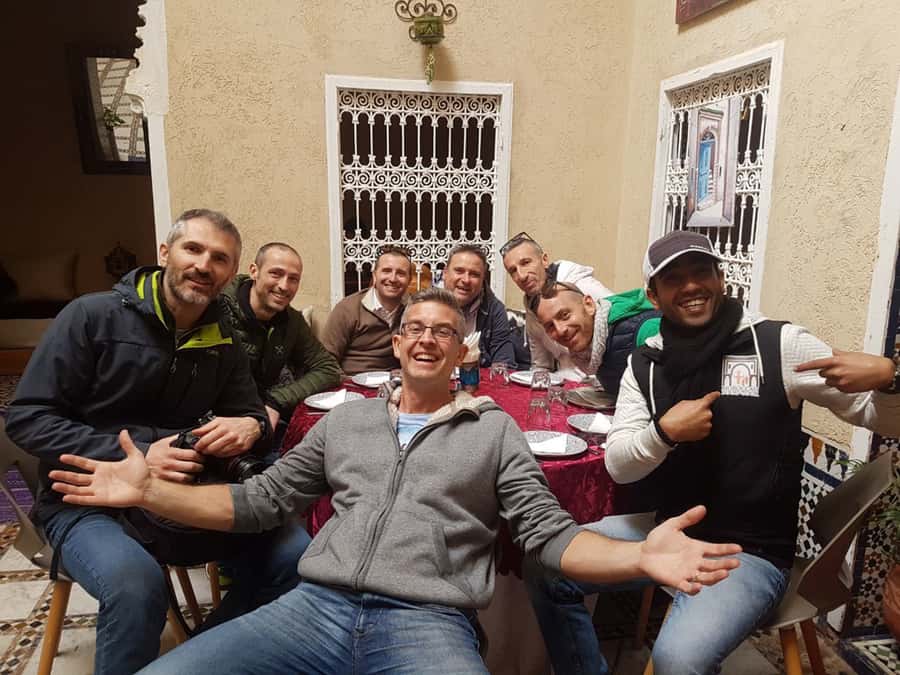
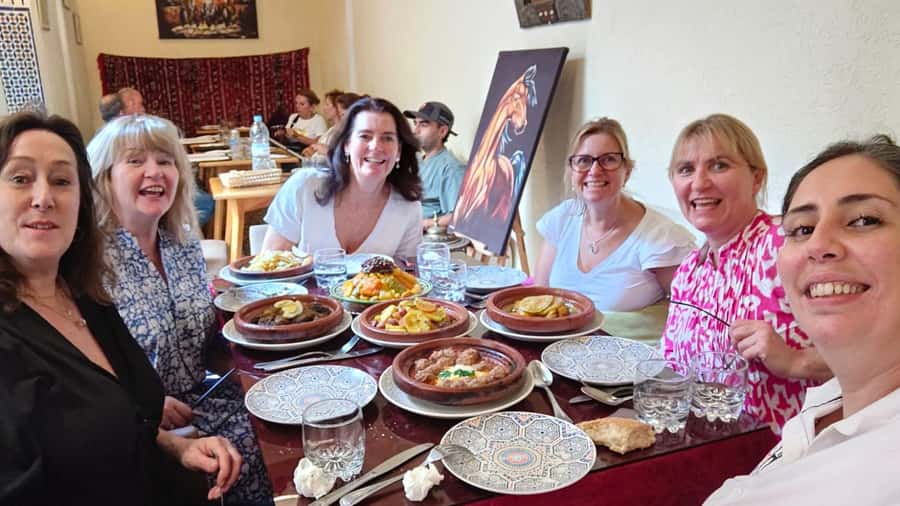
This tour is built around 6 tasting stops, plus a full meal. That makes a big difference. Many “food tours” list a bunch of items, but you end up hungry at the end. Here, the tasting portion leads into an actual meal so you can slow down and enjoy the flavors instead of surviving on crumbs.
The tastings include staples you’ll recognize across Morocco, with Rabat’s local flavor coming through in how they’re presented and explained:
- Sardine: a common Moroccan street and market item. Expect it as a real flavor punch, not a delicate sample.
- Stuffed dates: sweet, often served warm or in a sticky-sweet presentation that makes sense in a Medina market setting.
- Chabakia: a classic fried pastry often tied to tradition and special occasions. It’s the kind of food you’d skip on your first pass if you didn’t have someone to guide you.
You’ll also see a wider spread of street food and local products. The tour description calls out handmade, high-quality items, and the best part is that you aren’t just tasting one category—sweet, savory, and snack foods show up so you understand the rhythm of Moroccan eating.
One thing I’d keep in mind: you’re being encouraged to explore and eat like a local. That means you may encounter foods that don’t show up on mainstream menus back home. It’s not extreme—just very “of the neighborhood.”
The Guide’s Role: Food Explanations That Change How You Taste
This is where the tour tends to win people over. The guides don’t only talk about flavors; they connect dishes to food culture, traditions, and general city lifestyle. You’re also told to ask questions, and the format is designed so you can—so you’re not stuck silently nodding while someone lectures.
Different guides have different styles. People highlighted guides like Mohammed and Imane for being personable and clear. Another guide, Sarra, was praised for explaining Moroccan food alongside the culture behind it. You can expect the same overall structure: talk, taste, pause, talk again.
Why this matters for you: it helps you decode what you’re seeing at markets later. When you understand why a pastry is shaped a certain way, or what kind of ingredients signal a dish’s tradition, you start shopping with confidence instead of fear.
Market Stops and Street Food: What the Medina Adds
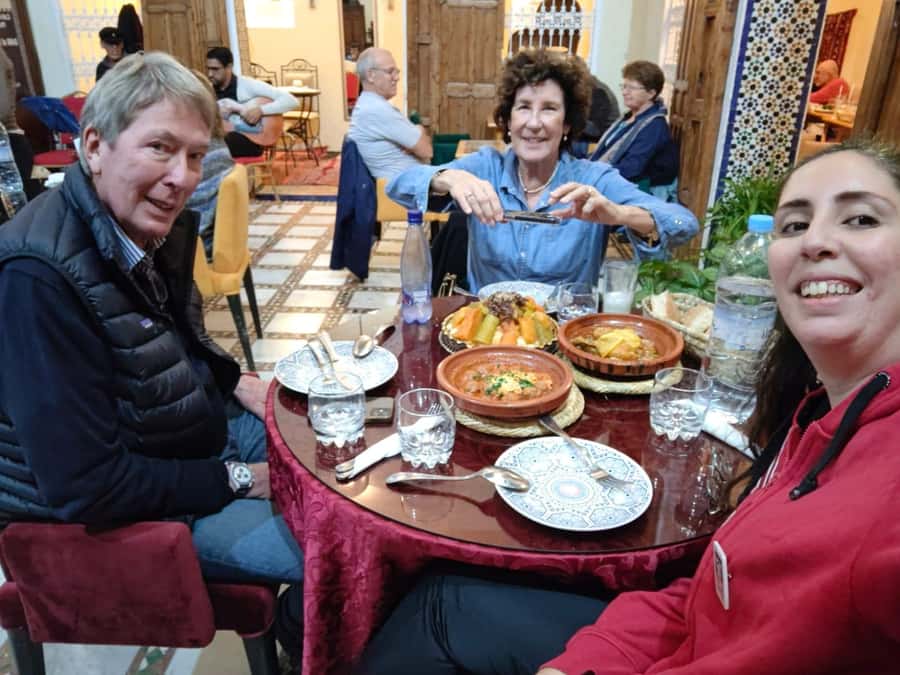
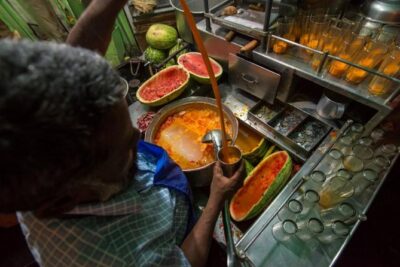
Your walking route includes visits to local markets, and you’ll get a front-row view of daily food life. This is not a “stand still at a stall” kind of tour. You’re moving through the Medina, where the sights and sounds are part of how food is sold—fresh produce vendors, artisans at work, and the constant flow of people.
You’ll also get great photo opportunities from within the historic area. That’s not just for Instagram. It’s a practical cue: the best views often line up with where the tour pauses, so it helps you get oriented as you go.
Some memorable themes that have come up in the experience include community ovens and a deeper look at how people share food preparation spaces. Those details are the kind that make a walking tour feel more like a local education than a simple snack run.
The Included Full Meal: What “Good Value” Looks Like Here
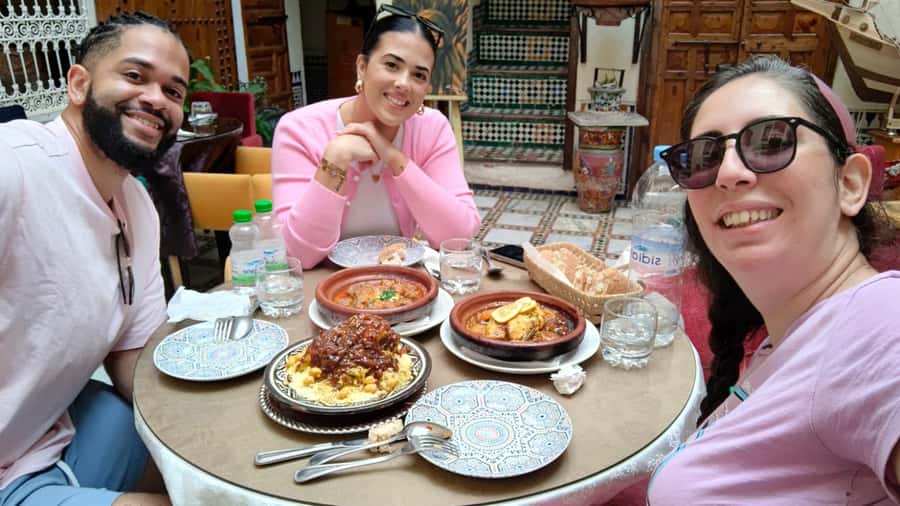
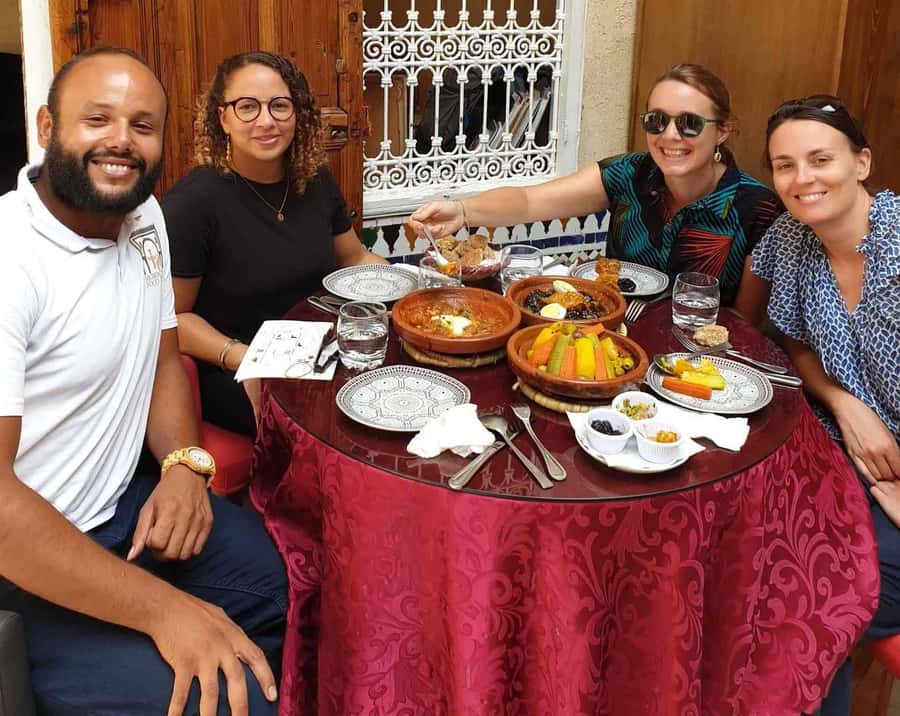
The tour includes a full meal, not just small bites. Many of the best comments connected the tour to a satisfying end to the trip—so you leave full and not resentful of the price.
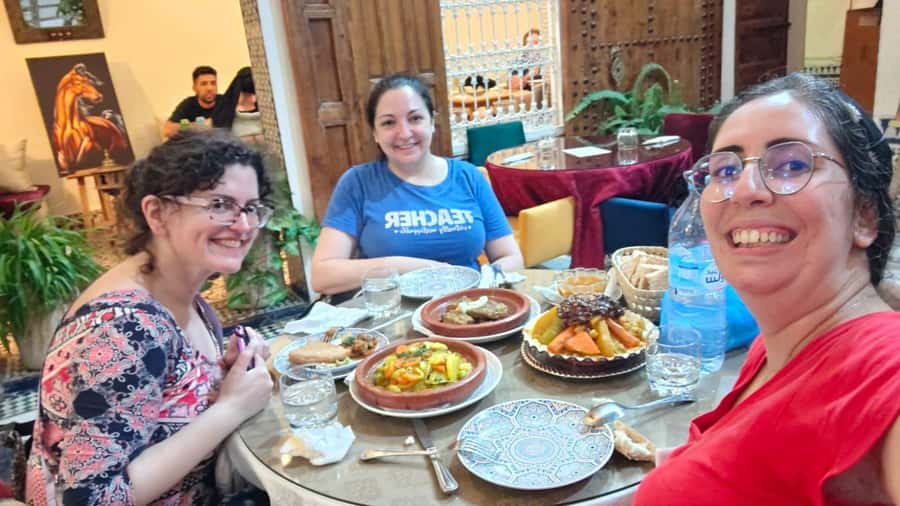
In terms of what you might experience in that full meal, tastings and meals often center on classic Moroccan comfort foods. Reviews referenced tagine dishes and couscous as key parts of lunch. There’s also mention of mint tea and Moroccan pastries as a finishing touch.
That combination matters. Tagine and couscous aren’t just popular—they’re foundational Moroccan dishes that show up in lots of regional cooking. If you want a food tour that helps you understand Morocco beyond a few street snacks, this structure is a good fit.
And timing helps: with 3 hours total, the tour avoids the common problem of slow pacing. You get multiple tastings, then settle into the full meal while the walking doesn’t overwhelm your appetite.
Dietary Restrictions: How to Make This Work for Your Body
The tour explicitly says it’s designed to accommodate dietary restrictions. They mention options like vegetarians, gluten-free, lactose free, and more. The key is simple: tell them your preferences in advance.
For you, this reduces the usual “food tour anxiety.” Instead of hoping the guide can manage last-minute substitutions, you can communicate needs early and keep the tour experience smooth. It also helps you avoid the situation where you’re stuck with only plain items while others get the real local specialties.
If you have a strong restriction (like lactose-free), plan to mention it clearly rather than using vague terms. The tour says they will do their best, but your details make it easier.
Price and Value: Is $72 Worth It?
At $72 per person for 3 hours, this isn’t the cheapest thing in Rabat. But it’s not overpriced either, because you’re getting a lot packed into the format:
- 6 tasting stops
- a full meal
- a live English guide
- a guided walk through the Medina with market context
The “value” here comes from how the food and city stories reinforce each other. If you’re the type who likes to understand what you’re eating and why, the guide time is a big part of what you’re paying for.
If you’re traveling with someone who mainly wants photos and doesn’t care about food details, the tour may feel more expensive. But if you genuinely enjoy food, markets, and explanation, $72 can feel fair—especially since it ends near a major landmark (Kasbah des Oudayas) and gives you something to do beyond just dining.
Timing and Logistics: The Stuff That Actually Matters
This tour runs for 3 hours, and it’s in English with a live guide. The meeting point is clear (Gare Rabat Ville), and the end point is specific (Kasbah des Oudayas). Transportation is not included, so you’ll need to plan how you get to the station and how you’ll handle onward travel after the tour.
The most important instruction is also the simplest: come on an empty stomach. You’ll likely be eating multiple items in quick succession, and the tour includes a full meal. That’s exactly why it’s recommended—you’ll get to enjoy everything instead of feeling stuffed after the first couple stops.
Who This Tour Is Best For
This fits well if you:
- want a guided way to try multiple Moroccan foods without guessing what to order
- like walking neighborhoods and learning from a local guide
- enjoy markets and food culture beyond “just tasting”
- have dietary restrictions and want them managed as part of the tour plan
It may be less ideal if you:
- hate walking through narrow old streets
- get overwhelmed by eating-heavy tours
- prefer only restaurant meals with minimal street food
Should You Book the Rabat Walking Food Tour?
Yes, if your goal is to eat your way through Rabat’s Medina with a clear structure. The combination of 6 tastings plus a full meal, guided explanations, and an ending at Kasbah des Oudayas makes this a strong use of a half-day.
I’d skip it only if you’re not comfortable with a lot of food in a short time, or if you mainly want casual browsing with no need for food context. If you’re hungry for authentic bites and want the “why” behind them, this is one of the more practical ways to do it in 3 hours.
FAQ
FAQ
How much does the Rabat walking food tour cost?
It costs $72 per person.
How long is the tour?
The tour lasts 3 hours.
Where do I meet the guide?
Meet at Gare Rabat Ville, Ave Mohammed V, in front of the main door of the station.
Where does the tour end?
The tour finishes at Kasbah des Oudayas.
What’s included in the price?
You get 6 tasting stops, a full meal, and a tour guide.
Is transportation included?
No. Transportation is not included.
What language is the guide?
The live tour guide speaks English.
Can the tour accommodate dietary restrictions?
Yes. The tour is designed to accommodate dietary restrictions such as vegetarians, gluten-free, lactose free, and more. You should tell them your preferences.
Should I eat before the tour?
No. You’re advised to come on an empty stomach so you can fully enjoy the tour.
What if my plans change?
You can cancel up to 24 hours in advance for a full refund, and you can also reserve now and pay later for flexibility.
If you want, tell me your travel dates and dietary needs, and I’ll suggest how to time this with a second half-day plan around the Kasbah des Oudayas area.