REVIEW · RETHYMNO
Rethymno Old Town: A Traditional Cretan Food Tour
Book on GetYourGuide →Operated by Filiko Tours · Bookable on GetYourGuide
Cretan food tastes better with footsteps. This evening Rethymno walk puts you in front of real local routines, with a warm raki welcome and plenty of stops that are not built for cruise-ship crowds. I also like that the group stays small, so you actually get to talk with your guide instead of just collecting bites.
My favorite moment is the hands-on-style dessert stop at the philo workshop linked to Giorgos Chatziparaschos, where you see how kantaifi and baklava come together and then taste it while it is fresh. One watch-out: the included drinks are focused on tastings (raki/rakomelo/local wine), so if you’re hunting for a big, multi-pour wine flight, you’ll likely want extra budget for additional drinks.
In This Review
- Key highlights
- An evening food tour that actually feels like dinner plans
- Starting in the right place: Old Customs House to Venetian Harbour
- The first tavern stop: raki, warmth, and three local plates
- The bakery moment: Cretan pastry as part of everyday life
- The philo workshop at Giorgos Chatziparaschos: kantaifi and baklava, made close up
- Iroon Politechniou Square: wine with food and the right kind of atmosphere
- The secret stop and the extra dessert pacing: small breaks that keep you moving
- Meze-style dining and rakomelo: the sweet-heat contrast of Cretan spirits
- Ending with lokma donuts: honey-drenched, seriously satisfying
- Price and value: why $104 feels fair when tastings replace a full dinner
- Who this tour suits best (and who should think twice)
- A few smart ways to get more out of the tour
- Should you book Rethymno’s Traditional Cretan Food Tour?
- FAQ
- How long is the Rethymno Old Town food tour?
- Where do we meet for the tour?
- What is included in the price?
- Is transportation or hotel pickup included?
- Will the food tastings be enough to replace dinner?
- Is the tour wheelchair accessible?
Key highlights
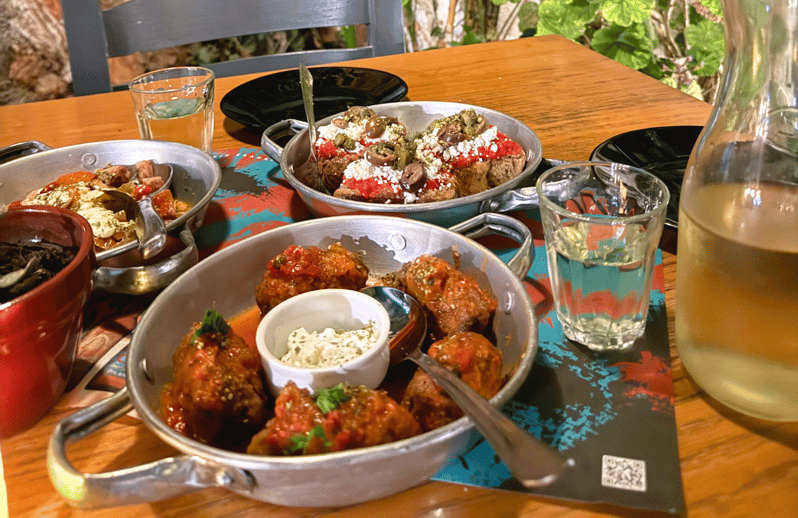
- Small group (max 12) keeps the pace relaxed and conversations easy
- Six food stops plus extra dessert/snack moments means you eat like it’s dinner
- Venetian harbour and Old Town lanes give you a real evening walk through Rethymno
- Giorgos Chatziparaschos philo workshop: watch kantaifi and baklava being made
- Raki, rakomelo, and local wine tastings show how Cretans drink with food
- Lokma donut finish wraps up the meal with honey-sweet Crete
An evening food tour that actually feels like dinner plans

Rethymno’s Old Town is one of those places where a regular stroll turns into a long, tasty wandering session. This tour turns that into a structured evening with good timing: you start at the Old Customs House – Information Centre, then move through the Old Town in a way that keeps you close to the action without feeling rushed.
What I like most is that it’s built around the island’s eating rhythm. You’re not just sampling random “tourist Greek food.” Instead, you hit a family-run tavern setup early, a local bakery next, then you get a pastry-making moment that feels tied to the place, not a staged sales pitch. By the end, you’re so full that “just one more bite” becomes a joke you tell your future self.
Starting in the right place: Old Customs House to Venetian Harbour
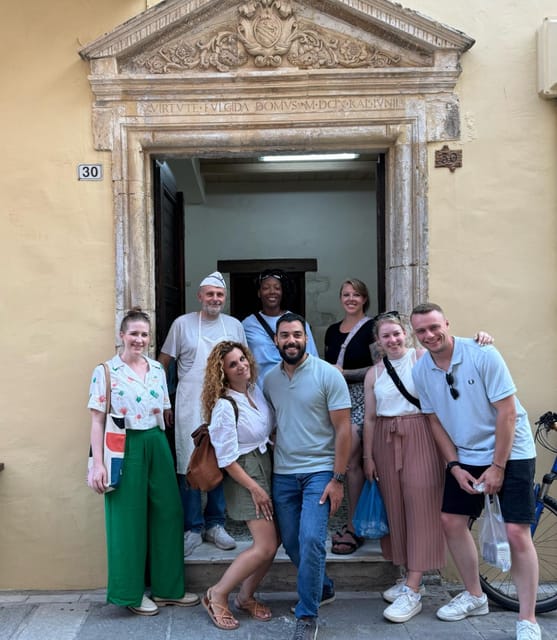
The meeting point is easy: in front of the information centre at the Old Customs House. From there, you get a short walk that sets the mood—this isn’t a long, exhausting trek. The route takes you toward the Venetian Harbour, which gives you a quick sense of where Rethymno’s Old Town identity shows up most clearly at night.
In practical terms, that first stretch matters. You’re orienting your bearings while your guide is already setting up what you’ll eat and why it’s part of Cretan daily life. If you’re visiting Rethymno for the first time, this is the kind of start that helps the rest of your trip make sense.
The first tavern stop: raki, warmth, and three local plates
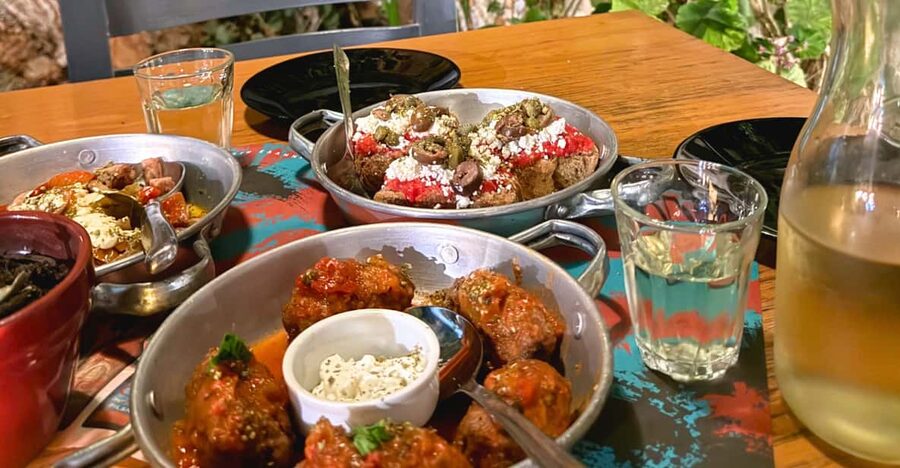
Right away, you’re welcomed at a family-owned Cretan tavern. This is where the tour establishes its tone: friendly, not formal; food-forward, not performance-forward.
You’re offered traditional raki, plus three local dishes to kick things off. I like this opening because raki isn’t treated like a gimmick. It’s positioned as part of the table culture, something you taste alongside proper plates rather than something you drink to prove a point.
For me, the key value here is confidence. After this first stop, you understand what kinds of flavors to look for later—so when you order on your own, you’re not starting from zero.
The bakery moment: Cretan pastry as part of everyday life
Next comes the local bakery, where you get an appetizer Cretan treat with time to slow down and notice what’s going on. This stop is only about 20 minutes, but it’s intentionally short so you don’t miss the big story later in the evening.
Bakery food on Crete is a quick window into how people eat between meals and how sweets and savory bites share the same counter culture. You’re not just eating sugar; you’re learning the island’s comfort-food logic.
One good tip: eat the bakery item calmly. This is the stop where you can easily speed-run tasting because you’re excited for dessert later. Don’t. Let it work like a palate reset.
The philo workshop at Giorgos Chatziparaschos: kantaifi and baklava, made close up
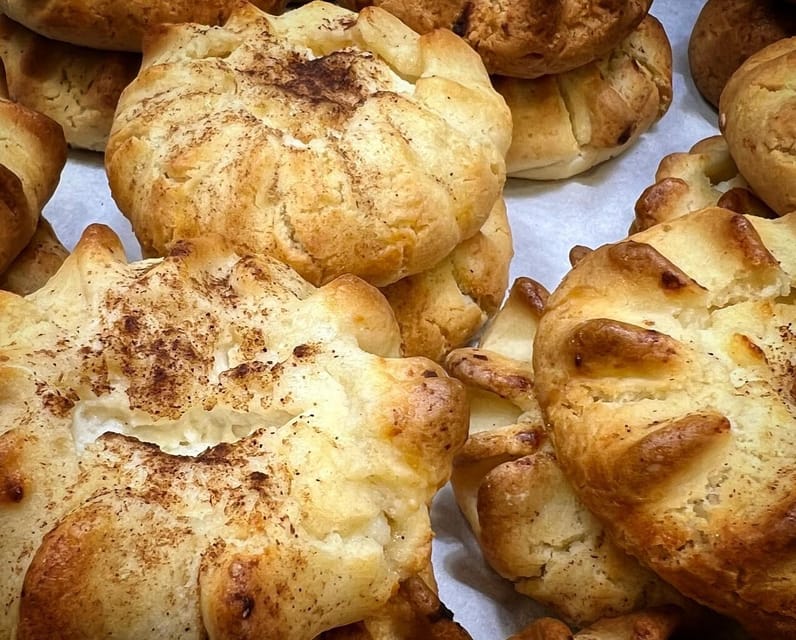
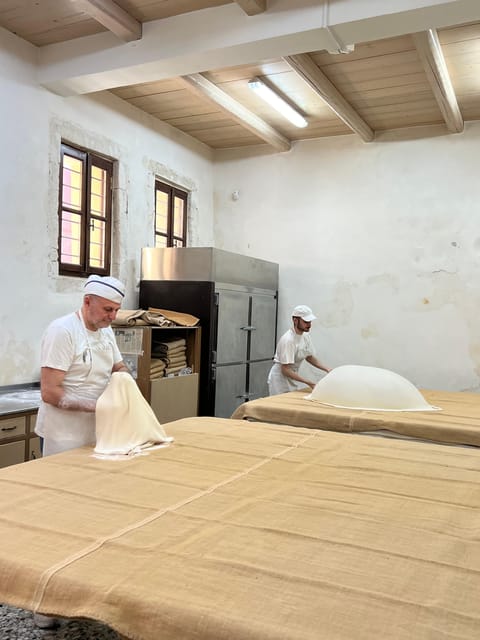
This is the tour’s standout teaching stop. You go to a historic Venetian mansion tied to the philo workshop of Giorgos Chatziparaschos, and you get to see the craft behind kantaifi and baklava phyllo.
Then you taste freshly made baklava. You don’t get a vague description. You get the real thing, straight from the effort that goes into it. And because baklava never seems to be enough, the tour also sets aside a few extra pieces so the whole group can share later.
This matters if you’re a food person. Once you’ve watched phyllo work and tasted the result, you start recognizing quality signals elsewhere—crispness, balance, and that bakery-fresh difference you can’t fake with store packaging.
Iroon Politechniou Square: wine with food and the right kind of atmosphere
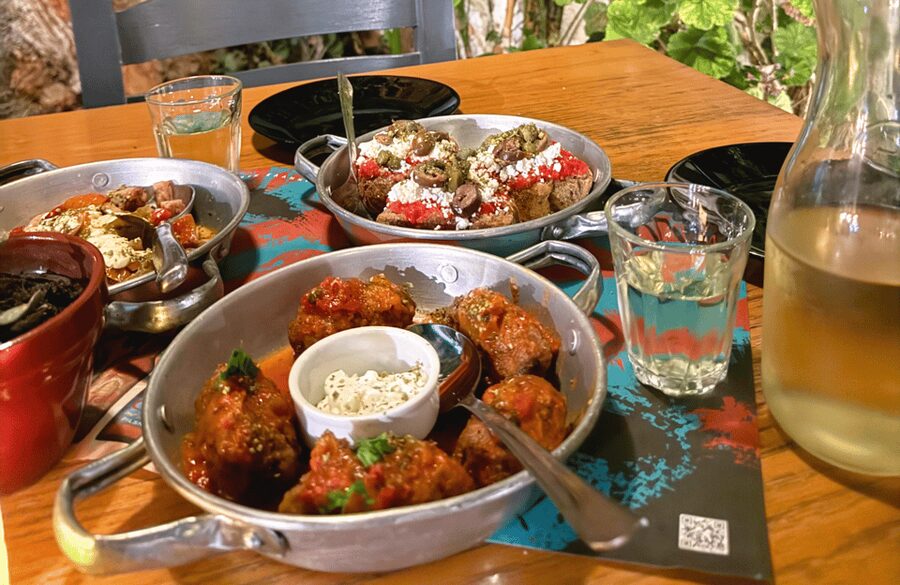
After the workshop, the tour moves to Iroon Politechniou Square for wine and food tasting. This stop is about 30 minutes, and it’s timed well: you’re still in dessert mode, but you’re also getting that savory break that keeps the meal from feeling one-note.
You’ll taste local wine alongside the food at this point. I like that the tour doesn’t treat wine as a separate event. It’s paired with the plates you’re eating, which is closer to how people actually drink on an evening out.
One consideration: the included drinks are still tastings. A review noted that there isn’t a big, multi-pour wine lineup here. So if you’re the type who plans a whole night around wine variety, keep that in mind and budget for extra orders at the table.
The secret stop and the extra dessert pacing: small breaks that keep you moving
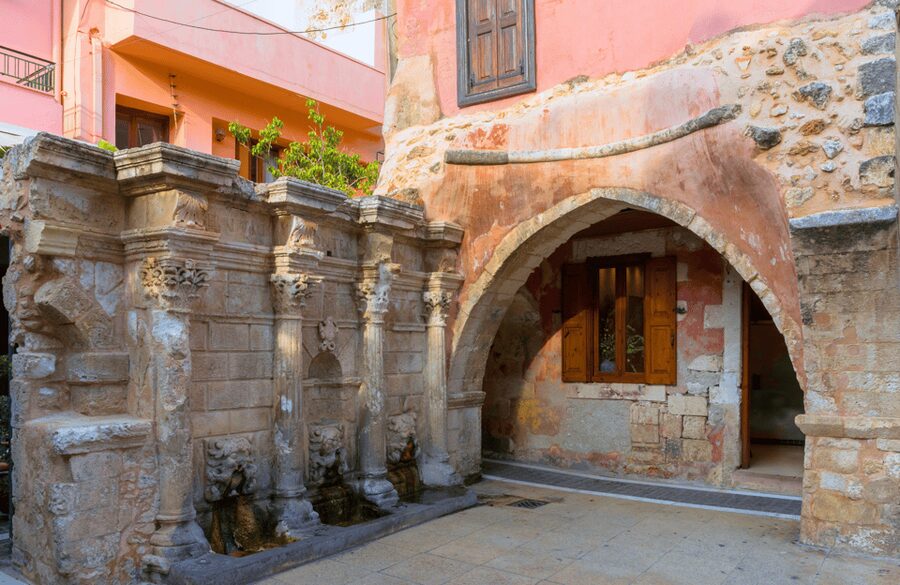
This tour has a “secret stop” during the mid-to-late portion of the walk, with spirits, local snacks, and more tasting time (another 30 minutes). The point isn’t just more food. It’s pacing.
When you’re doing multiple stops, the tour has to prevent two problems: (1) you get too full too early, or (2) the evening drags because you’re waiting for the next highlight. These snack-and-spirits segments keep your energy steady while still building toward the sweeter finish.
There’s also a final dessert-focused portion that functions like the last-act payoff. Think of it as the tour refusing to end on something gentle.
Meze-style dining and rakomelo: the sweet-heat contrast of Cretan spirits
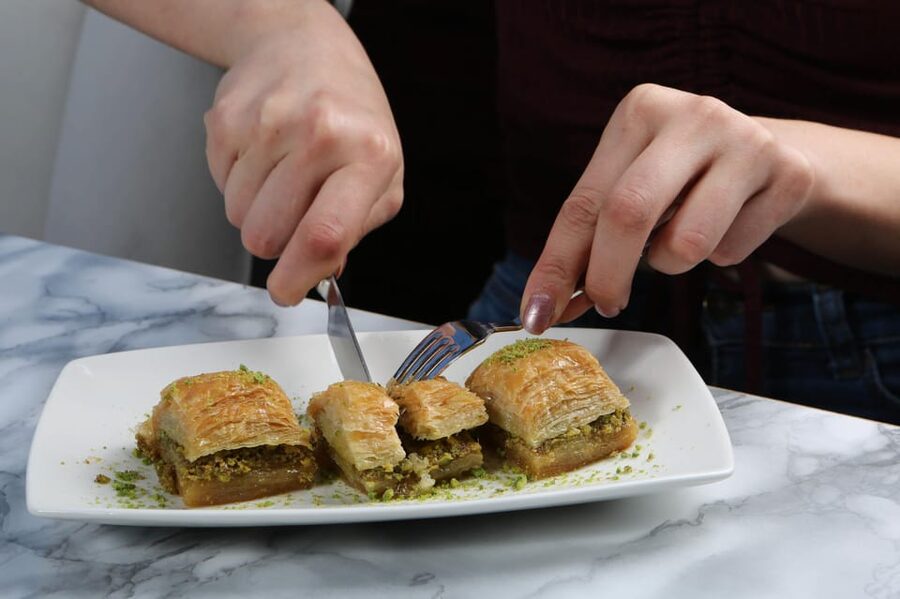
One part of the evening is built around communal meze dining at a traditional tavern. Here you sip rakomelo, which is a warm honey-infused spirit, and you get four more authentic plates.
I like this stop because it adds contrast. After all the pastry and workshop sweetness, rakomelo feels different in the glass. Honey warmth plus savory plates gives your taste buds a new job, so the overall route stays interesting instead of repetitive.
If you’re the kind of diner who loves order-and-share evenings, this stop will feel natural. It’s also a good point to ask your guide what you should hunt for on your own later, since you’ve now seen both the sweet and savory side of the table.
Ending with lokma donuts: honey-drenched, seriously satisfying

The final finish is Greek lokma donuts in Rethymno. These are served as the last sweet note: honey-drenched, dessert-forward, and perfectly placed so you remember the tour as a full meal rather than a handful of bites.
After everything you’ve had—raki, workshop baklava, snacks, meze plates—lokma works because it’s dense and unmistakably Crete. It’s the kind of ending that makes the three-hour structure feel worth it, even if you started the evening thinking dessert would be the easy part.
Practical note: wear shoes you can walk in comfortably. This is still a walking tour, and it adds up when you’re eating at every stop.
Price and value: why $104 feels fair when tastings replace a full dinner
At $104 per person for a 3-hour walking tour, the value comes from what’s actually included. You’re getting:
- a guided walking route
- all food tastings
- tastings of traditional raki, rakomelo, and local wine
And the food is designed to be enough to substitute dinner. That’s the big idea behind the price. You’re paying for an organized sequence of stops you would not easily line up yourself, plus the benefit of a guide telling you what you’re eating and how it fits local culture.
Could you do a similar evening on your own cheaper? Maybe, if you’re willing to hunt down the right tavern and bakery and still pay for multiple courses. But you’d lose the “why this dish, why this place, why this time” part that makes the tour feel like more than eating.
Who this tour suits best (and who should think twice)
This is a great match if you:
- want a first-night style orientation to Rethymno’s food culture
- like walking through Old Town streets while eating at multiple family-run places
- enjoy desserts, especially anything made with phyllo (kantaifi and baklava)
- want a small-group evening with a guide who shares stories, not just recites names
It’s also a good option if you’re visiting for a short time. The whole point is that you leave fed and with a clearer sense of what to order later.
Think twice if you:
- are expecting a broad, formal wine-tasting menu as part of the price
- dislike walking enough to prefer a strictly seated, multi-course meal setup
A few smart ways to get more out of the tour
If you want this to land as a “best meal of the trip” memory, do a couple things:
- Go hungry enough to enjoy the first tavern stop, not just snack-hungry.
- If you have allergies or dietary restrictions, tell the operator in advance. The tour explicitly asks you to flag these needs.
- Ask your guide what you should return to the next day. Since the tastings cover a wide slice of Crete’s flavors, you’ll know what you actually liked.
And if you like the social side of food, this one tends to feel that way. Multiple participants described it as relaxed and friendly, with a guide who keeps the mood light while staying focused on the food.
Should you book Rethymno’s Traditional Cretan Food Tour?
Yes, if your goal is to eat your way through Rethymno’s Old Town in a way that’s guided, balanced, and clearly designed around Cretan favorites. With six tasting stops, a baklava-making philo workshop at a Venetian-era setting, and a lokma finish, it hits the sweet spot between food education and pure enjoyment.
Book it early in your trip if you can. You’ll use what you learn to choose better meals for the rest of your stay, and you’ll come away knowing what to order without second-guessing.
FAQ
How long is the Rethymno Old Town food tour?
The tour lasts 3 hours.
Where do we meet for the tour?
You meet in front of the Old Customs House – Information Centre.
What is included in the price?
The tour includes the walking tour, a guide, all food tastings, and tastings of traditional raki, rakomelo, and local wine.
Is transportation or hotel pickup included?
Transportation is not included, and hotel pick-up/drop-off is not included (if you need it, you’d have to arrange that separately).
Will the food tastings be enough to replace dinner?
Yes. The tastings are enough to substitute dinner.
Is the tour wheelchair accessible?
Yes, the tour is described as wheelchair accessible.

![[1 Group Only] Tokyo Shinjuku Food Tour for Family - Meeting at IKEA Shinjuku, then a night that stays on track](https://b2.foodtourer.com/wp-content/uploads/1-group-only-tokyo-shinjuku-food-tour-for-family-400x267.jpg)