REVIEW · SANREMO
SANREMO FOOD TOUR – Authentic Ligurian street food and Medieval town
Book on Viator →Operated by Sanremo Experience · Bookable on Viator
Sanremo tastes like a local secret. In about three hours, I spent the morning with Roberta, wandering Sanremo’s back streets and tasting Ligurian favorites on the way up to La Pigna.
I really liked two things: the caruggi walk off the main drag, and the variety of stops that go from focaccia and pesto to olive oil, wine, and true Italian gelato. The line-up also includes Rossese di Dolceacqua and Pigato, so you’re not just eating, you’re learning how the region drinks too.
One thing to plan for: you’ll be outdoors for most of it, and the route involves walking and some stairs. Wear real walking shoes, and if rain hits, bring your umbrella and keep moving.
In This Review
- Key highlights worth showing up for
- Where this tour starts (and why that matters)
- What the 3 hours feels like in real life
- The walk through Sanremo caruggi back streets
- Why the back-street pacing is a plus
- The only trade-off: comfort and shoes
- Bakery stops you’ll want to chase later
- What to look for while tasting
- The Sanremo market stop (where locals shop)
- Market time is also a timing lesson
- Olive oil tasting: DOP and real-world context
- A simple tip for tasting oil
- Pesto sauce sampling, served with real bread
- Wine pairings: Rossese di Dolceacqua and Pigato
- Pairing matters more than you’d think
- La Pigna: the medieval village walk
- The practical side of La Pigna
- The sweet finale: gelato and Bacio di Sanremo
- What to do if you’re already full
- Price and value: what $113.84 buys you
- One cost note to watch
- Who this tour fits best (and who might skip it)
- A few smart tips before you go
- Should you book this Sanremo food tour?
- FAQ
- How long is the Sanremo food tour?
- What time does the tour start, and where do we meet?
- How many people are in the group?
- What tastings are included?
- Is wine included, and do I need to be 18+?
- What if it rains?
- Does the price include transportation or pickup from hotels?
Key highlights worth showing up for
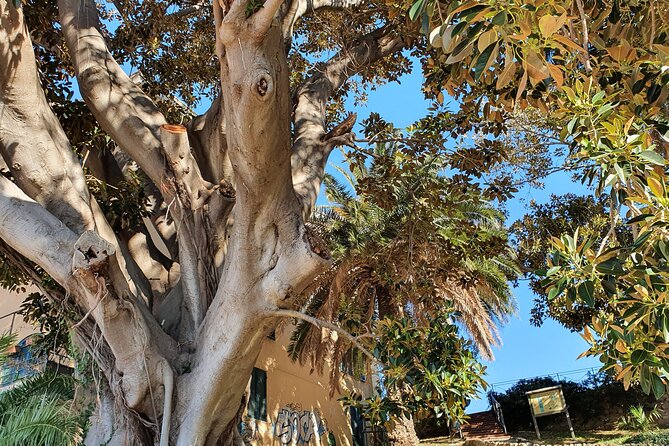
- Max 12 people for a small-group feel, with the tour keeping to a tight size overall
- 11 food and wine tastings on a walking route with multiple vendor and specialty stops
- La Pigna medieval village guided by a licensed tourist guide
- Sanremo fruit and vegetables market to see local produce culture up close
- Wine pairings with local specialties, with tastings limited to age 18+
- Ligurian classics you can name and repeat later: focaccia, sardenaira, pesto, DOP olive oil, gelato
Where this tour starts (and why that matters)
The meeting point is the Casinò di Sanremo on Corso degli Inglesi 18, with the tour starting at 9:30 am. That early start is smart. Sanremo looks best in the morning light, and you’ll beat a big chunk of the day’s foot traffic while the food stops are still in full working rhythm.
You’ll get a mobile ticket, and the tour ends back at the same meeting point. No hunt for an exit strategy. Also, since the tour is offered in English, you can ask questions without playing kitchen-charades.
This is a shared experience with small group size (maximum 12 attendees mentioned for the small-group feel, with a stated maximum of 15 travelers overall depending on the activity). For me, that kind of size keeps the pace friendly instead of chaotic.
What the 3 hours feels like in real life
Three hours doesn’t sound long until you factor in tasting time. Expect a steady walking pace with several stops. If you hate standing around, this is still usually fine because you’re always moving to the next bite or explanation.
It’s also designed for weather. The tour runs rain or hail or shine, so plan for being outside more than you’d expect from a food tour.
The walk through Sanremo caruggi back streets
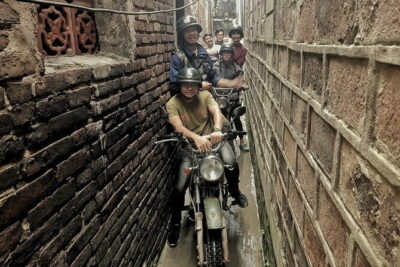
Sanremo’s charm isn’t in just the big, obvious streets. The whole point here is getting you into the caruggi, the narrow back lanes where locals actually live and shop. This matters because Sanremo can feel like a postcard from a distance, but up close it’s a working food city.
You’ll be guided by Roberta, and the reviews make one thing clear: the walk is not just movement. She connects what you’re eating to how Sanremo got that way—plus points out businesses with long ties to the town’s routines.
Why the back-street pacing is a plus
In a big group tour, you spend time catching up. Here, the small size means you can keep up and still notice details—doorways, counters, tiny storefronts, the general flow of locals. It also makes it easier to ask things like how to order, what to try first, or what to look for if you come back on your own.
The only trade-off: comfort and shoes
Because it’s a walking itinerary, you want shoes you trust. There’s also a medieval section later, which means some uphill time. If you’re traveling with knees that get cranky, take it slow on the steps and rests.
Bakery stops you’ll want to chase later
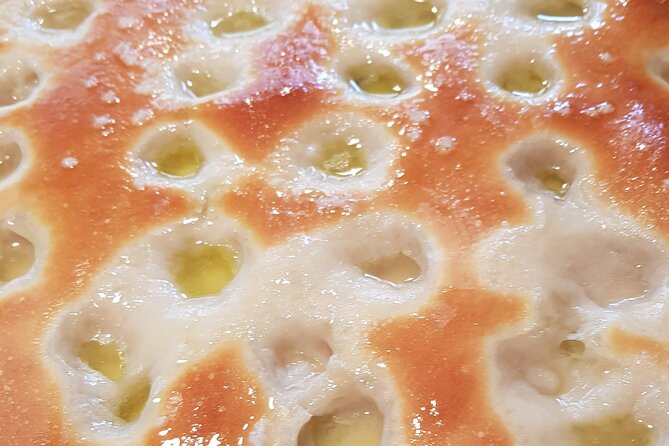
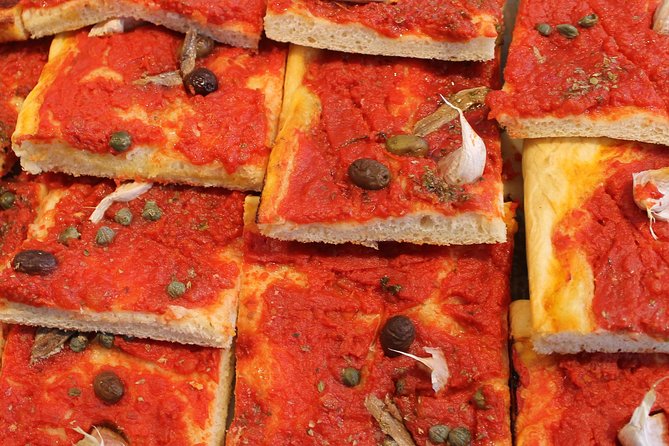
Your tasting lineup starts with the kind of baked goods Liguria does best: focaccia, plus the local savory vegetable pie called sardenaira (listed as torta di verdura). These aren’t just random samples. They’re staples that show how the region uses simple ingredients—flour, olive oil, seasonal produce—then turns them into something that tastes like a meal.
You’ll also try focaccia with cheese, so you get both the classic and the richer version. This is a good tour move because it prevents the “same taste, different slice” problem. You notice changes in dough, topping styles, and flavor balance.
What to look for while tasting
When you’re eating the focaccia and sardenaira, pay attention to the oil and the crust. Ligurian baked specialties often taste different based on how they’re finished—oil absorption, crisp edges, and how well toppings hold their shape. Even if you don’t cook, you’ll learn what matters.
And yes, you’ll be full by the end of the morning. That’s the point.
The Sanremo market stop (where locals shop)
One of the most practical stops is a visit to the Sanremo fruit and vegetables market. This is where the tour earns its stripes beyond tasting. Instead of only sampling food, you see the supply chain culture: what’s being sold, how produce looks at source, and how everyday eating starts.
For your future meals, that market visit helps you shop with confidence. You’ll spot what’s likely seasonal, and you’ll understand why certain flavors show up again and again in Ligurian dishes.
Market time is also a timing lesson
Morning is when markets feel alive but not yet packed. You can actually look, ask, and connect images in your head: the produce you saw, then the flavors you’ll taste later.
Olive oil tasting: DOP and real-world context
Next comes an important Ligurian skill: learning extra virgin olive oil properly. You’ll do an oil tasting of extra virgin olive oil DOP Riviera Ligure, along with Taggiasca olives. That’s not just a fancy side quest. Olive oil is one of the core ingredients behind the whole region’s flavors, including pesto and many street-food classics.
This is also a good point for learning terms you’ll hear in local shops later. Even if you can’t translate everything perfectly, you’ll at least know how the oil should taste—fresh, balanced, and not flat or overly bitter.
A simple tip for tasting oil
Swirl, smell, then taste in small amounts. If you wait until you’re thirsty or too full, you’ll miss the differences. Try to treat this like a short lesson, not just a pour.
Pesto sauce sampling, served with real bread
You’ll taste Ligurian pesto sauce alongside focaccia. For lots of visitors, pesto can turn into a generic idea—green sauce, pasta, done. This stop brings it back to the local form: sauce as a living condiment built for bread, not just for one dish.
The tour keeps the order logical: first you taste bread and baked specialties, then you add the sauce, then you build toward the wine and final sweets. You’ll feel the flavor progression in your mouth.
Wine pairings: Rossese di Dolceacqua and Pigato
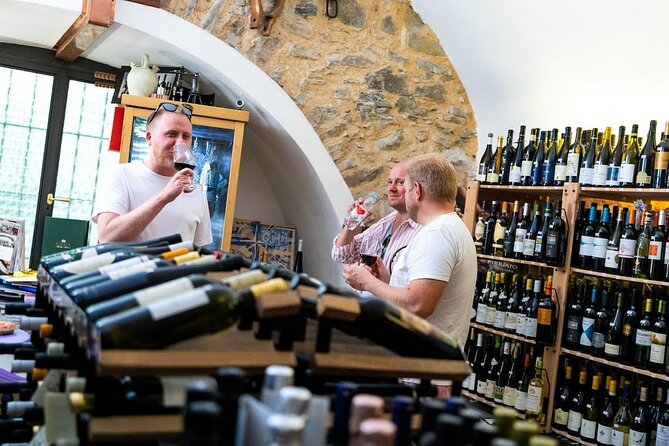
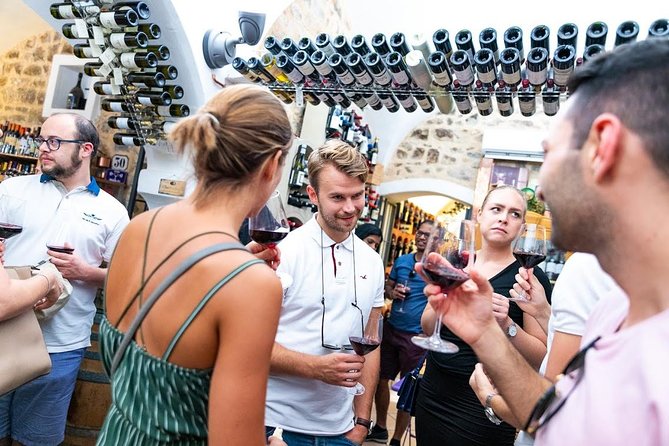
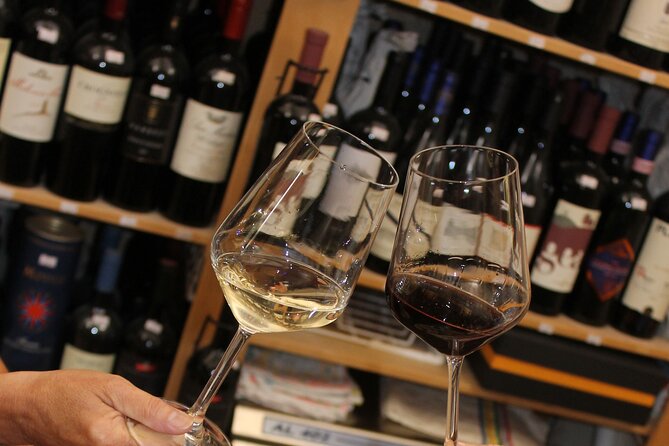
Then the tour shifts from food flavors to drink. You’ll taste two local DOC wines: Rossese di Dolceacqua and Pigato. These are not global names you’ll find everywhere, and that’s a big part of the value. You taste what locals consider worth ordering.
Important rule: you must be 18 years or older to participate in the wine tastings. If you’re with mixed-age travel, this tour still works well as a food-and-history route, but you’ll need to plan around the wine portion.
Pairing matters more than you’d think
Wine here isn’t just poured. It’s paired with local specialties, so you taste how the flavors interact. That helps you stop thinking of wine as a separate act. In Liguria, it’s often part of the meal’s rhythm.
La Pigna: the medieval village walk
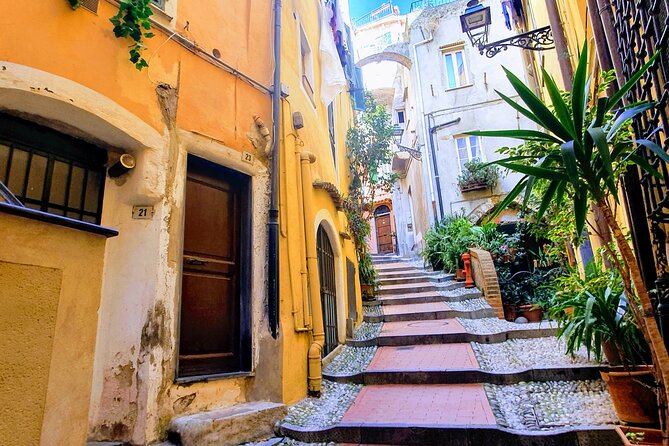
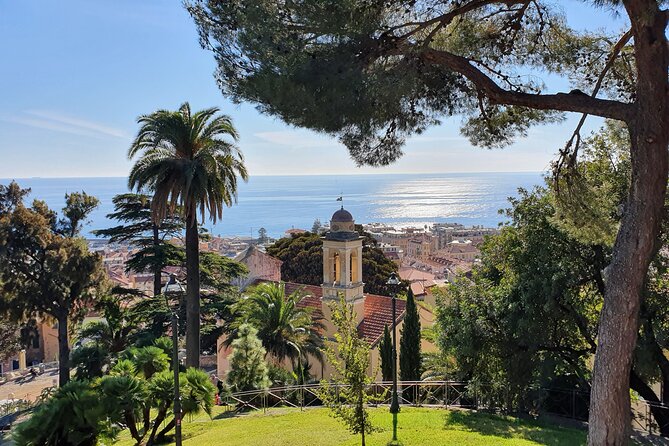
Now for the town’s upper-layer experience. You’ll get a guided tour of the medieval village called La Pigna, led by a licensed tourist guide. This is where the tour becomes more than street food.
La Pigna gives you context for why Sanremo feels the way it does: layered neighborhoods, historic structures, and a sense of walking through time even while you’re still in the present-day town.
The practical side of La Pigna
This is the section where you’ll feel the walking more. Expect an uphill portion. Take breaks when you need them and keep your pace slow enough that you can still listen and see.
If you like photo stops, you’ll get them, but the guide’s focus is on history and food culture connections—not just views.
The sweet finale: gelato and Bacio di Sanremo
Every good morning tour needs a satisfying finish, and this one delivers. You’ll try the true Italian artisanal gelato, followed by Bacio di Sanremo, a typical small cake.
Gelato is the right reset after savory bites and wine. It cools everything down and makes the flavors feel clean again. Then the bacio finishes the tour with a local signature you can remember after you’re back in your hotel.
What to do if you’re already full
If you’re the type who fears you’ll hit the gelato wall, don’t panic. You can take smaller tastes and still enjoy it. The goal isn’t to power through. It’s to try what’s local and leave wanting a second round.
Price and value: what $113.84 buys you
At $113.84 per person for about three hours, this isn’t a cheap snack crawl. It is, however, priced like an experience that covers real costs: a small guide-led walking route, market time, a guided medieval segment, and 11 food and wine tastings.
Here’s the real value equation for you:
- You get multiple different categories of food, not just repeat bites
- You get the olive oil tasting with DOP designation and local olives
- You get wine tastings with two DOC wines, paired thoughtfully
- You get history context tied to where you walk, plus La Pigna
Also, it’s a small group size setup, which usually means less waiting and more interaction. That part matters on tours like this, where the guide’s explanation is half the point.
One cost note to watch
The listed price does not include a parking fee, payable at tour check-in (the exact amount is shown as X in the data you provided). If you’re driving, it’s worth having that in mind so you don’t get surprised.
Who this tour fits best (and who might skip it)
This works best for you if:
- you want a short, high-impact morning in Sanremo
- you like tasting lots of different items in one tidy route
- you care about learning what you eat, not just consuming it
It’s also a strong option for couples and small groups because the max group size stays intimate.
You might consider another plan if:
- you can’t do much walking or don’t handle stairs well
- you don’t want wine at all and would rather skip tastings that include alcohol
- you’re coming specifically for beaches and want downtime instead of a structured route
For families, children under 18 must be accompanied by an adult. Just keep in mind the wine tastings are 18+ only.
A few smart tips before you go
- Wear comfortable clothing and walking shoes. Sanremo’s streets reward proper footwear.
- Bring an umbrella or raincoat. The tour runs outdoors in bad weather.
- If you’re driving, plan for a potential parking fee at check-in.
- Arrive a bit early at Casinò di Sanremo so your day starts calm, not rushed.
Should you book this Sanremo food tour?
If you want the Sanremo experience that feels like it belongs to locals—not just visitors—this tour is an easy yes. The combination of small-group walking, a real market visit, tastings across bread/produce/oil/wine, and the La Pigna medieval village guided segment makes it worth your morning.
I’d book it if you enjoy food you can talk about after the trip and you like your history tied to real places and real ingredients. If you’re picky about walking time or you’re traveling with someone who can’t do stairs, take the pace seriously—but otherwise, this is one of the best ways to get oriented and fed in Sanremo without wasting time.
FAQ
How long is the Sanremo food tour?
It lasts about 3 hours.
What time does the tour start, and where do we meet?
The tour starts at 9:30 am at Casinò di Sanremo, Corso degli Inglesi, 18, 18038 Sanremo IM, Italy.
How many people are in the group?
It is described as a small-group tour with a maximum of 12 attendees, and there is also a stated maximum of 15 travelers depending on the activity.
What tastings are included?
You get 11 food and wine tastings, including Ligurian focaccia and sardenaira/torta di verdura, pesto sauce, extra virgin olive oil tasting (DOP Riviera Ligure with Taggiasca olives), two DOC wines (Rossese di Dolceacqua and Pigato), true Italian gelato, and bacio di Sanremo, plus bottled water.
Is wine included, and do I need to be 18+?
Yes, wine tastings are included, but you must be 18 years or older to participate in the wine tastings.
What if it rains?
The tour runs regardless of weather conditions. You should bring an umbrella or raincoat because you will be outdoors for most of the experience.
Does the price include transportation or pickup from hotels?
No. Transportation to/from attractions and hotel pickup/drop-off are not included.