REVIEW · SAO PAULO
São Paulo: Liberdade Street Food Tour
Book on GetYourGuide →Operated by Concrete Jungles Walking Tours · Bookable on GetYourGuide
São Paulo’s Liberdade snacks come with real stories. You’ll get three main tastings and drinks, plus a guided walk that connects the food to the neighborhood’s migration history. I love the small group size (up to 10) and the way the guide ties each bite to why Japanese, Korean, and other communities shaped Liberdade. One thing to plan for: the tour starts strictly on time, and you won’t be able to join late once it begins.
You’ll meet outside the big red Banco Bradesco Prime right in Liberdade Square, then spend about 105 minutes focused on eating and learning as you move through the area. The mix is the point here: Japanese pastel and onigiri, Brazilian-style flavors like takoyaki or tempura, a Korean choux au craquelin, and even an Argentinian empanada swap on weekdays. Bring sunscreen and, if rain is in the forecast, an umbrella, because you’ll be walking.
In This Review
- Key reasons this Liberdade street food tour works
- Liberdade street food: where migration history shows up in your snacks
- Meeting at Banco Bradesco Prime: logistics that affect your whole experience
- Your first tasting stop: Japanese pastel and onigiri, plus the Japan-to-Liberdade link
- Takoyaki or tempura: how one snack choice expands your picture of Liberdade
- Korean choux au craquelin and the drinks that keep you moving
- The guided walk: architecture, daily life, and the Afro-Brazilian thread
- Price and value: what $60 buys you in a city that loves snacks
- Who should book, and who should skip (or tweak plans)
- The guide matters: Giuliano’s style and what it adds to your visit
- Should you book the São Paulo Liberdade Street Food Tour?
- FAQ
- How long is the São Paulo Liberdade Street Food Tour?
- Where do I meet the tour guide?
- What’s included in the tour price?
- What food items should I expect to try?
- Is there a sugar cane juice included?
- What happens on weekdays for the takoyaki/tempura stop?
- Is the tour guided in English?
- How big is the group?
- Is the tour wheelchair accessible?
- What should I bring and know about timing?
Key reasons this Liberdade street food tour works
- Small group pacing (max 10): you can actually hear the guide while you eat.
- Set tastings that cover multiple cultures: Japanese, Brazilian, Korean, and sometimes Argentinian.
- History that sticks to your plate: Liberdade’s migration story is explained through the food.
- Includes drinks that keep you going: water, sugar cane juice, and a final soft drink or coffee.
- A short architecture-and-neighborhood walk: you see more than just storefronts.
Liberdade street food: where migration history shows up in your snacks
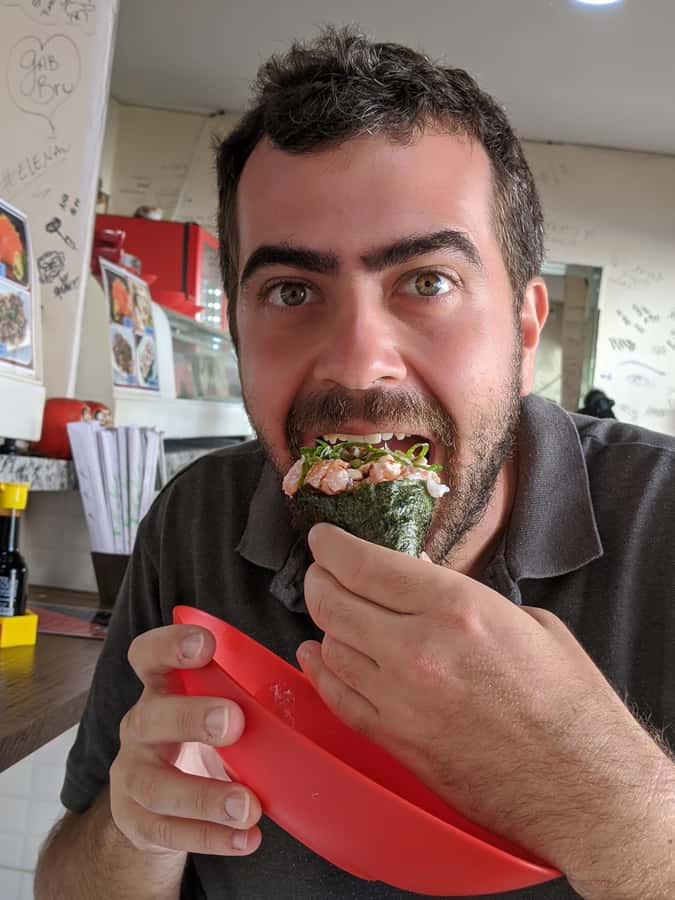
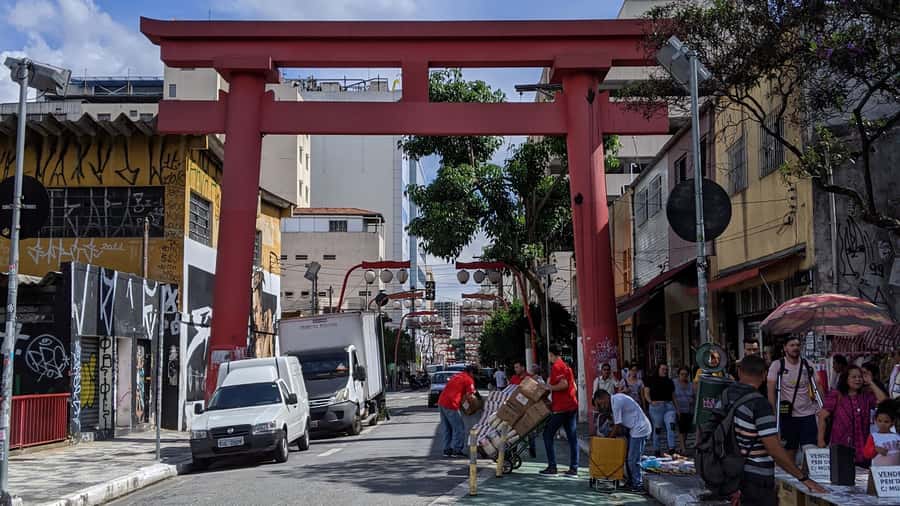
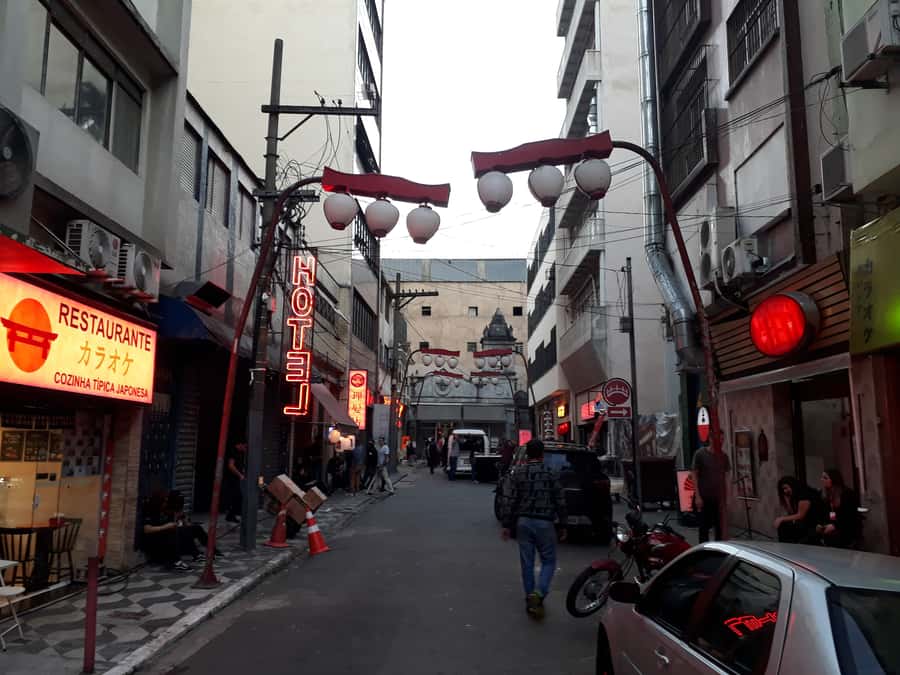
Liberdade is one of São Paulo’s most interesting neighborhoods because its food is basically the city’s immigration map. The big headline is Japan: São Paulo has the largest Japanese community outside Japan, and Liberdade became the area where Japanese immigrants settled about a century ago. Before that, the neighborhood had a different life, once functioning as a military district.
Today, Liberdade is shaped by many waves of migrants, including communities from China, Korea, Congo, and Haiti. And that’s why the food feels like it belongs to a single neighborhood, even when it spans Japan, Korea, Brazil, and Argentina. The tour leans into that idea: you’re not just sampling snacks; you’re learning how cultures rub shoulders, then cook.
If you like food tours that only list items, you might get bored. If you like food tours that explain why a dish fits here, this one clicks fast.
Meeting at Banco Bradesco Prime: logistics that affect your whole experience
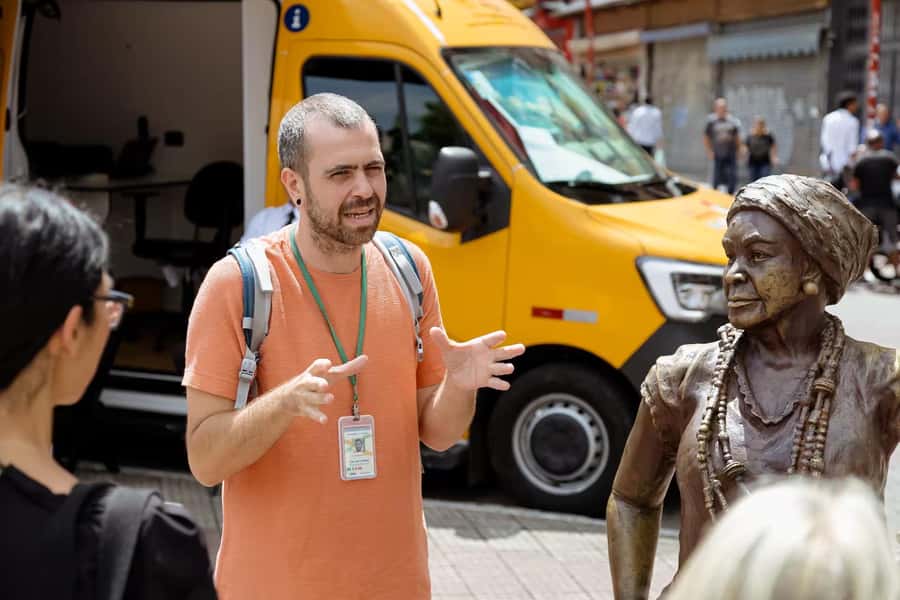
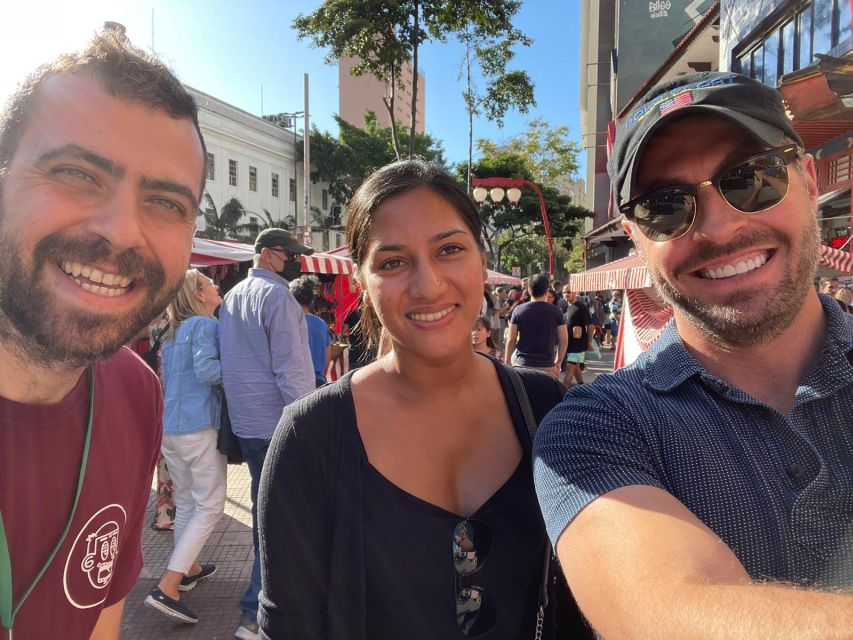
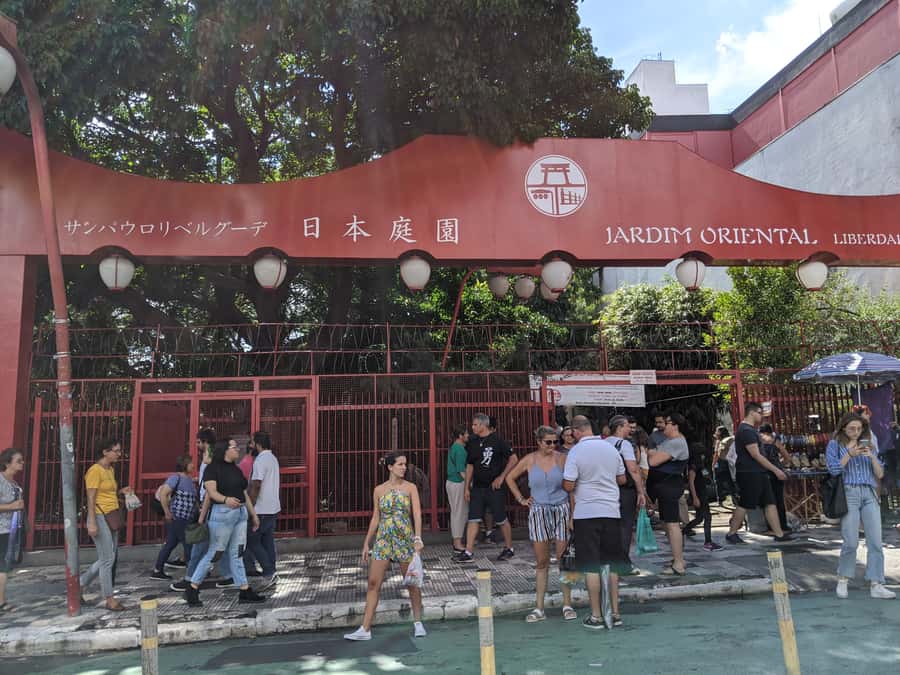
You’ll start outside Banco Bradesco Prime, in the middle of Liberdade Square—right by the large red bank. It’s a clear meeting spot, which matters in a big city where it’s easy to lose time before you even start.
This tour lasts about 2 hours total, and it runs on a tight schedule. The operator is clear that the tour starts strictly on time, and you won’t be able to join late once it begins. If you’re coming from farther away, I’d rather you plan a cushion than risk being stressed at the start.
You also get a live English guide, and the group is limited to 10 participants. That size is a sweet spot: big enough for energy, small enough for personal questions and smoother movement through the streets.
What I’d bring:
- Sunscreen
- An umbrella (weather in São Paulo can change quickly)
- Comfortable walking shoes, because you’ll be on foot through the neighborhood
Your first tasting stop: Japanese pastel and onigiri, plus the Japan-to-Liberdade link
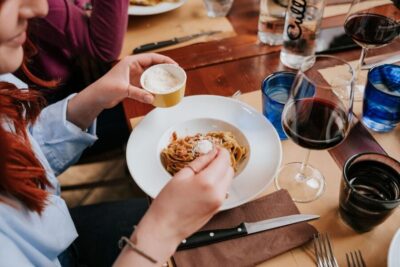
The tour’s core meal structure is simple: you’ll taste Japanese pastel and onigiri, then keep moving through more snacks. The guide’s job is to connect those foods to what happened in Liberdade when Japanese immigrants arrived and started shaping local street food culture.
Pastel and onigiri aren’t just random snacks. They’re a practical way to understand how Japanese influence can show up outside Japan. The guide also explains why that Japanese footprint became so strong here—São Paulo’s Japanese community outside Japan is the big fact, and Liberdade’s long timeline is the reason.
I like that this part isn’t only about flavor. You’ll hear how the neighborhood’s story explains the food you’re holding in your hand. That makes the tasting feel like a mini-history lesson you don’t have to force yourself to pay attention to.
Takoyaki or tempura: how one snack choice expands your picture of Liberdade
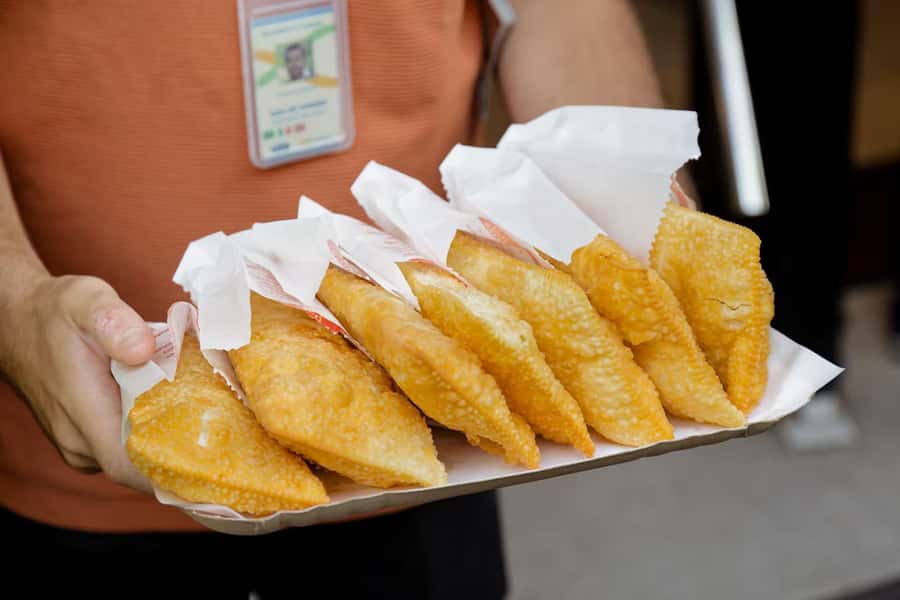
Next up, you’ll try either traditional takoyaki or tempura. This is one of the best examples of how street food changes depending on the day. On weekdays, there’s a chance the guide swaps this item for Argentinian empanadas.
Why that matters for you: takoyaki and tempura point toward Japanese street-food logic—portable, snackable, and designed for crowds. Empanadas take you in a different direction, showing how “street snack” culture travels. If you’re the type who wants variety and doesn’t mind learning why a dish differs across cuisines, this swap is a bonus.
From what people consistently highlight, the guide’s choices tend to be fun and filling rather than fussy. Just go in knowing the tour is built around a set tasting menu. That’s great for value and simplicity, but it does mean you won’t customize what you’re offered.
Korean choux au craquelin and the drinks that keep you moving
After your earlier tastings, you’ll also try choux au craquelin, a Korean sweet-style pastry with a crunchy top. It’s a smart palate switch. It helps the tour avoid feeling one-note, especially if you’ve already had savory snacks.
Food tours can drag if you’re stuck with only heavy bites. This one solves that by including drinks:
- 1 bottle of water
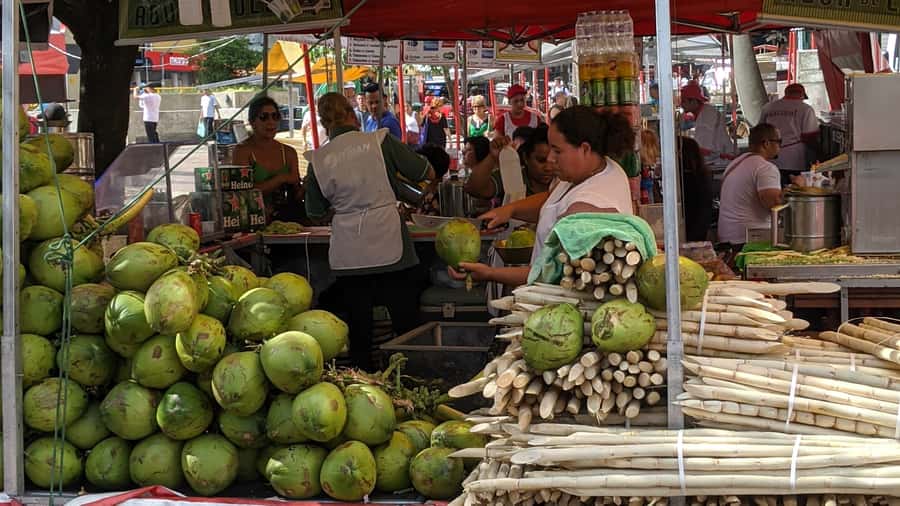
- 1 sugar cane juice
- plus a final soft drink or coffee
The sugar cane juice is a very São Paulo move, and it’s also practical. You’ll be walking, eating, and learning, so having something refreshing is not just nice—it keeps the pace comfortable.
You finish at Restaurante Kazu, and the tour includes that final drink (soft drink or coffee). If you’re thinking about energy level, this ending drink is one more reason the tour often leaves people feeling satisfied rather than just “I tried a couple things.”
The guided walk: architecture, daily life, and the Afro-Brazilian thread
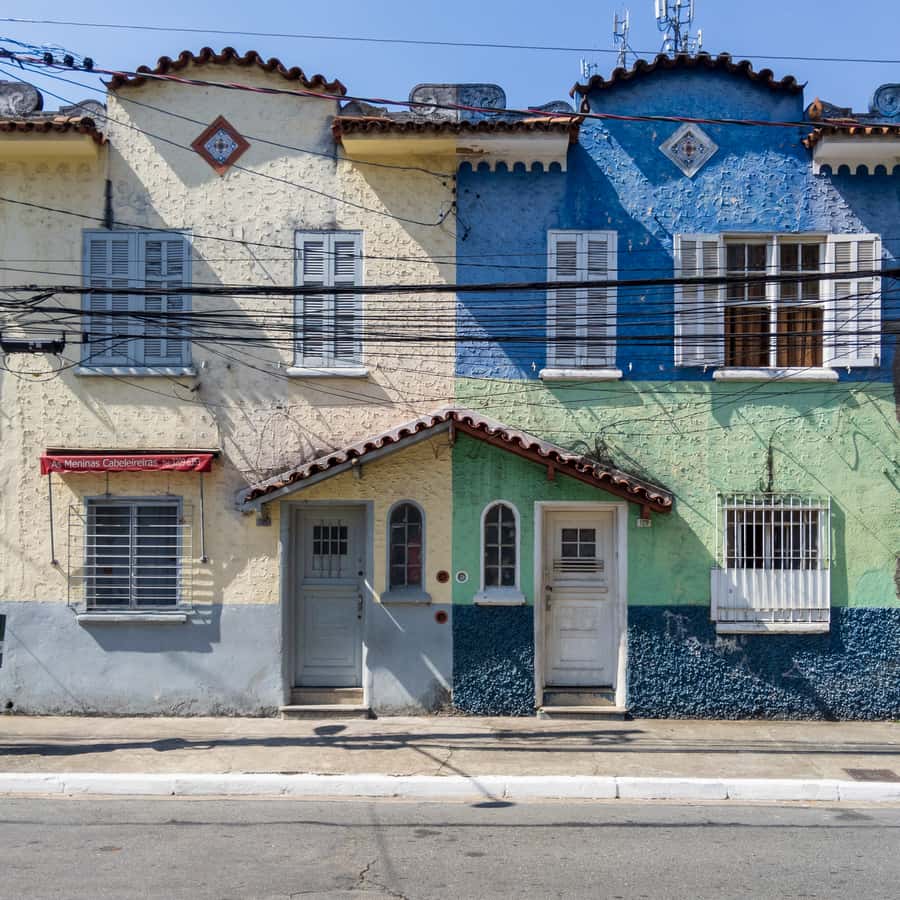
The guided portion isn’t only about the food stall to stall. After the snacks, you’ll take a walk to spot places with architectural beauty and get a sense of the people who live in the neighborhood.
This is where Liberdade stops feeling like a theme park. When the guide talks about Afro-Brazilian heritage alongside the immigration story, it adds real context to why the neighborhood’s cuisine feels distinctive. You’re not just watching cuisines arrive; you’re learning how they mix with the local cultural fabric.
That walk also gives you time to slow down and notice details you’d probably miss on your own—especially if you’re moving through Liberdade only briefly.
Price and value: what $60 buys you in a city that loves snacks
The price is $60 per person for about 2 hours. For some people, that sounds like a lot until you picture what’s included: 3 main snacks, plus Japanese pastel and onigiri, takoyaki or tempura (or empanadas on weekdays), Korean choux au craquelin, and multiple drinks (water, sugar cane juice, and a final soft drink or coffee).
In other words, you’re paying for:
- a guided route through Liberdade
- set food tastings across several cuisines
- the drinks that keep you comfortable
- a structured timeline so you don’t have to guess what to eat next
I think the real value here is time and clarity. Street food in a new neighborhood can be overwhelming. This tour turns that chaos into a guided plan, with history tied to each stop so the experience feels more memorable than just eating.
Who should book, and who should skip (or tweak plans)
This tour is a great fit if you:
- like food tours with a story, not just a list of dishes
- want to try multiple cuisines in one neighborhood
- enjoy walking through a specific area and learning what shaped it
You might want to rethink if you’re very picky about textures or flavors. The tour is built around a set set of tastings, so you’ll get what the guide offers rather than a customizable menu. Also, it starts on time and doesn’t allow late joining, so it’s best for people who like punctual plans.
If you come hungry, you’ll feel the best effect. People tend to leave full, and the overall structure is designed for a complete snack-and-walk block rather than a quick bite.
The guide matters: Giuliano’s style and what it adds to your visit
The guide you’re most likely to meet is Giuliano, an Italian who has lived in Brazil for many years. In the way people describe the tours, his style blends energetic street-food recommendations with clear explanations of what you’re eating and why it exists in Liberdade.
That combination is the reason this tour gets high marks. It’s not only about picking tasty vendors; it’s about connecting the food to the neighborhood’s immigration timeline and how different communities shaped everyday life. When the guide does that well, the tasting stops feeling random.
Should you book the São Paulo Liberdade Street Food Tour?
I’d book it if you want a practical, high-value food-and-history experience in one of São Paulo’s most identity-rich neighborhoods. With a small group capped at 10, you can actually enjoy the conversation while tasting multiple cuisines, and the included drinks help keep the pace comfortable.
Book it especially if you’ll only have a short window in São Paulo and you want a focused plan that covers Japanese, Brazilian, Korean, and sometimes Argentinian street food in a single outing. Just come with time to spare for the exact meeting spot and start time, and do your future self a favor: arrive hungry and wear sunscreen.
FAQ
How long is the São Paulo Liberdade Street Food Tour?
It lasts about 2 hours.
Where do I meet the tour guide?
You meet outside the big Red Bradesco Bank, Banco Bradesco Prime, in the middle of Liberdade Square.
What’s included in the tour price?
You get 3 main snacks, Japanese pastel and onigiri, takoyaki or tempura (weekdays may be empanadas), Korean choux au craquelin, 1 bottle of water, 1 sugar cane juice, and a final soft drink or coffee.
What food items should I expect to try?
You’ll try Japanese pastel and onigiri, then either takoyaki or tempura (weekdays may swap to Argentinian empanadas), plus Korean choux au craquelin.
Is there a sugar cane juice included?
Yes. The tour includes 1 sugar cane juice.
What happens on weekdays for the takoyaki/tempura stop?
On weekdays, the tour might replace the takoyaki or tempura with Argentinian empanadas.
Is the tour guided in English?
Yes, the tour has a live guide in English.
How big is the group?
The group is small, limited to 10 participants.
Is the tour wheelchair accessible?
Yes, it’s listed as wheelchair accessible.
What should I bring and know about timing?
Bring sunscreen and an umbrella. The tour starts strictly on time, and you won’t be able to join late once it starts.