REVIEW · TANGIER
The Food tour of Tangier
Book on Viator →Operated by Upscale Tours Tangier · Bookable on Viator
Tangier food tastes like a map you can eat. This 3-hour walk threads together Old Downtown views, market stops, and short history stories so you understand how the medina connects to today. You start with local orientation, then head into the narrow lanes where smells, stalls, and daily routines set the tone.
I especially like the way the tour turns the medina into something practical: you get help reading the markets instead of just wandering them. I also like the food framing—Moroccan cuisine here is explained as Mediterranean in style, with Berber roots plus Arab, Jewish, and Andalusian influences—so each tasting feels tied to the bigger picture.
One thing to consider: this is a walking tour through busy market streets. If you’re not comfortable on your feet or prefer to avoid crowds, you may find the pace a bit intense, especially around the main squares.
In This Review
- Key highlights at a glance
- What the Tangier food tour is really about
- Timing, length, and how the tour flows (3 hours, but it feels like more)
- Meeting point on Bd Pasteur: where to start and what to do first
- The medina part: narrow streets, real rhythm, and better navigation
- Gran Socco square: fish, meat, vegetables, spices, and how you learn what’s what
- Petit Socco finish: ending in the right mood
- Lunch at the end: what to expect from a typical restaurant stop
- Guides like Hamad, Abdel, and Hamid: why the human factor matters
- Price and value: $81.30 for 3 hours of food plus context
- Walking pace and weather reality: what can make or break the day
- Who this Tangier food walk is best for
- Should you book this Tangier food tour?
- FAQ
- How long is the Tangier food tour?
- Where does the tour start?
- Where does the tour end?
- What areas and landmarks are included?
- Is there a meal included?
- Is this a private tour?
- What’s included besides food tastings?
- Do I need to print anything, or is there a mobile ticket?
- Can I bring a service animal?
- What if the weather is bad or plans change?
Key highlights at a glance
- Gran Socco markets with real tasting variety (fish, meat, vegetables, fruits, spices) in the same walk
- Medina stroll through narrow lanes where the guide helps you navigate what you’re seeing
- Storytelling that links old Tangier to what you see now, not just food stops
- Traditional lunch at the end in a typical restaurant setting
- Local guide access and personal handling, with guide names like Hamad, Abdel, and Hamid showing up in standout feedback
What the Tangier food tour is really about
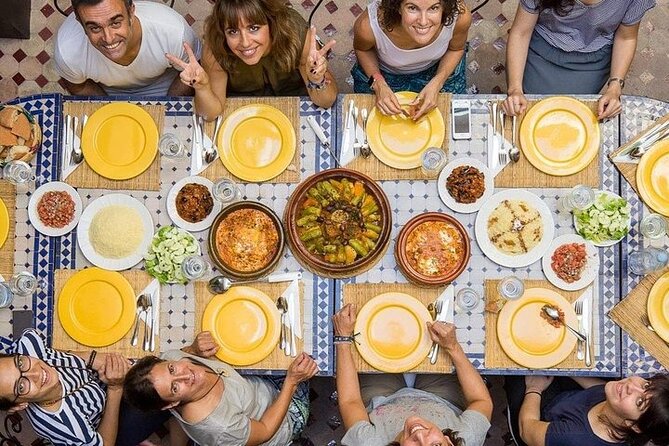
This tour isn’t only about eating. Yes, you’ll taste multiple dishes as you move around Tangier’s older core. But the bigger value is the “how and why” layer your guide adds—stories that connect cuisine to the city’s mix of cultures and traditions.
Tangier sits at a crossroads, and Moroccan food reflects that. Expect a mix of flavors shaped by Mediterranean habits, with Berber foundations and outside influences over time. As you walk, your guide frames what you’re tasting in plain terms, so you don’t feel like you’re collecting bites. You feel like you’re learning what makes the cuisine work in daily life.
The route also has a purpose: you get taken from higher viewpoints and main streets into the medina’s narrow lanes. That shift matters because Tangier’s layout can feel confusing if you arrive with only a map app. This is where having an experienced local storyteller pays off.
You can also read our reviews of more food & drink experiences in Tangier
Timing, length, and how the tour flows (3 hours, but it feels like more)
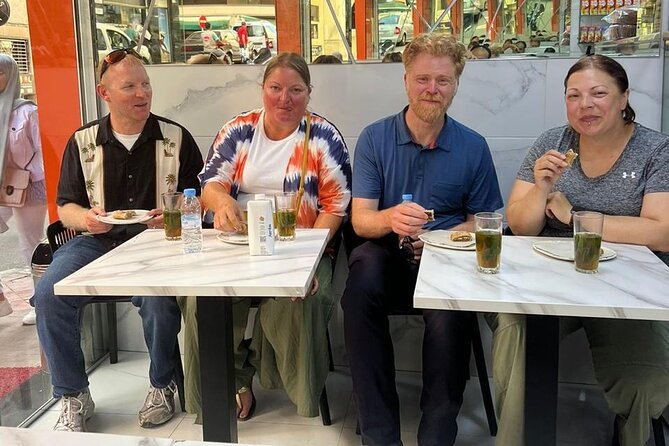
The experience runs for about 3 hours and ends back at the starting meeting point. That structure is helpful. You get enough time to see the medina area and the two famous squares, then finish with lunch without rushing off to the next plan.
The listed opening hours show Monday, 11:00 AM to 2:00 PM. The date range is long, so availability may depend on the day you’re there. If you’re traveling as part of a cruise schedule, plan early and confirm your slot so you’re not stuck hunting for food near the port at the last minute.
One more practical note: the tour includes multiple stopping points for tastings, then wraps up at a restaurant. That means you should go in hungry—but also prepared to pause often. It’s not a long-distance trek, but it’s not a sit-and-snack tour either.
Meeting point on Bd Pasteur: where to start and what to do first
You meet at Place FaroQ5JQ+97P, Bd Pasteur, Tanger, Morocco. Starting here is convenient because Bd Pasteur is a main artery, and the activity is listed as near public transportation. You’re not starting deep in the medina maze where you’d have to figure out the first twist yourself.
The best approach when you arrive: take a minute to get your bearings, then stay close to your guide at the start. In strong feedback, guides like Hamad were praised for clear instructions on how to handle arrival situations and avoid common street hassles. That kind of lead-in is especially useful when you’re learning where to stand, when to move, and how to keep the day calm.
If you’re starting from a hotel or coming from a port, aim to arrive a few minutes early. You want your head clear before the medina heat and crowd energy hits.
The medina part: narrow streets, real rhythm, and better navigation
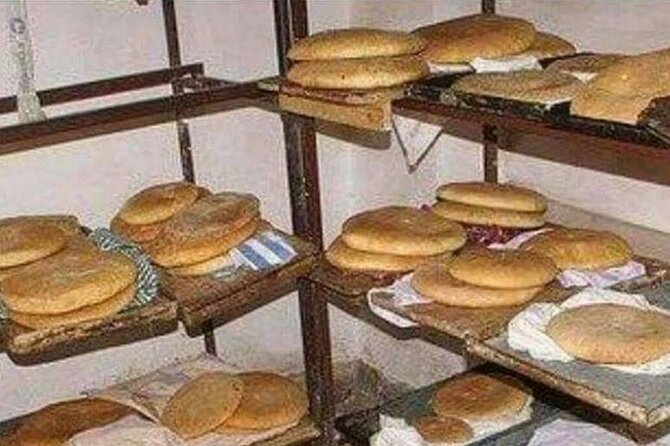
Once the tour shifts into the medina, it changes character fast. The lanes are narrow, the sights are close, and the market energy builds. This is where the guide’s role becomes obvious: you don’t just see stalls, you learn how they connect to everyday life.
Your guide aims to take you through hidden streets, not only the easiest routes. That’s valuable because Tangier’s medina can feel repetitive if you walk it alone: same stonework, same storefront patterns, but different goods and different customer rhythms. With a guide, the differences matter.
A detail worth keeping in mind: the medina walk is tied to market life around the day you go. One set of feedback notes a market that runs only Thursday and Sunday, so timing can shape what you’ll see. If your travel dates land near those days, ask your guide what’s active that day. If they don’t, you’ll still see markets, but your best-looking visual moments may vary.
Gran Socco square: fish, meat, vegetables, spices, and how you learn what’s what
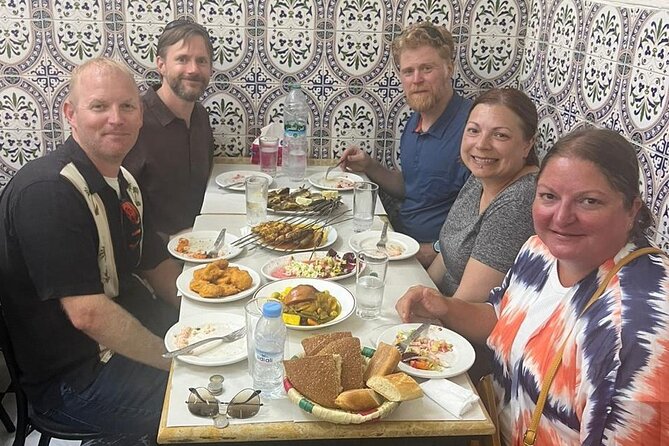
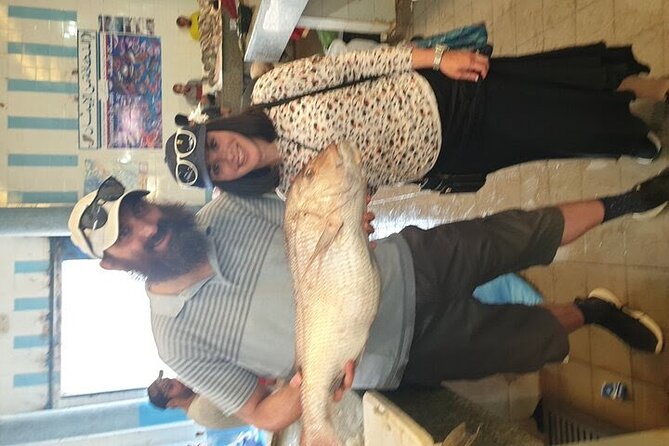
The tour’s most exciting segment is built around GRAN SOCCO square, famous for its colorful market activity. This is one of those places where photos look good, but your understanding grows when you can connect each stall to a dish.
Expect market stops that match the tour’s promise: fish, meat, vegetables, fruits, and spices. Instead of tasting random items, you’ll see the raw ingredients and the way they’re displayed. Then the guide helps you connect that to what you’ll eat next.
This part works especially well for first-time Tangier visitors. You get context quickly: what locals buy, what’s emphasized, what smells strongest, and which items show up repeatedly in Moroccan cooking. Even if you aren’t a “foodie,” you’ll leave with sharper instincts for reading the city’s food scene.
And yes, you’ll be tasting along the way. That’s the point. The guide turns the market into a classroom without making it feel like homework.
Petit Socco finish: ending in the right mood
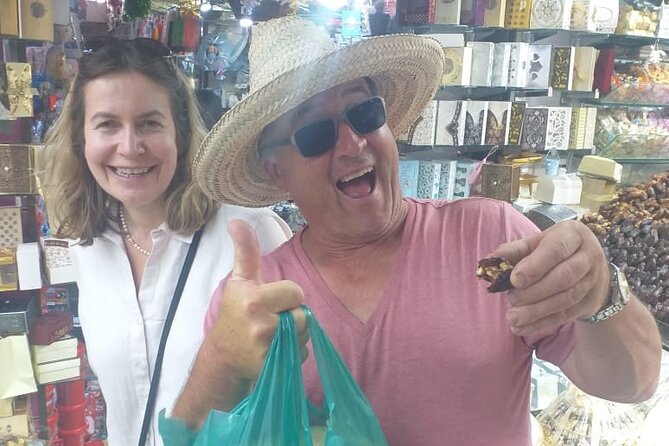
The tour ends with a visit to PETIT SOCCO square, which helps you land the experience on a familiar, lively note. The ending matters. If the tour stopped mid-medina, you’d still be buzzing but slightly disoriented.
By finishing at Petit Socco, you get a sense of scale—Tangier feels grounded again, and you’re in a place where you can orient toward your next activity. It’s also a smart way to transition from tightly packed food streets to a more relaxed walking pace.
If you like to keep your evenings open for wandering, this finish helps. You’re not trapped in the last twist of the medina when hunger and fatigue hit.
Lunch at the end: what to expect from a typical restaurant stop
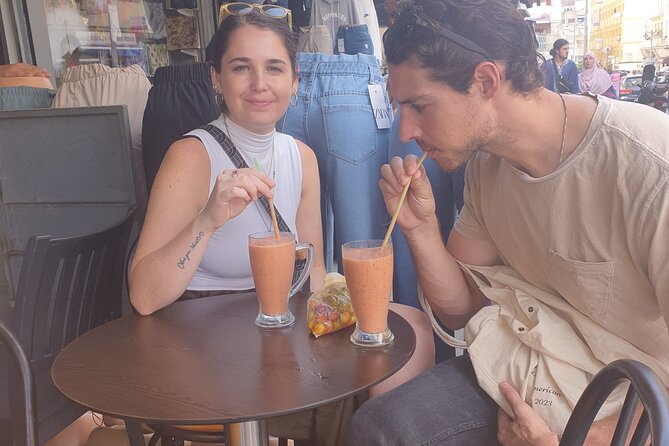
After the market circuit, you’ll have your traditional lunch in a typical restaurant. This is one of the strongest value components of the tour, because it turns tastings into a full meal rather than just samples.
A traditional lunch stop also gives you something tastings alone can’t: portioning, shared dining norms, and a clearer sense of what locals eat when they’re actually sitting down—not when they’re passing through a stall.
Practical tip from how the tour is described: since the food stops happen before lunch, don’t assume you’ll need a huge appetite. Still, go in with some hunger. If you’re sensitive to spice, tell your guide at the start so they can pace your tastings in a way that keeps the day enjoyable.
Guides like Hamad, Abdel, and Hamid: why the human factor matters
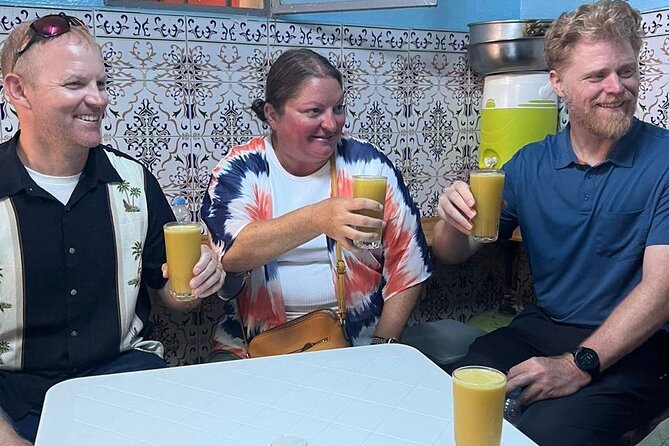
The tour’s core strength shows up in feedback about the guides. People consistently highlight Hamad for clear arrival instructions and handling potential street pressure, especially for visitors getting in via port. Others mention Abdel as a standout food guide who offered a wide variety of tastings and guided people through both upper areas and inner city streets.
There’s also strong praise for Hamid, described as knowledgeable about Tangier’s history and people, and praised for how he interacts in the city—being greeted with smiles and handshakes. That social comfort matters on a food tour. It’s easier to focus on learning when your guide helps you avoid friction.
Even if your guide isn’t one of those names, the pattern is the same: expect a local storyteller who knows how to move you through Tangier with confidence.
Price and value: $81.30 for 3 hours of food plus context
At $81.30 per person, you’re paying for more than a walking route. You’re paying for:
- multiple tastings across market areas
- medina orientation and guided interpretation
- entry to two major squares (Gran Socco and Petit Socco) as part of the narrative loop
- a traditional lunch at the end
In many cities, a single restaurant meal doesn’t cover a full guided food circuit. Here, the price spreads across the tastings plus the restaurant stop, and you get the “why” explanations in between. If you’re the type of traveler who likes to understand what you eat instead of only taking bites, this tour can feel like good value.
One caution on budget: since this is a private tour/activity where only your group participates, the total cost depends on how many people are in your group. If you travel solo, the per-person price stays the same, but your best savings may come from booking with friends or waiting for a group discount.
Walking pace and weather reality: what can make or break the day
This is a walking tour through active market streets and stone alleys. Most people can participate, and service animals are allowed. Still, the experience is weather-dependent. If it’s canceled due to poor weather, you’ll be offered a different date or a full refund.
What you should do as a traveler:
- wear comfortable shoes with good grip
- bring sun protection if the day is bright
- plan your schedule so a weather change doesn’t derail everything else
Also, market days can shift what’s happening, so your best strategy is flexibility. If your schedule is locked, book early and ask your guide what the market situation looks like for your day.
Who this Tangier food walk is best for
This tour is a strong match if you want:
- authentic, local-market food experiences instead of only restaurant hopping
- a guided introduction to the medina layout and the famous squares
- culture through food, not culture through long lectures
It’s also a good fit for couples and small groups because it’s private for your group. If you prefer personal attention in a place that can feel tricky without local context, this is the kind of plan that makes Tangier easier to enjoy.
If you’re traveling with kids, you’ll need to gauge walking comfort and attention span. The tour is short enough to try, but it does involve market crowds.
Should you book this Tangier food tour?
I’d book it if you’re excited by the idea of tasting your way through Gran Socco markets, walking the medina with a local storyteller, and finishing with lunch. The guides described in feedback focus on clear guidance, smart navigation, and a mix of tastings that helps you understand Tangier’s food culture instead of just sampling it.
Skip it or think twice if you hate crowds, dislike walking on uneven stone, or you want a strictly restaurant-based itinerary. This tour’s value comes from the street-level market experience, so it’s not meant to be quiet.
Bottom line: for first-time Tangier visitors who want food plus real orientation, this is a solid choice.
FAQ
How long is the Tangier food tour?
The tour lasts about 3 hours.
Where does the tour start?
It starts at Place FaroQ5JQ+97P, Bd Pasteur, Tanger, Morocco.
Where does the tour end?
The activity ends back at the meeting point.
What areas and landmarks are included?
You’ll visit the medina area and stop at Gran Socco square and Petit Socco square, with market time during the walk.
Is there a meal included?
Yes. At the end of the visit, you’ll have a traditional lunch in a typical restaurant.
Is this a private tour?
Yes. It’s a private tour/activity, and only your group participates.
What’s included besides food tastings?
The tour includes guided storytelling and visits to market areas and squares as part of a cultural walking route.
Do I need to print anything, or is there a mobile ticket?
A mobile ticket is included.
Can I bring a service animal?
Service animals are allowed.
What if the weather is bad or plans change?
You can cancel for a full refund up to 24 hours in advance. If the experience is canceled due to poor weather, you’ll be offered a different date or a full refund.