REVIEW · CHENGDU
Tuktuk Food Tour Through Chengdu’s Local Eats
Book on Viator →Operated by Lost Plate · Bookable on Viator
Chengdu tastes better with wheels. This tuktuk dinner tour is built for people who want real local food fast: you hop between alleyways, small temples, and neighborhood spots you’d never find by guessing. I especially love how the evening blends street favorites like Chengdu-style crepes with sit-down Sichuan staples, and how guides such as Fiona keep the night moving smoothly.
I also like the way this tour feeds you enough to make real comparisons. You’ll work through 4 to 5 restaurants over about 3.5 hours, with unlimited local beer, soda, bottled water, and rice wine offered along the way. A drink-and-dish pace like this helps you stay focused on flavor instead of logistics.
One possible drawback: the tuktuks can feel cramped, especially if you’re tall, and the ride between stops isn’t always the comfiest part of the night. If that’s a concern, you’ll want to plan for a bit of squeeze-and-stretch while you hop from place to place.
In This Review
- Key things I’d circle on your map
- Chengdu on a tuktuk: the real point of this dinner plan
- Price and what $73 buys you in real value
- Meeting point and the 3.5-hour flow you’ll actually follow
- Stop-by-stop: what you’ll eat in Chengdu
- Stop 1: Chengdu-style street crepes and Sichuan wontons (chaoshou)
- Mid-tour: the dishes that make it feel like a real eating route
- A note on pacing (so you don’t explode)
- The retro plum wine finale: the 70s–80s bar stop
- Drinks, rice wine, and how to manage the night like a pro
- Vegetarian and dietary needs: what to do so it goes well
- Tuktuk comfort and practical realities (the fun, with caveats)
- Who this tour is best for
- Should you book the tuktuk food tour through Chengdu?
- FAQ
- How long is the Chengdu tuktuk food tour?
- Where is the meeting point, and does the tour end nearby?
- What does the tour cost?
- How many restaurants will I visit?
- What food and drinks are included?
- Is vegetarian food available?
- What is the group size like?
Key things I’d circle on your map
- 4 to 5 food stops over about 3.5 hours, so you get variety without spending your whole night searching
- Unlimited beer, soda, and bottled water, plus rice wine, which makes the meal feel like an event
- Local English-speaking guides (Fiona, George, Jaz, Daisy and more) who connect each dish to how Chengdu eats
- Tuktuk transport that gets you into pedestrian alleys and back-street neighborhoods
- Finale at a 70s–80s themed bar with house-made plum wine, plus a short walk to subway
- Vegetarian is possible, but you must flag it early for the best odds
Chengdu on a tuktuk: the real point of this dinner plan
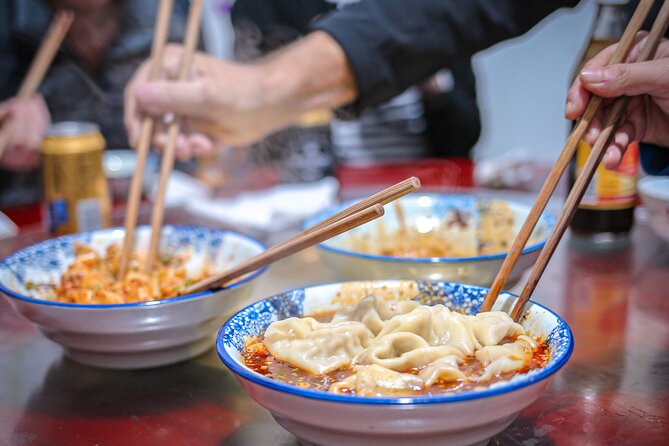
Chengdu’s food reputation is huge, but the city can still feel confusing on foot—especially when you’re trying to choose between hotpots, noodles, dumplings, and “street stalls that look amazing” (but aren’t always labeled for foreigners). This tour solves that problem with a simple structure: an expert guide plus your own tuktuk driver, so you spend more time eating and less time wandering.
The timing matters, too. The tour starts at 6:30 pm, and it’s designed as an evening route through the kinds of places where locals actually hang out—think small temples, neighborhood lanes, and food counters that aren’t on every tourist checklist. You’re not just collecting bites. You’re seeing how Chengdu’s food world feels after dark.
And since it runs in a small group (2–12 people), you’re less likely to get ignored or stuck waiting while everyone else orders. The vibe stays relaxed enough that you can ask questions about what you’re eating and how it’s typically served.
Price and what $73 buys you in real value
At $73 per person, this isn’t a cheap snack. But it’s priced like what it is: guided dinner plus transport plus multiple full meals.
Here’s what you’re paying for that changes the math:
- All food at 4+ sit-down, safe-to-eat restaurants (so you’re not gambling on the “is this place legit?” question)
- Unlimited local beer, soda, and bottled water, which can easily become the biggest hidden cost on your own
- A local English-speaking guide who helps you order and understand what you’re tasting
- Tuktuk transportation, which is often the hardest part to arrange once you’re hungry and moving fast
If you’ve ever planned a DIY food night in Chengdu, you know how expensive indecision can get. You end up taking taxis, ordering the wrong thing, or spending time “looking for something.” This tour turns that into a set route where the effort is already done for you.
Meeting point and the 3.5-hour flow you’ll actually follow
You’ll meet at 251-14 Shuang Qiao Lu, Cheng Hua Qu, Cheng Du Shi, Si Chuan Sheng, 610065, and the tour ends back at the same meeting point. It runs for about 3 hours 30 minutes, and you’ll operate across a mix of short walks and tuktuk hops.
Bring the mobile ticket you receive after booking, and plan to dress for the weather since it runs in all weather conditions. Also keep in mind: the ride is part of the fun, but it’s not meant to be a long, comfy taxi replacement. When you factor that in, the whole night feels easier.
One more detail that helps: the tuktuk route is built around locations that are reachable without you constantly checking your phone. If you like feeling “taken care of,” this format does that well.
Stop-by-stop: what you’ll eat in Chengdu
This is a multi-stop Sichuan dinner with a balance of street-style classics and sit-down dishes. The exact mix can vary, but the structure stays the same: each stop is focused, and your guide helps you order so you’re not staring at the menu like a deer in headlights.
Stop 1: Chengdu-style street crepes and Sichuan wontons (chaoshou)
Your first major food moments are built around two crowd-pleasers that make Chengdu feel distinct.
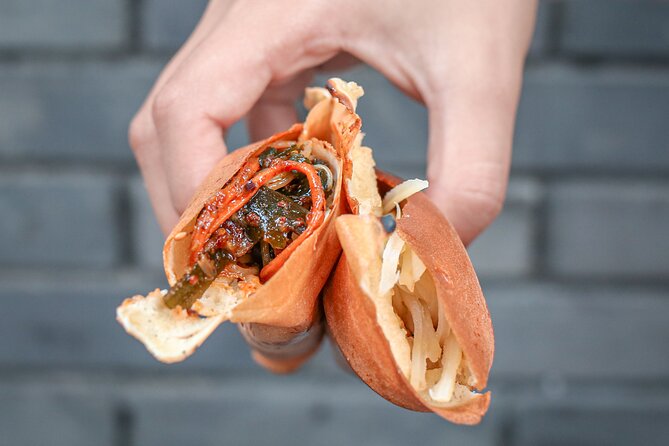
Chengdu Street Crepes are one of those foods you’ll immediately get why locals talk about. They come in multiple flavor profiles—sweet, salty, spicy, and strange—and you’ll see how a simple street item can become a proper, repeatable order once you know what to ask for.
Then comes Sichuan-style wontons, often called chaoshou by locals. At a family restaurant, you learn not only what you’re eating, but also how the dish fits into the way Sichuan families share food. Expect a more “come in, order, eat well” atmosphere than a formal restaurant rhythm.
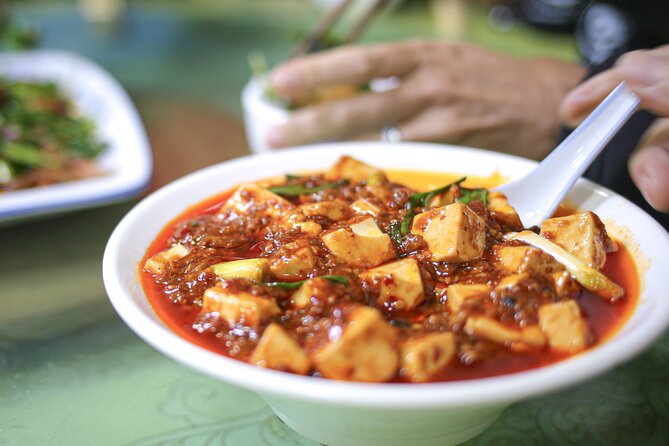
From the dishes people highlight during this tour, you may also encounter staples such as ma po tofu, plus other Sichuan comfort foods that show up throughout the stops (you might see dumplings, noodles, and stir-fry dishes as the night progresses). The point is variety within the Sichuan family—not random guessing.
Mid-tour: the dishes that make it feel like a real eating route
Across the remaining restaurant stops (you’ll hit 4 to 5 places total), the tour typically rotates through different Sichuan styles and formats: street stall food, residential unit-style eateries, and small sit-down spots.
Some of the dish names that show up in the experience include:
- Ma po tofu
- Sichuan tacos (yes, the crunchy-chewy street food concept adapted to Sichuan flavors)
- Dumplings from a more local, non-hotel setting
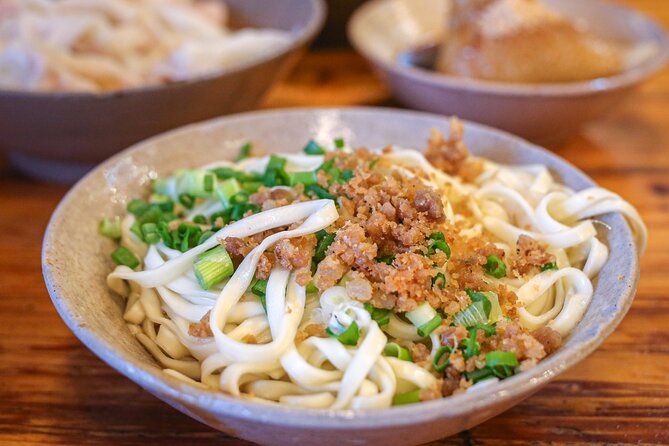
- Noodles and Sichuan stir-fry
- The kind of small “one specialty” stops that let you compare textures and sauces quickly
What I like about this setup is that it teaches you how to think like a local eater. Chengdu food isn’t one giant category. It’s a lot of specialized dishes that locals pick based on cravings, timing, and spice tolerance. The guide’s job is to help you taste in a way that makes sense, not just collect Instagram bites.
A practical tip if you’re sensitive to heat: you can ask for a milder spice level if you want. Chengdu is famous for spice, but you don’t have to suffer for it.
A note on pacing (so you don’t explode)
The pacing is set up so you don’t get hit with massive portions back-to-back. People often mention that the pace feels right—enough food to be satisfied, without the “we’re done with food but I still have to eat two more courses” feeling. It helps that you’re also drinking water, soda, and beer across the way.
And if you’re the type who worries about waste, there’s even a thoughtful touch some groups receive: leftover food being handled so you’re not stuck with it.
The retro plum wine finale: the 70s–80s bar stop
The end of the night is a real shift in mood. After your restaurant stops, you’ll head to a 70s–80s themed bar where you can try house-made plum wine.
This bar stop is short—about a 10-minute walk to the nearest subway station—which makes it easier to plan your next move without stress. It’s also a fun “hangout” style stop, not another sit-and-stare meal.
Some guides also bring an extra cultural twist, like teaching simple ways to play mahjong while you’re there. Even if you’ve never touched a tile in your life, the point is to keep the night social and relaxed.
Drinks, rice wine, and how to manage the night like a pro
Alcohol is part of the experience, and it’s offered in a way that feels casual rather than formal. You’ll have unlimited local beer, soda, and bottled water, and the tour also includes time to enjoy rice wine. The plum wine at the end is the memorable signature pour.
Here’s how you’ll make this work smoothly:
- Start with water or soda between heavier sips, so you don’t end the night too wobbly
- If you want to drink, plan to eat steadily rather than all at once
- Tell your guide if you want less heat in the food, because spice plus alcohol can stack fast
The guide’s role here is bigger than it sounds. When someone like George or Jaz is running the flow, you’re not waiting around for the next dish or trying to interpret menus alone.
Vegetarian and dietary needs: what to do so it goes well
Vegetarian is listed as available, but the key phrase is advance notice. If you’re vegetarian, you should message your needs early so the team can plan appropriately for the restaurants on the route.
One caution worth taking seriously: a small service slip can happen if the dietary requirement isn’t communicated clearly far enough ahead. That doesn’t mean the tour can’t handle vegetarian food—it means you should treat this as your job too: confirm the plan before the start so you get food that fits.
If you’re not vegetarian but you have other restrictions (allergies, low spice, no alcohol), it’s worth flagging those too when you book. The tour works best when the guide can adapt orders without changing the whole route.
Tuktuk comfort and practical realities (the fun, with caveats)
Let’s be honest: tuktuks are charming and chaotic in equal measure. They’re great for slipping into pedestrian lanes and back streets, but they aren’t designed for long-distance comfort. If you’re tall or broad-shouldered, you may feel squeezed.
Also remember that food stops can be lively. Some places run noisy, and you might be around smoking in certain environments. If that’s a deal-breaker for you, tell your guide and consider choosing tables more appropriate to your comfort.
The good news: the tour is built to keep the overall experience moving. You’re not stuck in one cramped moment for an extended time. The ride is frequent enough that you’re always “on to the next thing,” which helps the discomfort feel temporary.
Who this tour is best for
This is a strong fit if you:
- Are visiting Chengdu for the first time and want an organized way to taste local dishes
- Like guided ordering, dish explanations, and short travel stretches
- Want a fun evening with transport that turns the city into an adventure
It’s also a great option for groups that include picky eaters, because the menu tends to stay within Sichuan comfort food territory while still offering enough variety to find something you actually like. Even people who aren’t sure what to order can get to a good result with the guide guiding the choices.
If you’re the type who only wants quiet dining and perfect seating comfort, you might find parts of the experience less controlled. But if your priority is food discovery plus energy, the tour hits the mark.
Should you book the tuktuk food tour through Chengdu?
I’d book it if you want a high-success way to eat Chengdu like locals—street crepes, chaoshou wontons, and Sichuan dishes at a pace that keeps the night fun. The value jumps when you factor in the drinks, the guided ordering, and the transport that gets you into back-street food zones.
I’d hesitate only if:
- You’re extremely sensitive to cramped seating in tuktuks
- You need strict dietary planning and might not be able to communicate details early
- You strongly prefer smoke-free, quiet restaurants
If those concerns are manageable, this is one of the easiest ways to have a memorable Chengdu dinner without turning your evening into a map-reading project.
FAQ
How long is the Chengdu tuktuk food tour?
The tour lasts about 3 hours 30 minutes.
Where is the meeting point, and does the tour end nearby?
You’ll meet at 251-14 Shuang Qiao Lu, Cheng Hua Qu, Cheng Du Shi, Si Chuan Sheng, 610065, and the experience ends back at the same meeting point.
What does the tour cost?
The price is $73.00 per person.
How many restaurants will I visit?
The tour includes stops at 4 to 5 restaurants for classic Sichuan food.
What food and drinks are included?
All food at 4+ sit-down, safe to eat restaurants is included. You’ll also have unlimited local beer, soda, and bottled water, and you’ll enjoy rice wine.
Is vegetarian food available?
Vegetarian options are available if you notify the provider at the time of booking in advance.
What is the group size like?
It’s a small group tour for 2–12 people, with a maximum of 10 travelers.