REVIEW · WASHINGTON DC
Washington D.C.: Taste of Georgetown Walking Food Tour
Book on GetYourGuide →Operated by Blue Fern Travel · Bookable on GetYourGuide
Georgetown has a way of making dinner feel like storytelling. This 3-hour Taste of Georgetown walking tour turns DC’s oldest neighborhood into a full, restaurant-style lunch with history you can taste.
I like that the group stays small, so the guide can answer questions without rushing you. I also love the mix of food styles, from French-influenced desserts to Middle Eastern flavors, served in enough quantity to actually be lunch.
One thing to weigh: this tour is not a good fit if you’re vegan or need to avoid gluten or dairy/lactose. If that’s you, you’ll want to look for another option, because the tastings are built around specific menus.
In This Review
- Key Takeaways Before You Go
- A Georgetown Food Walk That Actually Feels Like a Meal
- The Pace, Distance, and How to Dress Like a Pro
- Where You Meet and How the Walk Starts
- Stop 1: Pastries and Port-Era Stories Near the Canal
- Stop 2: Potatoes and Egg with Turkish-Spiced Flavor
- Stop 3: Thin-Crust Pizza Moments and the Social Side of Eating Out
- Stop 4: Olive Oil and Fresh Bread, the Simple Stop That Works
- Stop 5: Falafel Pita with Marinated Vegetables and Tahini
- Photo Stops: Quick Breaks That Don’t Break the Flow
- The French-Inspired Crème Brûlée Finale at Brasserie Liberté
- What the Tour Teaches You (Beyond Food)
- Is It Worth $129? Here’s How I’d Judge the Value
- Who Should Book This Georgetown Tour
- Should You Book the Washington D.C. Taste of Georgetown Walking Food Tour?
- FAQ
- How long is the Washington D.C. Taste of Georgetown Walking Food Tour?
- Where do I meet the tour guide?
- How far will we walk?
- What’s included with the ticket?
- Is this tour vegetarian, vegan, or allergy-friendly?
- Where does the tour end?
- Does the tour run in bad weather?
- Is there a cancellation option if my plans change?
Key Takeaways Before You Go
- Small group (up to 8): you get a more personal pace and time for questions.
- Food-heavy, not snacky: the tastings add up to a lunch-sized experience.
- Georgetown’s port-to-enclave story: you’ll connect buildings and streets to how the neighborhood changed.
- Two photo pauses included: your guide takes (electronic) photos during the walk.
- Charity included in the ticket: part of your price supports Bread for the City.
- 1.5 miles on foot: plan for a steady walk over about 3 hours, rain or shine.
A Georgetown Food Walk That Actually Feels Like a Meal
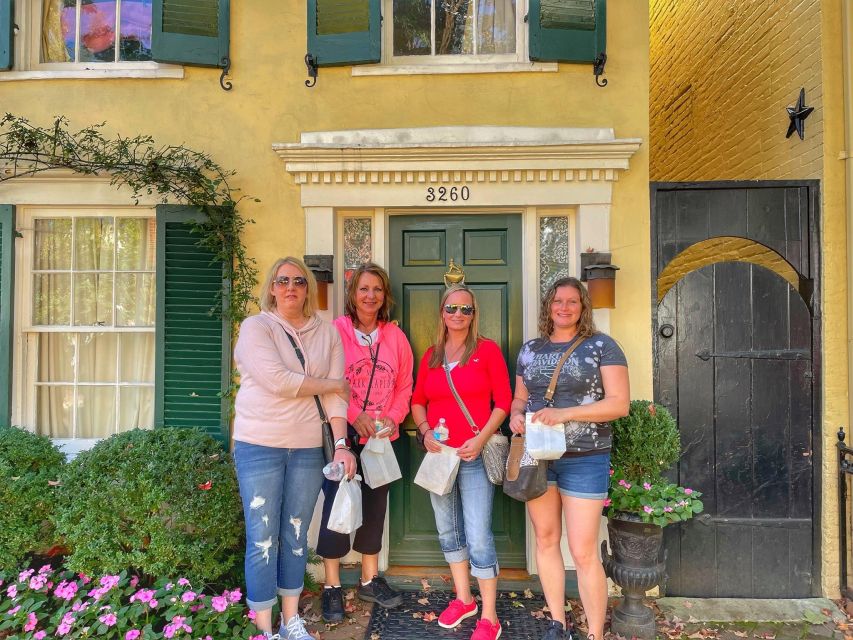
This tour is built around a simple idea: Georgetown isn’t just shopping and waterfront views. It’s a neighborhood shaped by trade, immigration, and changing tastes, and the route shows those shifts through food. You’ll walk old streets while your guide ties each stop to what Georgetown used to be—and what it became.
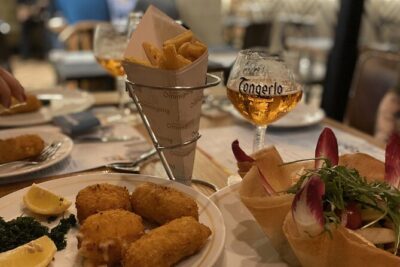
What makes it especially satisfying is the amount of food. Instead of a few tiny bites, you’re handed tastings that come across as intentional courses. By the end, you’re not looking for dinner later. You’re looking for a place to sit down, digest, and think about what you just learned.
And the history isn’t taught like a lecture. It’s tied to details you can picture: canals that moved goods, flour mills, port activity, and the later move toward an elite enclave. You’ll get the sense that the neighborhood’s identity kept evolving, and the food evolved with it.
You can also read our reviews of more walking tours in Washington Dc

The Pace, Distance, and How to Dress Like a Pro
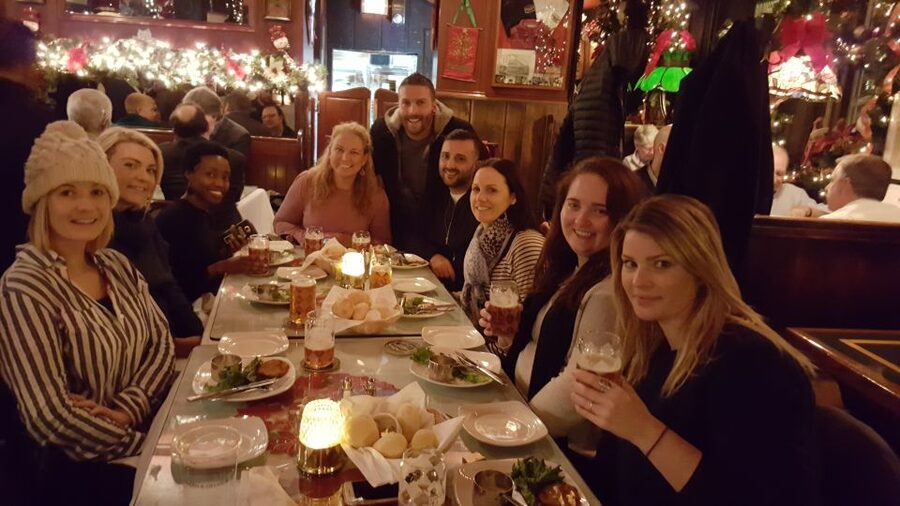
The walk covers about 1.5 miles over roughly 3 hours, with timing that depends on group size. That’s not a long hike, but it does mean you’ll be on your feet for most of the afternoon. If you do well with city walking, you’ll be fine.
Dress for weather because the tour runs rain or shine. In practice, that means comfortable shoes are non-negotiable and a jacket/umbrella plan helps. If it’s hot, wear breathable layers and expect a slower pace during tastings rather than constant movement.
Also plan to arrive with an appetite. The tour is structured so your stomach isn’t guessing what’s next. Water is included, and you’ll be moving from stop to stop in a way that feels like a restaurant crawl, not a random wandering walk.
Where You Meet and How the Walk Starts
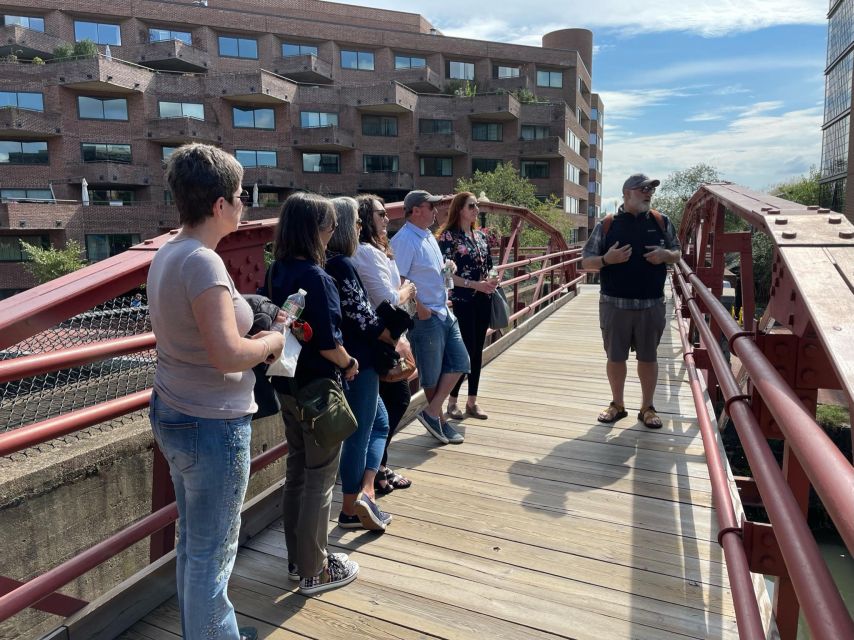
You meet at Green Almond Pantry. From there, you’ll begin the Georgetown stroll that stitches together food and neighborhood history. The tour is designed to keep you oriented—so you’re not just following your guide, you’re learning how the parts connect.
You’ll also have a couple built-in photo stops, where your guide takes electronic photos. This is a small detail, but it helps you document the day without stopping the whole group for too long. You’ll get those quick pauses at the right moments rather than constantly asking, Can we take a picture?
Stop 1: Pastries and Port-Era Stories Near the Canal
The tour’s early tastings lean into Georgetown’s European pull, starting with a tart offered near a canal setting. That’s not random scenery—it’s a cue to the past. Georgetown began as a port neighborhood, and the canal and waterways helped move goods west.
In this section, your guide helps you connect the dots between old infrastructure and everyday food. Think flour supply chains, market rhythms, and how people brought their cooking traditions with them. The flavor you taste here is tied to the idea that Georgetown has always been a meeting point.
Practical note: early tastings set the pace. If you’re the type who likes to take your time, you’ll enjoy the start. If you’re sensitive to pastry sweetness, just go in knowing the tour’s breakfast/dessert DNA shows up early and again later.
Stop 2: Potatoes and Egg with Turkish-Spiced Flavor
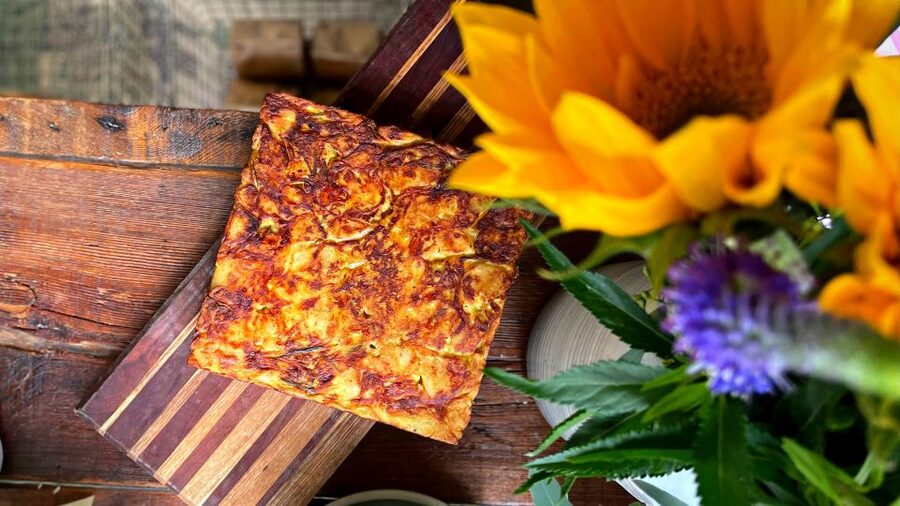
One of the standout tastings is potatoes and egg with Turkish-style spices. This isn’t just “another bite.” It signals a bigger story: Georgetown became home to people from many backgrounds, and that diversity shaped what could thrive in local kitchens.
You’ll also hear about how Georgetown shifted over time—from port activity to a more refined enclave. That change didn’t erase older food pathways. Instead, it created a place where different cuisines could coexist and grow a reputation.
This stop also works well if you like savory, warm flavors. It’s filling in a way that makes the tour feel like a proper meal. If you prefer light food, balance it by pacing yourself with water and spacing sips between bites.
You can also read our reviews of more food & drink experiences in Washington Dc


Stop 3: Thin-Crust Pizza Moments and the Social Side of Eating Out
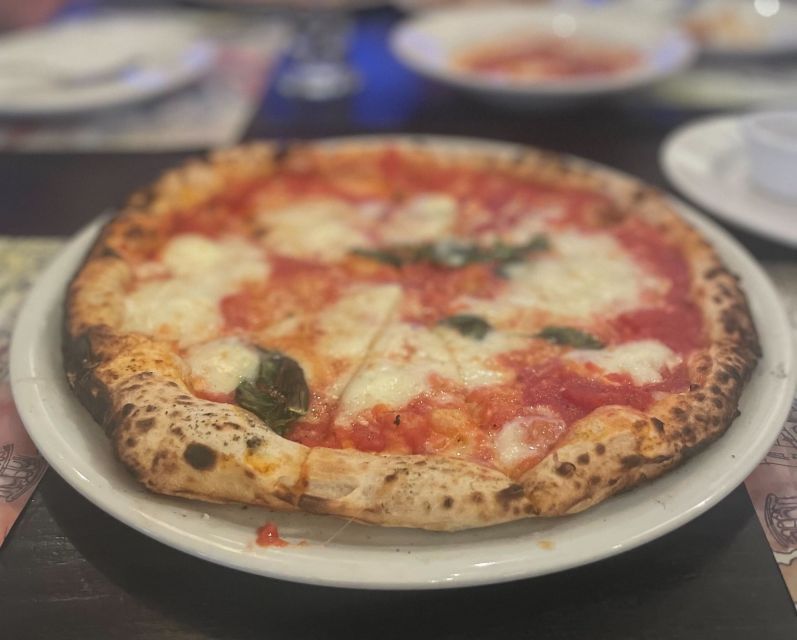
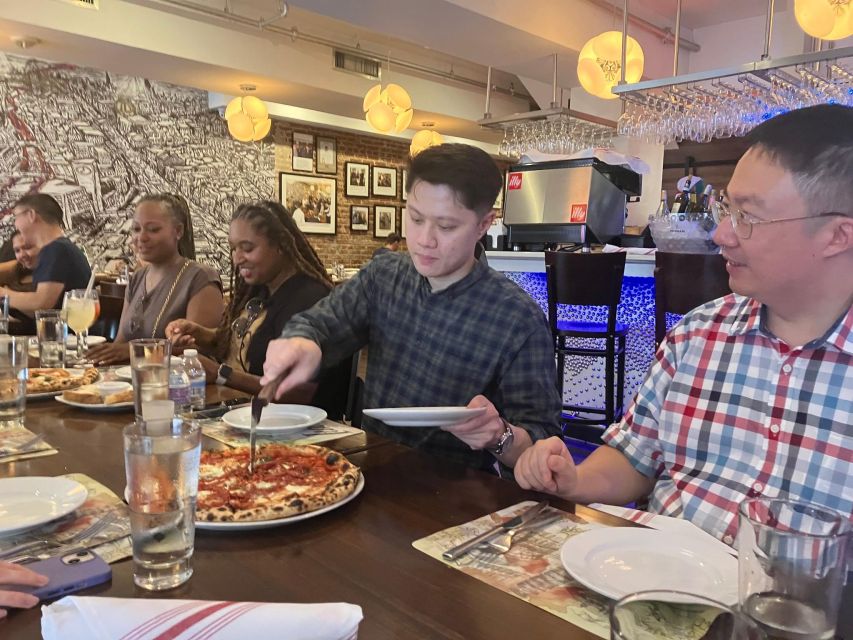
Later, you’ll hit thin-crust pizza, with the tour description pointing to an award-winning style that draws attention far beyond Georgetown. In the tastings, pizza is paired with the kind of restaurant energy that makes the neighborhood feel alive—not frozen in time.
Pizza here also connects to a history of changing tastes. Georgetown’s port past brought goods and people through. Over time, that flow translated into a dining culture where new favorites could catch on and stick.
You’ll likely also encounter meatball flavors as part of this pizza-and-casual-comfort sequence. It’s the kind of stop that makes sense for hungry walkers because it delivers real substance. And unlike some tours where pizza is just a token slice, this one treats it like a real course.
Stop 4: Olive Oil and Fresh Bread, the Simple Stop That Works
Then comes a tasting built on a classic idea: high-quality gourmet olive oil paired with fresh baked bread. This stop is valuable because it doesn’t rely on “wow” tricks. It relies on ingredients and care—and it tells you a lot about what Georgetown diners learned to value.
Your guide will connect food choices to the neighborhood’s long relationship with European cuisine. Even when you’re tasting something straightforward, you’re still getting the Georgetown context. This is where the tour feels grounded, not flashy.
If you’re trying to decide whether it’s worth it, this is the kind of stop that proves the tour isn’t just chasing variety. It’s showing you how flavors are built—and why they make people come back.
Stop 5: Falafel Pita with Marinated Vegetables and Tahini
One of the most memorable flavors in the middle of the route is falafel pita with marinated vegetables and stellar tahini. This is where the tour leans into Middle Eastern cuisine and the larger immigration story of Georgetown.
It also balances the earlier stops. You’ve had pastry and savory egg-potato flavors, then pizza and bread. Falafel offers a different texture and a punchy sauce experience, which keeps the tour from feeling repetitive.
This stop is also a good “checkpoint” for your energy. If you’re pacing yourself and drinking water, you’ll find you still have room for the finish. If you go too hard on earlier sweetness, that’s when you’ll feel it.
Photo Stops: Quick Breaks That Don’t Break the Flow
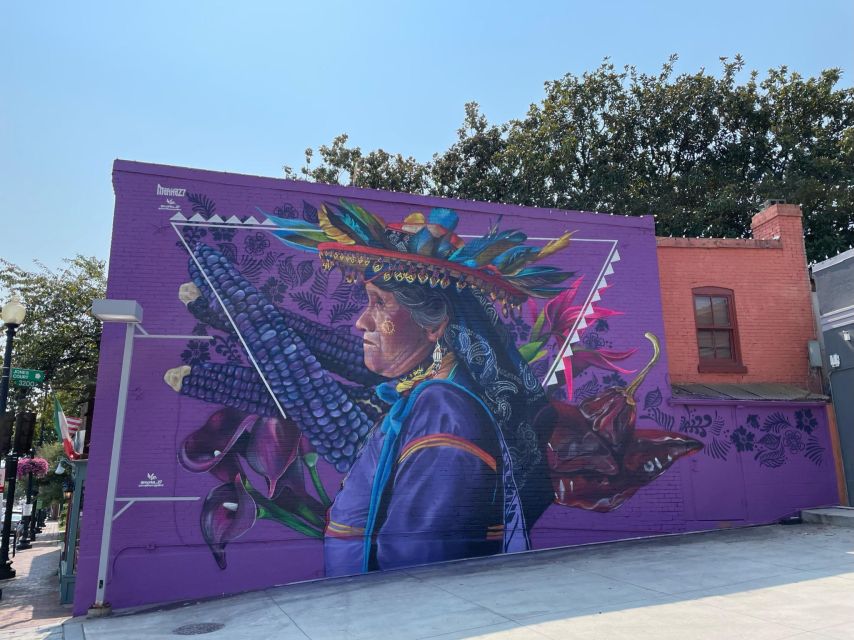
The tour includes photo stops during the walk, and your guide takes electronic photos. These pauses help you slow down for a moment and look around without losing the rhythm of the group.
I like this approach because it’s practical. You’re not relying on your phone timer while walking. You’re not forcing strangers to help. And you’ll have a few Georgetown moments saved, not just a handful of blurry, moving shots.
The French-Inspired Crème Brûlée Finale at Brasserie Liberté
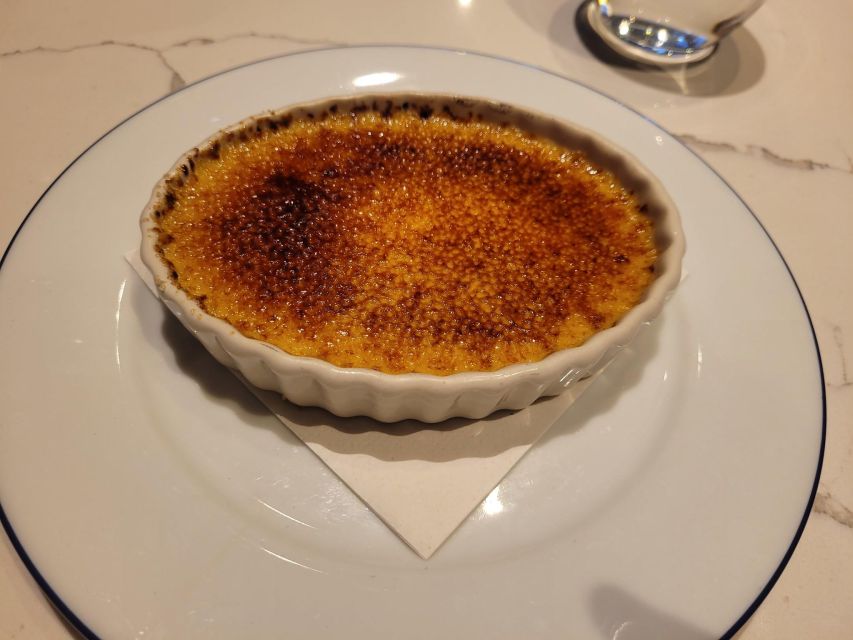
The finish is at Brasserie Liberté, and the tour caps the experience with crème brûlée. This is where the French influence story lands in a very literal way: a dessert that feels old-world and precise.
If you’ve been following the route’s history threads, crème brûlée fits because it’s tied to the neighborhood’s European culinary influence. It also gives you a satisfying end point after a walk that’s more active than a sitting lunch.
Ending at a restaurant matters too. It gives you a moment to settle before you’re on your own again. And because the earlier stops are generous, the final dessert feels like a capstone rather than a second job.
What the Tour Teaches You (Beyond Food)
What I find most useful about this kind of tour is that it teaches you how to look at a place. Georgetown can look like scenery if you only walk through. This tour gives you a story thread—ports, goods moving on waterways, flour milling, and later the shift to an elite enclave—so you start noticing the logic behind the streets.
You also pick up a sense of community building through food. Georgetown’s history includes people from many religions and cultures living together and shaping an eclectic culinary scene. Once you see that pattern, you stop treating restaurants like random stand-alone stops.
And because the group is small, you can ask specific questions. Guides such as Neka, Soniqua, and Jim have led tours in the past, and the common theme is a guide who connects ingredients to the place you’re standing in.
Is It Worth $129? Here’s How I’d Judge the Value
For $129 per person with about 3 hours and multiple tastings, the value depends on one thing: whether you want to eat your way through Georgetown instead of just browsing it.
This tour is food-forward. You’re not paying for a history lecture with a token snack. The tastings are substantial enough that many people leave feeling comfortably full rather than “lightly sampled.” That matters because lunch in DC can add up fast, especially if you’re factoring in multiple meals or returns to restaurants you liked.
You also get extras that increase the day’s payoff:
- Water included
- A live guide and guided walking route
- Electronic photos taken during the walk
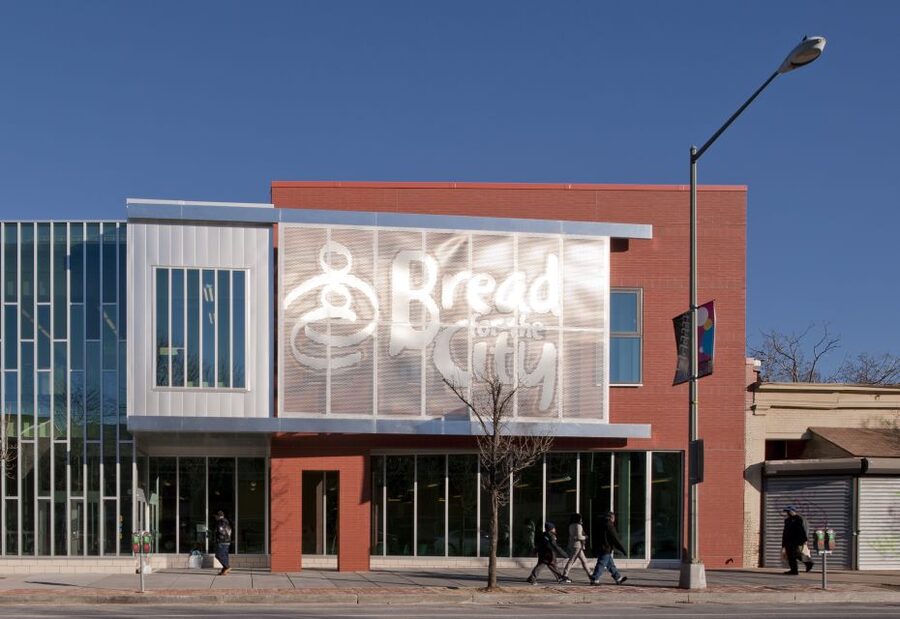
- A meaningful donation portioned from your ticket to Bread for the City
If you’re the type who loves restaurants, wants a guided route, and also likes learning while you eat, this price starts to make sense. If you’re on a tight food budget and prefer to pick a couple places on your own, you’ll feel the cost more sharply.
Who Should Book This Georgetown Tour
This tour is a strong match if you:
- Want a lunch-sized experience without planning multiple stops yourself
- Enjoy food variety with a clear theme: Georgetown’s evolving identity
- Like walking with a guide who ties food to place
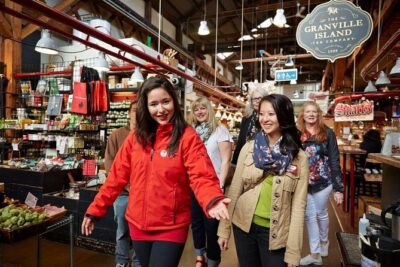
- Appreciate a small group setting (up to 8)
It’s not a great match if you:
- Need vegan options
- Have gluten intolerance or dairy/lactose restrictions
The tour’s tastings are built around specific menus, so you shouldn’t assume substitutions.
Also, if you don’t like walking in the rain, remember it runs in any weather. The route isn’t long, but you do need to dress for it.
Should You Book the Washington D.C. Taste of Georgetown Walking Food Tour?
I’d book it if your ideal DC day includes eating your way through a neighborhood while learning why it looks the way it does. The small group size, generous tastings, and the mix of flavors—from Turkish-spiced bites to French-style dessert—make it feel like a planned afternoon, not random wandering.
Skip it if you need vegan, gluten-free, or lactose-free planning. In that case, you’ll have a better time elsewhere where the menu can match your needs.
If you fit the food-and-walking style, this is a smart way to experience Georgetown with value built in through both portion size and the donation to Bread for the City.
FAQ
How long is the Washington D.C. Taste of Georgetown Walking Food Tour?
The tour lasts about 3 hours.
Where do I meet the tour guide?
You meet at Green Almond Pantry.
How far will we walk?
The walk covers approximately 1.5 miles over about 3 hours, depending on group size.
What’s included with the ticket?
Your ticket includes tastings at local restaurants in Georgetown, water, a walking tour, and a tour guide. The experience also includes (electronic) photos taken by your guide during the tour.
Is this tour vegetarian, vegan, or allergy-friendly?
It cannot accommodate vegan diets or those with dairy or gluten allergies. It is not suitable for lactose intolerance either.
Where does the tour end?
The tour finishes at Brasserie Liberté.
Does the tour run in bad weather?
Tours operate rain or shine, so you should dress for the weather and wear comfortable shoes.
Is there a cancellation option if my plans change?
You can cancel up to 24 hours in advance for a full refund.