REVIEW · OSLO
A Well Balanced History and Food Tour with Focus on the Scandinavian Kitchen
Book on Viator →Bookable on Viator
Oslo tastes better with history in hand. This well-paced 3-hour walk blends Norwegian landmarks like the National Opera and City Hall with Scandinavian kitchen stops, so you’re learning why the food looks and tastes the way it does. I especially like the way the guide ties city power, sea routes, and local ingredients into a food-first story, with stand-out commentary from guides such as Tanya-Lisa.
Two things I really love: the tour covers real sights you’d otherwise skip, and you get a guided route through busy central Oslo (Aker Brygge is a must-see). One thing to plan for: food and drinks aren’t included in the ticket price, and tastings can be limited on Sundays and on weekdays after 6PM.
In This Review
- Key highlights worth your attention
- Price and what you’re really paying for
- A 3-hour route that uses Oslo’s “food geography”
- Stop 1: Norwegian National Opera & Ballet as your “why Oslo” opener
- Stop 2: Aker Brygge and the waterfront-food connection
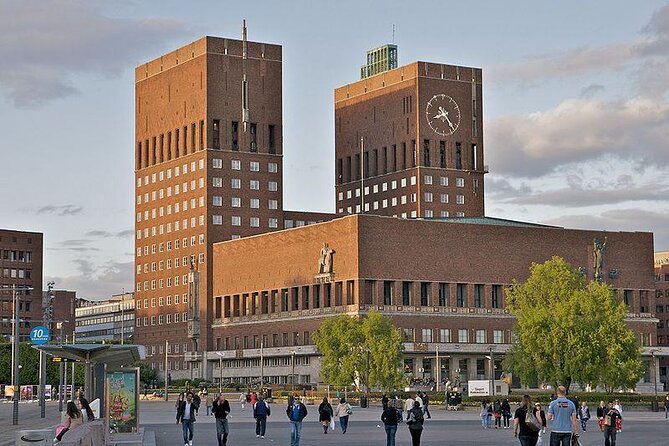
- Stop 3: Oslo City Hall and the story behind hearty choices
- Stop 4: Akershus Castle and Fortress, Norway’s older core
- The Scandinavian kitchen stops: what you’ll likely taste
- A real-world note on how tastings work
- Food costs extra: how to avoid the common letdown
- Guides make or break it: Tanya-Lisa and the communication factor
- Who this tour is best for (and who should skip)
- Tips to get the most out of your 3 hours
- Should you book this Scandinavian kitchen and history tour?
- FAQ
- What’s the duration of the Oslo history and food tour?
- How much does the tour cost?
- What language is the tour offered in?
- Is pickup available?
- Where does the tour start and end?
- Are food and drinks included in the price?
- Are tastings available on Sundays?
Key highlights worth your attention
- City landmarks tied directly to what you’ll eat
- Scandinavian kitchen focus with classic Norwegian plates
- Small group size (max 12) for more back-and-forth
- Possible added stops when a guide can work with opening hours
- Tastings depend on timing, especially Sundays and after 6PM
Price and what you’re really paying for
At $348.18 per group (up to 10), this tour pricing structure is a bit different from the usual per-person format. That can be a plus if you’re traveling with friends or family and want a guided “best hits” route without splitting up. The big value is not just the tasting itself. It’s the guide who connects the dots between Oslo’s built history and the ingredients behind Norwegian food.
Here’s the catch: the tour price covers the professional local guide and the walking route, not the food. The listing is clear that tastings and drinks are paid by you unless the guidebook specifies otherwise. In other words, you’re buying the storytelling and the access to food spots that feel local, not a full all-you-can-eat meal.
If you’re price-sensitive, this is how I’d think about it:
- If you’ll actually try several tastings (salmon, fish soup when available, local meat and beer), the extra cost feels normal for Norway.
- If you prefer to snack lightly and then eat a big meal later, this may feel pricey for a short walk—especially if your timing lands on a limited-tasting window.
You can also read our reviews of more food & drink experiences in Oslo

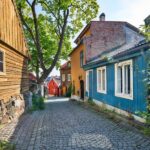
A 3-hour route that uses Oslo’s “food geography”
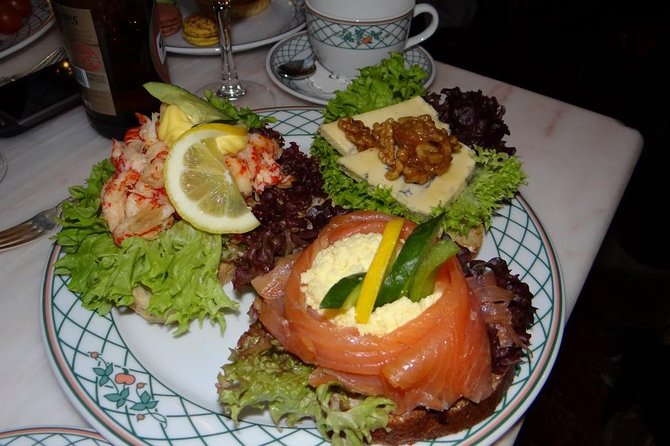
This tour is built for central Oslo walking, with stops that make sense for food in a cold country. Norwegian cuisine leans hard on what’s available through mountains, coast, and the traditions that formed around preserving and cooking real ingredients. Walking the route helps you understand why so much of the cuisine revolves around fish, cured meats, and hearty plates.
You’ll spend time around four main areas:
- The Norwegian National Opera & Ballet
- Aker Brygge
- Oslo City Hall
- Akershus Castle and Fortress
That mix is smart. The Opera area and waterfront give you the sea-and-trade context. City Hall and the medieval fortress help you see how the country’s power centers grew. And along the way, your guide typically points out more key streets and landmark options in the same central corridor, so you don’t feel locked into just four photos and done.
Stop 1: Norwegian National Opera & Ballet as your “why Oslo” opener
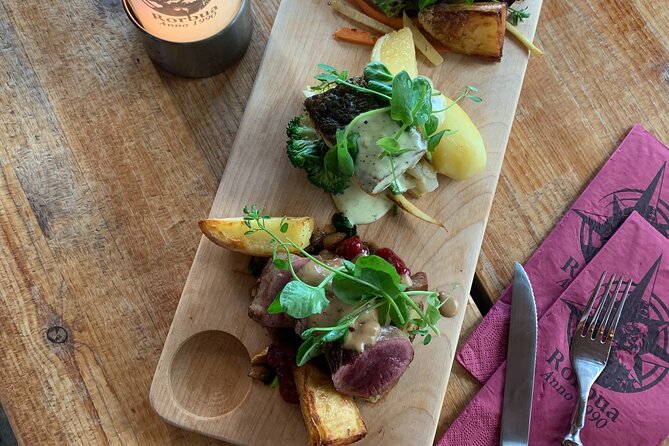
The tour starts at the Norwegian National Opera & Ballet, a good choice because it immediately frames Oslo as a modern city that still sits on older routes. You’ll likely get an explanation of how the capital’s identity evolved and how that connects with the ingredients that show up again and again in traditional cooking: fish from the sea, preserved proteins, and seasonal shifts.
Practical note: this is often the point where the pace sets. If you’re a slow walker, say so early. One reason this tour earns strong marks is that guides can adjust for people who need extra time to regroup.
If you’re the type who likes context, this first stop works. If you’re only here for the tastings, you’ll still want the opener because it makes the later food stops feel less random.
Stop 2: Aker Brygge and the waterfront-food connection
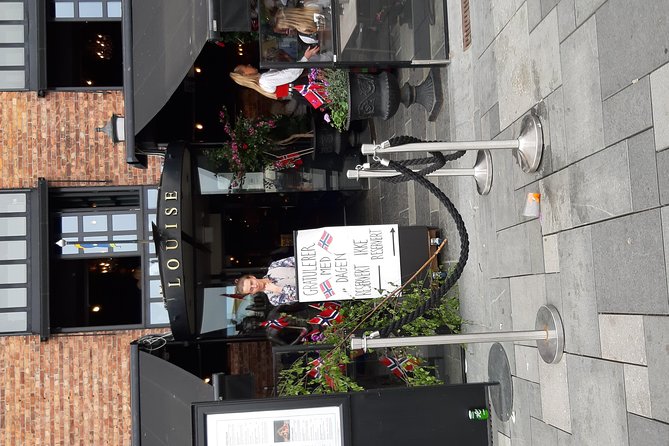
Next up is Aker Brygge, one of Oslo’s most recognizable waterfront districts. It’s also where local food culture makes more sense. Waterfront neighborhoods in coastal cities tend to cluster markets, seafood counters, and everyday spots where people grab lunch without turning it into a museum visit.
What I like about this stop is that it gives you a visual break without killing the momentum. Your guide uses the setting to explain how ingredients travel from fjord to plate, and you’ll get that “this is where the city eats” feeling even while you’re still in history mode.
Downside to consider: it’s popular. That means you’ll be walking in pedestrian zones with crowds, so comfortable shoes help. The tour is short, but some groups end up covering a lot of walking anyway.
Stop 3: Oslo City Hall and the story behind hearty choices

You’ll then reach Oslo City Hall. City Hall isn’t just a pretty building. It’s a shortcut to understanding how Norwegian society built institutions, shaped daily life, and influenced the idea of public dining and shared culture over time.
For food lovers, this stop works because it balances the waterfront’s seafood logic with the idea of structure and continuity. Traditional Norwegian cooking isn’t only about “what’s tasty.” It’s also about consistency: meals built to work in cold weather, with flavors that hold up whether you’re eating fresh, cured, or warmed.
This is also a good moment to ask your guide what’s best to order at the next stop. If you take anything from this tour, take the guide’s order tips. Norway’s menu choices can be straightforward, but the best bites aren’t always the obvious ones.
Stop 4: Akershus Castle and Fortress, Norway’s older core
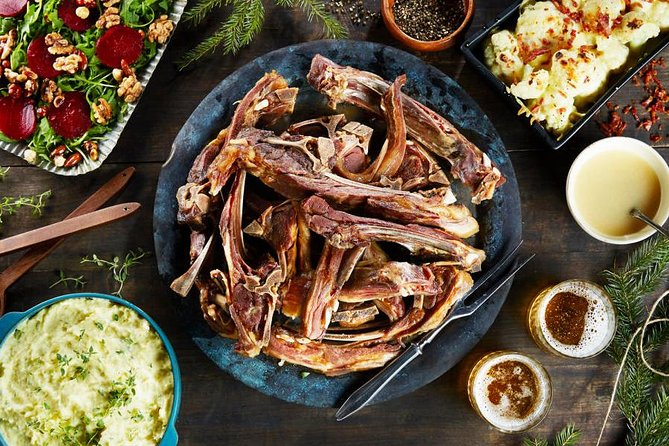
The final big historical anchor is Akershus Castle and Fortress (Akershus Slott og Festning). Medieval fortress sites sit in your head a different way than modern landmarks. They help you picture what life was like when preserving food mattered and when local trade routes mattered even more.
This stop also supports the tour’s main theme: traditional Norwegian cuisine is strongly tied to what the region can reliably supply. Once you’ve seen the fortress, salmon and preserved fish make more sense as practical choices, not just “Norway’s trendy food for visitors.”
If you’re imagining a lot of time inside the fortress, temper expectations. The tour is short, so this tends to be a moving-history stop. You’re there to connect the story to the food coming next, not to do a full museum day.
The Scandinavian kitchen stops: what you’ll likely taste
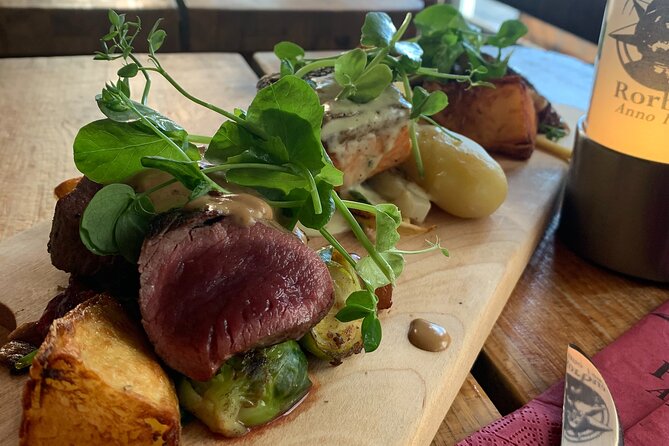
This experience is sold as a Scandinavian kitchen tour with a Norwegian focus. The idea is straightforward: you’ll sample typical Norwegian dishes built around local raw materials. The provided menu guidance points to salmon as a centerpiece, and that matches what many food-focused Oslo tours do well.
Based on the tour description, you should expect tastings that could include:
- Salmon in more than one preparation
- Fish soup when it’s in season
- Meat options, likely including sausage-style bites
- Local beer
- Additional traditional items depending on what’s available at each location
One tasting you’ll hear a lot about is the salmon trilogy-style plate (you’re told it’s 210 NOK per person for the recommended option). That’s useful because it signals what the tour is good at: not one random sample, but a small sequence that shows how Norwegian salmon culture shifts by preparation.
A real-world note on how tastings work
The most important practical detail is timing. Tastings are limited on Sundays and on weekdays after 6PM. That can affect how many stops are actually tasting events versus sightseeing stops.
Some guests specifically noted that limited hours made the food sampling smaller than expected. So if you’re coming during a weekend or arriving late in the day, go in ready to treat the tour as a guided tasting route, not a guaranteed full spread.
Food costs extra: how to avoid the common letdown

Because tastings and drinks are paid by visitors, you should decide in advance what kind of eater you are.
If you want value, do this:
- Budget for at least one main tasting highlight, likely salmon (the tour’s core theme).
- Add one extra bite item if the menu looks seasonal (fish soup if offered).
- If you’re ordering beer, pair it with something salty or cured to keep flavors clear.
If you want to avoid frustration, don’t treat small samples as a full meal. Even when the tour is very good, it’s still a 3-hour walk, and Norway’s portion sizes can be deceptive. You’ll probably finish hungry enough to want dinner afterward, and that’s not a flaw. It’s the model.
Guides make or break it: Tanya-Lisa and the communication factor
This tour’s quality shows up in how the guide manages pace, history, and group needs. One name came up again and again: Tanya-Lisa. People praised her as attentive, patient, and strong on Oslo history, including helping guests who needed to stop and rest during the walking portion.
That matters because Oslo walking tours can vary wildly in comfort level. If your group has mobility constraints, start with a message before you book. Ask whether the guide can slow down and adjust pacing. The experience is short, so small adjustments help a lot.
There’s also evidence that guides may have flexibility around what they can do with limited openings. One guide reportedly arranged a market stop on a special timing opportunity. That doesn’t mean every run includes it, but it does suggest that the best versions of this tour are guided, not just scripted.
Who this tour is best for (and who should skip)
This is best for you if:
- You like history but want it tied to daily life, not just dates
- You’re a food-first traveler who enjoys small tastings and comparisons
- You’re staying near the central Oslo sights and want a compact route
- You travel with people who can split the per-group cost
You might skip it if:
- You hate walking and need long sitting breaks
- You expected tastings to be fully included in the base price
- You’re booking specifically for Sundays or late weekday times and you want maximum food volume
Tips to get the most out of your 3 hours
Do these and you’ll feel like you got your money’s worth:
- Wear comfortable shoes. Even a “3-hour” tour can add up when you’re stopping for photos and explanations.
- Bring a light layer. Coastal wind can hit fast around Aker Brygge.
- Eat lightly before you go if you’re planning to buy more tastings afterward. Otherwise, you’ll overbuy out of hunger stress.
- Ask the guide what to order first. The recommended salmon tastings are often the easiest way to get the tour’s concept in one bite sequence.
- If you’re sensitive to crowds, start with the Opera and City Hall portions mentally framed as photo-and-info stops, not quiet time.
Should you book this Scandinavian kitchen and history tour?
I’d book it if you want a tight, central Oslo plan that mixes landmarks and Norwegian flavors without forcing you into a full day schedule. The value is strongest when you treat it as a guided route that helps you taste the right things at the right places, then you finish your meal on your own later.
I wouldn’t book it if your main goal is a long buffet of included tastings. The food cost is extra, and Sunday or late-weekday timing can reduce what’s available. In that case, you’d be better off pairing a shorter sightseeing plan with a separate meal plan where you control what you order and when you eat.
FAQ
What’s the duration of the Oslo history and food tour?
It runs for about 3 hours.
How much does the tour cost?
The price is $348.18 per group (up to 10 people).
What language is the tour offered in?
The tour is offered in English.
Is pickup available?
Yes, pickup is offered.
Where does the tour start and end?
It starts at Oslo Municipality and ends back at the same meeting point.
Are food and drinks included in the price?
Food and drinks are not included unless specified. Visitors pay for food and drinks.
Are tastings available on Sundays?
Food tastings are limited on Sundays, and also limited on weekdays after 6PM.