In This Review
- Oslo, served on the move
- Key takeaways before you go
- Starting at TigerJernbanetorget: Oslo’s easy beginning
- Stop 1: The Tiger sculpture and a quick direction check
- Stop 2 in Youngstorget: Creamy fish soup as a proper Oslo welcome
- Grunerløkka walking loop: wooden houses, street art, and water-side scenes
- Stop 4 in Birkelunden: farm-to-table main course plus a tram reset
- Stop 5 on Karl Johans Gate: Norwegian waffles with brown cheese
- Price and value: what $172.63 really buys you
- How the small details shape your day
- Who should book, and who might skip it
- Should you book this Oslo Food and Offbeat Walk?
Oslo, served on the move
Three hours. Five stops. Zero boredom. This small-group Oslo walk mixes Norwegian food with hands-on local scenery, with a route that keeps you moving through real neighborhoods instead of just pointing at landmarks.
I especially like the max 10-person group size, which makes it easy to ask questions and actually talk with your guide. I also like that the tour gives you a clear food arc, from a creamy seafood starter to a warm waffle finish with brown cheese.
The main thing to plan for is the walking. You’ll do a solid stretch with some steep hills, and the tour ends a bit away from where it starts, so comfortable shoes and a tram-ready mindset help.
Key takeaways before you go
- Small group (up to 10): more conversation, less crowd pressure.
- Award-winning fish soup start: a strong first bite at Youngstorget.
- Neighborhood walk with views: Grunerløkka includes bridges, street art, and water views.
- Farm-to-table main course: a local-food lunch style, not just a snack stop.
- Public transport included: a tram ride helps you finish without burning out.
- Good shoes matter: the route has short steep sections and winter can be slippery.
You can also read our reviews of more walking tours in Oslo

Starting at TigerJernbanetorget: Oslo’s easy beginning
Meet at TigerJernbanetorget, right by the start area in central Oslo (very close to public transport). From there, the tour keeps you oriented fast, beginning with a brief walk and the Tiger sculpture reference before you head to your first real meal stop.
This is a smart start if it’s your first day in the city. You get your bearings while still working toward food and neighborhoods, instead of spending the early part of the trip figuring out where everything is.
Stop 1: The Tiger sculpture and a quick direction check
The tour kicks off with a stop at the Tiger sculpture area. It’s a simple opener, but it helps set the tone: you’re not just strolling. Your guide uses that first bit of urban context to help you understand the city’s layout and vibe.
Even if you’re the type who usually rushes through photos, this kind of “warm up” works. You’ll notice later that your route feels less random because you started with a real sense of place.
Stop 2 in Youngstorget: Creamy fish soup as a proper Oslo welcome
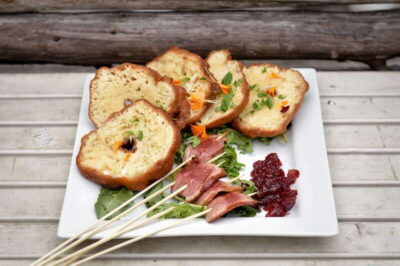
Youngstorget is where you get your first real taste, with a creamy fish soup at a local seafood restaurant known for its soup. The starter is a big clue about what people mean when they talk about Norwegian comfort food: warm, savory, and built for cold weather.
This stop is also practical. If fish soup isn’t an option for you, alternatives are available, so you’re not stuck with a token substitute. And because it’s your first sit-down moment, it’s a good time to reset before the longer walking stretch.
Grunerløkka walking loop: wooden houses, street art, and water-side scenes
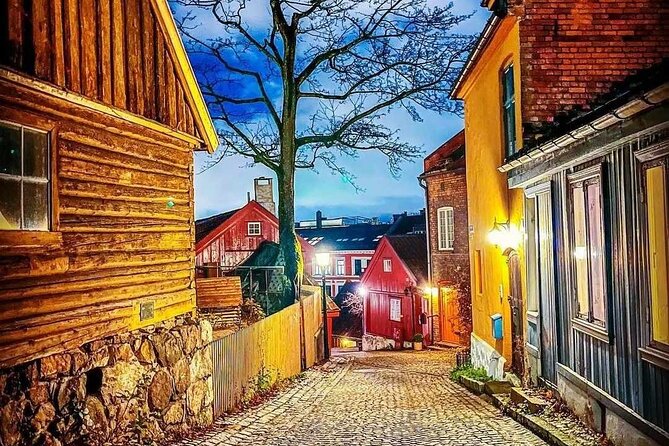
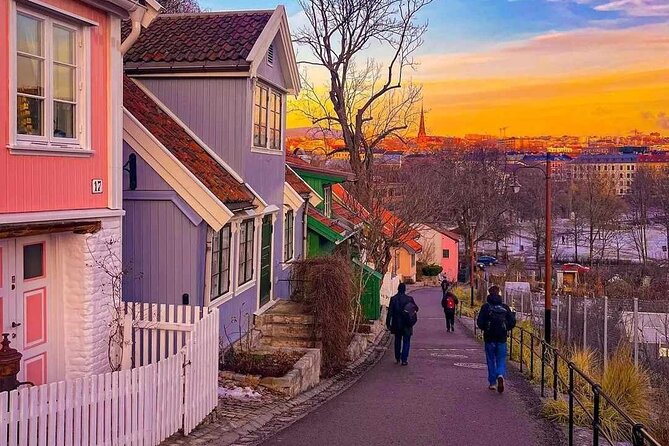
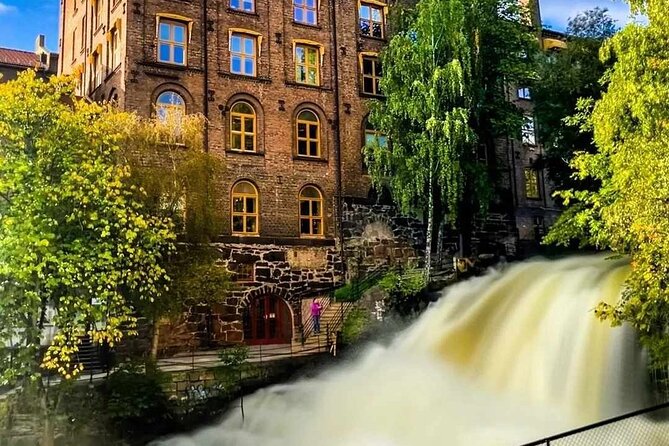
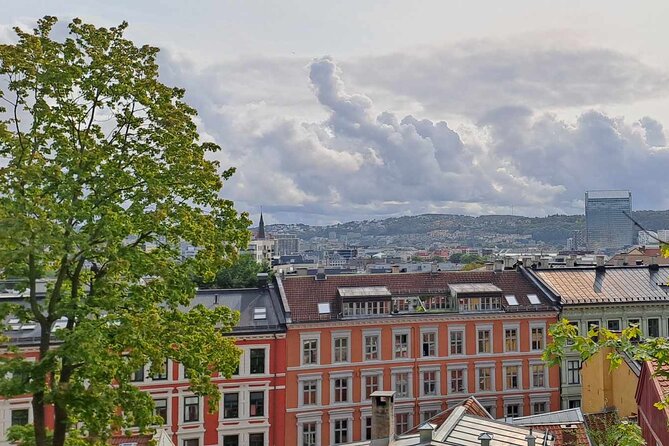
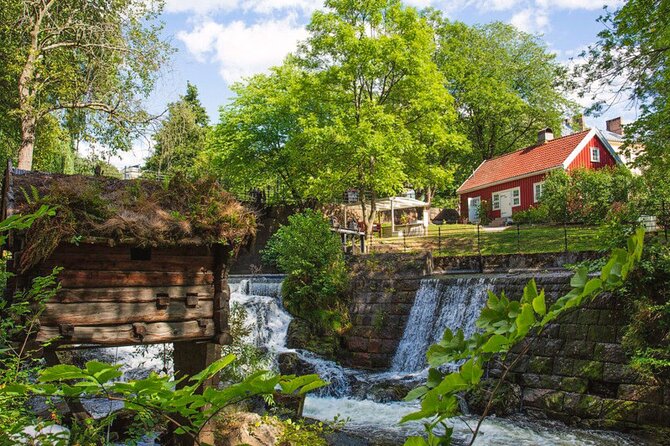
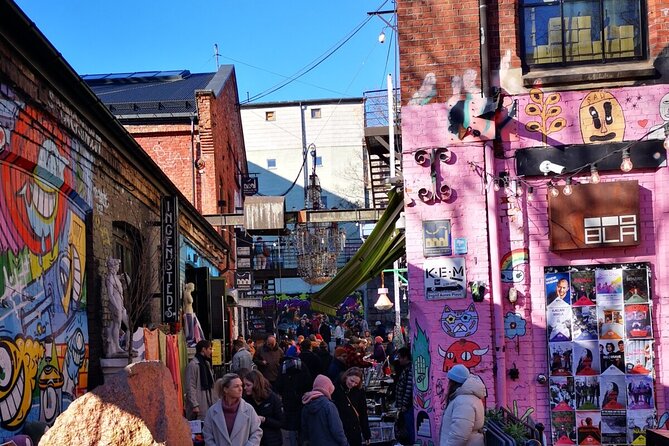
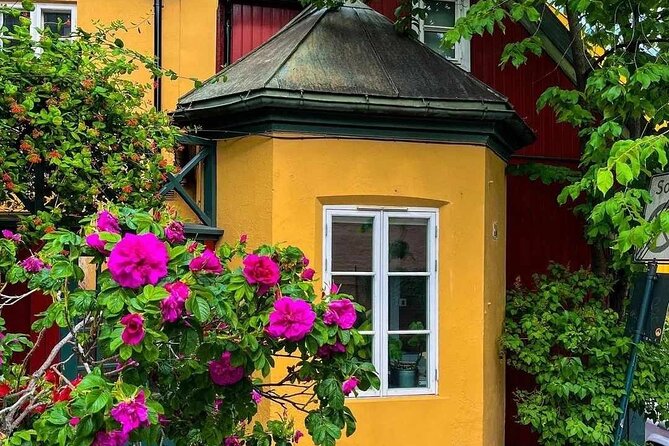
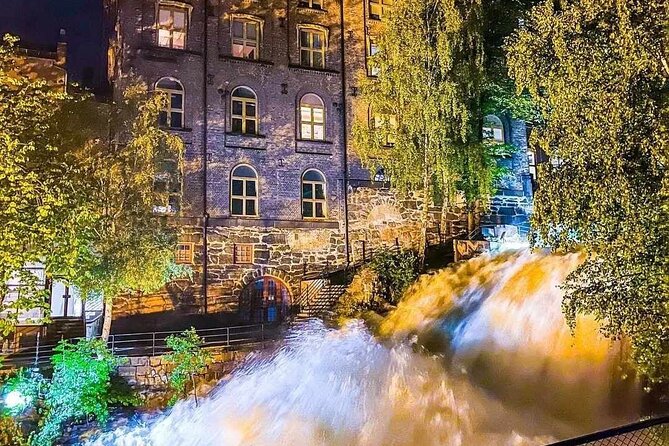
After lunch starts to work in your stomach, you’ll move into the longer neighborhood walk through Grunerløkka. Plan for about an hour of walking here, with parks, viewpoints, old bridges, colorful wooden houses, street art, and a river area with waterfalls.
This is the part where you’ll feel Oslo’s personality beyond the usual postcard spots. The scenery changes with the streets—some blocks feel calm and residential, then you round a corner and get view lines and textures that look like locals have been shaping the place forever.
The only real caution: the walking isn’t flat-flat. The route has short but steep hills, and the highest point is around 45 meters above sea level. If you’re visiting in winter, icy patches can show up, so good grip shoes are not optional.
Stop 4 in Birkelunden: farm-to-table main course plus a tram reset
Birkelunden is where you shift from “snack-and-sights” to a more satisfying main course at a farm-to-table restaurant. This works well because your day’s energy doesn’t spike randomly—you get a real meal after you’ve earned it with walking.
Then the tour takes you back toward the city center by tram, ending closer to where you started. That tram portion is a quietly smart move. It lets the route stay active without turning the trip into a full-day hike.
If you like your food stops to be more than just taste tests, this is the main reason to pick this tour. You’re eating in a style that matches how many locals talk about freshness and quality, then using public transport to keep your momentum.
Stop 5 on Karl Johans Gate: Norwegian waffles with brown cheese

To finish, the tour lands on Karl Johans Gate for Norwegian waffles with brown cheese. This is the “warm ending” stop that helps everything feel complete: you start with a seafood bowl, move into a heavier lunch, then wrap it up with something sweet-salty and cozy.
It also makes sense from a pacing standpoint. By the time you get here, you’ll likely appreciate a final short sit-and-wait moment before you head off on your own.
Price and value: what $172.63 really buys you
At $172.63 per person for about three hours, you’re paying for two things: food stops that are part of the route and an expert guide to connect it all. You also get public transportation included, which matters because it removes one more logistics headache.
The tour includes food (fish soup starter, a main course, and the waffle finish). Beverages are not included, though tap water is available. That means the cost can feel different depending on whether you plan to buy drinks. If you want beer, wine, or soft drinks, budget a bit extra so there are no surprises.
Where this price tends to land well is for first-time visitors who want a way to see neighborhoods while eating actual Norwegian-style dishes. If you already know exactly where you want to eat and you’re comfortable navigating on your own, you might feel it’s pricier than a DIY walking route. But if you want guidance plus multiple meal stops in one tight window, it’s easier to justify.
How the small details shape your day
This tour caps at 10 travelers, so you get a different feel than big coach tours. You’re more likely to ask questions and get real answers, and the pace stays human.
You also get a mobile ticket, and the tour runs in English. That’s useful if your Oslo vocabulary is still stuck on hei, takk, and unnskyld.
There are also a couple of realities to expect:
- Menu choices can vary by season and holidays.
- Winter weather can cause minor route changes because roads can be slippery.
Who should book, and who might skip it
This tour fits best if you want a guided walking day that blends food with neighborhood scenery. It’s especially good for couples, small friend groups, and solo travelers who like learning while they move.
It’s less ideal if you hate walking hills or you’re dealing with mobility issues, since you’ll tackle some steep sections. It also may not be perfect if you expect big, frequent tastings. The structure is more like three meaningful food moments with snacks/dessert, plus lots of sightseeing walking.
One more practical note: the tour ends a bit away from the start. Plan to catch the tram back or continue on foot, especially if it’s getting dark early in winter.
Should you book this Oslo Food and Offbeat Walk?
Yes, I think you should—if your goal is a focused three-hour experience with real Norwegian dishes and a guided tour through residential streets, viewpoints, and water-side views. The combination of a small group, a strong food sequence, and the mix of walking and tram makes it a good value for what you’re getting.
Skip it (or choose another option) if you want lots of drinks included, you’re looking for a museum-style pace, or you’d rather avoid hills. If you book, bring sturdy shoes, bring a bit of winter caution, and give yourself permission to slow down for the views when your guide points them out.