REVIEW · ALBEROBELLO
Alberobello: Walking Food Tour
Book on GetYourGuide →Operated by TURISTI IN PUGLIA INCOMING · Bookable on GetYourGuide
Alberobello’s white-roofed Trulli feel like a movie set. This walking food tour pairs the UNESCO sights with real stops for wine, cheese, and cured meats, guided by someone who knows how the town works. I especially liked the way the guide connects the architecture to daily life, and how the tastings actually feel like a meal plan, not a few nibbles. One catch: it’s not for people with mobility impairments, so plan on solid walking and uneven old-street footing.
You start in the right place, Via Indipendenza, then work your way through historic lanes toward viewpoints and major town highlights. The tour also includes iconic Alberobello stops like the Trullo church and the areas around the Roman Amphitheater and Sant’Oronzo square. The only consideration I’d flag is that it’s priced at about $169.93 for roughly two hours, so it pays to show up hungry and ready to taste.
In This Review
- Key highlights to look for
- A UNESCO town built for wandering
- Where the tour starts in Alberobello
- The walking food format: what you’ll actually do
- Panoramic viewpoint stop: get your bearings fast
- Trulli alleys and the Trullo church
- Tastings: wine, cured meat, and cheeses you’ll remember
- Roman Amphitheater and Sant’Oronzo square stops
- Guide quality: the difference between info and real help
- Price and value: is $169.93 worth it?
- Who this tour fits best
- Should you book Alberobello: Walking Food Tour?
- FAQ
- FAQ
- How long is the Alberobello walking food tour?
- Where does the tour meet?
- What does the tour cost?
- Is the tour private or shared?
- What’s included in the price?
- What food and drinks are you tasting?
- Which places are visited during the tour?
- What languages are available for the tour guide?
- What should I bring?
- Is it suitable for wheelchair users or people with mobility impairments?
- What is the cancellation policy?
Key highlights to look for
- UNESCO Trulli storytelling, tied to how Alberobello developed over time
- Tastings at multiple intervals, not one rushed stop
- Panoramic viewpoint time before you head into the alleys
- Iconic sights on the route, including the Trullo church, Roman Amphitheater, and Sant’Oronzo square
- Local guide guidance in multiple languages, including English and German
- Guide support that goes beyond the walk, with helpful practical tips shared in advance
A UNESCO town built for wandering
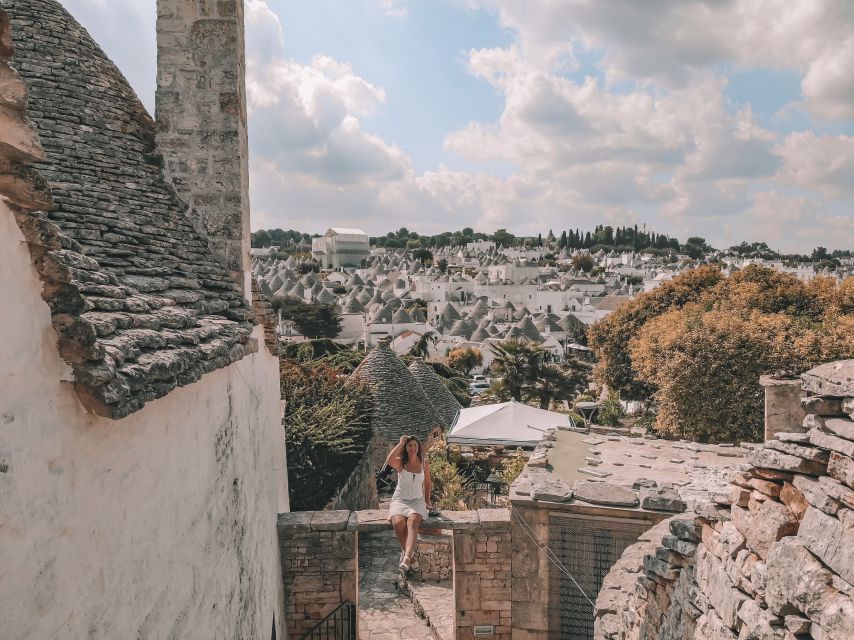
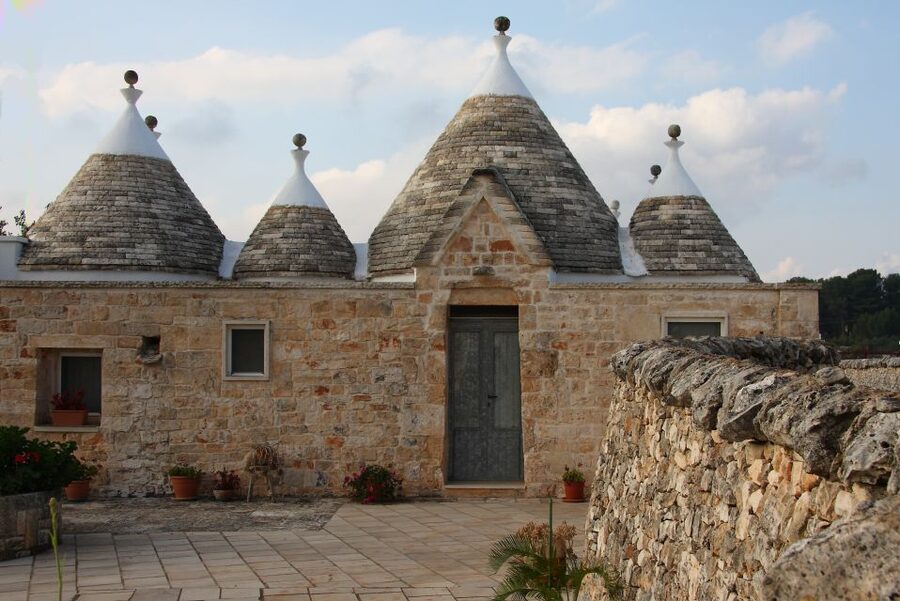
Alberobello is famous for its Trulli—whitewashed stone huts with that distinctive conical roof. Walking through it with a guide is a different experience than reading about it later, because you get the why behind the shapes and layouts. In a place where buildings look playful from the outside, your guide helps you understand what those streets and structures were designed to communicate: identity, tradition, and a way of living tied closely to local materials.
What I like about this tour is that it treats the architecture and the food as partners. You don’t just move from photo spot to photo spot. You stop, taste, and then the guide folds what you’re seeing into the story. The result is that the town feels more readable, like someone translated it for you.
The other thing I like: the tastings are described as regular intervals throughout the walk. That matters because a food tour that’s only a couple of bites can leave you hungry and annoyed. Here, the plan is to keep energy up while you explore, which makes the walking more enjoyable and the whole experience feel like time well spent.
Where the tour starts in Alberobello
The meeting point is Via Indipendenza, and the tour runs for about 2 hours (you’ll want to check available starting times). This is a key practical detail. Alberobello’s historic center is walkable, but it can also be easy to drift if you don’t have a clear starting point and route plan.
One of the best signals of quality from past participants is that guides provide real-world help before you even arrive. In one set of feedback, Angela is mentioned for sending information ahead of time, including parking guidance, the best way to get there, and the meetup details. That’s the kind of extra effort that lowers stress and lets you actually enjoy the walk instead of searching.
From a planning standpoint, I’d treat this like a short orientation tour. You’ll cover multiple major areas and come away with a better sense of where things are—especially if it’s your first time in Alberobello.
The walking food format: what you’ll actually do
This is a guided tour of Alberobello’s UNESCO World Heritage Site with shared tastings. You’ll have a live guide, and it’s available in English, French, German, Spanish, and Italian, so you’re not stuck with a language barrier in the parts that matter.
The structure is built around a simple rhythm:
- you walk through historic areas,
- you pause at intervals to taste local specialties,
- and you get explanation tied to the places you’re standing near.
That rhythm is useful because Alberobello is visual. If you’re only sightseeing, it’s easy to overload your brain with angles and roofs. The food stops act like punctuation marks. They give you moments to reset, ask questions, and keep your attention anchored on what you’re seeing.
Also, because the tour includes both guided narration and tastings, you’re not constantly scanning your phone. Your guide does the heavy lifting: history context, architecture cues, and practical cultural notes.
Panoramic viewpoint stop: get your bearings fast
Early in the walk, you head up to a viewpoint to admire panoramic views over the whole city. I like this approach because it changes how you see the town for the rest of the tour. From above, streets and clusters of Trulli make more sense. You start to spot patterns and understand the geography of the historic area.
This is also where you can take photos without feeling like you’re forcing it. A viewpoint gives you a cleaner composition than trying to shoot between buildings at street level.
Since the tour is only about two hours, every stop needs to earn its place. A viewpoint stop does. It’s a fast way to orient you, so the later alleyway walking feels purposeful instead of just random wandering.
Trulli alleys and the Trullo church
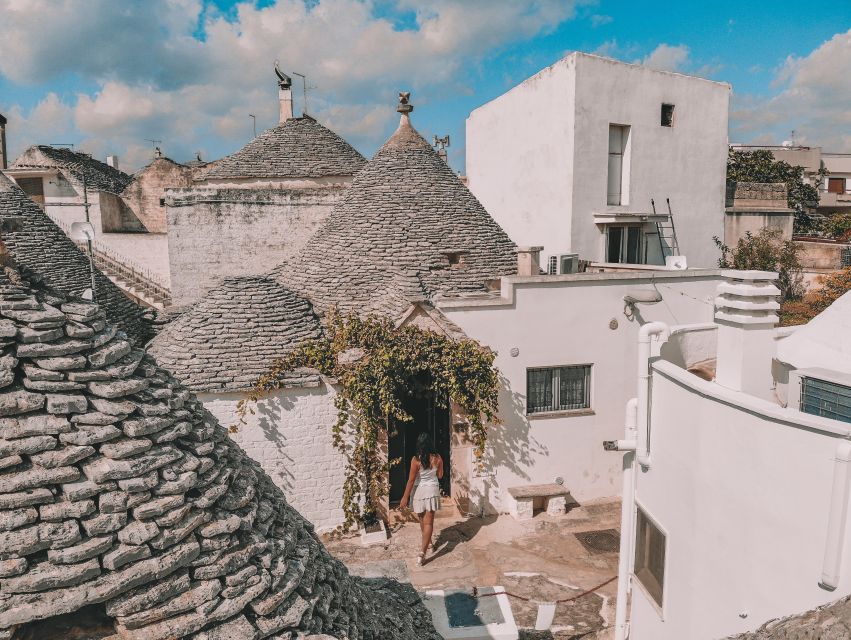
After the viewpoint, you stroll through alleyways in the historic districts. This is the part where Alberobello’s reputation becomes real. The Trulli aren’t just a postcard background; they’re part of the street experience. The guide points out the curious architecture and helps you see why these shapes are so recognizable.
You also visit the iconic Trullo church. A church might not sound like a food tour highlight, but it works here because it anchors the town’s identity. In a town known for domestic architecture, the church adds a different layer: a communal focal point built using the same kinds of architectural ideas and local materials. It’s a reminder that Trulli culture isn’t only about isolated huts—it’s woven into how Alberobello expresses itself.
Practical tip: wear comfortable shoes. The route involves walking through historic streets, which often means uneven surfaces. If you’re steady on your feet, you’ll enjoy this section much more.
Tastings: wine, cured meat, and cheeses you’ll remember
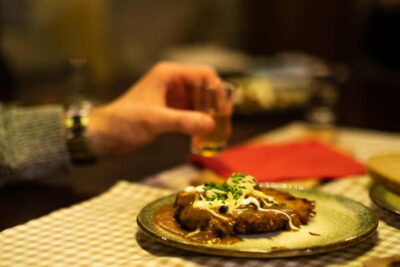
Now for the main reason to book. During your tour, you stop regularly to sample local specialties. The foods listed include:
- primitive wine
- cured meat
- cheeses such as burrata and pecorino
Here’s why that combo is smart. It gives you a range of flavors—creamy and mild (burrata), tangy and sharp (pecorino), and savory and salty (cured meat). Adding wine ties the tasting together so you’re not just eating. It becomes a guided mini meal that reflects Puglia’s style: simple ingredients done well, with local character.
Also, burrata is the kind of cheese that people recognize, but it often tastes different when you have context and guidance. Your guide can help you understand how local producers think about texture and flavor, which makes the tasting more than just a chance to munch.
If you want value for money, this is where you judge it. A $169.93 price tag can feel high for a quick stroll, but tastings distributed across the route change the math. This tour is designed so you don’t just pay for entry into sights—you pay for guided context plus multiple chances to taste what makes Alberobello and Puglia worth lingering over.
Roman Amphitheater and Sant’Oronzo square stops
The tour includes city highlights, including the Roman Amphitheater and Sant’Oronzo square. These stops are valuable because they show Alberobello isn’t only Trulli and white roofs. You get a broader sense of the town’s layers—ancient influences plus the later identity that made it famous.
What I like about guided stops at places like these is how they help you avoid the common mistake of treating a historic site like a background. Instead of standing there wondering what you’re looking at, your guide frames it: what it was, how it fits into the town’s timeline, and why it matters for understanding modern Alberobello.
In Sant’Oronzo square, the atmosphere of a town center tends to make the whole walk feel real. Square time is also useful because you can settle in, regroup, and take a breath before continuing along the lanes.
Guide quality: the difference between info and real help
One of the best-rated parts in the feedback is that the tour feels informative and ends with a rich tasting. Another detail that stands out: Angela is specifically mentioned for sending advance info about parking, the best way to reach the meetup spot, and the correct starting details. That kind of prep is underrated. It tells you the guide’s effort doesn’t stop once the group arrives.
In practical terms, a guide like this helps you in two ways:
- They explain the sights while you’re there, when you still have questions.
- They reduce friction before you arrive, so you spend your time tasting and walking instead of troubleshooting logistics.
Language coverage also matters. This tour lists English, French, German, Spanish, and Italian, which means you can choose a session that matches your comfort level and get more out of every explanation.
Price and value: is $169.93 worth it?
At $169.93 per person for about 2 hours, this tour sits in the middle-to-higher range for food walking tours. So the real question is value: what do you get for the money?
You get:
- a guided visit of Alberobello’s UNESCO Trulli setting
- multiple tastings across the walk
- structured stops at major highlights, including the Trullo church and central areas like Sant’Oronzo square
- a live guide available in several languages
For me, the value hinges on the tastings feeling substantial. The feedback emphasizes the tasting portion being rich and plentiful at the end, and that’s a good sign. If you’re hungry, wine-included tours often deliver better satisfaction than tours where you’re left trying to find a snack afterward.
If you already plan to eat your way through Puglia on your own, you might skip this. But if you want a guided, time-efficient way to combine architecture, history context, and a proper sampling of local flavors, the price starts to make sense.
Who this tour fits best
This experience works best if you want:
- a short, guided introduction to Alberobello’s UNESCO identity
- a food tour that includes more than a token bite
- clear explanations of the town’s architecture and local traditions
- multiple tastings spaced through the route
It’s not suitable for people with mobility impairments or wheelchair users, so keep that in mind. If that affects you or anyone in your group, look for a different format with less walking.
Should you book Alberobello: Walking Food Tour?
I’d book this if your priority is a guided walk where the Trulli sights and the food are both real parts of the experience. The combination of UNESCO architecture stops, a viewpoint, and multiple tastings like burrata, pecorino, cured meat, and primitive wine makes it a strong match for first-time visitors and food-focused travelers.
I’d skip it if you prefer self-paced sightseeing only, or if you’re likely to struggle with uneven historic streets. Also, go into it hungry. The tour is short, and the tastings are the payoff.
If you’re the type who wants your Alberobello experience to feel organized, tasty, and explained in plain language, this one is a solid call.
FAQ
FAQ
How long is the Alberobello walking food tour?
It’s listed as 2 hours. Starting times vary, so you’ll need to check availability for the exact schedule.
Where does the tour meet?
The guide meets you on Via Indipendenza.
What does the tour cost?
The price is $169.93 per person.
Is the tour private or shared?
This experience offers both private and group options, and the activity details note a private group option.
What’s included in the price?
The tour includes a tour guide and all tastings.
What food and drinks are you tasting?
The tastings include primitive wine, cured meat, and cheeses such as burrata and pecorino.
Which places are visited during the tour?
You’ll see key highlights, including the Trullo church, the Roman Amphitheater, and Sant’Oronzo square, along with time walking through Alberobello’s historic districts and Trulli areas.
What languages are available for the tour guide?
The tour guide is listed as available in English, French, German, Spanish, and Italian.
What should I bring?
Wear comfortable shoes for walking.
Is it suitable for wheelchair users or people with mobility impairments?
No. It’s not suitable for wheelchair users or people with mobility impairments.
What is the cancellation policy?
There is free cancellation up to 24 hours in advance for a full refund.