REVIEW · TOKYO
Tokyo Street Food Tour – 7 Japanese Foods
Book on Viator →Operated by Tokyo Ramen Tours · Bookable on Viator
Seven bites, one side of Tokyo. This Tokyo street food tour takes you into the Togoshi Ginza area plus a decades-old covered arcade in Musashi Koyama, where you graze your way through seven Japanese snacks. It’s a small-group, walking-and-eating plan that mixes food with local neighborhood context, not just a food parade.
What I really like is the variety: you’re not stuck with the same flavor all tour. You get classic picks like karaage and skewers, but also things like onigiri with lots of filling choices and a proper slice-and-sweet moment like Japanese pudding. I also like the smaller size (max 8), because it keeps the tour relaxed and lets the guide actually talk through what you’re eating.
One thing to consider: this is still a walking tour for about 2 hours, and portions can add up fast. If you’re sensitive to being on your feet or you hate feeling too full, pace yourself from the start and plan to eat lightly afterward.
In This Review
- Key things to know before you go
- Why Togoshi Ginza feels like the real Tokyo side of food
- Price and logistics: what $91.45 buys you (and what it doesn’t)
- Before you go: walking pace, shoes, and how to not get overwhelmed
- Stop 1: Musashi Koyama’s covered arcade and your first round of seven foods
- Stop 2: Togoshi Ginza Shopping Street and the neighborhood-food pay-off
- The 7 Japanese foods: what you’ll actually taste
- Guide impact: small groups, big personality, and dish explanations
- Neighborhood context: learning why these snacks fit Tokyo life
- Who should book this food walk (and who might want a different plan)
- Practical tips for eating well on a grazing tour
- Should you book this Tokyo Street Food Tour?
- FAQ
- How long is the Tokyo Street Food Tour?
- How many foods will I try?
- Where does the tour start and where does it end?
- Is hotel pickup included?
- What’s included in the price?
- How big is the group?
- What kind of walking is involved?
- Are service animals allowed?
- Is free cancellation available?
Key things to know before you go
- Small group (up to 8): more conversation, less crowd stress.
- 7 snack types, not a buffet: think grazing along the route.
- Musashi Koyama covered arcade: a classic Tokyo shopping passage for your first bites.
- Onigiri with many fillings: bacon and cream cheese, plus spicy options like spicy tuna.
- Ends at Togoshi Ginza Shopping Street: you leave in a real local shopping zone, not a tourist trap.
Why Togoshi Ginza feels like the real Tokyo side of food
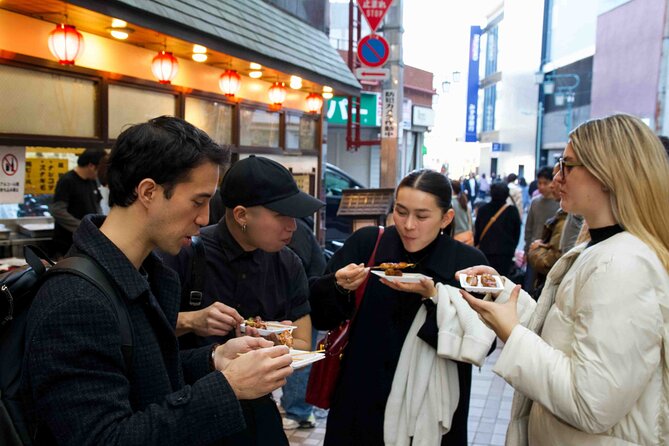
Most first-time food tours in Tokyo lean on the usual suspects. This one sends you to Togoshi Ginza and the surrounding Musashi Koyama area, where the street life is more everyday and less performance. That matters because the best street food experiences are about rhythm: you walk, you smell what’s cooking, you stop, you talk, you eat, and you keep moving.
You also get a guided layer that keeps things from becoming random. The tour is built to connect what you taste with how those foods fit into Tokyo’s everyday eating habits. One of the biggest wins is that you’re sampling beyond the big-name comfort foods people already know.
The “small-group and local neighborhoods” setup also makes it easier to ask questions. Guides on this route (I’ve seen names like Makayla and Sahori) tend to be personable and ready to explain what you’re holding—especially when it comes to the dish basics and where it comes from.
You can also read our reviews of more food & drink experiences in Tokyo

Price and logistics: what $91.45 buys you (and what it doesn’t)
At $91.45 per person, you’re paying for three things: a guide, a short walk through two neighborhoods, and seven tastings plus one free drink. What you’re not paying for is a long day, a fancy restaurant meal, or hotel pickup—so you’ll want to build the tour into your own neighborhood plan.
The tour runs about 2 hours and uses a mobile ticket. You’ll start at Park City Musashikoyama THE MALL (3-chōme-15-1 Koyama, Shinagawa City) and finish at Togoshi Ginza Shopping Street (the shopping street hall at 1-chōme-15-16, Togoshi). You’ll also be near public transportation, which is important because it keeps the tour easy to slot into a Tokyo day.
If you hate last-minute scrambling, plan your route to the meeting point ahead of time. The start point is inside a mall complex, so giving yourself a little extra time helps you locate it calmly.
Before you go: walking pace, shoes, and how to not get overwhelmed
This tour is listed with a moderate physical fitness level, and the route is mostly on foot. In practice, that means comfortable walking shoes are non-negotiable. You’ll be grazing through multiple stops, so you want footwear that can handle street level, and weather if it’s warm or drizzly.
Pace yourself. Even if you feel hungry at the start, by the time you reach the middle (and especially by the end), you’ll likely feel full in that classic street-food way. One of the most helpful lessons from past outings is to treat the food like a meal you’re spreading out, not like separate snacks you can instantly “reset” between.
Also bring a small mindset shift: you’re not collecting Instagram shots of one dish. You’re learning to eat like a local—taking small bites, trying what the vendor is known for, and moving on.
Stop 1: Musashi Koyama’s covered arcade and your first round of seven foods
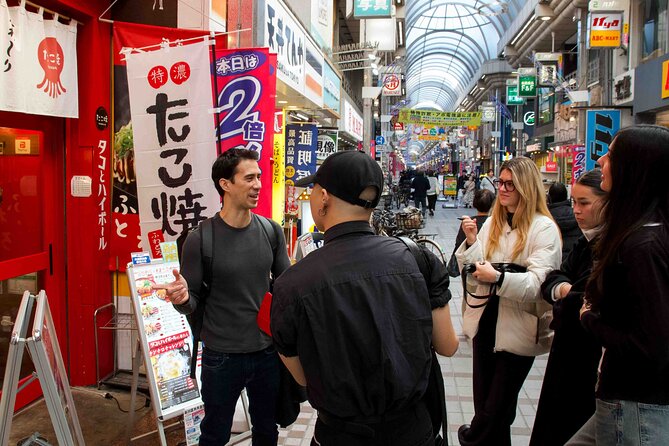
Your tour begins on the way to Togoshi Ginza Shopping Street, at Musashi Koyama Shopping Street Palm—an older, covered arcade. This is a smart first stop because it’s sheltered enough to feel cozy, and it gives you that Tokyo “shops right next to each other” feeling fast.
You’ll try multiple foods here, and the selection is built to hit different textures and flavors:
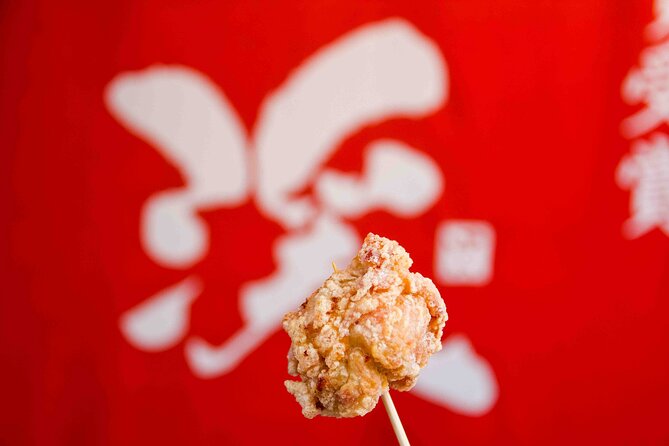
- Crispy karaage from an award-winning vendor.
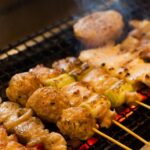
- Yakitori (charcoal-grilled chicken skewers) at a place running since 1926.
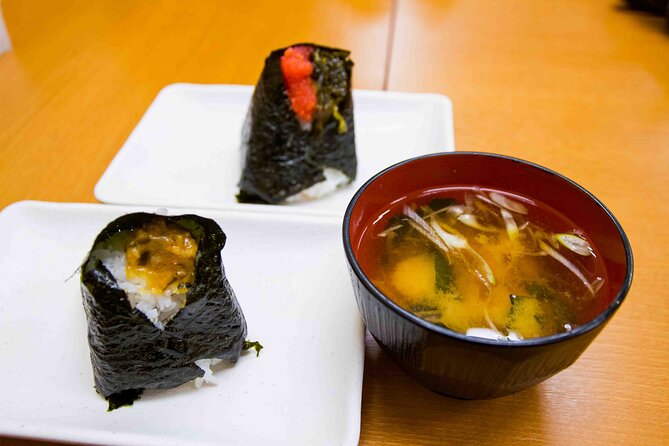
- Handmade onigiri with over 40 filling options, including combinations like bacon and cream cheese, plus spicy tuna.
- Curry bread, freshly baked bread filled with Japanese beef curry.
- Super creamy Japanese pudding for a smooth, sweet finish to the first part.
You’ll also spend about 30 minutes at this opening stretch, which is enough time to actually taste and listen without feeling rushed.
If you’re picky, use the onigiri as your safety net. With so many filling choices, you can usually find something that fits your comfort zone—while still trying something distinctly Japanese.
Stop 2: Togoshi Ginza Shopping Street and the neighborhood-food pay-off
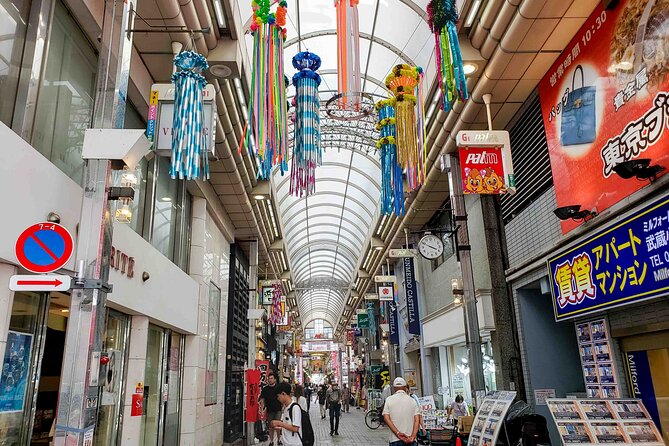
After you walk over, you arrive at Togoshi Ginza Shopping Street—the main focus. This is where the tour leans into “local shops and everyday street shopping.” The vibe here is practical: small storefronts, snack-focused places, and lots of people just going about their day.
The time on this stop is about 1 hour, so it’s long enough to slow down and get a true neighborhood feel. It also gives you breathing room after the covered arcade, since you’ll be moving through open street space.
One useful detail: some guides have ended with a dango shop in the final stretch, which is a great option if you want something chewy, sweet, and easy to share. Your exact last bite can vary by day and vendor availability, but the point stays the same: you end your tour with a classic Japanese sweet.
By the time you finish, you’re not stuck in a closed tour zone. You’re out at Togoshi Ginza Shopping Street, which makes it easier to continue exploring on your own afterward.
A few more Tokyo tours and experiences worth a look




The 7 Japanese foods: what you’ll actually taste
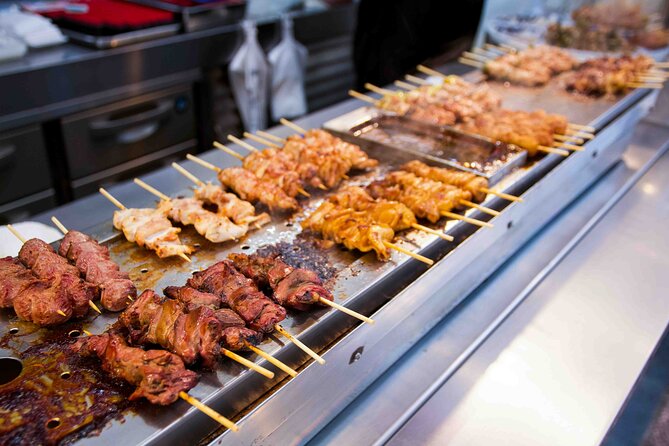
The tour is built around seven snack types, and the list you should expect centers on the following favorites:
Crispy karaage (fried chicken): Usually the biggest “first bite” hit. The appeal is crunch plus savory flavor, and it’s an easy one if you want comfort food with Japanese street style.
Yakitori (charcoal-grilled skewers): This is about smokiness and simple seasoning. If you like grill flavor, this stop is doing real work for you.
Onigiri (rice balls) with many fillings: Over 40 filling choices is the standout detail. You can go traditional, or you can go bold with spicy tuna, or try a more unusual pairing like bacon and cream cheese.
Curry bread: Think of it as a portable curry moment. It’s warm, filling, and very “Tokyo snack” in that it mixes convenience with comfort.
Super creamy Japanese pudding: This is your sweet reset. It’s also a nice counterpoint to all the savory items, so you don’t finish the tour with only heavy flavors.
That said, the tour name says 7 foods, and the itinerary details above show a strong core set. If you’re especially interested in the exact full list of seven on your day, I’d treat the outlined foods as the reliable anchor, and expect the remaining portion to be part of the street-stall lineup around those same styles.
Guide impact: small groups, big personality, and dish explanations
Because the group is capped at 8, the guides can do more than hand out food. They tend to explain what you’re eating and why it shows up in Japanese everyday culture. That explanation is part of what makes the tour more than just “try seven snacks and leave.”
You may run into different guide personalities, but past experiences show a consistent theme: guides like Makayla and Sahori were friendly, personable, and able to explain both food and local neighborhood context. Some guides also show strong English ability, which matters when you want to understand the dish story instead of guessing.
If you like conversation, this tour is a good fit. You’ll have time to ask questions mid-walk, especially around the items with lots of options like onigiri.
Neighborhood context: learning why these snacks fit Tokyo life
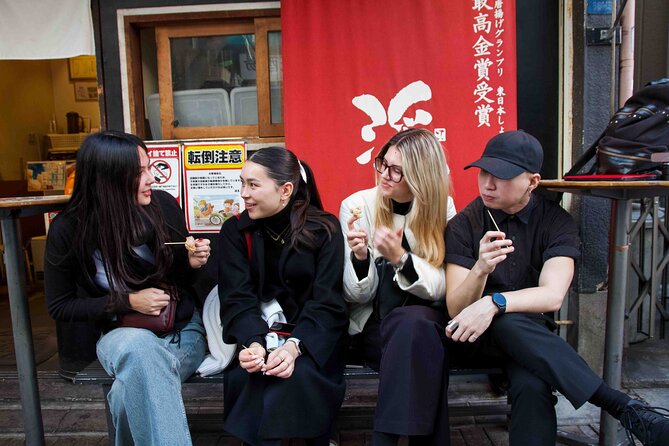
The tour’s snack selection isn’t random. It’s designed around foods that make sense in a street-food setting: portable, fast to serve, and satisfying in small portions. That’s why you see things like skewers and onigiri—items that are easy to eat while walking, sharing, or grabbing between errands.
Tokyo also has a culture of “food stops” in regular shopping streets, not just major attractions. Spending time on Togoshi Ginza Shopping Street helps you see that. You’re not only learning what to eat—you’re learning how Tokyo schedules eating into daily life.
That’s the subtle value you get from the guide’s dish explanations. You leave knowing not just the taste, but how people think about these foods as everyday comfort.
Who should book this food walk (and who might want a different plan)
This tour is ideal if you:
- Want a Tokyo street food tour that goes beyond sushi and ramen.
- Prefer small groups and conversation over big crowds.
- Like a mix of savory and sweet, including karaage, yakitori, curry bread, and pudding.
- Want to explore Togoshi Ginza as part of a food-focused walk.
It might be less ideal if you:
- Struggle with walking for about 2 hours.
- Get overwhelmed by multiple stops and generous portions.
- Only want one or two kinds of food. This is a variety route, by design.
If you’re traveling as a couple, it’s a solid choice because you’ll still get a guided experience without feeling like you’re in a huge herd. If you’re traveling with kids, the variety can work well, as long as everyone can handle the pace.
Practical tips for eating well on a grazing tour
A few things will make your experience smoother:
- Wear comfortable shoes and plan for street walking.
- Bring water if you know you get thirsty; the tour includes one free soda/pop, but you’ll still be active.
- Pace your bites. With seven tastings, you’re likely to feel full by the end.
- Use onigiri choices as your flavor dial. Pick something familiar if you want comfort, or something fun if you’re feeling adventurous.
- Keep an eye on the sweet moment. If you’re not a dessert fan, you can manage how much you take in the final sweet portion.
This isn’t the kind of tour where you should arrive starving and then try to power through. The best results come from steady bites and curiosity.
Should you book this Tokyo Street Food Tour?
I’d book it if you want authentic street-food flavors and a neighborhood walk that feels more local than headline-touristy. It’s great value for what you get: a guided stroll, seven tastings, and an easy-to-follow route anchored around Musashi Koyama and Togoshi Ginza Shopping Street.
I’d think twice if you’re not into walking, or if you prefer a sit-down meal where you control portions more precisely. Also, if you’re the type who only likes one style of food, you might find the variety either exciting or slightly tiring—there isn’t a “pick your own menu” setup from the info given.
If you’re curious about Japanese street snacks beyond ramen, this is an efficient, satisfying way to get your footing in Tokyo.
FAQ
How long is the Tokyo Street Food Tour?
The tour lasts about 2 hours.
How many foods will I try?
You’ll taste seven types of Japanese street food.
Where does the tour start and where does it end?
It starts at Park City Musashikoyama THE MALL in Shinagawa City and ends at Togoshi Ginza Shopping Street (the shopping street hall).
Is hotel pickup included?
No, hotel pickup and drop-off are not included.
What’s included in the price?
The tour includes seven street-food tastings (lunch) and one free soda/pop drink.
How big is the group?
The tour has a maximum of 8 travelers.
What kind of walking is involved?
It’s a walking tour with a moderate physical fitness level requirement, so comfortable shoes help.
Are service animals allowed?
Yes, service animals are allowed.
Is free cancellation available?
Yes. You can cancel up to 24 hours in advance for a full refund.