Want Amritsar food without the tourist crowd? This 2-hour evening walk focuses on lesser-known bites in the old quarters, led by a guide so you can wander narrow lanes without map stress. I really like the small-group feel, because it keeps the pace easy and the food stops less rushed.
Two things stand out fast: you get help navigating local food places with a guide, and the tour includes snacks and bottled water, so you keep moving instead of hunting for change and menus. For the history-curious, guides can connect what you eat to the city’s past in a way that feels practical, not academic.
One thing to consider: this is a walking experience in old-city streets, so you’ll want decent comfort with stairs, lanes, and evening weather. The tour also depends on good weather, since it’s designed for an outdoor stroll.
In This Review
- Key highlights at a glance
- Old City Starter: Maharaja Ranjit Singh by Town Hall
- Katra Ahluwalia Alley Maze: how the tour makes street food doable
- Hall Bazaar in the evening: older than you think, bigger than you expect
- Guru Bazaar: gold and diamonds, and why it matters on a food walk
- Your guide is the real ingredient: language help and smart choices
- How the pace works: eating, walking, and feeling properly full
- Price and value: is $28 a fair deal for this kind of walk?
- Who this tour is best for (and who should skip it)
- Should you book this Amritsar food walk?
- FAQ
- How long is the Amritsar food walk?
- What time does the tour start?
- Where do I meet the guide?
- How many people are in the group?
- Is food and water included?
- Where does the tour go during the walk?
- Does the tour operate in bad weather?
- Is there free cancellation?
Key highlights at a glance
- A 7:00 pm start that fits a full day of sightseeing and keeps the vibe in the old city active
- Small groups (typically up to eight, with a hard overall cap of 15) so you can ask questions and actually try food
- Snacks and bottled water included, which saves time and avoids awkward stopping
- Old-city maze walking in Katra Ahluwalia with a guide leading you through tight lanes
- Historic market stops that go beyond shopping, like Hall Bazaar’s long timeline
- Gold and diamond street context near Guru Bazaar, adding a different kind of local flavor
Old City Starter: Maharaja Ranjit Singh by Town Hall
The tour begins at a statue of Maharaja Ranjit Singh on horseback, sword drawn, right near Town Hall in Katra Ahluwalia. It’s a strong visual anchor for the evening, because it frames what you’re about to do: eat in the old quarters where power, trade, and community life have mixed for generations.
From a practical standpoint, I like meeting at a landmark like this. You’re not trying to guess a food stall based on a pin drop in a dense neighborhood. You can also orient yourself quickly for the walk ahead.
And since this is an evening tour (starting at 7:00 pm), you’ll be joining the neighborhood when lights and foot traffic feel real, not staged. You’ll get the city’s texture right away, before you reach the maze-like streets where it’s easy to get turned around on your own.
Katra Ahluwalia Alley Maze: how the tour makes street food doable

Your first real “how did you find this?” moment comes in Katra Ahluwalia, where the streets form a kind of labyrinth. The whole point here is that you’re not just seeing alleys—you’re walking them with a guide who keeps you pointed in the right direction.
This stop is built around traditional food places with long-running service. Even if you’re not a deep-history person, the value is simple: long-serving places tend to have consistent flavors, repeat customers, and routines that make the experience smooth. That matters on a short 2-hour outing. You don’t want to spend most of your limited time guessing where to go.
Katra Ahluwalia is also where you learn how Amritsar’s food culture plays out in everyday life. Narrow lanes can be intimidating if you’re alone. With a guide, you can focus on tasting and asking. And you won’t get stuck standing there wondering whether you’re in the right spot.
Admission at this segment is free, so your money goes toward the experience, not tickets. The time allocation also helps: this is the first main block (about one hour), so you get your bearings and appetite before the markets.
What I’d watch for: wear comfortable shoes. This style of wandering rewards you when your feet are happy. If you’re expecting wide promenades, this isn’t that kind of tour.
Hall Bazaar in the evening: older than you think, bigger than you expect
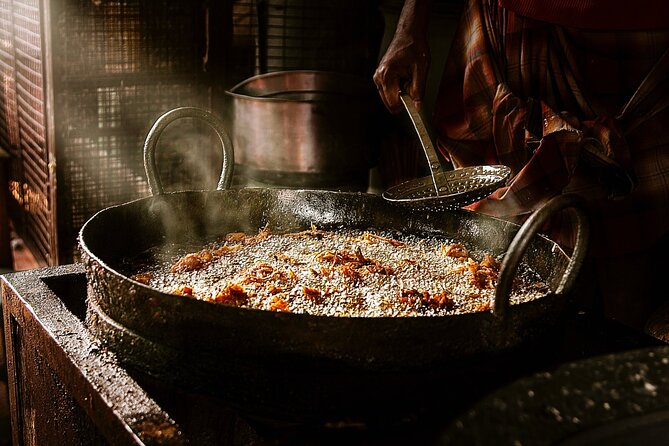
Next is Hall Bazaar, described as the oldest and biggest market in Amritsar, dating back to the 1500s. That date isn’t just trivia—it explains why the place feels like it has patterns. You’ll notice shop life that’s not about quick tourism snapshots. It’s about merchants, regular customers, and the way the city trades.
This stop is about about 50 minutes, which is a good length for a market. Long enough to feel the atmosphere and spot different storefronts. Not so long that you’re done after ten minutes.
Also, it’s not only “look at shops.” The reason this fits the food walk theme is that a market like Hall Bazaar gives you context. You start to understand why certain snacks and ingredients are common, and how food fits into daily schedules: buying, eating quickly, meeting people, moving on.
For practical value, admission is included for this segment. You don’t have to manage an extra ticket during the walk, which is exactly what you want when you’re trying food in a tight time window.
One caution: markets can feel like a lot of choices. If you hate indecision, this is still manageable because your guide is choosing for you based on what works for a group and what makes sense to try.
Guru Bazaar: gold and diamonds, and why it matters on a food walk
After you’ve spent time in food-focused lanes and a major bazaar, the walk shifts toward Guru Bazaar, known as North India’s biggest and oldest gold and diamond market. This is a smart addition for two reasons.
First, it shows you a different side of Amritsar’s economy. Food isn’t separate from trade here. When a city has major jewelry markets, that usually means money, networks, and long-term business traditions are part of everyday rhythm.
Second, it changes the walk’s tempo. After alley walking, a broader market area helps you breathe and reset. You still get local atmosphere, but you’re not always in tight lanes where you have to constantly adjust your path.
I also like that this stop doesn’t pretend to be a jewelry tutorial. It’s included as context, which fits the tour’s theme: city understanding through movement, not just eating in isolation.
If you’re coming in with questions about what’s important to locals, this segment gives you a concrete answer. It’s also useful if you’re the type who likes to connect the dots—food, commerce, and neighborhood identity.
Your guide is the real ingredient: language help and smart choices
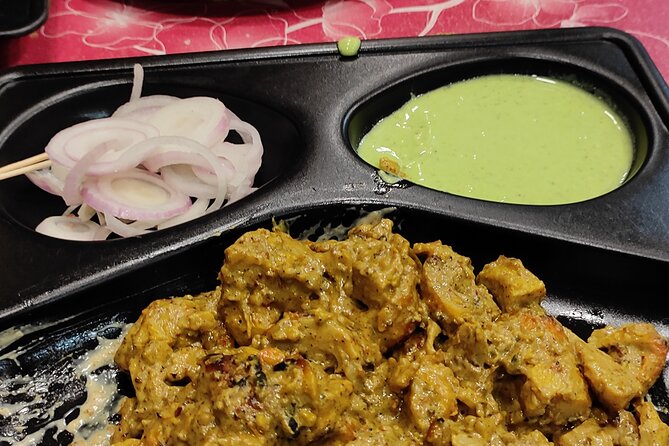
The tour’s biggest strength is how it handles the part that usually derails street food plans: figuring out where to go and how to order. The experience is designed around no language barriers, because your guide leads the way and helps you discover local food haunts.
Small group size supports this. When you’re capped at eight (with an overall max of 15), the guide can keep track of everyone’s pace, interests, and questions. That matters for food walks, because you want to ask things like what a dish tastes like or why locals eat it at that hour.
The reviews also highlight guide quality in a clear way. People talk about friendly, capable guides such as Ram and Ravish, especially for the way they blend stories with food. One detail that comes through strongly is communication: Ravish is praised for contacting guests the day before to confirm tour details. That kind of pre-trip clarity reduces stress, especially in older neighborhoods where meeting points are easy to miss.
You also get more than a “try this, move on” route. The best guides explain what you’re eating and place it in Amritsar’s setting. That’s how street food becomes memorable instead of just filling.
What you should do as the food-walker: come ready to try things you might not pick off a menu. If you only want familiar dishes, you’ll still have a good time, but you’ll miss the point of the guide-driven choices.
How the pace works: eating, walking, and feeling properly full
This is a 2-hour plan, starting at 7:00 pm, with most of the time split between Katra Ahluwalia (about one hour) and Hall Bazaar (about 50 minutes). The remaining time is for the initial statue stop, moving between areas, and the Guru Bazaar segment.
That structure is smart. You get a clear rhythm:
- Start with orientation at the statue
- Build appetite and confidence in the alleys
- Hit a major market where food fits into daily life
- Finish with a context stop related to trade and local identity
And since snacks and bottled water are included, you can pace yourself. You don’t have to break the flow repeatedly to buy drinks or pay small bills at each stop. In my book, this is a big value point for short food walks. The less friction, the more you actually enjoy the food.
The reviews also mention that people end up very full by the end of the evening. That’s what I’d expect from a snack-forward format done at a steady walking pace. It’s not a light tasting parade—it’s meant to leave you satisfied.
Practical tip: don’t plan a heavy dinner right afterward. If you’re hungry after this, it’s a sign you’re the sort of person who can eat endlessly. Most people won’t need extra.
Price and value: is $28 a fair deal for this kind of walk?
At $28 per person, this tour sits in the budget-friendly range for guided food experiences. The value comes from a few specific parts working together:
- Food and bottled water included, so you’re not layering extra costs on top of the base ticket
- A guide who handles the “where do I go” and “how do I ask” problem
- A short, timed route that covers multiple neighborhood identities in about two hours
- Small-group movement that reduces waiting and confusion, which you’d have to solve yourself if you were going solo
Also, the tour is often booked around 26 days in advance on average. That doesn’t automatically mean it’s “the best,” but it does suggest it’s in demand—usually a sign of consistent satisfaction.
If you’re the type who likes learning while you eat, you’ll likely feel you got your money’s worth. If you only want a casual stroll with minimal guidance, you might decide it’s optional. But for most people, food walks are about efficiency: you pay so you don’t waste time chasing the right stalls.
Who this tour is best for (and who should skip it)
This tour is ideal if you want:
- Street food with local guidance in the old city
- A mix of food and story so the evening feels coherent
- A route you can’t easily replicate alone in dense lanes
- A group format small enough to ask questions
It’s less ideal if:
- You dislike walking in narrow streets or don’t do well with crowded alleys
- You’re only interested in fully seated meals with menus
- You want a longer experience that includes lots of stops and slower sit-down eating (this is timed, snack-focused)
One more factor: it requires good weather. If your travel week has uncertain skies, plan your evening with backup flexibility in mind.
Should you book this Amritsar food walk?
If you’re in Amritsar for a short stay and you want a food-focused evening that saves you from the guesswork, I think you should book it. The combination of small-group walking, included snacks and bottled water, and a guide who helps with language and navigation makes it a practical way to eat well without getting lost in the old city maze.
Book it especially if you enjoy markets, street-level stories, and the feeling that you’re seeing the city the way locals do. Skip it only if walking narrow lanes sounds miserable or if you’re hoping for an ultra-long, restaurant-heavy tasting day.
FAQ
How long is the Amritsar food walk?
The tour lasts about 2 hours.
What time does the tour start?
It starts at 7:00 pm.
Where do I meet the guide?
The meeting point is the Statue of Maharaja Ranjit Singh near Town Hall in Katra Ahluwalia, Amritsar (JVFH+GRF).
How many people are in the group?
It’s described as a small-group tour with a limit of eight people, and the activity also lists a maximum of 15 travelers.
Is food and water included?
Yes. Snacks and bottled water are included.
Where does the tour go during the walk?
You’ll visit places including Katra Ahluwalia, Hall Bazaar, and Guru Bazaar, plus you start at the Maharaja Ranjit Singh statue.
Does the tour operate in bad weather?
The experience requires good weather. If it’s canceled due to poor weather, you’ll be offered a different date or a full refund.
Is there free cancellation?
Yes, free cancellation is available up to 24 hours in advance for a full refund.