REVIEW · CHANIA
Chania Area: Food Tasting Tour with Winery Visit
Book on GetYourGuide →Operated by Allcretetours · Bookable on GetYourGuide
This day tastes like real Crete. I like the way the tour strings together ancient agriculture and everyday food stops, starting at the Vouves olive tree and ending with a winery tasting. Two things I especially like: you get hands-on context for how Cretan staples are made, and the guiding can be genuinely fun, with Linda often singled out for her energy and clear explanations.
You do have one thing to consider. The bus ride is long for 7 hours total, and while the coach is described as air-conditioned, at least one guest noted the cooling wasn’t always steady on a hot day; bring your hat and plan to be a bit sun-pressed outdoors.
In This Review
- Key points before you go
- Why the oldest olive tree in Vouves is the best opener
- The wood-oven bakery stop: rusks, bread, and real village rhythm
- Honey and cheese making at Perivolakia Village: process plus tasting
- Pnevmatikakis Winery in Kissamos: wine tasting in a working producer setting
- Timing and transport: a full day with smart pacing
- What you’ll actually taste: olive oil, honey, cheese, wine, and a plated meal
- Price and value: what $44 buys you in the Chania area
- Who this tour fits best (and who might prefer something else)
- Should you book this Chania Area Food Tasting Tour with Winery Visit?
- FAQ
- How long is the Chania area food tasting tour?
- What’s included in the price?
- Is the tour guide English-speaking?
- Where does pickup happen?
- What should I bring?
- Is free cancellation available?
Key points before you go
- Vouves Ancient Olive Tree: estimated 3,000–5,000 years old and still producing olives today
- Wood-oven bakery stop: see how traditional savouries like rusks and bread are made
- Honey and cheese making lessons: you’ll learn the process and taste what comes out of it
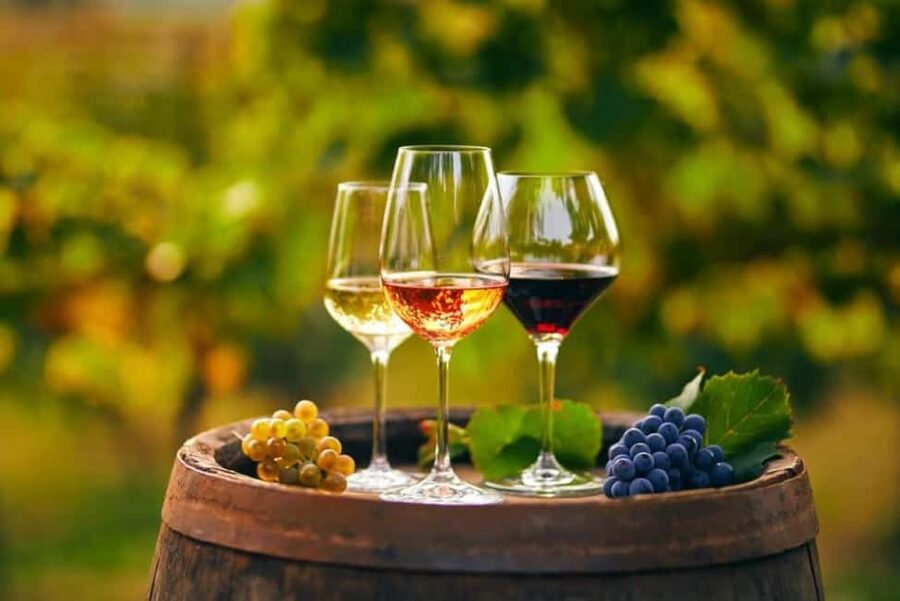
- Pnevmatikakis Winery in Kissamos: wine education plus tastings paired with local food
- Pickup/drop-off included: you avoid rental-car stress and parking in small villages
Why the oldest olive tree in Vouves is the best opener
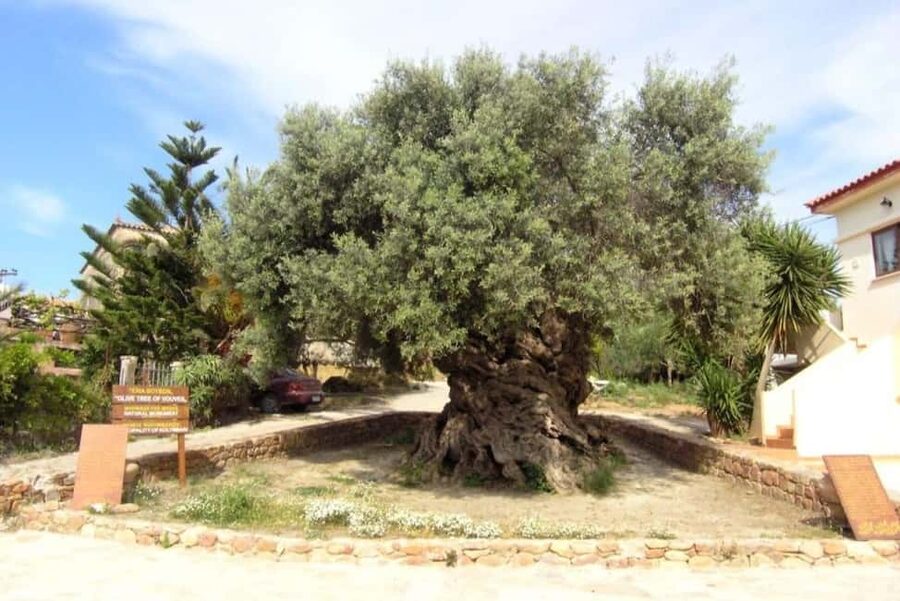
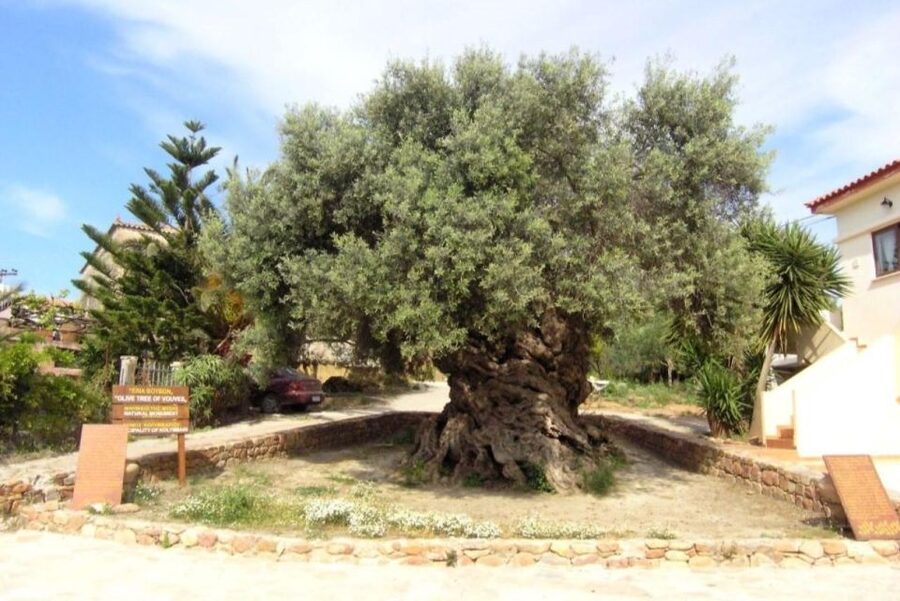
The tour kicks off from your hotel pickup window (around 08:00–09:20), then you head to Ano Vouves for the star attraction: the Vouves Ancient Olive Tree. You arrive in time to focus on it without feeling rushed—an important detail, because this isn’t just a photo stop. It’s a living reference point for how long Cretan food traditions run.
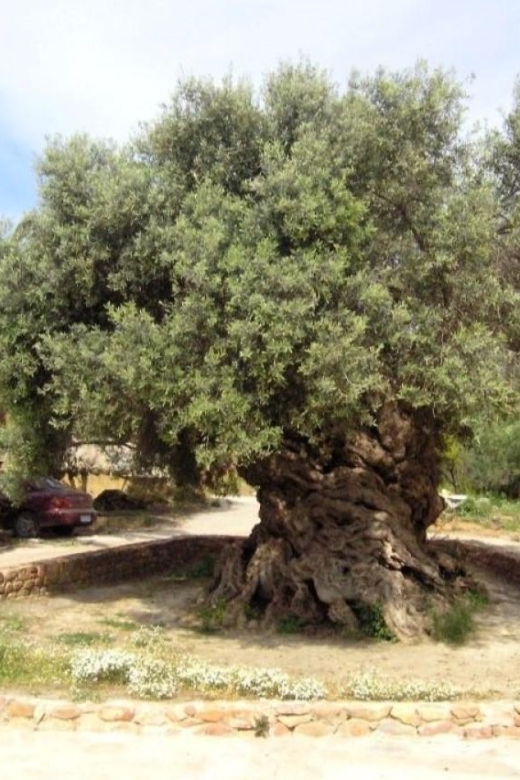
This tree is described as the oldest recorded olive tree in the world and a natural monument. The age is estimated between 3,000 and 5,000 years, and it’s still alive and fructifying. The guide’s explanation ties it to the bigger story of Cretan agriculture: the tree started from a wild olive and became domesticated through the Tsounati variety. Even the math helps you picture it: the trunk circumference is listed as 12.5 meters with a diameter of 4.6 meters. That’s “you can’t fake this size” territory.
Timing matters here too. You’re scheduled to arrive around 09:45 and depart roughly 10:15. That’s long enough to look closely, listen, and get photos, but not so long that you feel stuck in the heat before you’ve even started eating.
You can also read our reviews of more food & drink experiences in Chania


The wood-oven bakery stop: rusks, bread, and real village rhythm
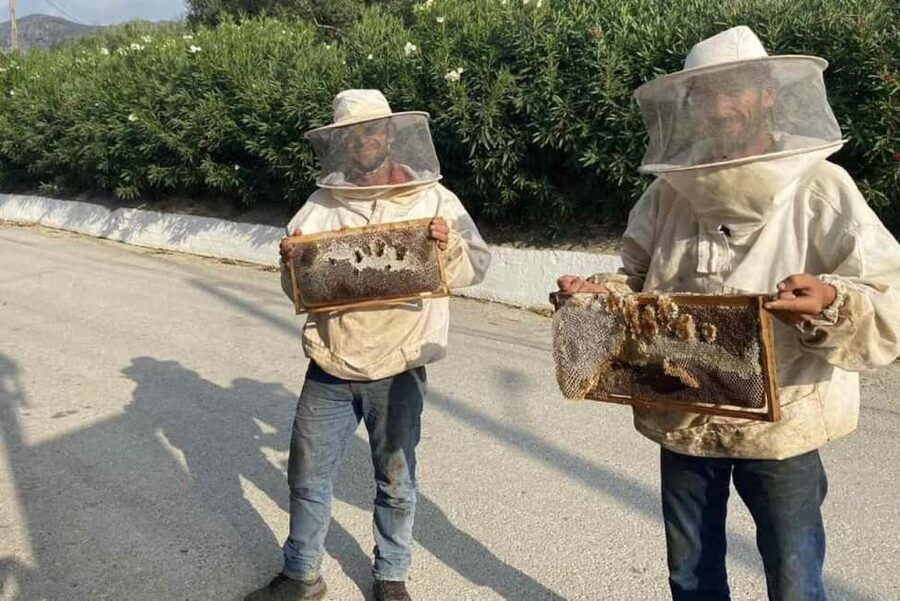
After Vouves, the tour heads toward Perivolakia Village, with a bakery stop built in where you can watch Cretan favourites coming together. The focus is on traditional savouries—think rusks and bread—and the tour frames this as more than a snack break. It’s an introduction to how Cretans bake for flavor and shelf life, not just for one meal.
This is where the day becomes practical. If you’ve ever wondered why Greek bread lasts differently, or why rusks show up in so many Cretan contexts, you’ll get the “why” from the people doing the work. You’ll also likely get tastings as part of the overall superior tasting package, and the rhythm of the stop is less lecture and more demonstration plus conversation.
A small caution: baking smells are great, but you’re outdoors and moving between places. Bring a hat and sunscreen. One review specifically called out that the day was extremely hot, so plan for sun even if the bus is comfortable.
If you like to shop with purpose, this is also one of the better times to do it. When a stop is focused on making and tasting, it’s easier to buy things you’ll actually use later rather than random souvenirs you’ll forget in a cupboard.
Honey and cheese making at Perivolakia Village: process plus tasting
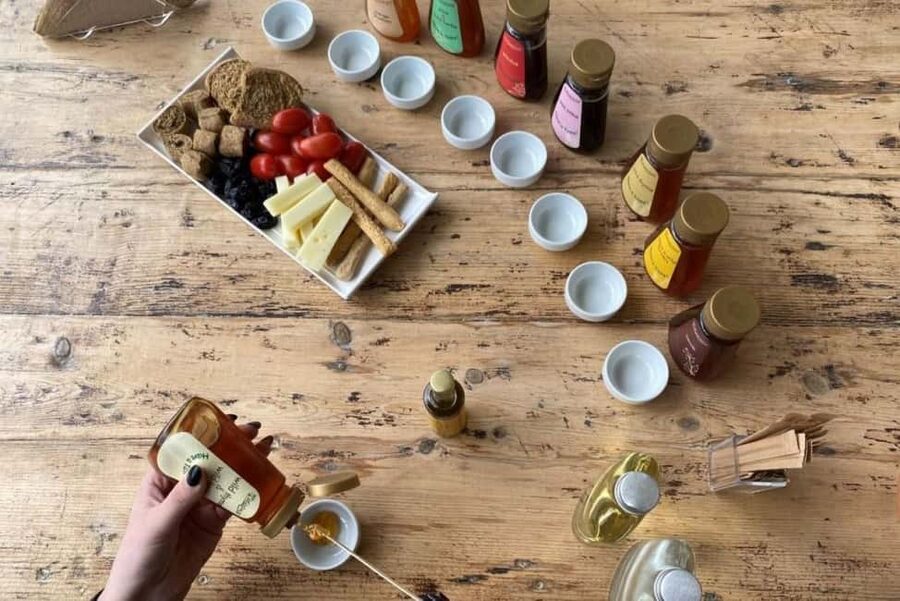
Perivolakia isn’t just a point on the map; it’s where the tour leans hardest into food education. You’ll learn about Cretan honey making and how it connects to local agriculture. The tour description also mentions learning the honey process in an olive grove context, and the reviews back up that the honey component can be a highlight—lots of tasting, and strong guide passion for the details.
You’ll also visit a traditional multi-awarded cheese factory. The key detail here is timing: if it’s not the cheese making period, the tour notes you’ll still get access to the facility. If it is the cheese making period, the guide will explain the process and then you’ll enjoy a superior tasting experience. That’s a smart way to handle variability, because cheese doesn’t care what time your tour arrives.
Here’s the value for you: honey and cheese are part of the Cretan “everyday table.” If you only taste wine, you miss the food system. But when you understand the ingredients and the workflow—what happens before the final bite—you notice flavors more clearly. Sweetness from honey, salinity from cheese, and the way olive oil ties it all together become easier to separate in your mind.
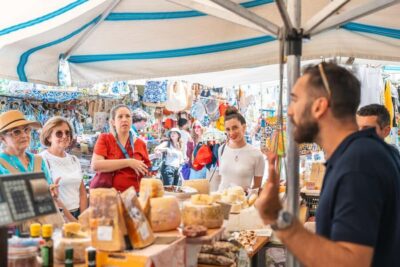
The tour also describes an arranged platters experience that includes items like olive oil, tomatoes, olives, cheese, honey and more. That matters because it’s not just individual tastes; it’s a practical tasting of how these foods work together.
Pnevmatikakis Winery in Kissamos: wine tasting in a working producer setting
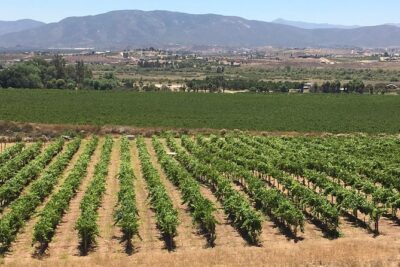
Then comes Pnevmatikakis Winery, a family-run operation in Kissamos with many years in Cretan wine making. The schedule puts you there around 12:45, and you stay until about 13:45 before heading back toward your hotel.
This stop is built around two parts: learning the wine making procedure and tasting many locally made, awarded wines from the winery’s collection. In theory, it’s the perfect pairing with the earlier food stops, because wine is the other half of the Cretan flavor story: agriculture plus fermentation.
But you should set expectations with balance. One review praised the tasting and even described the view during the self-service portion as amazing. Another review was much more critical, saying it felt like a production-line setting rather than a special, fine-wine tasting experience, and they were disappointed by both the wine quality and what they perceived as cleanliness issues.
So what should you do with that? Don’t assume every winery day will feel like a boutique tasting room. If you’re a casual wine fan, this stop still likely fits the day well because it’s combined with food education. If you’re a serious wine purist expecting a pristine, high-end, slow-paced tasting, you might feel shortchanged. The safe move is to look at the winery as part of a broader Crete food day, not as the main event that needs to satisfy wine-snob standards.
One practical upside: the winery is described as open for families, and kids are served a special platter and drinks, selectively crafted by the winery family. So it’s not only adult-focused.
Timing and transport: a full day with smart pacing
This tour is listed as 7 hours, and the timing is built to cover a few different “types” of places: an ancient outdoor monument, a village bakery and olive grove area, then a cheese factory and winery, then back to your hotel.
Key time markers to expect:
- Pickup runs roughly 08:00–09:20
- You arrive at the olive tree around 09:45
- You depart the olive tree around 10:15
- You arrive in Perivolakia around 10:45
- You leave Perivolakia at 12:30
- You arrive at the winery at 12:45
- You depart the winery around 13:45
- You return around 16:20–17:20
That last return window is handy. It means you should still have part of your evening free for dinner and a walk, assuming your hotel is near the pickup route.
On the transport side, the tour provides an air-conditioned luxury bus, and in general that’s what you want for comfort after a hot outdoor morning. Still, one guest noted the ride was bumpy and the A/C wasn’t always on. My advice: treat the bus as comfortable, not as a guarantee of perfect temperature control. Bring a light layer if you’re sensitive to sudden cold.
Also, look at pickup details carefully. Most people were pleased with smooth pickup and organization, and one review specifically mentioned driver Tasos getting everyone there safely and on time. But one guest had issues where their confirmed pickup spot changed to a remote location more than once, and they felt customer service didn’t properly apologize. That’s not the majority of feedback, but it’s enough to say: double-check your voucher email the day before and save the pickup pin.
A few more Chania tours and experiences worth a look
What you’ll actually taste: olive oil, honey, cheese, wine, and a plated meal
Food tours can be vague on purpose. This one is more concrete about what’s on your table. Here’s the practical breakdown of what’s built into the experience:
- Olive oil-focused learning and tasting connected to the olive grove and the olive tradition
- Honey tasting tied to a process lesson in the village/olive grove context
- Cheese tasting connected to the traditional cheese factory, with access depending on whether it’s making time
- Bread and savoury tasting from the traditional bakery with wood oven (rusks and bread are specifically mentioned)
- Wine tasting at Pnevmatikakis Winery, including multiple varieties from their collection
- A superior tasting platter described as including olive oil, tomatoes, olives, cheese, honey and more
This is a big part of why people rate the tour highly. You’re not just sampling one category. You’re moving through a system: olives → oil, honey → sweetness, cheese → salt and texture, bread → grain base, wine → the fermented pairing.
If you have food allergies or strict dietary needs, the provided info doesn’t list specific substitutions. So you’ll want to ask the operator ahead of time if you fall into that category. For most people, though, the mix is broad and grounded in classic Cretan combinations.
One more practical point: because you’re tasting multiple producers in a day, you’ll probably buy items to take home. Several reviews noted they ended up purchasing things like pastries, honey, olive oil, and wine. If you’re shopping, bring enough space in your bag and plan for sealed items.
Price and value: what $44 buys you in the Chania area
At $44 per person for a 7-hour day with pickup, a guided experience, and a “superior tasting package,” the value depends on one question: would you realistically pay for transportation plus multiple tastings if you were driving yourself?
For most people staying around Chania, the math works in favor of the tour:
- You’re using an air-conditioned bus (so no rental car costs or driving stress)
- You’re getting guided context at several stops, not just eating at random shops
- You’re stacking multiple producer experiences: olive tree monument, bakery, honey and cheese processes, then a winery tasting
- The day includes a plated tasting experience plus wine
Could the quality of wine vary by preference? Yes, and one critical review suggests you might not love everything on offer if you’re picky. But even with that caveat, you’re still getting a full day built around core Cretan flavors: olive oil, honey, cheese, bread, and local wines.
In plain terms: if you want one day that feels like you met the island through food, this price is hard to beat.
Who this tour fits best (and who might prefer something else)
This experience is a strong match if you:
- Want a food-focused day without planning routes yourself
- Enjoy learning how ingredients connect to local craft (olive oil, honey, cheese)
- Like a guided group day that still feels like visiting real producers
- Want hotel pickup and drop-off so you can stay on your vacation schedule
It may be less ideal if you:
- Want a slow, high-end wine salon style tasting where every pour is the star
- Are very sensitive to heat and bumpy rides and didn’t plan for sun and comfort
- Have strict dietary restrictions (the info provided doesn’t specify accommodations)
Families can also find it useful since the winery stop mentions kids are served a special platter and drinks.
Should you book this Chania Area Food Tasting Tour with Winery Visit?
Yes, I’d book it if your goal is a one-day sampler of Cretan food culture, not just wine. The reason is simple: the tour gives you multiple bites of what Crete is known for—old olive tree context, wood-oven bread and rusks, honey and cheese process learning, and a plated tasting that ties everything together.
I’d hesitate only if your top priority is boutique-level winery craftsmanship. In that case, treat the winery as part of a broader day, and consider adding a separate wine-focused visit later if that’s your main interest.
If you do book, do two things to stack the odds in your favor: re-check the pickup instructions in your email the day before, and bring sun protection even if you’re riding in comfort for part of the day.
FAQ
How long is the Chania area food tasting tour?
The tour lasts about 7 hours.
What’s included in the price?
The price includes hotel pickup and drop-off, guiding, a superior tasting package, an air-conditioned luxury bus, and full liability insurance.
Is the tour guide English-speaking?
Yes. The live tour guide is listed as English.
Where does pickup happen?
You’re picked up from your hotel or the closest point to your hotel. Pickup details are sent in a voucher by email one day before the tour.
What should I bring?
Bring sunglasses, a sun hat, a camera, and sunscreen.
Is free cancellation available?
Yes. You can cancel up to 24 hours in advance for a full refund.