REVIEW · ASAKUSA
Asakusa Highlights: Street Food Crawl Tour (7+ Local Bites)
Book on Viator →Operated by Ninja Food Tours · Bookable on Viator
Asakusa tastes better when locals lead. This 2-hour street food crawl in Tokyo’s Asakusa guides you to 4-5 long-running vendors (100+ years of history) plus food samplings and alcoholic beverages included. I also like how the guide walks you into quieter, less touristy pockets of Asakusa instead of only sticking to the busiest lanes. One possible drawback: if you need vegan/vegetarian or gluten-free meals, options are limited, and you must message in advance.
The tour runs as a small experience (max 2 travelers) and uses a mobile ticket, which keeps it easy to use day-of. I’ve seen guides named in past groups like Max and Shino praised for tailoring what to order, including matcha preferences, and for explaining both the food and the neighborhood clearly. You’ll finish near Senso-ji, with a short temple-and-market section that helps you connect the snacks to the place.
If you’re short on time but want real Tokyo flavor (not just a souvenir stop), this is built for you. Come hungry, pace yourself, and plan to walk a bit through classic Asakusa streets.
In This Review
- Key highlights you’ll actually care about
- Why this Asakusa street food crawl works in 2 hours
- Starting point: finding the route without stress
- Your guide experience: small group pace and real-world food choices
- Stop 1 in Asakusa: the main tasting walk through old-town streets
- Marugoto Nippon: a quick break for Japanese food shopping
- The market street before Senso-ji: where the route turns into atmosphere
- Senso-ji Temple: oldest-in-Tokyo context without losing your appetite
- Food + alcohol included: plan your day like a local lunch
- Price and value: is $76.27 actually fair?
- Best fit: who should book this and who should skip
- Practical tips to make the most of your walk
- Should you book Asakusa Highlights Street Food Crawl?
- FAQ
- How long is the Asakusa Highlights Street Food Crawl Tour?
- What is the price per person?
- What’s included in the tasting?
- Do I need a paper ticket?
- Where does the tour start and end?
- What stops are included during the tour?
- Is the tour good for people with dietary restrictions?
- What is the group size limit?
- What if the weather is bad?
- What is the cancellation policy?
Key highlights you’ll actually care about
- 100+ years of Asakusa food vendors: you’re not hunting modern fast snacks
- At least four tasting stops: plan on multiple samples, not just one “full meal”
- Food + alcoholic beverages included: build your day around that
- Guide points out non-guidebook areas: quieter streets, more local feel
- Senso-ji visit wraps the route: you get food AND the landmark context
- Small group size (max 2 travelers): easier questions, less waiting
Why this Asakusa street food crawl works in 2 hours
Asakusa is one of those neighborhoods where it’s easy to get distracted. One minute you’re photographing the temple approach. The next minute you’re standing in a line that feels like it belongs to a tour bus, not a local lunch break. This tour solves that problem with a tight route: around 2 hours, focused on food stops and a short Senso-ji window.
The big value is that you’re buying guidance, not just bites. Instead of guessing which tiny counters serve the best items (and which ones move fast), you follow a guide who’s meant to translate Asakusa into choices you’d probably skip on your own. That matters in Tokyo, where “good-looking” and “easy for you to order” aren’t always the same thing.
Also, the tour is designed for people who want culture without writing a school report. You’ll hear how the area’s food connects to the neighborhood’s long-standing traditions, while still spending most of your time moving between stalls and shops.
You can also read our reviews of more food & drink experiences in Asakusa
Starting point: finding the route without stress
The meeting point is at 1-chōme-20-13 Asakusa, Taito City, Tokyo 111-0032, and the tour ends at Sensō-ji, 2-chōme-3-1 Asakusa. Start time is 11:30 am, and the tour runs near public transportation, which is handy when you’re doing temples on one side of the day and a museum or shopping stop on the other.
A mobile ticket is included. That’s not just convenience. It helps you avoid the little day-of headaches that can happen when you’re juggling transit and crowds. You show up, check in, and start walking.
Your guide experience: small group pace and real-world food choices
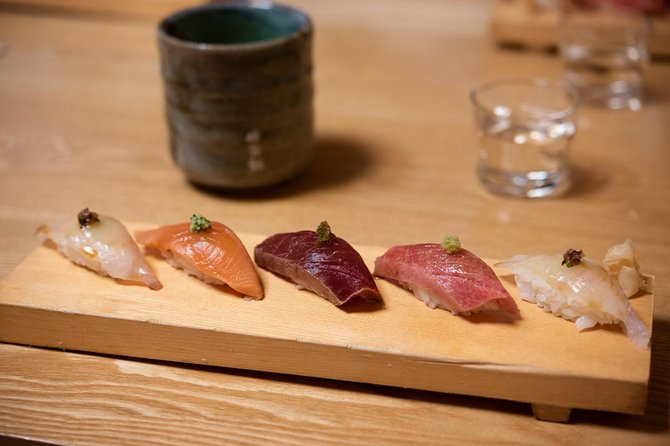
This is limited to a maximum of 2 travelers, which changes the whole vibe. You don’t have to wait behind a big group, and you can ask practical questions like how to eat something or what to try if you like sweets or seafood more than fried items.
Past groups also highlight guides who speak strong English and make the walk feel comfortable, including family-friendly pacing for teens and younger visitors. You’ll often get two kinds of info at once: quick context about Asakusa, and concrete advice on the food in front of you—how it’s prepared, and how locals typically handle it.
One more detail that matters: guides have shown flexibility based on preferences. For example, matcha lovers have reported that the itinerary included thoughtful choices. Soy allergy has also been mentioned as an accommodated need, though you should still treat allergies and restrictions seriously and communicate them early.
Stop 1 in Asakusa: the main tasting walk through old-town streets
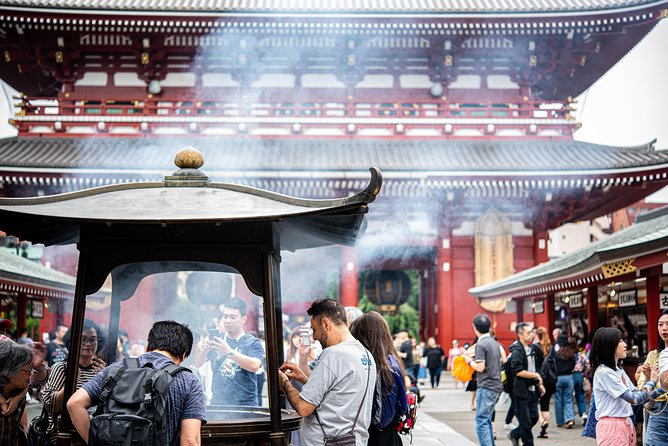
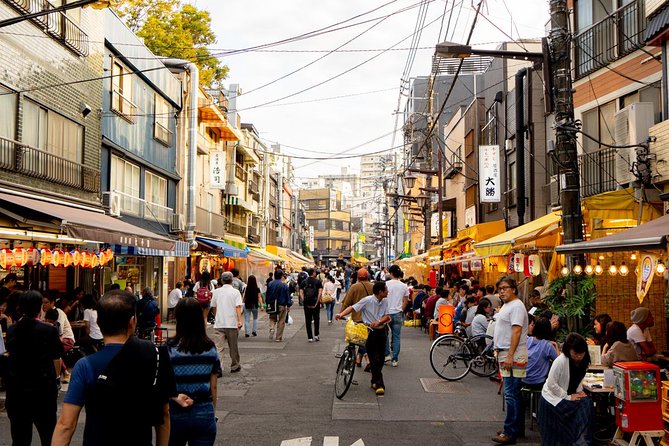
Stop 1 is where the tour earns its name. You’ll explore a larger stretch of Asakusa—an older mix of residential streets and local businesses—and visit 4-5 local food shops and restaurants for authentic bites and sweets. This part is about 1 hour, and it’s the heart of the experience.
What you can expect to taste is shaped by the shops the guide selects, but based on what’s come up in past groups, you might run into items like:
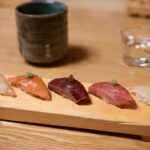
- sushi at a standing bar (including more adventurous tuna cuts, if available)
- tempura and soba
- savory Japanese-style pancakes such as okonomiyaki / monjayaki
- sweet treats like dango, taiyaki, Kagetsudo bread, sweet potato snacks
- desserts like matcha ice cream
You’ll also notice the “history” angle. The emphasis here isn’t just that the shops are old; it’s that you’re tasting what a neighborhood has kept making and selling for generations. That makes each stop feel more like a tradition than a random snack run.
The practical benefit for you: you won’t have to make ordering decisions at a language barrier counter. You can also slow down when something looks smoky or warm. One review noted that monjayaki can get warm and smoky, which is exactly the kind of thing a guide can help you handle (and plan around) without you feeling awkward.
Marugoto Nippon: a quick break for Japanese food shopping
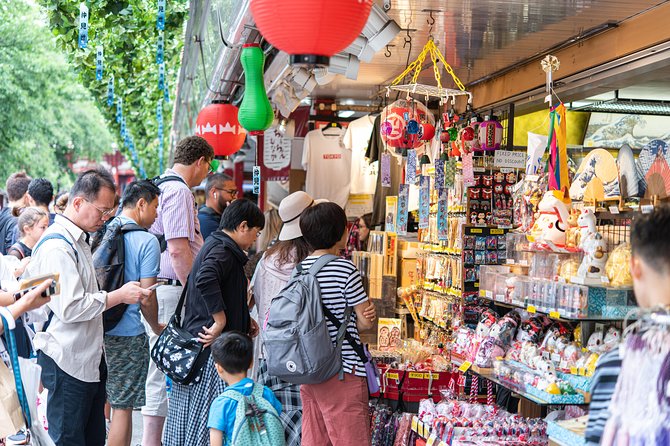
After the main tastings, you hit Marugoto Nippon, a specialty department-store stop that sells selected goods and food from around Japan. This is shorter—about 20 minutes—so it’s not a big shopping detour.
Think of this stop as a palate reset. You’ve likely had savory bites already. Now you get a chance to look at packaged snacks, unique food items, and regional products that you might want later. It’s especially useful if you’re the type who likes bringing back taste souvenirs that aren’t just candies.
It also helps keep the pacing smooth. If the morning started with temple crowds or you’ve been walking around for hours, this pause can feel like a breather before the Senso-ji section.
The market street before Senso-ji: where the route turns into atmosphere
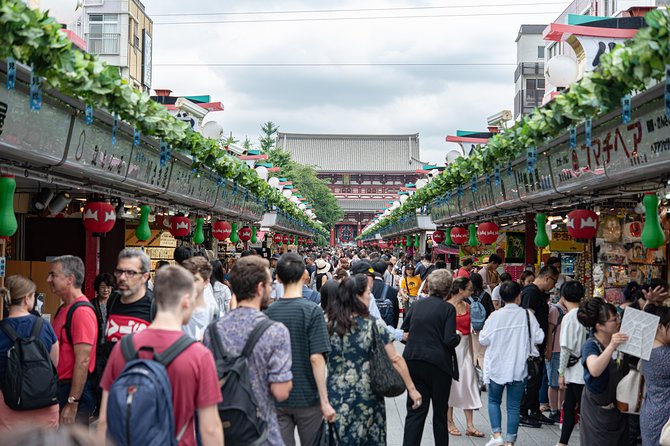
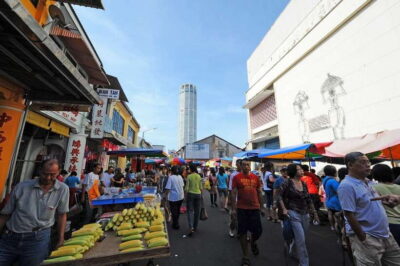
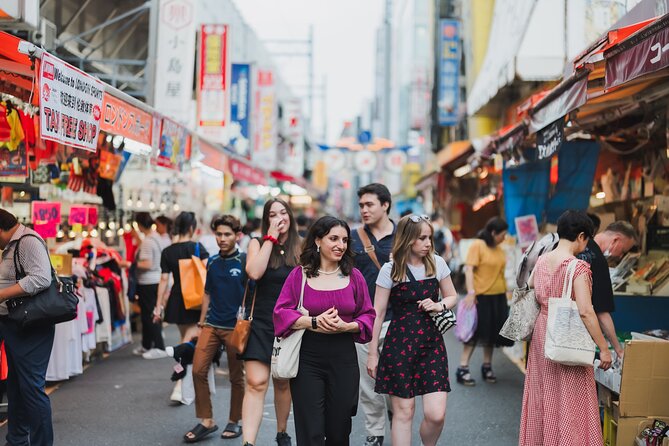
Between Marugoto Nippon and the temple portion, you’ll walk through a busy market street that leads toward the shrine and temple approach. This is one of those “you can see it in photos, but it’s louder in real life” moments.
Why it’s valuable: food and sightseeing connect here. The snack route doesn’t float in a vacuum. You’re seeing the same kind of street life that feeds people while they’re out and about near Tokyo’s most famous temple area.
You’ll also get a guided sense of flow. The temple area can feel like a bottleneck. With a guide, you’re more likely to time your movement so you’re not stuck staring at menus while everyone behind you squeezes forward.
Senso-ji Temple: oldest-in-Tokyo context without losing your appetite
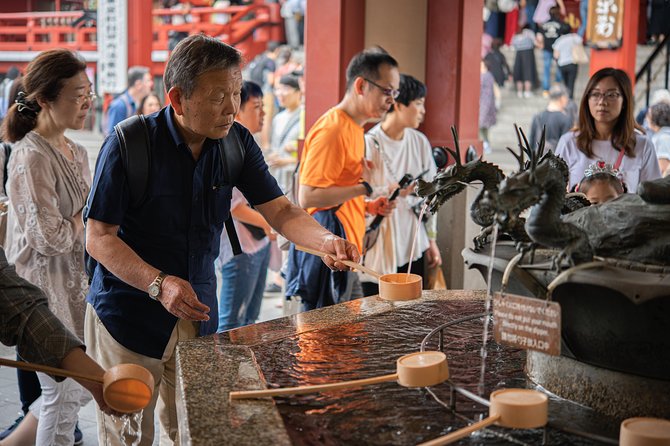
You’ll spend about 20 minutes at Senso-ji Temple, described as the oldest temple in Tokyo. This isn’t long enough to treat it like a full half-day temple visit. It’s long enough to give you the “aha” feeling: you understand where the street snacks fit into the broader Asakusa experience.
Expect to walk in the temple area’s core zone and connect what you just tasted to what you’re seeing. Even if you’re not a hardcore architecture person, Senso-ji gives you instant orientation. You’ll remember the route more clearly later when you’re wandering on your own.
There’s also a comfort factor for first-timers. If Asakusa is new to you, having someone lead you there at the right moment helps you avoid getting lost after your food stops.
Food + alcohol included: plan your day like a local lunch
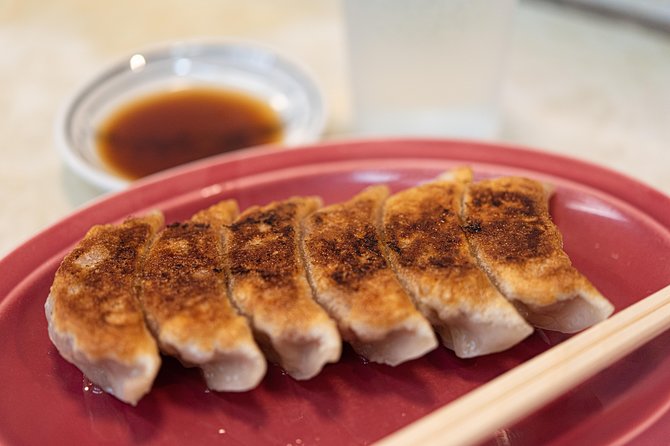
The tour includes food samplings and alcoholic beverages. That’s a big deal for value, because it changes how much you’d otherwise spend if you were buying tastings and then separately finding a drink.
It also affects how you plan the rest of the day. If you drink, you’ll likely want a slower schedule afterward—maybe shopping near Asakusa or a museum day later. If you prefer to skip alcohol, make sure you follow the organizer’s guidance in advance. The tour is built around tastings, so it’s easier when you communicate needs before you show up.
Desserts are also part of the mix. In past experiences, dessert stops have included items like matcha ice cream and other sweet treats. That can make you feel wonderfully full by the end, which is often the goal on a crawl like this.
If you want a smoother experience, pace yourself early. Start with something savory, take a breather, and don’t assume you can eat everything at full speed just because you’re excited. The best results come when you treat it like slow bites, not a sprint.
Price and value: is $76.27 actually fair?
At $76.27 per person, this isn’t a “cheap snack tour,” and it shouldn’t be sold that way. But for what’s included, it can be a fair deal—especially compared with trying to recreate the same experience solo.
Here’s what you’re paying for:
- multiple guided tastings across 4-5 food shops
- access to choices you might not find or know how to order
- added stops tied to Asakusa’s food culture (like Marugoto Nippon)
- alcoholic beverages included
- a guide who helps you connect the food to the neighborhood’s long-standing traditions
Where the value can feel less good is if you’re only interested in one kind of food. A crawl works best when you enjoy variety and can handle a few rounds of savory and sweet. Also, if your dietary needs are complex, the limited options for vegan/vegetarian/gluten-free can reduce how satisfying the sampling is. In that case, you might feel the cost more than you expected.
Best fit: who should book this and who should skip
This tour is a great match if:
- you want Asakusa food in a short time window
- you like learning how people eat, not just what they eat
- you prefer a guide for ordering and direction through older streets
- you want a small group experience where questions are easy
It may be less ideal if:
- you require strict dietary accommodations and you haven’t requested them at least a week ahead (vegan/vegetarian/gluten-free options are limited)
- you’re sensitive to smoky, warm cooking areas during tasting stops (some dishes can be like that)
- you’re looking for a long temple-focused tour rather than a snack-and-context walk
Families and teens can work well here too, since the pacing and choices are often discussed as friendly. But the alcohol-included detail means you should plan with your group’s preferences in mind.
Practical tips to make the most of your walk
A few things I’d do before you go:
- If you have dietary needs (vegan/vegetarian/gluten-free) or allergies, message in advance. Last-minute requests aren’t accommodated.
- Bring your appetite down to earth. With multiple tastings plus sweets, you can get full faster than you think.
- Wear comfortable walking shoes. This is a neighborhood walk through older streets.
- Use the temple time wisely. You don’t get ages in Senso-ji, so glance, orient, then enjoy the atmosphere.
- If weather is poor, be ready for the tour to be adjusted. The experience requires good weather.
Also, since you end near the temple area, it’s smart to plan your next stop with that in mind. It’s a convenient finish point if you want to keep exploring without backtracking.
Should you book Asakusa Highlights Street Food Crawl?
Book this if you want an efficient, high-satisfaction way to taste Asakusa and understand why the food matters. You’re getting multiple tastings, a guide-led route through quieter areas, and a natural wrap-up at Senso-ji—all in about 2 hours.
Skip it only if your dietary needs are strict and you can’t get the limited options requested in time, or if you prefer to eat only one category of food and nothing else. In most cases, though, this tour hits the sweet spot: it turns a short visit into real neighborhood flavor, without making you study maps or menu translations.
If you want your Tokyo day to feel guided, not stressful, this is a strong pick.
FAQ
How long is the Asakusa Highlights Street Food Crawl Tour?
The tour lasts about 2 hours.
What is the price per person?
The price is $76.27 per person.
What’s included in the tasting?
You get food samplings, and alcoholic beverages are included.
Do I need a paper ticket?
No. The tour uses a mobile ticket.
Where does the tour start and end?
It starts at 1-chōme-20-13 Asakusa, Taito City, Tokyo 111-0032, Japan, and ends at Sensō-ji 2-chōme-3-1 Asakusa, Taito City, Tokyo 111-0032, Japan.
What stops are included during the tour?
The route includes a food stop area in Asakusa, a visit to Marugoto Nippon, and a Senso-ji Temple visit.
Is the tour good for people with dietary restrictions?
Vegan, vegetarian, and gluten-free options are limited. You should message the provider at least a week before the tour date if you have food restrictions, since they cannot accommodate last-minute requests.
What is the group size limit?
The tour has a maximum of 2 travelers.
What if the weather is bad?
The tour requires good weather. If it’s canceled due to poor weather, you’ll be offered a different date or a full refund.
What is the cancellation policy?
You can cancel for free up to 24 hours in advance of the experience start time for a full refund.