REVIEW · ATHENS
Athens: The Ultimate Food Tasting Tour
Book on GetYourGuide →Operated by Αthens Food on Foot · Bookable on GetYourGuide
Food is the best way to read Athens. This tour pairs Psyrri street snacks with big sights like the Acropolis view, so your walking has meaning. You’ll eat your way through downtown while an expert guide explains what makes Greek food part of everyday life.
My favorite part is the variety of tastes you get in a short window. You start with classic breakfast fare like koulouri, then move into older-bakery comfort food, aromatic mastiha flavors, and market-style plates built for sharing.
One thing to watch: the meeting point can vary, and finding it can be a little tricky if instructions aren’t crystal clear. I’d arrive early and plan to check details before you head out.
In This Review
- Key takeaways before you go
- Psyrri breakfast: koulouri, Greek coffee, and an Acropolis backdrop
- Old-school bakery stop: tyropita that acts like a roadmap
- Mastiha: the aromatic flavor you can’t ignore
- Center of Greek Tradition: the practical souvenir stop (sandal shopping)
- Varvakios market and delis: where cheese, olives, and meat become a lesson
- Pie shops and food stops: why the in-between bites matter
- Tsipouro mezze: the social finish in true Greek style
- Price and value: what $92 buys you in Athens
- Who should book this Athens food tasting tour
- Should you book?
- FAQ
- How long is the Athens food tasting tour?
- How much does the tour cost?
- How many tastings should I expect?
- What’s included in the price?
- Where does the tour start?
- What languages are the guides available in?
- Is the tour wheelchair accessible?
- What should I wear?
- What if I have allergies or a sensitive stomach?
- Is there an option to pay later or cancel?
- Is there an extra sweets option at the end?
Key takeaways before you go
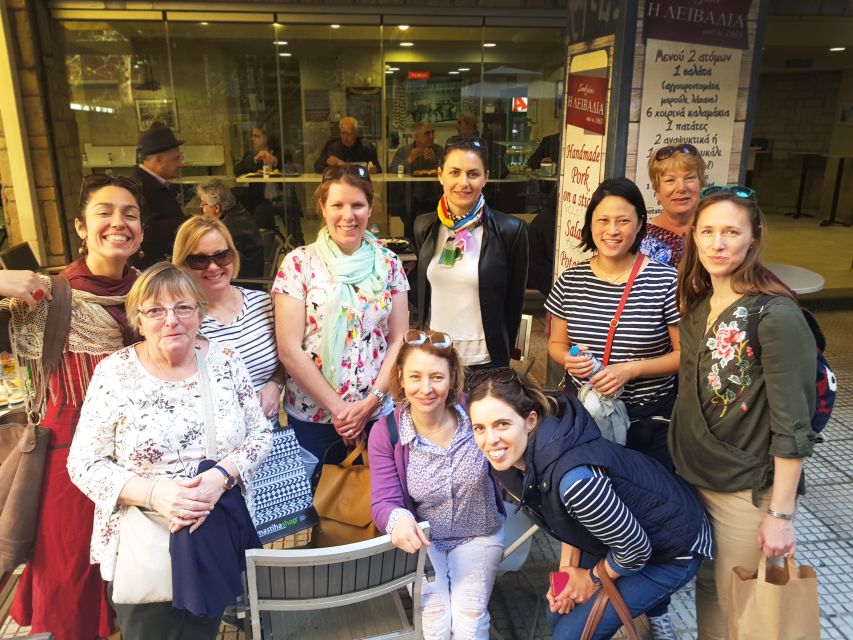
- 10+ tastings in just 3–4 hours keeps things moving without turning into a marathon
- Coffee with Acropolis views makes your breakfast stop feel like more than just caffeine
- Tyropita from an old bakery gives you a real Athens benchmark bite
- Mastiha is a standout—fragrant and distinctive in a way you’ll remember
- Varvakios market + delis + pie shops means you sample the city’s everyday pantry staples
- Tsipouro mezze finish turns the tour into a very Greek social meal, not a food parade
Psyrri breakfast: koulouri, Greek coffee, and an Acropolis backdrop
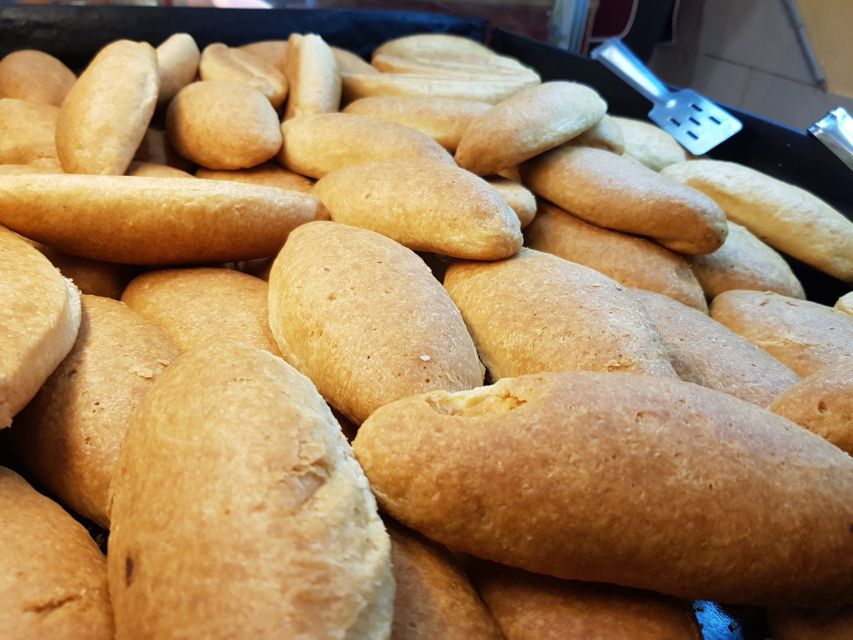
Most food tours start with the food. This one starts with the place, and Psyrri is a smart choice. It’s the kind of neighborhood where you get that lived-in Athens feeling—small streets, lots of locals around, and plenty of smells from bakeries and cafés.
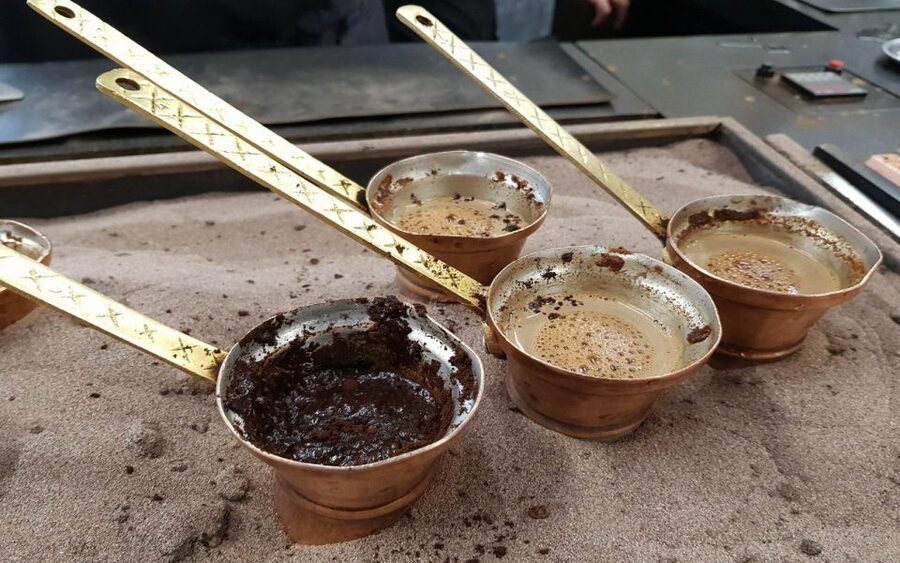
Your morning kickoff is a Greek coffee stop, served with a view of the Acropolis. Even if you’ve seen the Acropolis before, it lands differently when you’re sipping slowly and eating something warm. Then comes koulouri: that sesame pastry you’ll see all over Athens, the kind of snack that tastes like the city is running on it.
This opening matters because it sets the rhythm. Breakfast here isn’t just fuel—it’s the baseline flavor of Greek street food: simple ingredients done well, eaten without fuss, and tied to daily routine. If you’re the type who wants context with your carbs, this is a strong start.
Practical tip: wear comfortable, non-slippery shoes. The tour is built around walking through the historical city center, and you’ll be on your feet long enough that sore soles would ruin your appetite later.
You can also read our reviews of more food & drink experiences in Athens



Old-school bakery stop: tyropita that acts like a roadmap
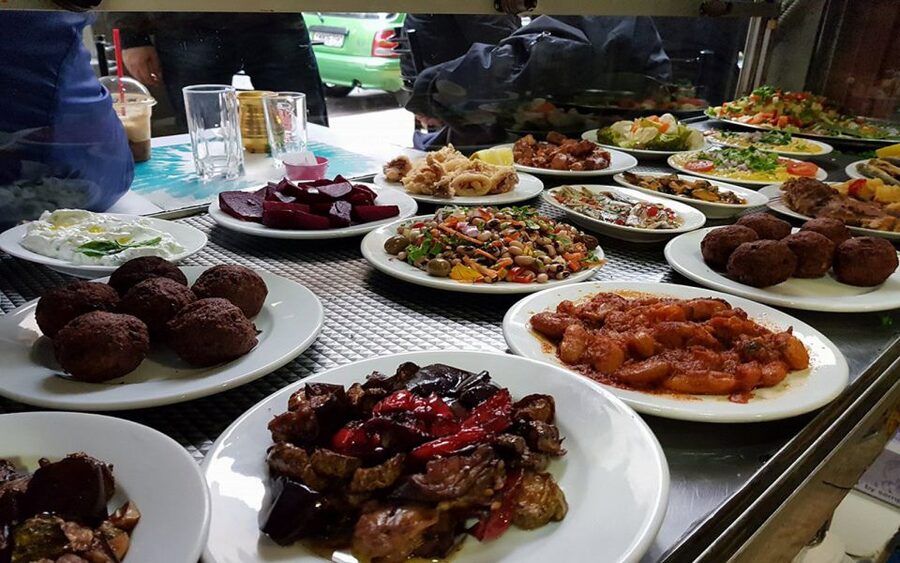
From Psyrri, the tour shifts gears into older Athens comforts—starting with one of the oldest bakeries in the area. The star here is tyropita, and the point isn’t just that it’s good (it is). The point is that you’re tasting a classic that anchors a lot of Greek eating habits: flaky pastry, cheese-forward flavors, and a snack culture that works morning to late night.
I like that this kind of stop works as a roadmap for everything else you’ll try. Once you’ve had a benchmark tyropita, you’re better at noticing textures and technique as the tour goes on: where the dough is light, where the filling is generous, and how Greeks balance salt, fat, and seasoning without making it heavy.
Possible drawback? If you’re expecting every bite to be a tiny sample, know that the tour is not skimpy. Between coffee, koulouri, and bakery food early on, you’ll want to come hungry but also prepared for a truly substantial tasting day.
Mastiha: the aromatic flavor you can’t ignore
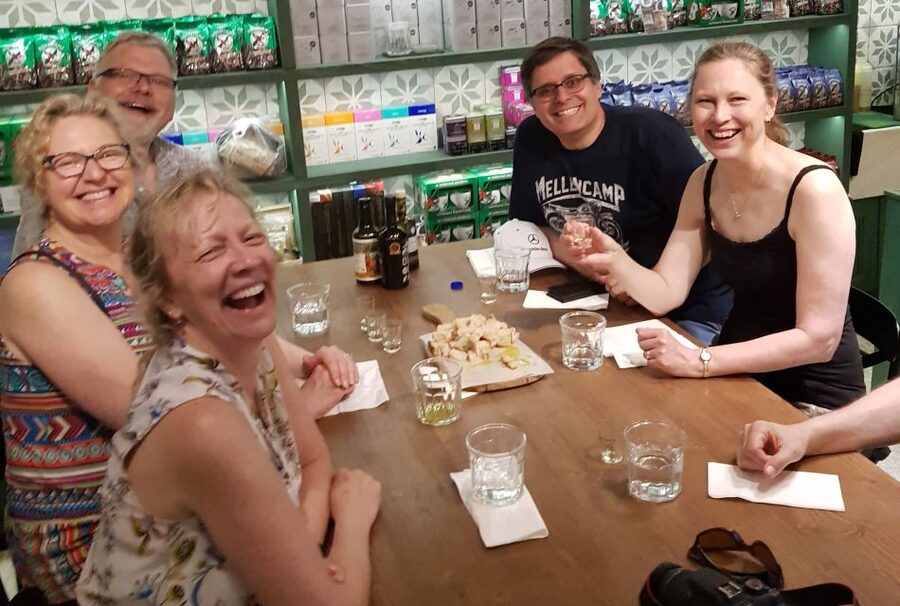
Then comes one of the tour’s signature standouts: mastiha, the world-famous aromatic resin used in Greek sweets and drinks. It’s the kind of flavor that’s hard to describe until you smell it and taste it yourself—fresh, slightly piney, and sweet in a way that feels distinct rather than generic.
This stop is valuable because it teaches you that Greek cuisine isn’t only about olives and herbs. It also has aromatic traditions that show up in desserts, candies, and liqueur-style flavor profiles. If you’ve ever wondered why Greek sweets can feel different from what you get in other Mediterranean countries, mastiha is one of the best answers.
You’ll also appreciate this stop more if you’re the curious type who likes to ask questions. The guide’s job isn’t just to point at food; it’s to connect ingredients to the culture that uses them.
Center of Greek Tradition: the practical souvenir stop (sandal shopping)

Next, you don’t just eat—you learn another side of Greek daily life at a Center of Greek Tradition. One of the more memorable twists is an old sandal shop where you can choose a pair from thousands of options.
Why does a sandal shop belong on a food tour? Because Greek tradition isn’t only on plates. It lives in craft and materials and the way people dressed for comfort and style for generations. Plus, it gives you a break from nonstop tasting while still keeping you in the local-experience lane.
This is also a good mental reset point. After multiple bites, you’ll probably appreciate standing still for a moment, looking around, and deciding whether you want to pick up something practical (and very Greek-looking).
Varvakios market and delis: where cheese, olives, and meat become a lesson
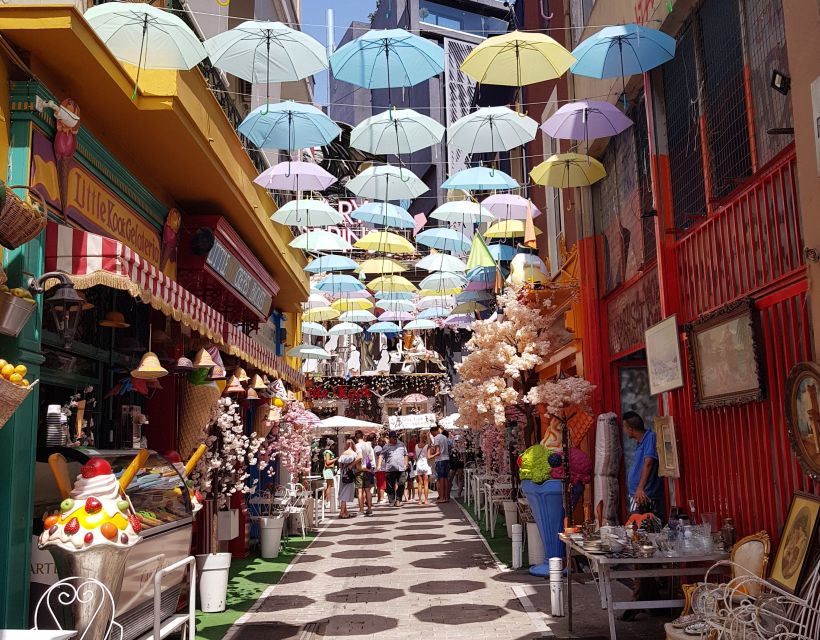
The tour’s heart for serious snackers is the stretch through authentic food stops and specialty shops, including the Varvakios market. This is the Athens you recognize: cheeses, meat products, rusks, olives, olive oil, vegetables—lots of the everyday ingredients Greeks build meals on.
What makes this section work is that it’s not random grazing. The stops are specialized, so you taste across categories: dairy and cheese textures, cured and processed meat flavors, olive oil and olive bite profiles, and the supporting cast of vegetables and pantry items.
Think of it like learning Greek grocery shopping in the fastest possible way. If you’ve ever walked through a market and felt overwhelmed, this helps. You leave with a mental map of what belongs together—what’s salty and what’s bright, what’s best with bread, and what tends to show up as part of a bigger spread.
A heads-up: markets can get busy, and you’ll be moving with a small group. Keep your pace steady, mind your personal belongings, and don’t be afraid to pause when the guide explains what you’re tasting.
A few more Athens tours and experiences worth a look






Pie shops and food stops: why the in-between bites matter
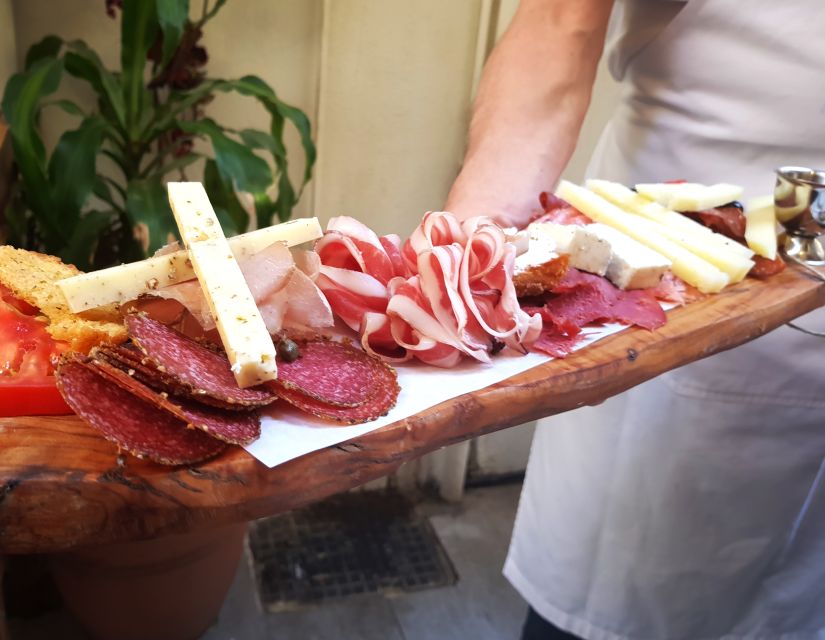
You’ll hit a couple of specialized Greek pie shops and deli-style locations during the tour. This isn’t filler. Pie shops are a big deal in Greek eating—because pies are transportable, shareable, and built for hunger on the move.
In-between tastings, you’ll likely notice how Greeks play with dough styles, fillings, and seasoning. Some bites lean more savory, others show more herb or cheese presence, and some feel designed for snacking rather than for a plated meal.
This is also where you start understanding Greek social food: it’s often about bringing things together. That idea comes back strongly later with the tsipouro mezze finish.
And yes, you’ll probably want to pace yourself. If you go too hard early, later stops can feel like a blur. The tour design helps, but your body still has limits.
Tsipouro mezze: the social finish in true Greek style

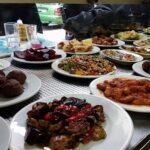
The tour closes with a more social, tapas-style setup—an obscure but authentic tapas shop where you’ll pair food with tsipouro. Tsipouro is a big part of Greek social culture, and mezze is the format that makes it work: small plates, shared conversation, and a slower pace than you might expect after a busy walking tour.
This ending is smart for two reasons. First, you’ve spent hours learning ingredients and textures, so the mezze format lets the flavors connect. Second, you experience Greek dining as something communal rather than a one-and-done meal.
If you’re a foodie who likes to end tours with a real meal, this is one of the best elements. It turns the experience from tasting objects into tasting culture.
Optional add-on: if you still have space, there’s an option to finish with original Greek sweets like loukoumades in nearby sweet shops. That’s a classic way to top off the day with something syrupy and celebratory.
Price and value: what $92 buys you in Athens
At $92 per person for a 3–4 hour tour, the value comes from the density of experiences. You’re not paying just for one great bite—you’re paying for an expert licensed guide, walking context across central neighborhoods, and everything you try along the way.
A typical Athens food day can get expensive fast if you’re paying market prices for multiple separate stops. Here, the tour packages the tasting parts together and adds the explanations that make the food feel more intentional. That’s especially valuable if you like history and want to connect Greek culinary traditions to place and daily habits.
The other value lever is the small-group feel. You get less crowd chaos and more chance to ask questions and keep up with the timing of tastings.
Where the price can feel less perfect is if you’re not much of a “try lots of bites” person. If you prefer a long sit-down meal instead of multiple tastings, you might do better with a different style of tour. But for a short, high-impact Athens experience, this one is hard to beat.
Who should book this Athens food tasting tour
I think this tour fits best if you:
- Want a food-forward day that still includes real city context in central Athens
- Like tasting multiple categories—breads and pastries, cheese and cured foods, market staples, and sweets
- Enjoy guided explanations (you’ll get more out of it than just “stuff your face”)
- Are comfortable walking for a few hours and eating in a paced sequence
It’s also a strong choice for couples and small groups who want a guided plan without locking into a formal restaurant schedule.
If you’re sensitive to full-flavor foods, let the team know about allergies and digestive disorders ahead of time. The tour includes a lot of items, and good communication is the difference between enjoying the food and feeling stressed about it.
Should you book?
Book it if you want an Athens day that feels like both a snack quest and a quick cultural orientation. The combination of Psyrri breakfast, tyropita from an established old bakery, mastiha, market tastings at Varvakios, and a tsipouro mezze finish is a clean arc: start bright, learn ingredients, then end like locals.
Consider holding off if you’re not confident finding the meeting point on your own. The tour’s time window is short and the walking pace matters, so I’d plan to arrive early and double-check where you’re supposed to gather for your specific departure.
FAQ
How long is the Athens food tasting tour?
It runs for about 3 to 4 hours.
How much does the tour cost?
The price is listed as $92 per person.
How many tastings should I expect?
You’ll have more than 10 stops with Greek delicacy tastings during the tour.
What’s included in the price?
You get an expert licensed guide, a bottle of water, and everything you try during the tour.
Where does the tour start?
The meeting point may vary depending on the option booked.
What languages are the guides available in?
The tour offers live guidance in German, French, English, and Spanish.
Is the tour wheelchair accessible?
Yes, wheelchair accessibility is listed.
What should I wear?
Wear comfortable shoes that are not slippery, and use sunscreen and a hat.
What if I have allergies or a sensitive stomach?
Inform the team of any allergies and digestive disorders so they can take that into account.
Is there an option to pay later or cancel?
Cancellation is free up to 24 hours in advance for a full refund, and reserve now & pay later is offered.
Is there an extra sweets option at the end?
Yes. There is an option to finish with original Greek sweets like loukoumades in nearby sweet shops if you still have appetite.