REVIEW · BEIJING
Beijing Hutong Breakfast Food Tour
Book on Viator →Operated by Lost Plate · Bookable on Viator
You start the day in real hutong lanes, not a mall food court, with a small group and a guide who keeps things moving. I like that you get personal attention in a group of ten or fewer, and you’re promised unlimited food and drinks across 10+ items from several local spots. One thing to keep in mind: it’s a walking tour, and the meeting point is very specific, so arrive a few minutes early and double-check your voucher details.
In This Review
- Two reasons I’d do this again
- One practical drawback to plan for
- Key highlights worth your morning
- What you’re really buying with a $45 hutong breakfast
- How the 3-hour route feels on the ground
- Entering the market zone near the National Art Museum
- Longfusi Street and douzhi: the fermented test
- Mr. Yu’s crispy sesame flatbread and tofu pudding comfort combo
- Dongsi North Street: hutong secrets in stone and street signs
- More than “just snacks”: what else you can expect to taste
- Guides you can actually connect with: Lynn and Winnie
- What to eat if you’re picky (and how to handle fermented flavors)
- Price and value: why this tour is good value beyond the menu
- Who should book this hutong breakfast tour
- Quick “how to get the most out of it” tips
- Should you book it?
- FAQ
- What time does the Beijing Hutong Breakfast Food Tour start?
- How long is the tour?
- What is the group size?
- Is breakfast included?
- Are drinks included too?
- Do they offer a vegetarian option?
- Where is the meeting point?
- What kind of ticket do I get?
- Is there a free cancellation window?
- Does the tour run in bad weather?
Two reasons I’d do this again
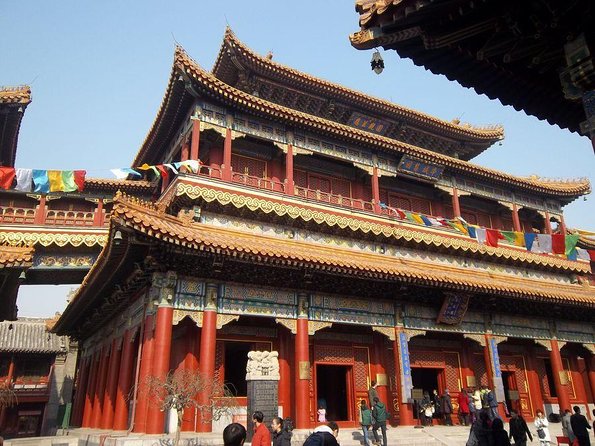
First, the variety is the whole point. You’ll try more than 10 different breakfast-style dishes and drinks from four or five eateries, so you’re not stuck eating the same thing twice. Second, the route is built around how people actually live: a market stop, then lane-hopping through hutong history, including stone doorway clues and street-sign meanings.
One practical drawback to plan for
Bring patience for the morning. You’re tasting constantly for about three hours, which is great if you’re hungry, but it can feel like a lot if you’re easily overwhelmed by fermented flavors, strong coffee, or simply lots of food on foot.
You can also read our reviews of more food & drink experiences in Beijing
Key highlights worth your morning
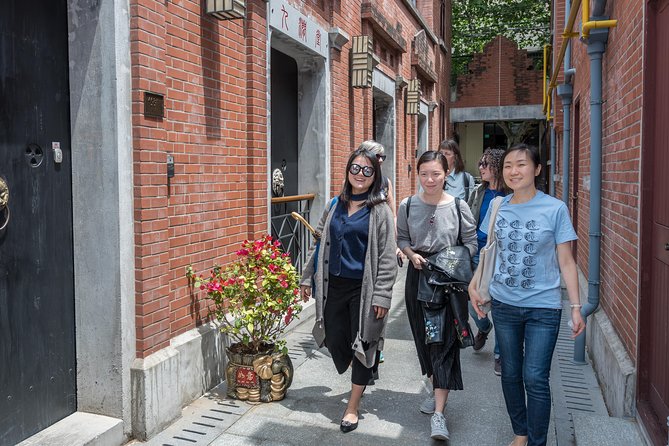
- Small-group format (max 10) keeps the pacing friendly and questions easy to ask
- 10+ breakfast tastings across 4–5 different eateries means you sample widely without big lines
- Market time shows what’s in season and how food is cut and sold locally
- Hutong “hidden clues” in doorway pillars and street signs adds meaning to the walk
- English-speaking guides like Lynn and Winnie make local culture feel clear, not vague
- Weather-ready tour runs in all conditions, so plan clothing for a morning outdoors
What you’re really buying with a $45 hutong breakfast
At $45 per person, this isn’t just a food stop. You’re paying for a guided loop that strings together a market and several breakfast counters, so you get access and context in a compact morning window. Three hours can disappear fast in Beijing if you’re wandering alone. Here, you’re not “just looking for food.” You’re following a plan that turns breakfast into a mini tour of daily life.
The math works because most tastings are included. The tour description calls out unlimited food and drinks, bottled water, and breakfast. So even if you take smaller bites, you’re still getting your money’s worth because the guide is switching you between different places instead of letting one venue carry the whole meal.
How the 3-hour route feels on the ground
This is a short walking tour at the start of the day, starting at 9:00 am and running about three hours. The small group size matters because you won’t be dragged across streets in a long line, and you can actually hear what the guide is pointing out.
You also get a mobile ticket, which is handy when you’re juggling subway transfers and already trying to stay sane. The tour is designed to run in all weather, so expect to walk unless conditions are truly extreme (the plan is still outdoors).
If you want this to feel fun, do two things: show up hungry, and wear shoes you can walk in for a solid stretch. This isn’t a sit-down tasting menu. It’s breakfast on the move.
Entering the market zone near the National Art Museum
The first real “you’re in the neighborhood” moment comes at the market stop near the National Art Museum of China. This is described as a factory-turned-market, packed with fresh vegetables, spices, and neatly sliced meat. That kind of layout is a reminder that breakfast in Beijing starts long before the vendors light up the grills.
One named highlight here is zongzi from Aunt Jie’s stall. Zongzi are glutinous rice dumplings, usually wrapped and stuffed, and they fit the tour theme perfectly because they’re both comfort food and a seasonal food story. Even if you’re not from a culture where zongzi are normal breakfast fare, the guide’s job is to translate what you’re seeing into something you can taste and understand fast.
Practical thought: in markets, smells and textures can hit quickly. If you’re sensitive to strong odors, go slow at first. You’ll still be able to enjoy the tastings, but you might want a calm first minute to get your bearings.
A few more Beijing tours and experiences worth a look
Longfusi Street and douzhi: the fermented test
Next you head to Longfusi Street, where the tour leans into one of Beijing’s more unusual breakfast items: douzhi, a tangy fermented mung bean soup. The description doesn’t try to soften it. This is the sort of taste that lands in two categories: love it or you don’t.
What I like about putting douzhi early in the tour is that it sets your expectations. You’ll know right away what kind of breakfast you’re walking into—fermented, savory, and meant to wake your senses. If you’re adventurous, this becomes a signature memory. If you’re cautious, treat it as a small experiment and focus on the rest of the menu that may fit you better.
This is also the point where the guide’s role becomes more than translations. A good guide helps you understand how people eat this, when, and why it has staying power. You’re not only sampling food. You’re learning why it belongs to the morning.
Mr. Yu’s crispy sesame flatbread and tofu pudding comfort combo
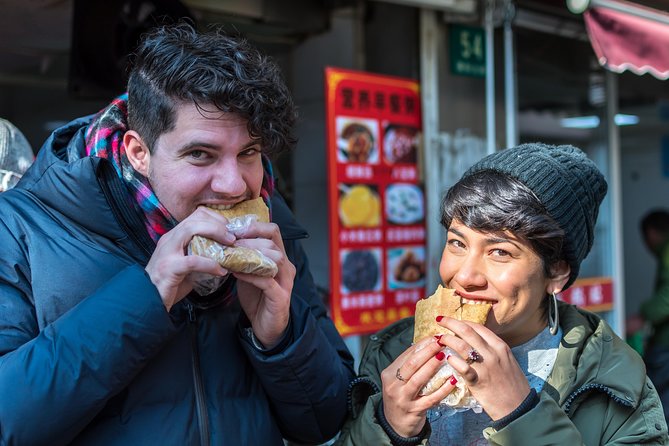
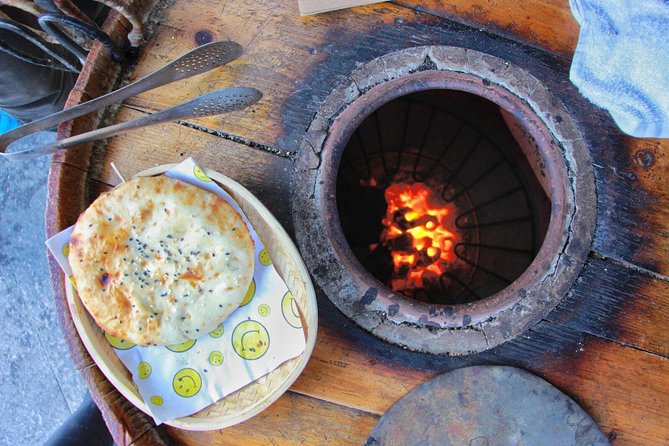
Another stop on Longfusi Street shifts the mood from tangy soup to comfort food you can practically picture at home. You meet Mr. Yu, who serves up crispy sesame flatbread stuffed with cured beef, plus a warming bowl of tofu pudding.
This pairing is smart for a tour because it gives you contrast: crunchy outside and savory filling, then the smooth warmth of tofu pudding right after. Even if tofu pudding sounds familiar, the breakfast version is often different from what people expect. It’s gentle, soothing, and it helps balance stronger flavors earlier.
The guide context matters here too. In the tour description, the food is tied to everyday memories—food that isn’t fancy, just trusted. That kind of explanation turns a snack into something you can emotionally understand in minutes.
Dongsi North Street: hutong secrets in stone and street signs
After the food comes the deeper hutong moment at Dongsi North Street. This part isn’t about eating again right away. It’s about making the lanes feel legible.
You’ll wander historic lanes and learn how to read the place:
- doorway pillars made of stone and what they can signal
- color-coded street signs and how to interpret them
- how to tell how many families live inside based on the layout
This is the kind of knowledge that pays off later. When you walk a hutong again on your own, you start spotting details you would’ve missed before. Even if you only remember a couple of the clues, it makes the city feel less like a photo and more like a lived environment.
One more thing I appreciate: the tour’s culture teaching stays practical. It’s not just dates and legends. It’s about noticing the built environment the way locals do.
More than “just snacks”: what else you can expect to taste
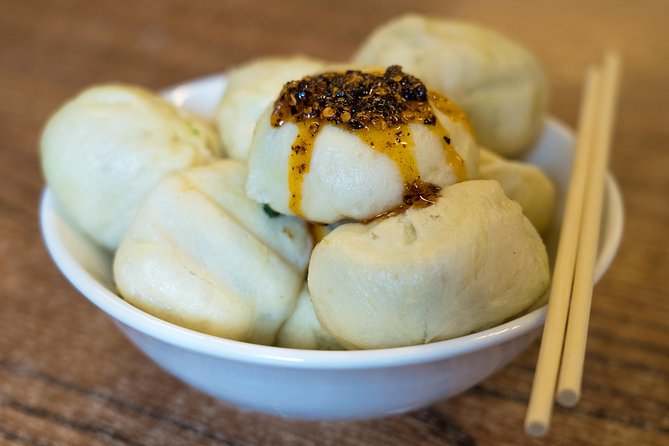
Across the route, the tour promises more than 10 delicacies and drinks from multiple eateries, and the overview mentions a few specific breakfast-style items. You might see things like yoghurt and pancakes, plus coffee with a view as part of the morning pacing. There’s also time for a local market check to see what’s in season.
Because only a few stops are spelled out in full detail, you should think of the itinerary as a framework: you’re switching between food counters and local spaces so the menu stays varied. The “more than 10” promise is important, because it suggests the guide isn’t rationing you to one bite per place. You’ll be sampling enough to compare tastes and textures.
If you’re the kind of traveler who likes to plan meals, this works. If you’re the kind of traveler who hates decision fatigue, even better. Your guide decides what you try, and you only worry about enjoying it.
Guides you can actually connect with: Lynn and Winnie
A standout theme in the experience is the guide. Names that come up include Lynn and Winnie (and you may also see references to guides listed as Lin). The point isn’t just friendly service. It’s clarity and confidence.
In real terms, that means you’re more likely to understand what you’re eating instead of just repeating the dish names. It also means you get useful extra context beyond the walk—like food recommendations after the tour. One review mentioned an excellent Peking duck suggestion, which lines up with the bigger value here: you don’t just leave with full stomach energy, you leave with a few next steps.
What to eat if you’re picky (and how to handle fermented flavors)
This tour can be a joy if you’re open to trying new tastes. It can also be a little intense if you’re selective, because the schedule is built around variety and some stronger profiles like fermented soup.
If you’re picky, I’d focus on two tactics:
- Start with one “adventure item” you’re willing to sample, like douzhi, and treat everything else as the reward.
- Use the soothing items, like tofu pudding, to reset your palate.
And if you want the vegetarian version, you can request it. Vegetarian option is available if you advise at booking.
Price and value: why this tour is good value beyond the menu
Let’s talk value in plain terms. You’re paying $45 for:
- a 3-hour guided walk
- breakfast included
- unlimited food and drinks
- bottled water
- a local English-speaking guide
- small-group attention (max 10)
- market access and commentary
If you were to recreate this on your own, you’d spend money not only on food, but also on time figuring out where to go, what to order, and how to understand what you’re eating. In Beijing, that planning time is real. A guided tour converts time into tastings and meaning.
Also, the hutong walking matters. Food tours can become a conveyor belt. Here, the lane-hopping plus the market and hutong clues keep the morning from feeling repetitive. That combo is what makes the price feel fair.
Who should book this hutong breakfast tour
This is a great fit if you:
- want a morning food experience without turning your day into restaurant hopping
- like learning how everyday people live, not just taking pictures
- enjoy trying a range of textures (soups, flatbread, tofu pudding, pancakes, yogurt)
- appreciate a guide who can explain what you’re tasting and why it matters
It might not be the best choice if you:
- hate walking and would rather sit
- strongly dislike fermented flavors and tangy tastes (you can still choose how much to try, but douzhi is part of the concept)
- need a very predictable, kid-friendly menu with no surprises
Quick “how to get the most out of it” tips
- Arrive hungry. This tour is built on tasting.
- Wear comfortable shoes. You’ll move between neighborhoods and streets.
- If you have dietary needs, mention them at booking so your vegetarian plan can be set.
- Bring a light layer. The tour runs in all weather, so you’ll be outside in the morning air.
- Double-check your meeting details. The meeting spot is specific, near public transportation.
Should you book it?
If you want a Beijing morning that feels local and ends with both a full stomach and clearer sense of the city, I think this is a smart book. The best part is the mix: market + hutong lanes + multiple tastings with a small group. You get variety without chaos, and you leave knowing more than just dish names.
If you’re on the fence, here’s my shortcut: book it if you like tasting beyond your comfort zone. Skip it if your idea of breakfast is only one or two familiar flavors and zero walking.
Either way, plan to enjoy a real hutong breakfast morning. It’s one of the better ways to start your Beijing day.
FAQ
What time does the Beijing Hutong Breakfast Food Tour start?
The tour starts at 9:00 am.
How long is the tour?
It runs for about 3 hours.
What is the group size?
The maximum group size is 10 travelers.
Is breakfast included?
Yes. Breakfast is included, along with bottled water.
Are drinks included too?
Yes. The tour includes unlimited food and drinks.
Do they offer a vegetarian option?
A vegetarian option is available. You need to advise the provider at booking.
Where is the meeting point?
The meeting point is at 银燕航空服务公司售票处, 美术馆东街 (postcode 100006), Dong Cheng Qu, Bei Jing Shi, China.
What kind of ticket do I get?
You’ll receive a mobile ticket.
Is there a free cancellation window?
Yes. You can cancel for a full refund up to 24 hours before the experience’s start time.
Does the tour run in bad weather?
It operates in all weather conditions, so dress appropriately for the morning.