REVIEW · BEIJING
Beijing Hutong Breakfast Food Tour
Book on Viator →Operated by UnTour Food Tours · Bookable on Viator
Breakfast in hutongs is fast Beijing education. This 8-person max morning walk pairs real local breakfast stops with a guide who explains what you’re eating and how people actually start the day. I also like that it ends in a useful spot for sightseeing, so you’re not stuck back where you began. One possible drawback: you’re walking for about 3 hours, so comfy shoes matter.
You’ll meet near Lama Temple at 8:00am, follow your guide into backstreets residents use (not the obvious food lanes), and rack up enough tastings to skip a later meal. Prices can sound high for breakfast—until you factor in the volume of food, bottled water and soft drinks, guide time, and the extra local recommendations you get after.
In This Review
- Key things to know before you go
- A 8:00 a.m. Hutong Breakfast That Saves You Guesswork
- Meet Near Lama Temple, Then Eat Your Way Into Backstreet Beijing
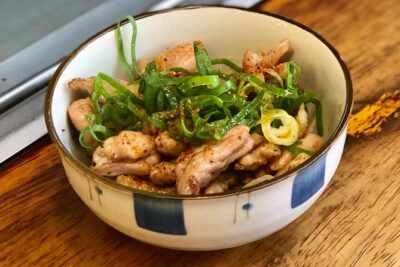
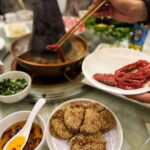
- Baozi, Jianbing, Silken Tofu, and Almond Pudding: What You’ll Actually Taste
- How the Guide Turns Breakfast Into Hutong Life Lessons
- A Short Cultural Stop Around Confucius, Then Back to the Hutongs
- Ending Near the Bell & Drum Towers for Easy Beijing Orientation
- Price and Value: Why $55 Works (When You Compare It Properly)
- Who Should Book This Hutong Breakfast Tour?
- Should You Book This Beijing Hutong Breakfast Food Tour?
- FAQ
- Where does the tour meet, and when does it start?
- How long is the tour, and is it mostly walking?
- What breakfast foods are typically included?
- What’s included in the $55 price?
- Can the tour accommodate dietary requirements?
- What are the cancellation rules for a full refund?
Key things to know before you go
- Small group size (max 8) means more chances to ask questions and actually hear the food explanations.
- Tastings add up to a full meal, so plan your day around not needing lunch right after.
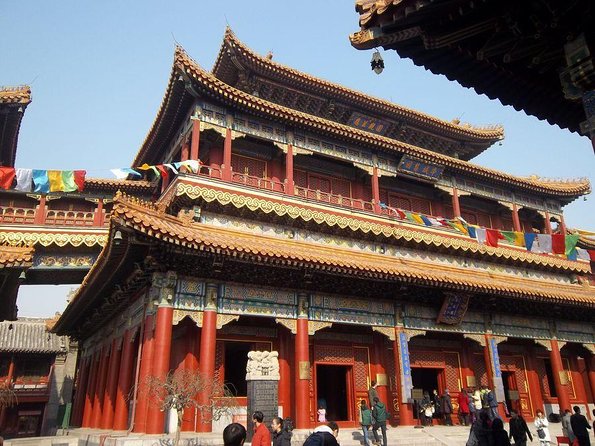
- Start near Lama Temple and head into older hutong alleys behind the big sights.
- You might watch jianbing being made right before you eat it.
- You’ll finish near the Bell & Drum Towers, a handy way to orient yourself in central Beijing.
- Dietary requests need advance notice via email when you book.
A 8:00 a.m. Hutong Breakfast That Saves You Guesswork
This tour is built for your first hours in Beijing or for any morning when you want food without the guesswork. It starts at 8:00am near Lama Temple, close to public transportation, so you’re not spending time figuring out where to meet. You’ll also get a mobile ticket, which keeps things simple once you’re on the move.
The format is straightforward: walk for about 3 hours, small-group style, with your guide leading the way. A lot of visitors get stuck in the same predictable places. This route tries to do the opposite by taking you into the hutong neighborhoods where breakfast is part of daily rhythm, not a performance for tourists.
The guide portion matters, too. One theme from top reviews: guides like Garth are praised for connecting the food to routine and history, not just rattling off menu translations. That changes the way you eat. You’re not only tasting; you’re understanding.
You can also read our reviews of more food & drink experiences in Beijing
Meet Near Lama Temple, Then Eat Your Way Into Backstreet Beijing
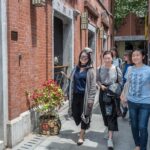
Your morning begins near the Lama Temple area, then you wander into the hutongs behind it. That early, quieter zone is a big part of why this tour works. You get to see what breakfast looks like before the streets feel crowded and salesy.
You’ll sample breakfast specialties in everyday spots like cafes, street stalls, and small shops. This is the real value of having someone with you: you don’t need to scan menus, point blindly, or worry you’ll order the wrong thing. Your guide helps you understand what the dishes are and what people typically do with them.
You can think of the walking as part of the meal. Each neighborhood switch means a new view of how food fits the day: quick, practical bites; simple storefronts; and a focus on getting fueled and moving on.
Baozi, Jianbing, Silken Tofu, and Almond Pudding: What You’ll Actually Taste
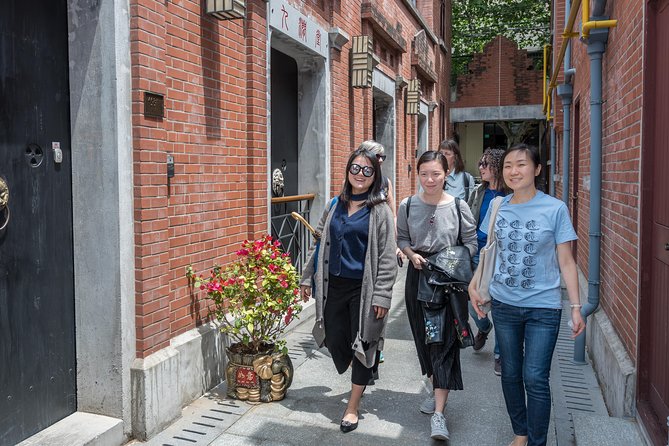
This is not a “one cookie and a photo” tour. It’s a sequence of tastes designed to cover the classic Beijing breakfast lineup. Depending on what the shop has ready that day, you can expect items like:
- Baozi (steamed buns): soft, filling, and a good baseline for understanding Northern Chinese breakfast comfort food.
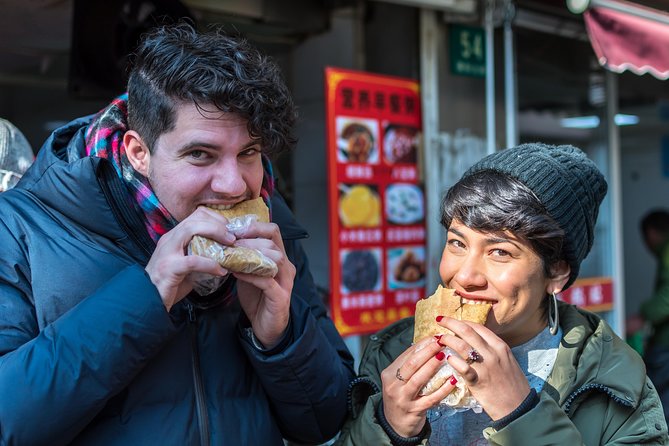
- Jianbing (savory crepes): the star for many people, especially because you may be able to watch it prepared before you eat. Watching helps you understand why it’s so popular—this is fast food that still takes skill.
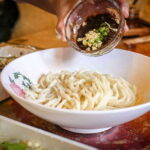
- Silken tofu with savory toppings: lighter than you might expect, and a nice break from heavier dough-based snacks.
- Brown sugar donuts and fried dough: sweet bites and crisp textures that balance the savory stops.
- Sweet soy milk: a classic pairing that makes the whole morning feel cohesive.
- Almond pudding: a smooth finish that lands well after multiple savory items.
One practical note: because this is multiple tasting stops, you’ll likely be full enough to push your next meal later. Several reviews point out that it’s easy to pace yourself, even when the food keeps coming. If you’re the type who gets too eager at the first stop, you’ll want to slow down—your guide will set the tempo.
How the Guide Turns Breakfast Into Hutong Life Lessons
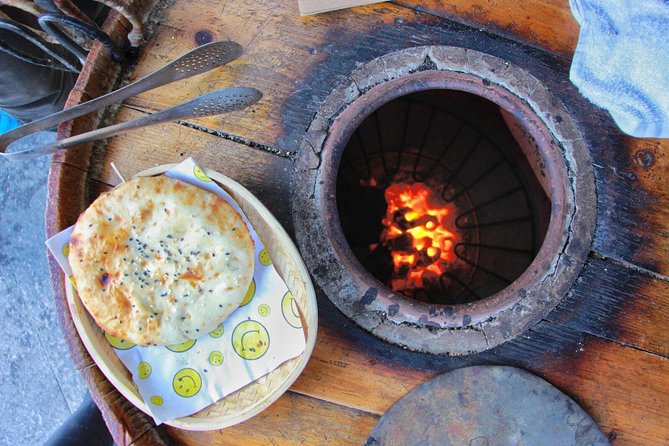
Food tours can sometimes feel like a food-only checklist. This one has a different angle: it links dishes to the way residents start their day in the hutong alley neighborhoods.
During the walk, your guide explains more than ingredients. You’ll hear how ordering works, what the routines look like, and why certain breakfast items show up repeatedly in local life. This is especially helpful if it’s your first morning in China, because you’ll notice that the practical steps—what to say, what to point at, how transactions flow—are part of the experience, not a separate task.
Reviews consistently highlight guide passion and clarity. Garth, for example, comes up as a name tied to connecting food origins with everyday meaning. Even when the historical explanation stays brief, it gives context. You taste better when you know what you’re tasting and why locals care.
If you’re the kind of traveler who loves food but also likes understanding the human side—neighborhood habits, daily schedules, how streets support routine—this is your sweet spot.
A Short Cultural Stop Around Confucius, Then Back to the Hutongs
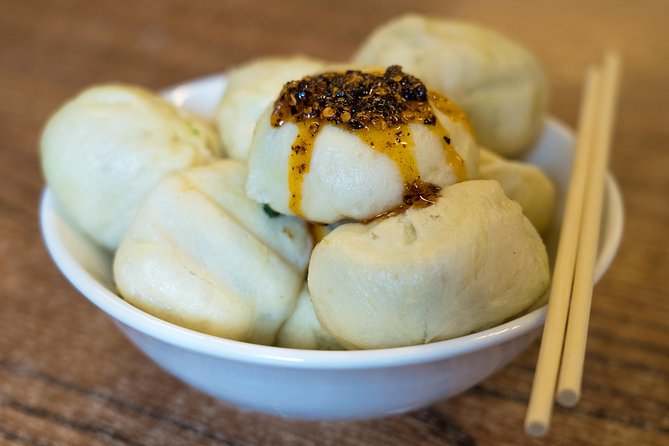
After you head from the Lama Temple area into the surrounding hutongs, the tour includes a quick cultural stretch around the Temple of Confucius and the Guozijian Museum area. This is not a long museum day. It’s more like a moving orientation stop, with time set aside (about 30 minutes) and admission free for this segment.
You’ll also pass through areas with large gate structures—big, recognizable architectural moments that help you connect Beijing’s layout to what you’re seeing street-by-street. The route stays on foot, so this part still feels like you’re traveling through the city rather than hopping between distant attractions.
The main tradeoff here is time. You’re already walking and eating, so this cultural stop is best treated as a brief breather and a quick sight marker, not a full deep-scan. If you want long museum time, you’ll probably add that yourself later.
A few more Beijing tours and experiences worth a look
Ending Near the Bell & Drum Towers for Easy Beijing Orientation
The tour wraps up near the Bell & Drum Towers area, where these landmarks originally helped mark the hours of the day. That detail matters because it reminds you the towers were never only decorative; they shaped how people tracked time in daily life.
Your ending location is near the intersection of Andingmen Nei Dajie and Gulou Dong Dajie. From there, it’s roughly a 15-minute walk to either Beixinqiao Metro (Line 5) or Andingmen Metro (Line 2). Practically speaking, it’s a convenient way to continue your day without backtracking.
If you’re planning the rest of your morning or afternoon, ending near a central axis spot makes it easier to decide your next move—whether that’s walking further, taking a short metro hop, or just using it as a landmark to keep your bearings.
Price and Value: Why $55 Works (When You Compare It Properly)
At $55 per person for about 3 hours, this isn’t a bargain-breakfast. But it also isn’t priced like a single-item snack stop. The value comes from the combination:
- Multiple breakfast tastings that add up to a full meal (so you likely won’t need to schedule another one for several hours)
- Bottled water and soft drinks included
- Guide fee included, so you’re paying for interpretation and guidance, not just food
- A post-tour welcome packet with restaurant recommendations and local travel tips
Also, the tour runs in a small group (max 8), which usually means the guide can actually manage the pace and answer questions without turning it into a shepherded line.
What’s not included is hotel pickup and drop-off. That’s normal for walking tours, but it does mean you should plan on getting to the meeting point yourself. If you’re staying somewhere easy for metro or within a short ride, it’s no big deal.
Who Should Book This Hutong Breakfast Tour?
This tour fits best when you want a morning that mixes food with real neighborhood life. I’d especially recommend it if:
- It’s your first day in Beijing and you want a quick way to understand the city’s rhythm.
- You like street-level food more than polished restaurant dining.
- You want help with what to order and how to handle the practical parts of breakfast eating.
- You prefer small groups and you don’t want to navigate hutongs alone.
It may not be your best choice if you dislike walking for extended periods or if you’re very sensitive to lots of samples in a short time. It’s also worth planning carefully if you have dietary needs. The tour notes that specific dietary requirements must be emailed at booking with advance notice, so you’ll want to do that early enough for the team to cater.
Should You Book This Beijing Hutong Breakfast Food Tour?
If you care about food culture and you want to spend your morning where locals actually eat, I think this tour is a strong yes. The best reasons are practical: small group size, real backstreet tastings, and a guide who explains what you’re eating and how it fits hutong life. You also get a useful walk-to-sightseeing ending near the Bell & Drum Towers, which makes the time feel well spent.
Before you book, check two things: you can handle about 3 hours of walking, and you’re comfortable starting at 8:00am. If those fit, then $55 starts to make sense because you’re not just buying breakfast—you’re buying guidance, interpretation, and a full tasting meal.
FAQ
Where does the tour meet, and when does it start?
You meet just around the corner from the Lama Temple area at 8:00am, near Subway the Lama Temple C Kouzhan Bike Rental Station.
How long is the tour, and is it mostly walking?
The tour is about 3 hours and it’s a walking experience through hutong alleyways.
What breakfast foods are typically included?
You can expect tastings that may include items such as baozi (steamed buns), jianbing (savory crepes), silken tofu, brown sugar donuts, fried dough, sweet soy milk, and almond pudding. You may also watch fresh jianbing being prepared.
What’s included in the $55 price?
The price includes breakfast tasting stops, bottled water, soft drinks, the guide fee, and a post-tour welcome packet with restaurant recommendations and local travel tips. Admission is included for the tour, and the Confucius/Guozijian museum segment is listed as free.
Can the tour accommodate dietary requirements?
Yes, but you need to email at the time of booking with specific dietary requirements, and advanced notice is required so the team can cater to restrictions.
What are the cancellation rules for a full refund?
You can cancel for a full refund if you cancel at least 24 hours before the experience start time. If you cancel less than 24 hours before, the amount paid is not refunded.