REVIEW · DIJON
Burgundy wine tasting tour Half-Day Beaune from Dijon
Book on GetYourGuide →Operated by Authentica Tours · Bookable on GetYourGuide
Grand Cru vineyards and Beaune in five hours. This half-day Burgundy wine tasting tour from Dijon strings together scenic vineyard roads, a serious tasting, and time to wander Beaune’s historic center. You’ll learn how the Grand Cru labels on the bottle connect to the real places on the ground.
I especially like the Grand Cru route focus for a short trip, with famous names like Romanée Conti, Clos de Vougeot, Chambertin, and Montrachet coming up along the drive. I also like the tasting lineup format: 5 to 7 wines, typically a mix of whites and Pinot Noir reds, and often including at least one Premier Cru style experience.
The main thing to watch is time. Beaune gets free time on foot, but it’s not a long stay, so if you want lots of museums or a second tasting stop, you’ll probably want to plan extra time in town.
In This Review
- Key highlights worth your attention
- Dijon to Beaune by minivan: a wine lesson with great timing
- The Grand Cru wine route: the famous names meet real terrain
- Côte de Beaune and Côte de Nuits tastings: what you’ll actually learn
- Beaune on foot: medieval streets, regional shopping, and one-hour reality
- Which scenery and stops you should care about most
- Price and value: does $112 make sense for this half-day?
- Who this tour is best for (and who should pick a longer option)
- Practical tips so your half-day feels smooth
- Should you book the Burgundy half-day from Dijon?
- FAQ
- How long is the Burgundy wine tasting tour from Dijon to Beaune?
- How many wines do we taste?
- Is this a small group tour?
- What’s included in the price?
- Where do the minivans pick up in Dijon?
- What languages are the guides?
- Is the tour accessible for wheelchairs?
- What’s the cancellation policy?
- Does the tour need a minimum number of people?
- Can I book and pay later?
Key highlights worth your attention
- Grand Cru views from the road with stops that explain what you’re seeing, not just where to take photos
- 5–7 wine samples geared toward both white Burgundy and Pinot Noir, with Premier Cru included in the mix
- Beaune strolling time for traditional shops and regional flavors like blackcurrant liquor, mustard, and Flavigny anise
- Working-vineyard perspective even when the vines aren’t in bloom, you may catch growers in action
- Small-group pacing (max 8) that helps questions actually get answered
Dijon to Beaune by minivan: a wine lesson with great timing
The tour is built for people who want the essence of Burgundy without losing an entire day. You start in Dijon and spend around five hours traveling through the wine heartland toward Beaune, which is exactly the kind of schedule that keeps it fun instead of exhausting.
You’re traveling in a small group (limited to 8), and that matters. In Burgundy, details get technical fast—so having fewer people makes it easier for your English-speaking guide to slow down, explain the basics, and then build up from there. Transport also scores high on the quality front, which helps when you’re doing a lot of “look at that view” driving rather than nonstop walking.
One practical note: your minivan pickup is in the bus lane near the kiosk called SIZZLE & CHILL. Show up about five minutes early. After 10 minutes, the booking is treated as a no-show, so don’t gamble on last-minute coffee.
You can also read our reviews of more food & drink experiences in Dijon
The Grand Cru wine route: the famous names meet real terrain
What makes this tour feel special is that it doesn’t treat Burgundy like a generic “wine region.” You’re guided along the Grand Cru wine route and you’ll pass a sequence of legendary appellations and landmarks that help you connect bottle names to geography.
As you ride, you’ll hear about the famous stretches associated with Côte de Beaune and Côte de Nuits. And while you may not be stepping into every vineyard patch, you are getting the bigger picture: how this area is divided, why the slopes and soils matter, and how those differences show up in taste.
You also pass through rural scenes that give context beyond wine labels—older winemaking villages, Romanesque churches, and castles. That’s not just scenic filler. It helps you understand that Burgundy’s winemaking culture is old, local, and shaped by centuries of farming and inheritance.
If you’re visiting when vines aren’t in bloom, that’s not automatically a deal-breaker. One of the real advantages of this timing is you may still see vineyard workers in action, which makes it feel like an operating landscape rather than a postcard.
Côte de Beaune and Côte de Nuits tastings: what you’ll actually learn
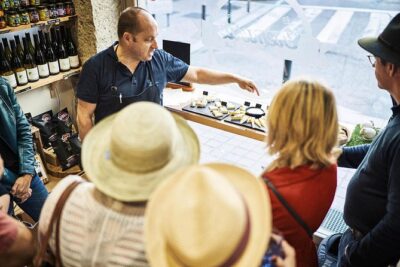
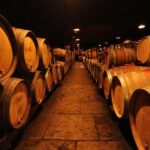
This is the heart of the experience: you stop to taste a curated set of wines, typically 5 to 7 wines. Expect a mix of whites and Pinot Noir reds, with some tastings including Premier Cru wines. In other words, you’re not just drinking casually—you’re training your palate to notice differences.
The best part of these tastings is how they’re usually structured. You’ll get help translating what you smell and taste into something you can remember later when you’re standing in a shop (or when you’re reading a label you don’t recognize). That’s where guides with different styles stand out in the reviews—people mention everything from history and terroir to practical ways to talk about flavors.
You’ll likely hear famous place-and-style comparisons as you sip. Burgundy is all about nuance, so the guide’s job is to stop you from getting lost in the wine glass. Names that come up in past departures include Paul and Ann, plus guides like Gabriel, Sébastien, and Sonia. The common thread: they’re praised for answering questions clearly and making the technical side understandable without turning it into a lecture.
One consideration: not every tasting stop is a big winery with you walking among rows of vines. A few people noted that the tasting location can feel more like a cellar or an organized tasting venue than a dramatic vineyard visit. You still get wine and education, but if your dream is hands-on vineyard work, this half-day format might feel a bit “tasting-focused.”
Also, the amount you sample can feel like a lot or a little depending on your style as a wine fan. Some people wanted more variety; others felt five hours hit the sweet spot. The tour is designed to give you a working understanding, not to turn the day into a marathon.
Beaune on foot: medieval streets, regional shopping, and one-hour reality
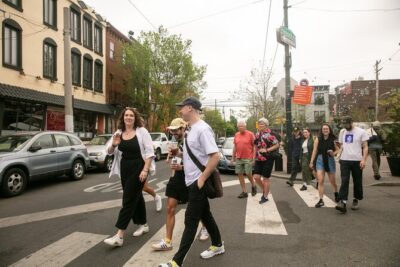
After the driving and tasting, you get free time to explore Beaune’s historic center. Think medieval streets, classic Burgundy architecture, and the kind of small shops where you can buy food gifts that actually make sense in your suitcase.
This is the time to connect the wine to the region’s food culture. Based on what’s shared from past experiences, you can hunt for:
- blackcurrant liquor
- mustard
- honey spice cake
- aniseed from Flavigny
Even if you’re not a shopper, this part helps you slow down. Wine tourism can be intense—then suddenly you’re walking through real streets with real businesses. That’s when Burgundy starts to feel personal.
A standout tip that comes up for Beaune is the 500-year-old Hôtel-Dieu hospital. If you’re interested in architecture and local history, try to make room for it during your free time. The tour doesn’t guarantee a long museum-style visit, so be strategic: prioritize what you can’t easily see elsewhere.
Weather can also change how long you feel like lingering. Rain showed up in at least one experience, and that reduced how long people spent wandering Beaune. If skies look messy, wear something comfortable and aim for the easiest-to-reach sights first.
Which scenery and stops you should care about most
The ride isn’t random. It’s organized to give you a sense of why Côte de Beaune and Côte de Nuits feel distinct, even though they’re geographically close. As you pass vineyards and villages, the guide frames what you’re looking at in plain terms: what matters about slopes and where grapes are planted.
You’ll also see lots of “Burgundy tells you where you are” landmarks. Roman churches, abbeys, castles, and old winemaking towns are part of the route. I like this approach because it keeps you grounded. Instead of only hearing about terroir, you’re also watching the physical world that shapes it.
One thing to watch: vineyard access can vary depending on when you go. A past note pointed out that some vineyards may be closed on Sunday. So if your trip date falls on a Sunday, don’t assume you’ll be able to walk into every vineyard area you pass. The good news is that even from the road, the educational context is still the point.
Price and value: does $112 make sense for this half-day?
At $112 per person for about five hours, the price only feels high if you expect this to be a private car plus unlimited wine. If you treat it as transport + expert guidance + a guided tasting, it starts to look fair.
Here’s the value math that matters:
- You’re getting transportation from Dijon to the Beaune wine area and back (in a small group).
- You get an English-speaking wine expert who helps you connect taste to place.
- You’re tasting 5 to 7 wines, often including Premier Cru-level experiences.
In a place like Burgundy, the expensive part is rarely the wine. It’s the coordination, time, and interpretation. A good guide can turn a confusing label into something you can repeat later. That’s why the tours that people rate highest often mention the guide’s ability to answer questions and guide selections after tasting.
This tour is also good value if you’re short on time. If you’re already in Dijon and you don’t want the hassle of driving yourself, the guided route gives you a structured way to see the Grand Cru belt without spending your mental energy on navigation and parking.
Who this tour is best for (and who should pick a longer option)
I think this tour is ideal for you if:
- you’re curious about Burgundy but don’t want to do the research alone
- you want to taste both whites and Pinot Noir in a guided way
- you’re happy with a guided day where the drive itself teaches you
It’s also a great fit if you have a first-time Burgundy problem: you can’t yet tell why the wines from one area feel different from the next. This kind of route-and-tasting format helps you build a framework fast.
If you’re a hardcore wine collector who wants deeper access—like multiple cellar stops, long vineyard walks, or more bottle-by-bottle comparison—you might end up craving more time at the tasting tables. In that case, you’d probably be happier choosing a full-day or multi-stop tour with more tastings and more time in the vines.
Practical tips so your half-day feels smooth
Here’s how to make this kind of tour easier on yourself:
- Wear shoes you can use for Beaune walking. The free time is on foot, and old stone streets don’t forgive soft soles.
- Keep your expectations realistic on tasting size. You’ll sample a curated range, not everything in Burgundy.
- Go ready to ask questions. One reason guides score well is they answer people’s curiosity about terroir, naming, and how to taste.
- If you have wine to buy after tasting, decide early what you want to carry. The tour timing is tight, so you’ll want a simple plan for selection and luggage space.
If you’re sensitive to weather, also plan for rain. Beaune is beautiful either way, but you’ll want a rain layer you’ll actually wear.
Should you book the Burgundy half-day from Dijon?
I’d book this tour if you want a fast, focused Burgundy experience: Grand Cru context, a guided tasting of 5 to 7 wines (often including Premier Cru), and Beaune time that doesn’t eat your whole day. At $112, the best value comes from the expert interpretation plus transportation plus tasting—three things that are hard to replicate well on your own in a short window.
Skip it only if your goal is maximum wine quantity or maximum vineyard access. This is a good “start here” tour, not a deep, all-day crawl. If you want to taste more and spend more time in the cellar, look for a longer format.
FAQ
How long is the Burgundy wine tasting tour from Dijon to Beaune?
The tour duration is 5 hours.
How many wines do we taste?
You’ll taste a selection of 5 to 7 Burgundy wines, including white wines and Pinot Noir reds.
Is this a small group tour?
Yes. It’s limited to 8 participants, which keeps the experience more personal.
What’s included in the price?
Transportation, an English-speaking wine expert, and wine tasting are included.
Where do the minivans pick up in Dijon?
The minivans stop in the bus lane next to the kiosk called SIZZLE & CHILL.
What languages are the guides?
The tour includes live guidance in English and French.
Is the tour accessible for wheelchairs?
Yes, it’s listed as wheelchair accessible.
What’s the cancellation policy?
You can cancel up to 24 hours in advance for a full refund.
Does the tour need a minimum number of people?
Yes. A minimum of 4 participants is required for the tour to go ahead.
Can I book and pay later?
Yes, you can reserve now and pay later to keep your plans flexible.