REVIEW · DIJON
Burgundy Wines Full-Day Tasting Tour from Dijon
Book on GetYourGuide →Operated by Authentica Tours · Bookable on GetYourGuide
Beaune and wine in one tight day. This full-day trip pairs Corton hill views with guided tastings of up to 10 prestige wines, and the best part is how easily the day clicks for both first-timers and wine regulars. With guides like Tom, Max, and Anna, you get context fast, plus plenty of room for questions as the glassware starts multiplying.
I especially like the way the day mixes serious wine education (cellar visits, Premier Cru pours) with real-world Burgundy life in Beaune. The main drawback: lunch isn’t included, and the schedule is built around a tasting-heavy pace, so plan to eat well during your free time and not treat it like a leisurely stroll.
In This Review
- Key Highlights You’ll Actually Feel During the Day
- From Dijon to the Côte d’Or: The Day Starts Early and Stays Efficient
- Corton Hills Views: The Côte de Beaune Makes Sense Fast
- Up to 10 Tastings: How the Wines Teach You Burgundy
- Inside the Cellars: Oak Barrels and the Reality of Aging
- Beaune Time: The Champs Élysées of Burgundy (Plus Lunch on Your Terms)
- Mustard Makers of Beaune: Food Culture Worth the Stop
- Who This Tour Is Best For (And When to Skip It)
- Value Check: Is $171 Worth It Here?
- Should You Book This Burgundy Wine Tasting Tour from Dijon?
- FAQ
- What time does the tour leave Dijon?
- How long is the tour?
- How many people are in the group?
- What will I taste during the day?
- Is lunch included?
- Where do I meet the group in Dijon?
- What’s included in the price?
- Can I cancel and get a refund?
- Are pets allowed?
Key Highlights You’ll Actually Feel During the Day
- Corton hills first: you start with a big view over the Côte de Beaune, where Grand Cru red and white wines come from.
- Up to 10 tastings: expect both whites and Pinot noir, with at least some Premier Cru in the mix.
- Family-run cellar time: you see aged oak barrels and get a real look at how wine is made and stored.
- Beaune’s wine-capital energy: free time in town for lunch and shopping.
- Mustard stop in Beaune: you sample local mustards tied to the city’s food culture.
- Small group size (8 max): more talking time with your guide, less waiting around.
From Dijon to the Côte d’Or: The Day Starts Early and Stays Efficient
You meet at Maison Divia, 16 Place Darcy in Dijon, near the Red English Phone Booth. Departure is 9:45 AM, and you’re back around 5:30 PM, so this is a true full-day outing rather than a quick hop across the map. The round-trip transport matters here, because Burgundy roads and vineyard turnoffs are not built for casual navigation if you’re trying to taste, listen, and enjoy the scenery.
This is also a small group tour—limited to 8 participants—which changes the whole feel. Instead of feeling like you’re on a bus with wine posters, you get a more conversational rhythm: questions come up, your guide answers on the spot, and you don’t lose the flow while everyone shuffles for photos.
One practical consideration: the tour needs a minimum of 4 participants to run. That’s not rare in small-group wine tours, but it’s worth keeping in mind if you’re planning tightly.
You can also read our reviews of more food & drink experiences in Dijon
Corton Hills Views: The Côte de Beaune Makes Sense Fast
Your day begins with viewpoints over the Corton hills in the Côte de Beaune. Even if you’re not a wine geek yet, this is the part where Burgundy starts to click. The terrain isn’t vague or generic; it’s visibly structured—slopes, exposures, and the way vineyards stack across a hill. That physical geography is exactly what terroir means in the real world.
Corton is famous for Grand Cru production, including both reds and whites. Seeing the area from above helps you understand why certain plots get their reputation. It’s one thing to hear a grape variety story; it’s another to look out and grasp that the hillside itself plays a role in how grapes ripen.
Your guide’s job here is to connect the landscape to what you’ll taste later. If you’ve heard the word terroir and felt your eyes glaze over, this is where the explanation usually becomes simple: slope + sun + drainage + human decisions over time. The view gives you something to anchor the tasting to.
Up to 10 Tastings: How the Wines Teach You Burgundy
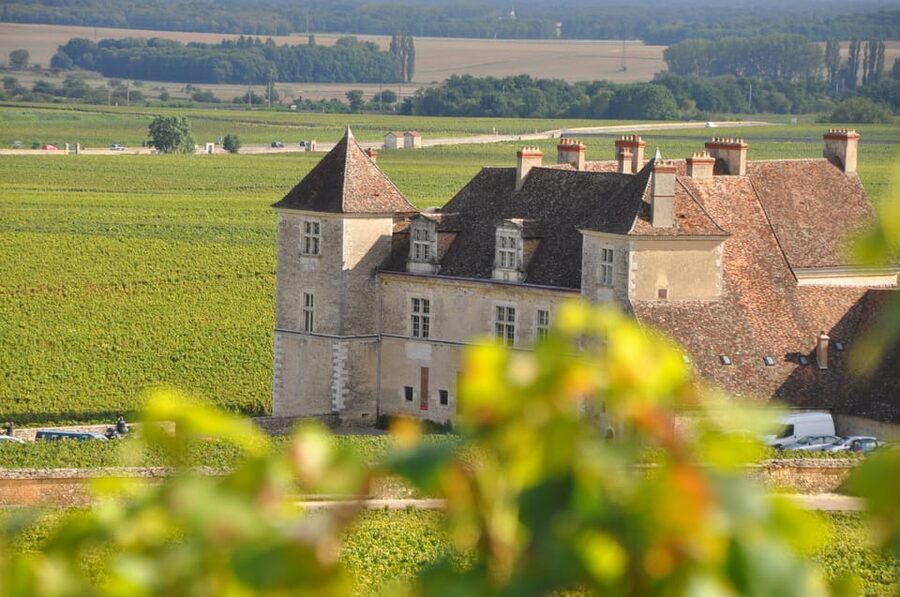
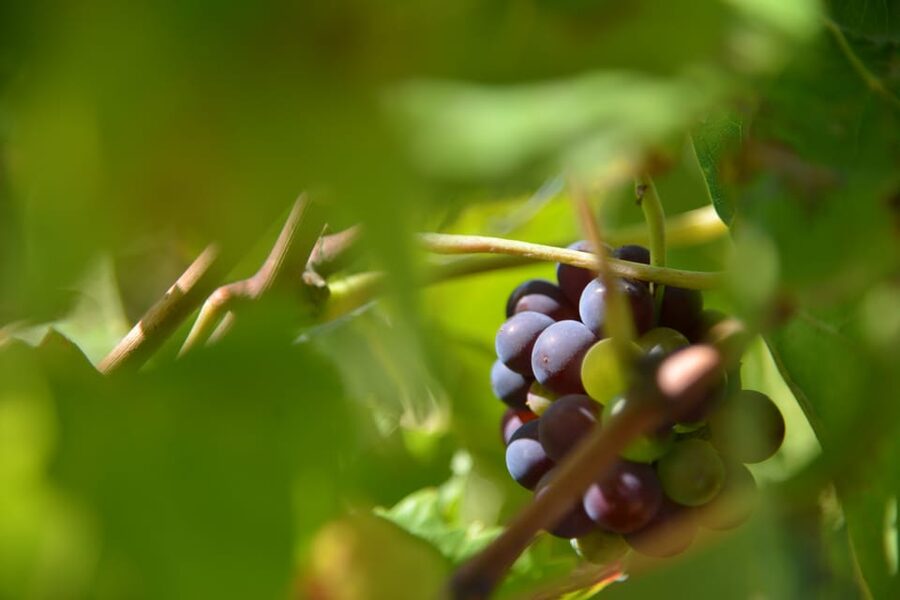
The headline is right on the tin: you’ll taste up to 10 prestige wines during the day. The mix typically includes white wines and Pinot noir, and you should expect some Premier Cru representation.
Here’s why that matters for your learning curve. Burgundy can be overwhelming because labels, villages, and vineyard names can sound like alphabet soup. A well-paced guided tasting gives you a framework:
- You taste and compare styles (not just enjoy one glass).
- Your guide explains what the producer is trying to achieve.
- You start learning how Burgundy’s differences show up in the glass.
If you’re brand-new, don’t worry about knowing terms. Several guides are used to translating Burgundy into plain language. People come away understanding that a lot of the wine “personality” is about the vineyards and winemaking choices, not just the label.
If you’re a regular, you’ll likely appreciate that the tour isn’t random sampling. You’re tasting across the Burgundy spectrum enough to notice patterns—how whites differ from reds, how Premier Cru-level offerings can feel more focused or layered, and how the tannin and acidity balance in Pinot noir plays out.
Inside the Cellars: Oak Barrels and the Reality of Aging
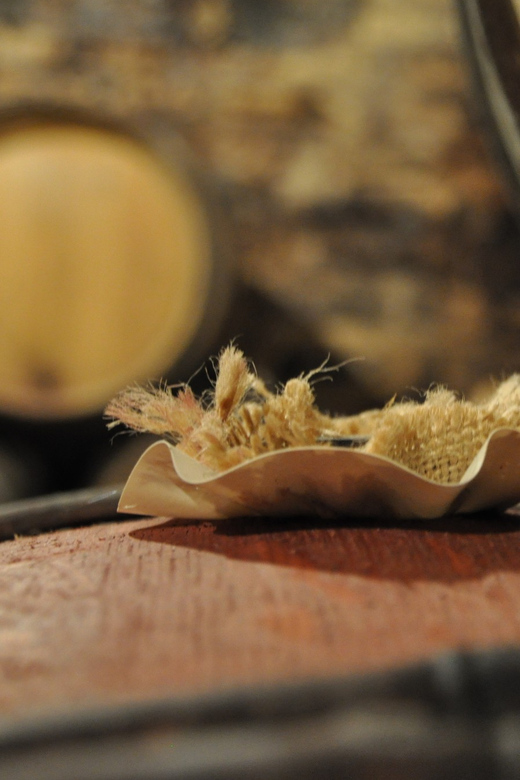
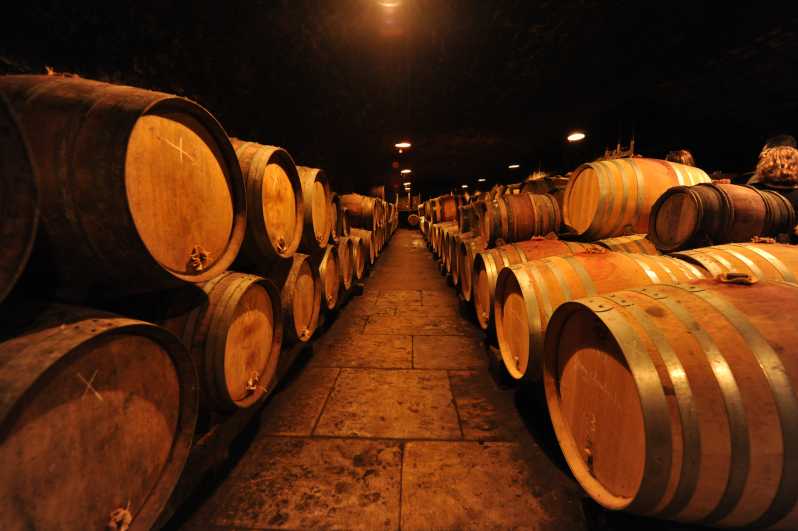
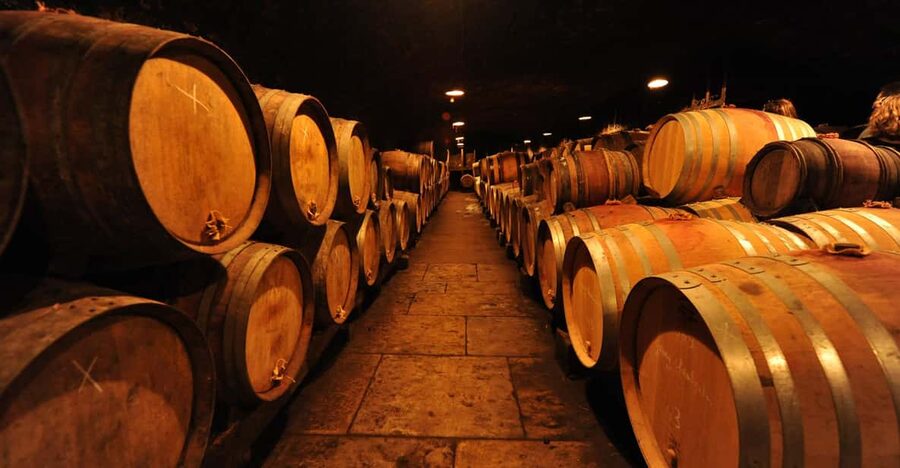
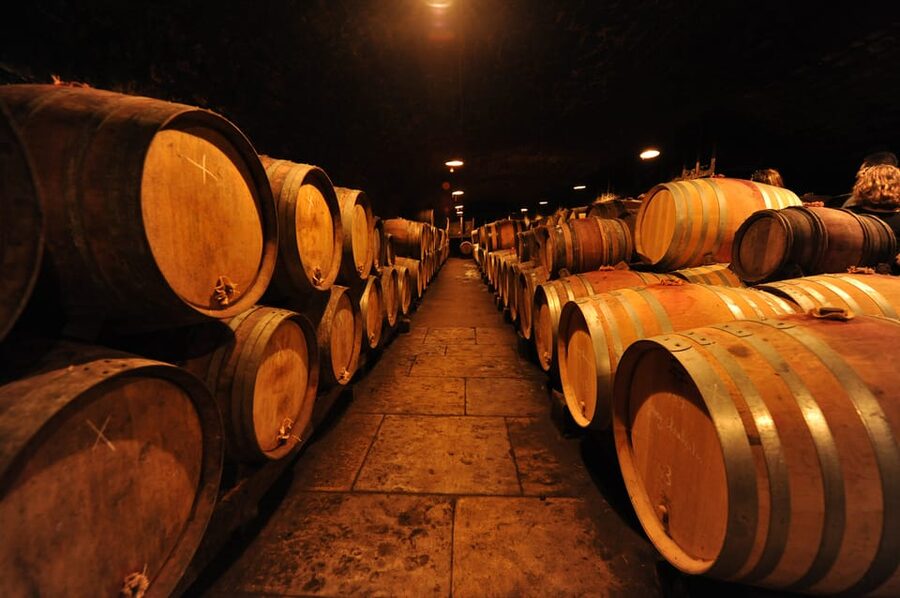
One of the best parts of this day is getting out of photo mode and into production mode. You visit the cellars of a boutique, family-run wine estate, and you’ll see details that are hard to grasp from bottles on a shelf.
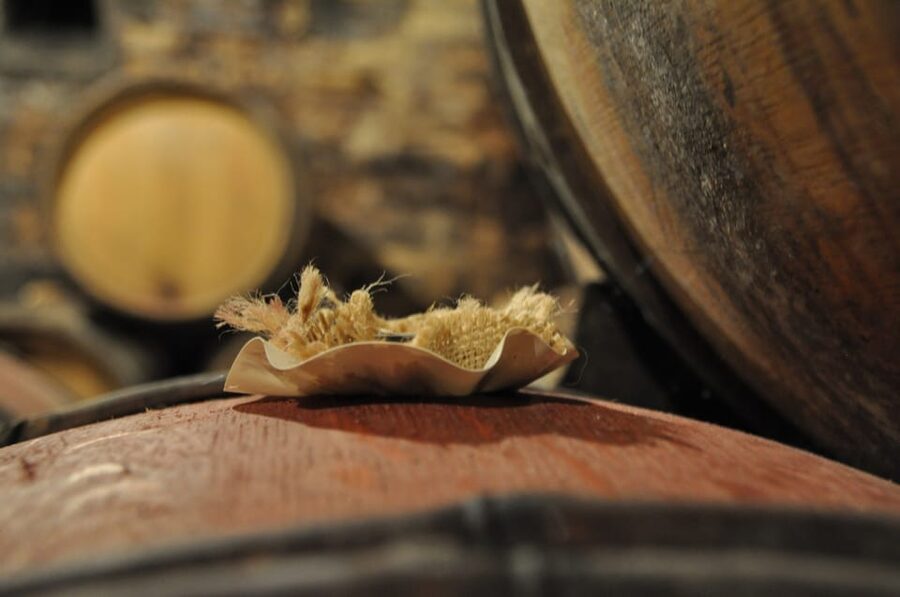
The big visual here is aged oak barrels and stored vintage wines. That’s not just decoration. Oak aging affects aroma, texture, and how the wine develops over time, so seeing the storage setup gives you a practical way to interpret what you’re tasting.
This is also where guides tend to separate the “wine talk” from the “how it’s made” talk. In Burgundy, many producers put a lot of faith in the vineyard and then choose a winemaking approach that supports it. When you understand what’s happening in the cellar, your tasting notes become more than personal preference—they turn into observations.
And yes, the cellar visit adds something fun even if you don’t drink much at home. You get to watch how a small producer thinks, not just how a tasting room sells.
Beaune Time: The Champs Élysées of Burgundy (Plus Lunch on Your Terms)
You stop in Beaune, which is the wine capital of the region. This is your moment to slow down a little—your guide gives you free time, and you can choose what to do with it.
You’ll likely use this window for lunch. Lunch isn’t included, but your guide will recommend places and what to order. One guest described a genuinely authentic lunch at Le Conty, which is the kind of tip that helps you avoid the tourist trap problem you can run into in famous wine towns.
Beaune is also where the day turns from vineyard-focus to street-life focus. Think traditional shops, food souvenirs, and the feel of a town that lives and breathes wine culture.
Practical tip for your free time: pace yourself. If you’re tasting heavily earlier, don’t start your lunch with another full round of drinks. Burgundy rewards restraint—save room for dessert, and keep your last bites slow so the flavors settle.
Mustard Makers of Beaune: Food Culture Worth the Stop
Not all Burgundy souvenirs have to be bottles. One of the most memorable stops is the chance to sample Beaune’s local mustards and visit La Moutarderie Fallot (or the local mustard-makers area connected to Beaune’s mustard tradition).
This is more than a quirky add-on. It’s a Burgundy-specific food habit, and it gives you a different angle on the region than wine alone. Mustard here isn’t an afterthought—it’s tied to local production and a long-running culinary identity.
During this part of the day, you’ll also have time to browse for other classic edible gifts, including:
- blackcurrant liquor
- mustard
- honey spice cake
- Flavigny aniseed
If you’re bringing something home, this is the section where you can buy gifts that actually feel like Burgundy, not like generic French tourist food. And if you’re not traveling home with room for bottles, mustard and candy-based souvenirs are your friend.
Who This Tour Is Best For (And When to Skip It)
This works especially well if you:
- want a guided path through Burgundy without memorizing 50 villages
- like tastings where you also get context, not just wine pouring
- enjoy both wine and food culture in the same day
- prefer a small group over a big bus
It’s also a good fit for people who might feel intimidated by wine talk. Guides in this program often bring a style that makes the subject more relaxed—one guest even described the day as funny and accessible, with plenty of room for beginners to learn without feeling behind.
You might consider a different kind of tour if:
- you expect lunch to be included
- you want lots of long walks with no tasting schedule pressure
- you prefer a single, ultra-focused grand cru stop over a broader sample of styles
In other words: this is a “taste + learn + see the region” day, not a slow meander.
Value Check: Is $171 Worth It Here?
At $171 per person for a 7-hour day with round-trip transport, this isn’t a bargain-bin deal. But it can be strong value for Burgundy, because you’re paying for three things that are hard to DIY efficiently:
- Access: producers and tasting rooms often work better with appointments and insider timing than a random drive-and-hope plan.
- Special handling: tastings and entrance fees are included, so you’re not doing the math mid-day or guessing what extra costs will appear.
- Time: vineyards are where the magic is, and the day is built around getting you to viewpoints and estates without you managing the route.
The “missing piece” is lunch. Since it’s on your own, you control your meal budget and the type of lunch you want—simple and quick, or more sit-down French. Just plan for it so you don’t lose energy halfway through the afternoon.
Overall, I think this price makes sense if you want a guided Burgundy overview with enough wine variety to actually learn, not just collect a few sips.
Should You Book This Burgundy Wine Tasting Tour from Dijon?
I’d book it if you want a classic Burgundy day with real structure: viewpoints on the Côte d’Or, a family-run cellar experience, up to 10 tastings, and a genuine Beaune food-and-shop stop that doesn’t feel like an afterthought.
I’d hesitate if you’re looking for a fully meal-included tour or if you prefer minimal tasting and more wandering. And if your schedule is tight, keep in mind the minimum group size requirement—small-group tours sometimes reschedule when participation is low.
If you’re doing Dijon and want a memorable, education-focused break in wine country, this one has a strong track record and hits the right balance of scenery, flavor, and local culture.
FAQ
What time does the tour leave Dijon?
The tour departs at 9:45 AM and returns at approximately 5:30 PM.
How long is the tour?
It lasts about 7 hours.
How many people are in the group?
It’s a small group, limited to 8 participants.
What will I taste during the day?
You’ll taste up to 10 wines, including white wines and Pinot noir, with some Premier Cru wines included. You’ll also sample Beaune mustards.
Is lunch included?
No, lunch is not included. You’ll have free time in Beaune to buy lunch.
Where do I meet the group in Dijon?
Meet at Maison Divia, 16 Place Darcy, 21000 Dijon, near the Red English Phone Booth.
What’s included in the price?
Transportation, an English-speaking wine expert, wine tastings, and entrance fees are included.
Can I cancel and get a refund?
Yes. Free cancellation is available up to 24 hours in advance for a full refund.
Are pets allowed?
No, pets are not allowed.