REVIEW · CEBU CITY
Cebu City: Historical Street and Food Tour
Book on GetYourGuide →Operated by Realist Filipino Tour Services · Bookable on GetYourGuide
Cebu tastes like history. This Cebu City Historical Street and Food Tour turns a simple walk into a guided timeline, mixing 16th-century sights with hands-on eating. I especially like the street food focus and the way the route lands on major Spanish-era landmarks without rushing the meaning out of them. You get a guided pass through places most people only photograph, but this tour explains what you’re looking at.
The one catch: at about $90 for a 3-hour walk, it’s best if you’re comfortable paying for guidance and safety (small group, English-led, structured pacing). If you mostly want a food crawl, the food feels more like a few carefully chosen tastings than an all-you-can-eat plan, and you should be ready to walk rain or shine.
In This Review
- Key things you’ll notice
- Cebu City Historical Street and Food Tour: A 3-Hour Route That Makes Sense
- Starting at Cebu Farmers Market: Where the Tour Teaches You to Look
- Balut and Street Snacks: Bold Flavors, No Guesswork
- Heritage of Cebu Monument and Metal Sculptures: Learning to See in Plain Sight
- Yap Sandiego Ancestral House (Built in 1680): Coral Stone With a Colonial Twist
- Basilica Minore del Sto. Nino (1565): The Oldest Catholic Church in the Philippines
- Carbon Market and Magellan’s Cross: From Coal to a 1521 Christian Cross
- Cebu Metropolitan Cathedral After WWII: Why Rebuilding Matters
- The $90 Price Tag: What You’re Paying For (And What You Might Skip)
- How the Tour Feels Day-To-Day: Pace, Transport, and Comfort
- Who This Tour Suits Best
- Should You Book This Cebu Street-Food and History Tour?
- FAQ
- How long is the Cebu City Historical Street and Food Tour?
- What does the tour cost?
- How big is the group?
- Is the tour guided in English?
- What food will I try?
- What should I bring, and what’s not allowed?
Key things you’ll notice
- Balut and real street-snack order: Learn what to try, how to eat it, and why it’s such a Cebu thing
- Small group energy: Limited to 10 people, so you can ask questions without getting lost in the crowd
- Coral-stone architecture at Yap Sandiego: Spot the Chinese and Spanish mix at a house built in 1680
- Church stops tied to exact dates: Basilica del Sto. Nino traces back to 1565
- Magellan’s Cross context: Not just a landmark, but the 1521 story of Spanish arrival
- A guide who thinks about safety: Especially useful around markets and central streets
Cebu City Historical Street and Food Tour: A 3-Hour Route That Makes Sense
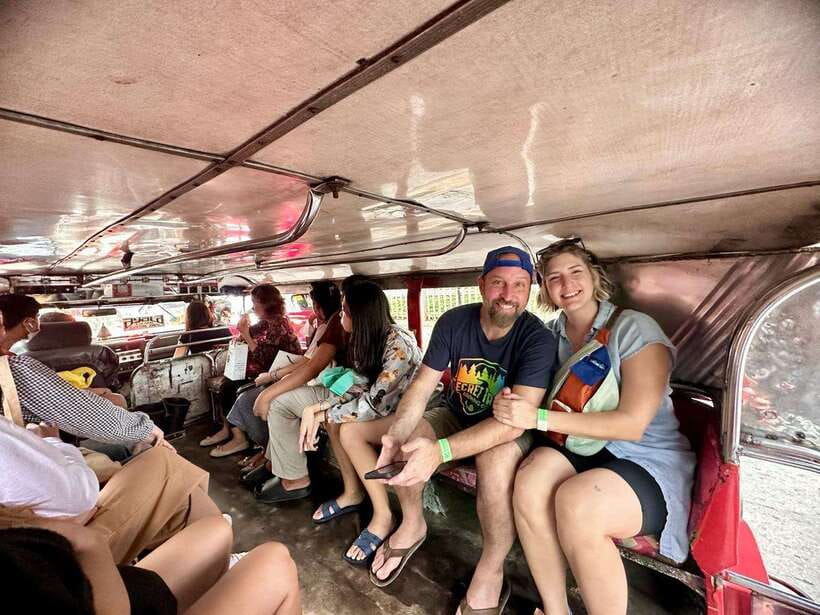
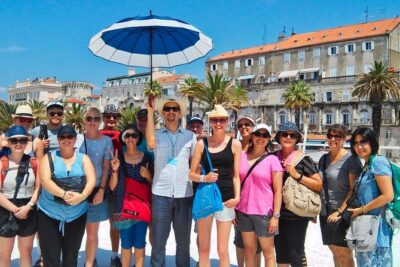
If you have limited time in Cebu City, this tour is built for people who want both story and snacks. It’s a 3-hour walking experience with a live English guide, capped at 10 participants, which keeps it personal enough to ask questions when something doesn’t add up.
The smart part is how the tour connects food to place. Cebu’s markets and street stalls aren’t separate from the city’s colonial past. You start in a food hub, then you move through historic sites that explain who arrived, what they built, and what changed over time. Even the monuments and church stops feel less like random stops and more like a chain of cause-and-effect.
One practical note: you’ll want comfortable shoes. This is an active route, and since it runs rain or shine, you should dress for wet sidewalks and humid walking.
Starting at Cebu Farmers Market: Where the Tour Teaches You to Look
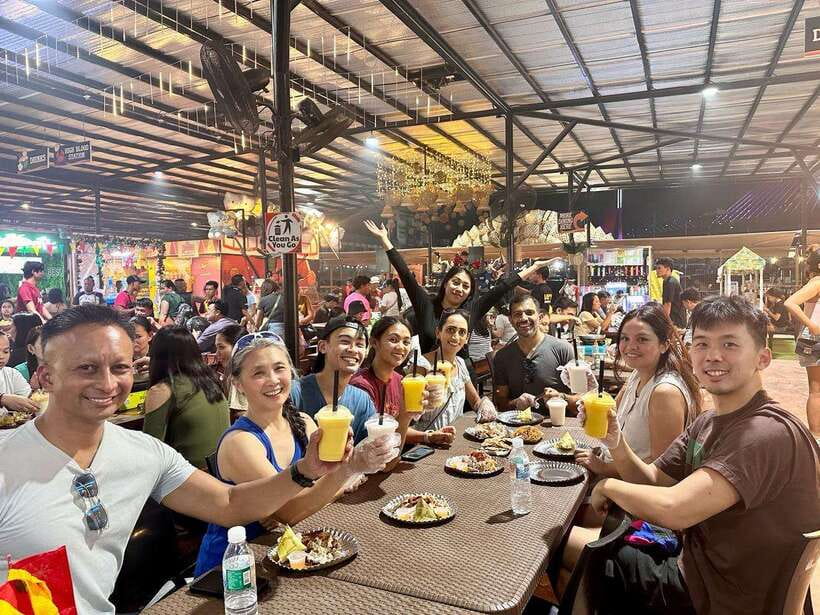
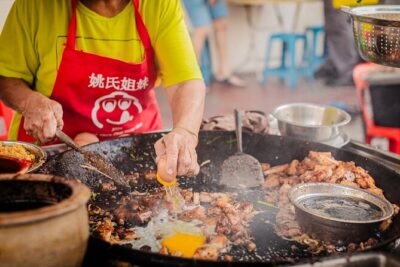
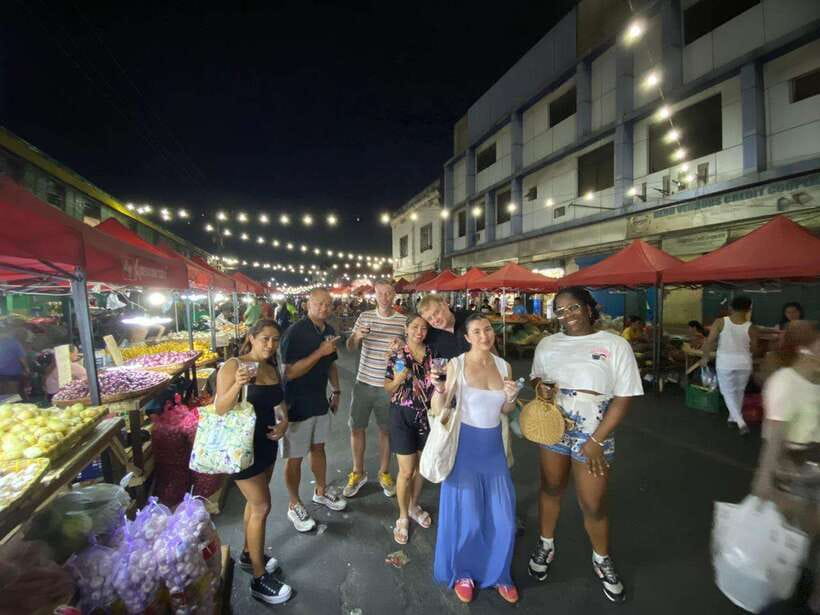
The tour typically begins where locals actually go to shop and snack: the Cebu Farmers market area. This first stop matters because it sets your baseline. Before you even hit the big historical names, you learn how the food culture works here, what’s common, and how to read the stalls like a local.
Your guide also helps you connect what you taste to what you’re seeing around you. Cebu is known for bold flavors and straightforward street cooking, and a guide makes it easier to try things without second-guessing yourself. You’ll also get a quick course in how the tour will move from market energy into older, more “museum-like” streets.
If you’re the type who likes to understand the city before you start snapping photos, this market start is a win. It gives you a reason for the rest of the route, not just a pre-walk warm-up.
Balut and Street Snacks: Bold Flavors, No Guesswork
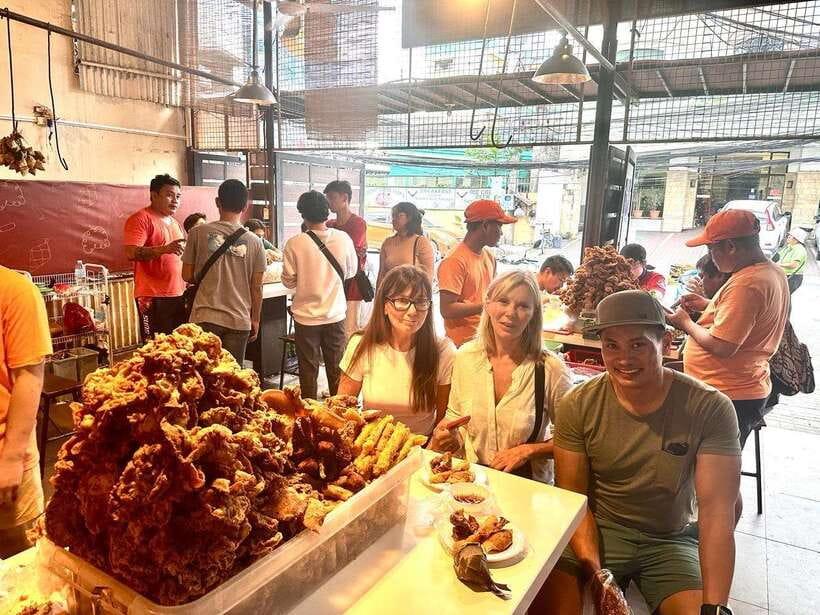
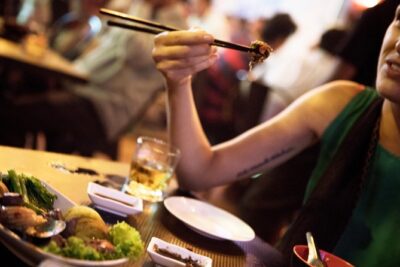
Let’s talk food. The headline taste is balut, a boiled salted duck egg that’s traditionally eaten with salt. If you’ve never tried it, the guide’s job is more than handing you food. You’ll learn what you’re looking at, how people typically eat it, and how to manage the first bite without turning it into a whole emotional event.
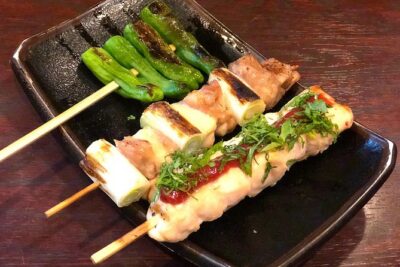
Beyond balut, you’ll sample local delicacies and street food during the walk. The idea isn’t to overload you with every possible Cebu snack. It’s to give you a small set of “this is what Cebu does” tastes, then use those tastes as a thread to understand the city’s everyday life.
Here’s where guides like Kyle, Philip, and Nescian/Nacien tend to stand out in how the experience feels. They keep the pace moving, explain what you’re eating in plain English, and answer questions so you’re not stuck staring at a menu you can’t read. A strong guide also helps you avoid the common mistake of ordering the one thing you can’t actually enjoy.
One caution: street food is street food. If you’re extremely picky about spice levels or texture, tell your guide early so they can steer you toward tastings you’ll feel good about.
Heritage of Cebu Monument and Metal Sculptures: Learning to See in Plain Sight
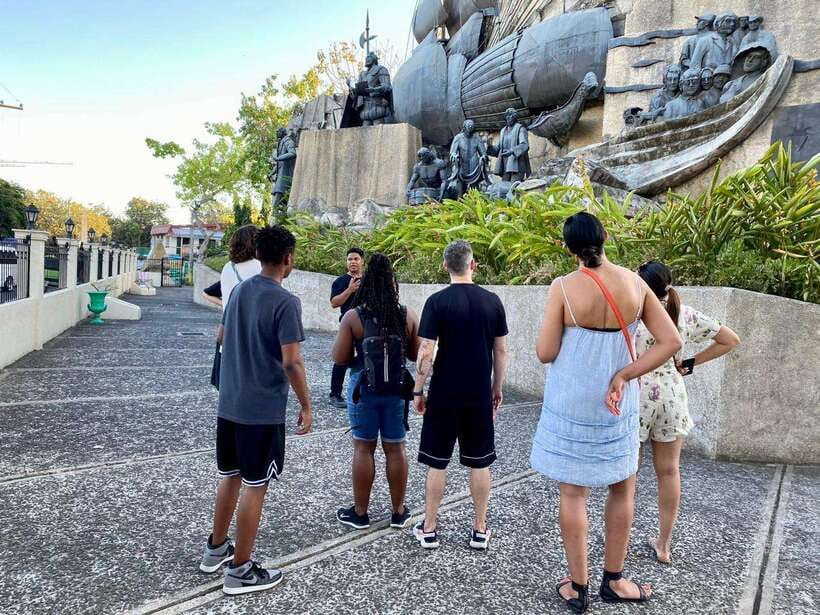
As you move through the city, you’ll hit stops that many people simply pass by. One example is the Heritage of Cebu Monument, where you’ll see metal sculptures connected to the city’s story.
This kind of stop is useful because it changes your photo mindset. Instead of shooting architecture only, you start noticing symbols, materials, and what the monument is trying to remember. A guide helps you connect those “public art” details to the larger Cebu narrative of settlement, trade, and colonial impact.
It also breaks up the walking. Market-to-church-to-market can be mentally heavy. Monuments like this give you a pause while still keeping the story rolling.
Yap Sandiego Ancestral House (Built in 1680): Coral Stone With a Colonial Twist
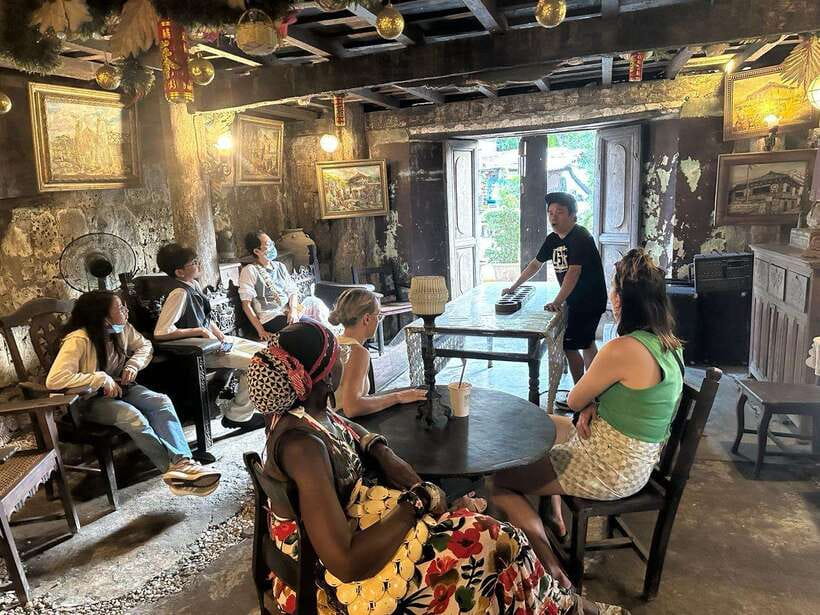
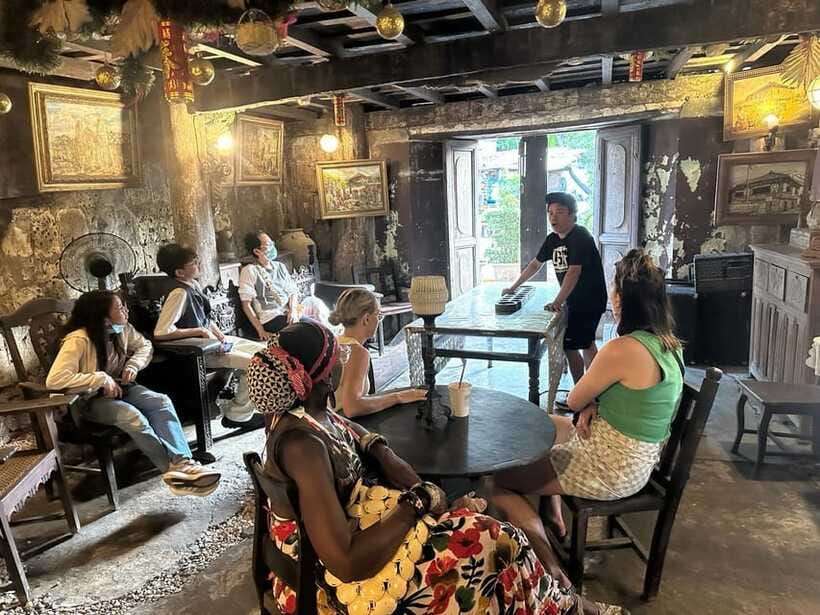
Then comes a standout: Yap Sandiego Ancestral House, built from coral stone in 1680. This is the moment when the tour’s historical side turns from “talk” into “you can see it.”
You’ll get to look closely at a building that blends Chinese and Spanish architecture. That mix matters because Cebu wasn’t just shaped by one influence. You can see layers of design and building logic in the structure itself, which is easier to understand in person than in any pamphlet.
The coral stone construction is part of why this house feels different. Coral stone has a particular look and historical feel, and when you’re guided to notice details, it clicks: this isn’t just an old house, it’s evidence of how Cebu’s wealth and connections worked over time.
Practical tip: bring your camera, but also slow down for 30 seconds when you reach key angles. The building reads better when you’re not rushing for the next stop.
Basilica Minore del Sto. Nino (1565): The Oldest Catholic Church in the Philippines
Next you’ll visit Basilica Minore del Sto. Nino de Cebu, tied to 1565 and known as the oldest Roman Catholic church in the Philippines. That date does a lot of heavy lifting. It’s not a vague “old church” feeling. It’s an anchor point that frames the Spanish era in a way you can actually place on a timeline.
This is one of those stops where the guide’s explanations matter because churches often look similar from the outside unless someone points out what makes this one particular. The tour helps you connect the site to the longer story of Spanish arrival, missionary activity, and how these religious landmarks became part of daily Cebu life.
Also, it’s a great change of pace after the more “residential” feel of an ancestral house. The basilica brings you into a central, active spiritual space, and that shifts the mood of the entire tour.
Carbon Market and Magellan’s Cross: From Coal to a 1521 Christian Cross
Now you hit two iconic landmarks that work well back-to-back: Carbon Market and Magellan’s Cross.
Carbon Market gets its name from the Spanish word for coal, and you’ll learn how it was once a former coal depot. Even if you don’t love industrial history, this stop gives you a Cebu detail you won’t get from a generic city walk. It explains why certain areas developed where they did and why “market” in Cebu isn’t just about food.
Then you go to Magellan’s Cross, where a Christian cross was left by Spanish explorers led by Ferdinand Magellan in 1521. This is the kind of stop where people often treat the cross like a photo prop. On a guided route, it becomes the start of a real story: why it was placed, why it mattered, and why it still pulls people into this part of town.
I like this segment because it blends the monumental with the everyday. You move from a site tied to Spanish exploration into a market area shaped by commerce and labor. It’s history with the volume turned down just enough that you can still feel the city around it.
Cebu Metropolitan Cathedral After WWII: Why Rebuilding Matters
You’ll then walk to Cebu Metropolitan Cathedral. This church was destroyed during the Second World War and rebuilt in the 1950s. That context is crucial. It tells you the city’s story didn’t just stop at the Spanish era. Cebu endured major upheaval and then rebuilt its public center.
From a visitor’s perspective, rebuilding can be easy to gloss over. But when a guide ties the rebuilding date to the visible changes, you understand the cathedral as a living history site, not just an old façade.
This stop also helps you finish the tour with an emotional payoff. You’ve covered early settlement and colonial symbols. Now you get the modern chapter: resilience, repair, and re-centering.
The $90 Price Tag: What You’re Paying For (And What You Might Skip)
The cost is $90 per person for 3 hours, with a guide included. Is it a lot? It can be. And it depends on what you’re optimizing for.
Here’s what you’re paying for, clearly:
- A small group (up to 10), so you can ask questions
- An English-speaking guide who keeps the story and the pacing connected
- Practical help during busier market-area walking, including routes around Carbon Market and nearby central streets
- Food tastings that include balut and other local street food
If you’re someone who likes to self-tour and you can handle navigating on your own, you might feel the tour is more structured than you need. One reasonable concern is that the food can feel like a sampling menu rather than a full meal plan, and at almost $100, some people will expect more quantity or a bigger variety spread.
But if you care about learning what each landmark means and you value safety and smooth logistics, the price starts to make sense. Short guided city tours like this are less about “seeing more places” and more about seeing the right reasons behind the places you do visit.
Also worth noting: this tour includes a pickup, but it’s not a hotel transfer. You’ll meet in a designated area, and you’ll want to plan your own way to that meeting point.
How the Tour Feels Day-To-Day: Pace, Transport, and Comfort
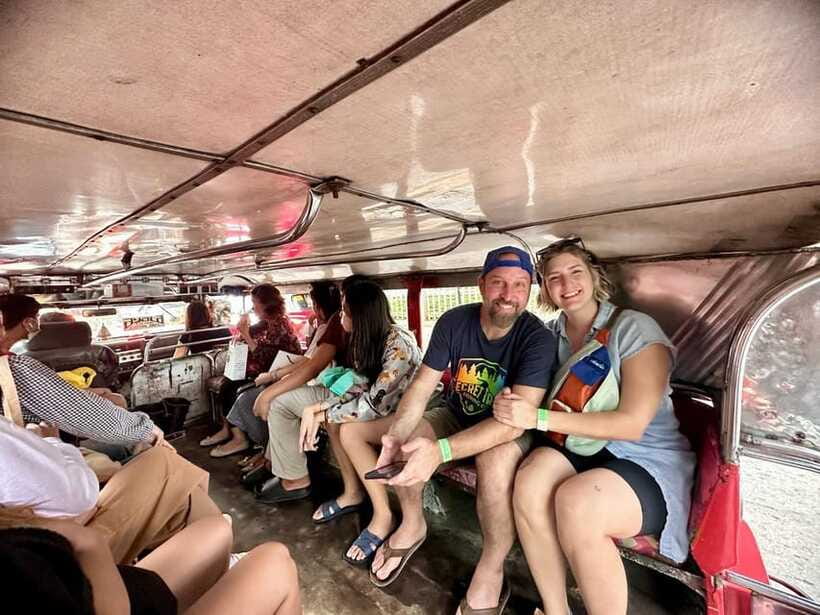
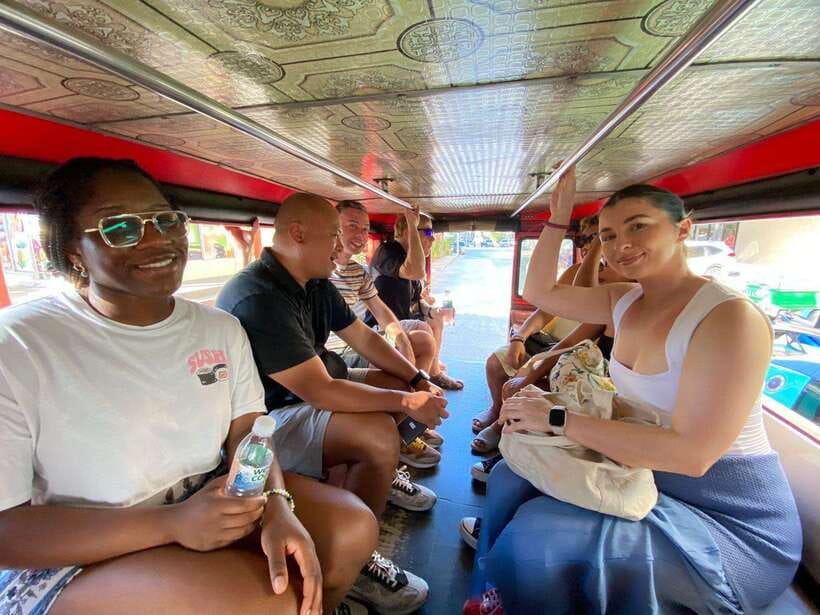
The route is designed to be manageable in a tight time window. In practice, you may also take short rides on local buses between stops, which helps you conserve energy and still keep the story going.
Because it runs rain or shine, the real comfort test is footwear and clothing. Wear shoes you can handle on wet pavement and humid conditions. You’ll also want your cash ready for any small extras you might want, since the guide’s food tastings don’t necessarily cover everything you’ll crave later.
One more item: no jewelry is listed as not allowed. If you’re traveling light, leave the shiny stuff at home and keep the day focused on moving and eating.
Who This Tour Suits Best
This tour is a strong match if you:
- Want a short, guided way to experience Cebu City’s historic core
- Like street food but don’t want to guess what to order
- Appreciate seeing exact-date landmarks, like the church tied to 1565 and the cross tied to 1521
- Travel solo and prefer a guide to handle route logic and safety questions
It may be less ideal if you:
- Think of food tours mainly as big eating experiences
- Hate walking in the rain and don’t want any schedule flexibility
- Plan to cover the same sites independently anyway and don’t care about guided explanations
Should You Book This Cebu Street-Food and History Tour?
Book it if you want the best version of a “hit the highlights fast” day: market start, tastings like balut, and then real context at sites such as Yap Sandiego Ancestral House (1680), Basilica Minore del Sto. Nino (1565), Magellan’s Cross (1521), and the cathedral rebuilt in the 1950s. The small group size and the English-led guidance are what make the walk feel smooth.
Skip it if you’re a do-it-yourself type and you’d rather spend your time and money on a longer independent food crawl. In that case, you might get enough out of reading up on the landmarks and eating on your own.
My practical advice: if you only have a few hours in Cebu City and you want both story and taste, this tour is a sensible use of time.
FAQ
How long is the Cebu City Historical Street and Food Tour?
The tour lasts about 3 hours.
What does the tour cost?
It’s priced at $90 per person.
How big is the group?
The group is small, limited to 10 participants.
Is the tour guided in English?
Yes, you’ll have a live English-speaking guide.
What food will I try?
You’ll sample local street food, including balut (a boiled salted duck egg), plus other local delicacies during the walk.
What should I bring, and what’s not allowed?
Bring comfortable shoes, a camera, comfortable clothes, and cash. Jewelry is not allowed, and the tour runs rain or shine.