Tokyo stops being a museum at 4:30. This Shimbashi walking food tour is all about the after-work salaryman mood, with you eating and socializing as you move from place to place. I like that it’s not just about food facts—it’s about how the evening flows in a real Tokyo neighborhood.
I especially like the hands-on izakaya style tastings. You get five food stops with local and seasonal bites, plus two drinks included, so you’re not stuck paying for everything while you figure out what to order. And because the group is capped at 10, the guide can actually explain what you’re eating and how to do it.
One possible drawback: at $217 for about 3 hours, you’re paying for guided access and tastings, so it may feel pricey if you’re expecting huge portions or you need a strict diet. It’s not recommended for vegans or gluten-free diners.
In This Review
- Key highlights to know before you go
- After-work Shimbashi: what the evening is really like
- Price and value: does $217 make sense for 3 hours?
- Your route from SL Square to Shimbashi Station
- The walk-through stops: shrine vibes, old rails, and Hamarikyu
- The 5 tastings and 2 included drinks
- Guide power: manners, ordering help, and real talk
- Dietary fit, pacing, and who this tour is best for
- Karaoke option and your extra-spend reality
- Should you book this Shimbashi after-work walking food tour?
- FAQ
- How long is the Shimbashi walking food tour?
- What does the tour cost?
- What’s included in the price?
- Where does the tour start and end?
- Is it suitable for vegetarians or vegans?
- Is the tour adults only?
Key highlights to know before you go
- Small group (max 10) keeps the pace friendly and conversation possible
- 5 food stops + 2 drinks included means less guesswork and fewer add-on costs
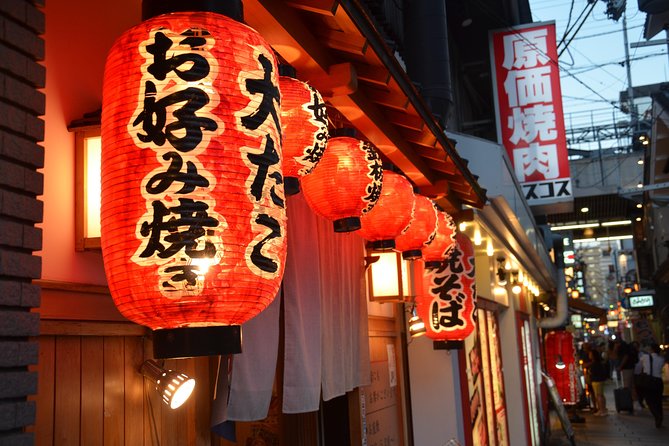
- Shimbashi after-work vibe lets you eat where locals wind down
- English-speaking local guide shares eating manners and what to look for
- Route mixes shrine, station history, and gardens so it’s more than restaurant hopping
- Karaoke after party is optional, if you want to keep the night going
After-work Shimbashi: what the evening is really like
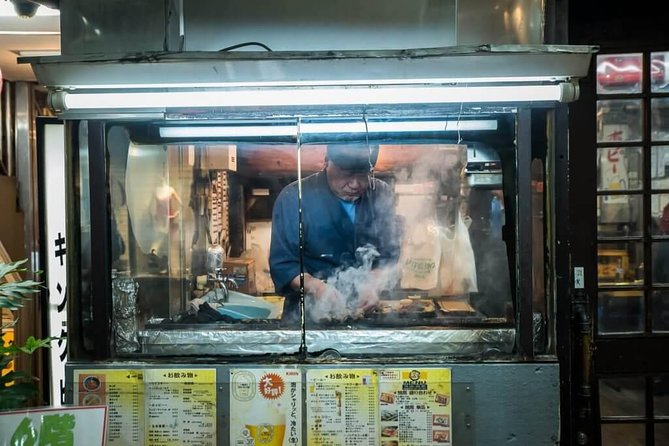
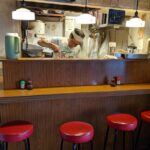
This tour is built around quitting time in Tokyo. Starting in the late afternoon, you’ll walk into an area that still pulls locals after work, especially office workers who want quick food, drinks, and a little social release. Shimbashi has that mix of train-station energy and down-to-earth drinking alleys. That’s what I found most useful: you’re not just watching Tokyo from the sidewalk—you’re learning how people actually eat here.
I also like how the tour treats the meal as a group activity. You’re not only collecting bites; you’re tagging along while the guide explains how to order, how to handle small menus, and how to fit into the rhythm of an izakaya. Even if your Japanese is limited, the guide helps you stay confident and not feel awkward.
One more thing that matters: you’re moving. This isn’t a sit-straight-through dinner. It’s a 3-hour walking plan that keeps you active, changes the scene between tastings, and helps you feel like you’re covering a neighborhood—not just repeating a single restaurant experience.
You can also read our reviews of more walking tours in Tokyo
Price and value: does $217 make sense for 3 hours?
At $217 per person, this is not a budget snack crawl. But it can still feel fair when you look at what’s included: a local English-speaking guide, five food stops, and two drinks. That’s a big part of the value in Tokyo. Izakayas often look simple from the outside, but figuring out what to order, what’s seasonal, and where to go can turn into time-consuming guessing.
Also, the tour limits the group to 20 years old and above, with a maximum of 10 people. That usually means less chaos inside tiny dining spaces and more attention from the guide. If you’ve ever tried to plan your own Shimbashi night out—finding the right den-like spot, reading menus, and keeping it all in walking distance—you’ll understand why a guided plan costs more.
What I’d watch for: this price assumes you’ll enjoy the format. If you’re the type who wants one big meal instead of multiple tastings, you might leave wanting more food volume (or different dishes). And while it’s pescatarian and vegetarian friendly, it’s not recommended for vegan or gluten-free needs. If your diet is strict, the “value” question becomes whether the tour can actually work for you.
Your route from SL Square to Shimbashi Station
The tour starts at 4:30 pm at the Shinbashi area, with the meeting point around SL Square near Shimbashi Station West Entrance Square. You’ll also see the tour tied to an address in Shinbashi (Minato City), and it ends near JR Shimbashi Station. The timing is the point: 4:30 pm hits that sweet spot where restaurants are gearing up and office crowds start to gather.
Before the eating really takes over, you’ll walk through a mix of spots that add context to the neighborhood. This matters because Shimbashi can feel like a blur if you only focus on the bars. The route gives you a sense of what’s around you: station history, local religious space, and the everyday layers of Tokyo that locals pass without thinking.
You’re also on a walking schedule with a moderate fitness level requirement, so wear shoes you can move in for an evening. This kind of tour is less about big distances and more about lots of short transitions—standing, entering small places, and keeping a steady pace.
One practical note: it uses a mobile ticket, and it’s near public transportation. If you’re coming in from elsewhere in Tokyo, this is the kind of meeting point that’s easier to anchor than a hidden alley location.
The walk-through stops: shrine vibes, old rails, and Hamarikyu
Not every stop is a meal stop. The route includes a few “pause and look” points that make the evening feel grounded in the real neighborhood.
You pass Karasumori Jinja, which brings a quieter, local-side feel to the walk. It’s a reminder that Shimbashi isn’t only about nightlife; it’s layered over daily life.
Then you’ll go by the New Shinbashi Building and Advertising Museum Tokyo. The advertising angle is a fun contrast to izakayas. Tokyo’s street culture and storefront messaging are part of how the city works, and seeing an advertising-focused stop helps you read the neighborhood like an insider.
One of the most interesting on-route landmarks is the Old Shimbashi Station Railway History Exhibition Hall. Even if you’re not a train nerd, this kind of stop helps you understand why Shimbashi still feels like a station-driven district—its identity is tied to movement, work schedules, and connecting lines.
Finally, you reach Hamarikyu Gardens. This is a good reset during the evening. Gardens can give your eyes a break before the food stops start stacking up. It also adds a surprising calm layer next to the nightlife portion.
And then you shift back into Shimbashi proper for the main “eat and drink like locals” portion.
The 5 tastings and 2 included drinks
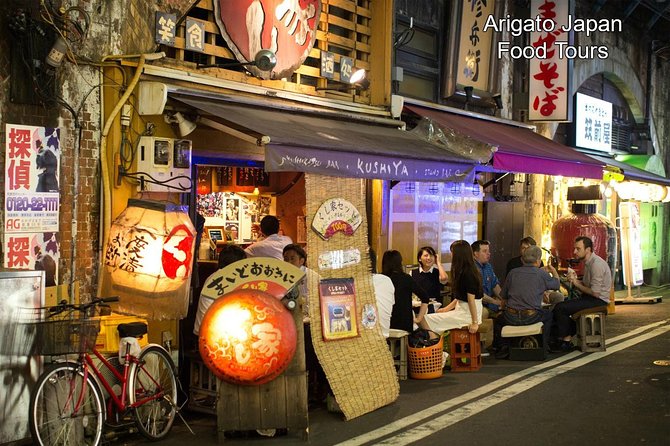
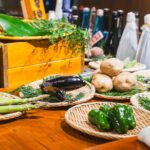
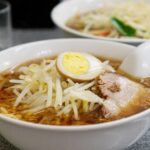
Across the tour, you’ll have five food stops with local and seasonal dishes. The food lineup you should expect centers on classic Japanese drinking food, the kind people order while they’re chatting and switching between bites.
Based on what the tour is built around, plan on trying a mix such as:
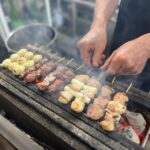
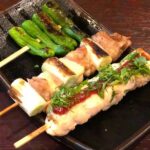
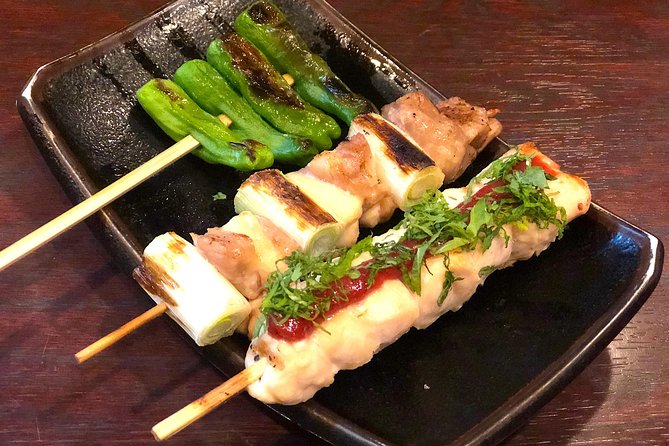
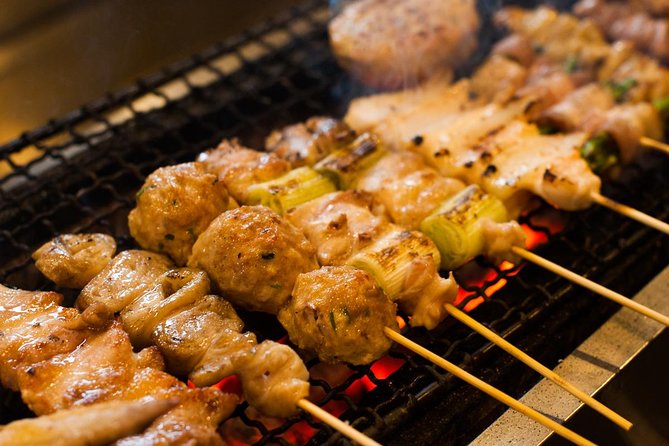
- Yakitori (grilled skewers)
- Gyoza (dumplings), including a hot-pot style option like gyoza nabe
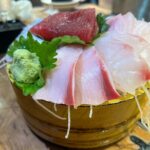
- Sashimi
- Okonomiyaki (savory pancake)
- Taiyaki (fish-shaped dessert)
I like that you’re not repeating the same category. Skewers and dumplings handle the savory base, sashimi adds freshness, and okonomiyaki plus taiyaki give you variety across the evening—from salty to sweet.
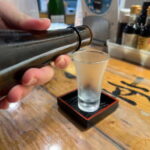
You’ll also get two drinks included. The tour language leans toward the beer-and-skewers vibe of salaryman nightlife, so you can expect the drinks to fit the food style. What’s not included is anything beyond those two drinks, so if you’re a heavy drinker, budget for extras.
One thing to consider: multi-stop tasting tours can vary by restaurant. If one stop lands less for your tastes, the rest can still carry the experience, but your personal score may shift. If you’re picky about texture or cooking level (especially with dishes like grilled chicken), tell the guide what you prefer early so they can steer you toward what you’ll enjoy.



Guide power: manners, ordering help, and real talk
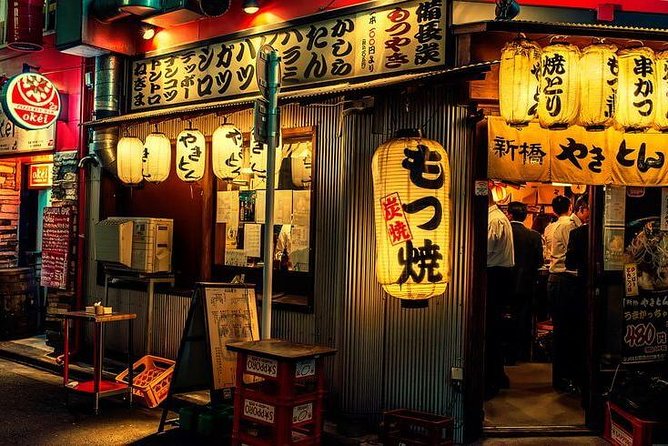
A major reason these tours work is that the guide turns a restaurant meal into a small lesson. This tour includes a local English-speaking guide, and that support is more than translation.
In particular, guides tend to cover customs and manners. That matters because izakayas often feel informal from the outside, but there are still norms that make you feel comfortable once you know them. Even simple things—how to approach ordering, how to handle the pace of small plates, and how to keep things moving—can change the whole evening.
You might meet guides like Asami, with an assistant Lora, based on past tour experiences. Another guide you could run into is Anne. I can’t promise which guide you’ll have on your date, but the consistent theme is that the guide role is part host, part translator, and part guide to the neighborhood.
This is also where the small group size pays off. When you’re only around a handful of people, you can ask questions without feeling like you’re holding up a big crowd. If you want to understand why Shimbashi feels different from other parts of Tokyo, this is where you’ll pick it up.
Dietary fit, pacing, and who this tour is best for
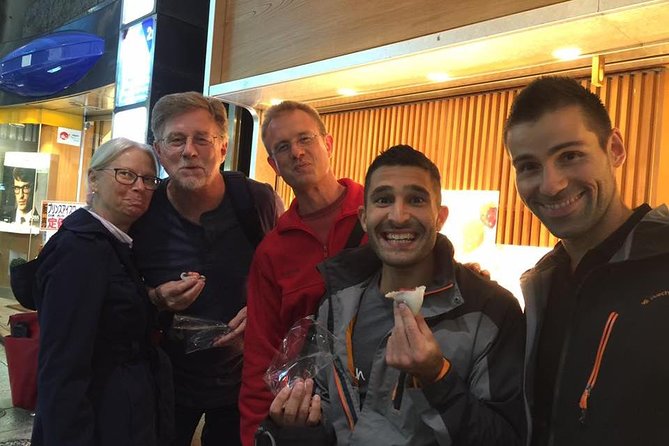
This tour is described as pescatarian and vegetarian friendly. That’s a strong plus because many food tours in Tokyo are built around meat-first ordering. It’s also useful if you eat a mix but want options beyond just one safe dish each stop.
But it’s not recommended for vegans and gluten-free. So if you’re plant-based or strictly gluten-free, I’d treat this as a “maybe” at best, unless you confirm what can be handled at each stop. The five-stop format depends on what the restaurants can serve, and the tour states those dietary needs may not be supported.
Pacing is another fit factor. You should have moderate physical fitness. The walking is a big part of the experience, and the evening includes moving between several locations, plus time inside small spaces.
Best match:
- You want Tokyo after work, not a daytime food checklist
- You’re comfortable eating multiple small tastings
- You want a local guide to handle ordering and manners
- You eat meat, fish, or at least pescatarian/vegetarian options
Less ideal match:
- You need vegan or gluten-free meals
- You want one sit-down restaurant meal instead of moving around
- You’re nervous about social dining in casual spots (the guide helps, but the style is still social)
Karaoke option and your extra-spend reality
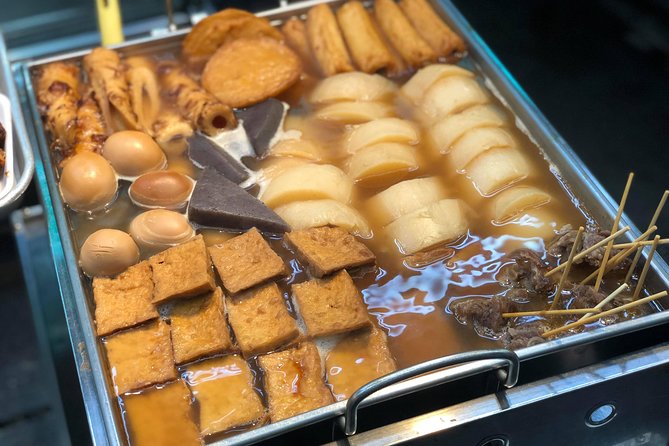
The tour notes that a karaoke after party is available. That’s not required, but it’s part of the way these evenings can keep going after the structured tastings end. If you like group fun, it can be a memorable way to experience Japanese nightlife culture beyond food.
Just plan your budget honestly. Additional drinks or food aren’t included beyond the two drinks and the five tastings. That means you’ll get to choose how far you want to extend the night once the included portion finishes.
Also, since this is for adults 20 and above, the vibe is typically more geared toward that post-work social energy than a family-friendly evening. If you’re hoping for something quiet and museum-like, you might want a different type of Tokyo tour.
Should you book this Shimbashi after-work walking food tour?
Book it if you want a guided Shimbashi night that actually feels like quitting time. The combination of five food stops, two included drinks, and a local English-speaking guide is the main draw, and it’s designed for people who want authentic, everyday izakaya culture rather than a generic tasting schedule.
Pass or switch plans if:
- you’re vegan or gluten-free (the tour says it’s not recommended)
- you’re expecting big restaurant meals instead of multiple tastings
- you’re very budget-sensitive at $217 for about 3 hours
If you do book, I’d show up ready to eat, walk, and ask questions. And if you have dietary limits, message the operator ahead of time so you’re not stuck figuring it out at the first door.
FAQ
How long is the Shimbashi walking food tour?
The tour is about 3 hours.
What does the tour cost?
It costs $217.00 per person.
What’s included in the price?
You get 5 food stops with local and seasonal food, plus two drinks included, and a local English-speaking guide.
Where does the tour start and end?
It starts at the meeting point in Shinbashi (SL Square / Shimbashi Station West Entrance Square area) and ends at Shimbashi Station near JR Shimbashi Station.
Is it suitable for vegetarians or vegans?
It is described as pescatarian and vegetarian friendly. It is not recommended for vegans.
Is the tour adults only?
Yes, it’s for adults only, 20 years old and above.