REVIEW · CHANIA
The Delicious Chania Street Food Tour
Book on Viator →Operated by ALMA DE CRETA OE · Bookable on Viator
Food tours in Chania are easy to love. I especially enjoyed the pomace brandy and goat cheese stop at the market and the dark, sweet Greek coffee on Splantzia Square, where the flavors come with stories. This is a half-day walk that mixes eating with a real sense of how Chania’s layers (Venetian and Ottoman) show up in everyday life.
One catch to note: this tour is not suitable for gluten-free guests, so if you need gluten-free options, plan carefully before booking.
In This Review
- Key moments that make this tour worth it
- Chania street food with history baked in (not just a snack parade)
- Getting started near the bougatsa you’ll be craving later
- Venetian Lighthouse and Hassan Pascha Mosque: short stops, big context
- Splantzia Square Greek coffee: the sweet-dust stop you’ll remember
- Municipal Market of Chania: goat cheese, raki, and pomace brandy
- Old Venetian Harbor and Old Town lanes: architecture plus snack pace
- What you’ll actually eat: pastries, cheeses, olives, sweets, and souvlaki
- Private-guide perks: more questions, better food choices
- Walking logistics and timing: how to make the 4 hours feel easy
- Price and value: is $108.89 fair for four hours?
- Should you book the Delicious Chania Street Food Tour?
- FAQ
- How long is The Delicious Chania Street Food Tour in Chania?
- Is this tour private or will I join other travelers?
- What’s included in the tour?
- Is hotel pickup included?
- Where does the tour start and end?
- What language is the tour offered in?
- Is there a minimum drinking age?
- Is the tour suitable for gluten-free guests?
- Does the tour depend on weather?
- What’s the cancellation policy?
Key moments that make this tour worth it
- Pomace brandy and goat cheese at a local market stop
- Dark, sweet Greek coffee at historic Splantzia Square
- Raki and cheese tastings plus plenty of snack-sized bites
- Venetian Lighthouse + Hassan Pascha Mosque exhibition quick cultural stops
- Private guide just for your group, so questions are welcome
- A snack-heavy route with bougatsa, kaltsounia, olives, desserts, and souvlaki
Chania street food with history baked in (not just a snack parade)
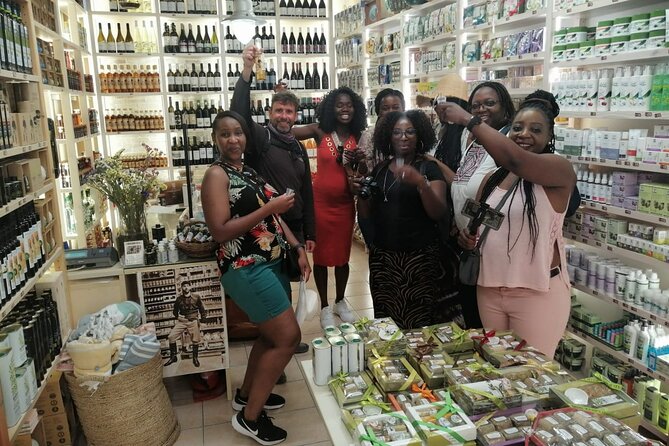
If you want to eat your way through Chania’s old streets, this is one of the smarter formats. You’re not standing in one spot with a paper plate. Instead, you’re walking between landmarks and food stops, which makes the tastes feel tied to place. That matters in Chania, where the city’s look and the food culture both came from centuries of trade and mixing.
I also like the pacing. You get multiple tastings, plus a satisfying savory highlight like souvlaki, without turning the whole day into a food competition. The tour is about sampling widely—cheeses, olives, pastries, sweets, and spirits—so you leave with a mental map of what Crete tastes like.
Price-wise, $108.89 per person for roughly four hours sounds steep until you look at what’s included: a local guide, Greek coffee, raki and cheese tasting, and a list of snack foods that go beyond the usual one-or-two stops. You’re paying for access to the right places, plus the guide who helps you understand what you’re eating and why it fits the neighborhood you’re in.
You can also read our reviews of more food & drink experiences in Chania

Getting started near the bougatsa you’ll be craving later
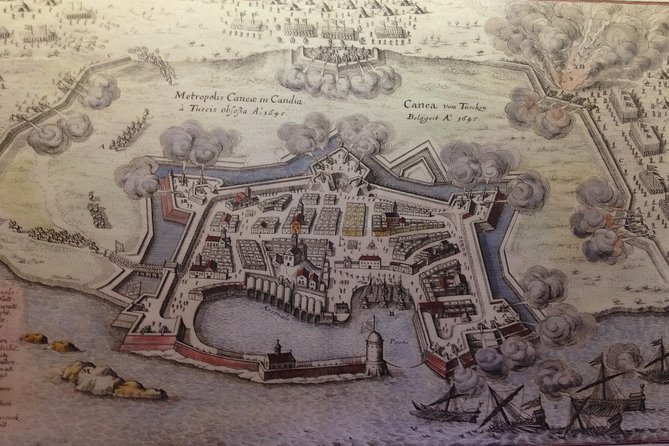
The meeting point is Bougatsa Chania, Apokoronou 37. From there, you start moving through Chania’s Old Town and historic zones, building momentum fast. If you’ve been walking around already, good—you’ll recognize the general vibe. If you haven’t, you’ll get your bearings quickly because the route funnels you toward the key cultural sights and the food-focused areas.
No hotel pickup is included, so plan to arrive on your own. The good news: it’s near public transportation, which makes it easier to pair with the rest of your day. Also, since it’s a private activity, you’re not stuck waiting behind a large crowd.
One practical tip: this tour is built around tasting. So keep your lunch-light before you go. You’ll thank yourself when the second or third stop arrives and you realize how filling “snacks” can be.
Venetian Lighthouse and Hassan Pascha Mosque: short stops, big context
The tour starts with a quick look at the Venetian Lighthouse. You’ll spend about five minutes here, but it’s a useful warm-up because it sets the coastal, Venetian connection early. Even in a short time, you’re reminded that Chania’s history isn’t background noise—it’s part of the streets you’re walking.
Then you head to the Hassan Pascha Mosque for a stop that includes access to the exhibition inside the mosque. This is another brief pause (around five minutes), and it’s valuable because it connects the city’s Ottoman chapter to everyday life. You’re not getting a full museum day. You’re getting enough to make the rest of the food stops feel more grounded.
Why these quick culture hits work: they prevent the tour from becoming only about taste. You get a sense of what powers the city’s identity, and then the guide can tie that identity back to the food you’re about to eat.
Splantzia Square Greek coffee: the sweet-dust stop you’ll remember
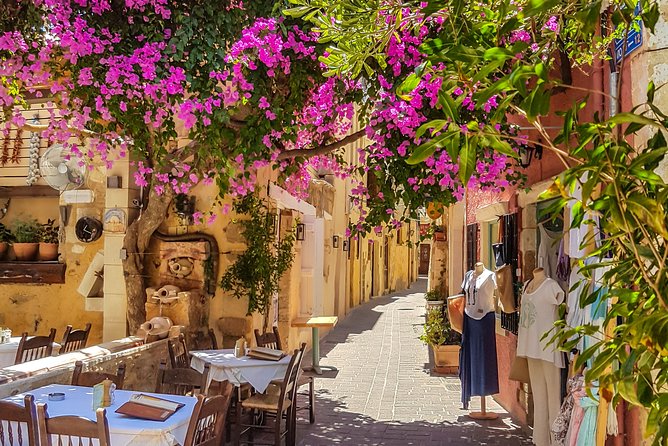
Next comes Splantzia Square, with a break for traditional Greek coffee. You’ll have about twenty minutes here. This stop is more than caffeine. It’s a social moment—an anchor point in a historic public space—where the guide can talk about how people in Crete actually spend time and what kinds of drinks fit meals and conversations.
Greek coffee in Crete is often dark and sweet, and it has a distinct feel compared to lighter coffee styles you might be used to. It’s also an easy reset for your body before the next tastings, because you’ll likely get more intense flavors coming up (cheese, raki, and pastries).
This is also a good place to ask questions. Since this is offered as a private tour/activity, you’re not fighting the flow of strangers to get answers. Want to know what to order later in a restaurant? Ask here and you’ll get practical guidance you can use that same evening.
Municipal Market of Chania: goat cheese, raki, and pomace brandy
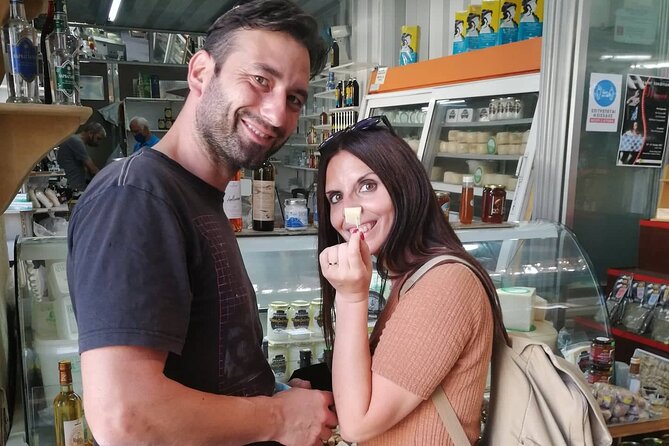
The biggest payoff for food lovers is the market stop at the Municipal Market of Chania. Expect around fifteen minutes here as you stroll through stalls and sample local items.
This is where the tour leans hard into true Cretan identity. You’ll taste goat cheese and raki, and the highlights also point to sampling Cretan pomace brandy. That pairing is a classic way to experience Crete’s flavor habits: dairy and spirits together, not as a gimmick, but as a cultural rhythm.
A word of caution: raki and pomace brandy are alcohol, and the tour notes the minimum drinking age is 18. Even if you’re not drinking much, you might still want to pace yourself. If you’re sensitive to spirits, you can likely moderate your tastings, but the overall experience is built around those samples.
Why I think this market segment is worth it: you’re not just being handed food. The guide’s job is to translate what you’re tasting into meaning—how these products show up in everyday meals, family traditions, and local preferences. That makes the difference between remembering a flavor and understanding how to order it later.
A few more Chania tours and experiences worth a look

Old Venetian Harbor and Old Town lanes: architecture plus snack pace
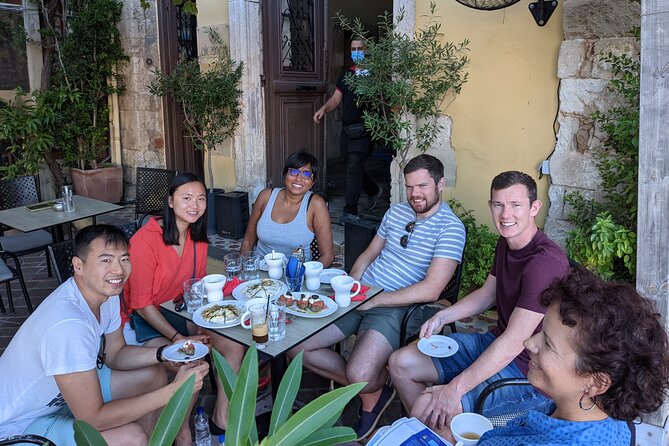
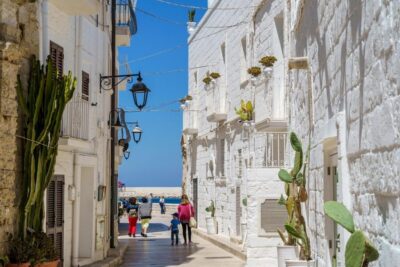
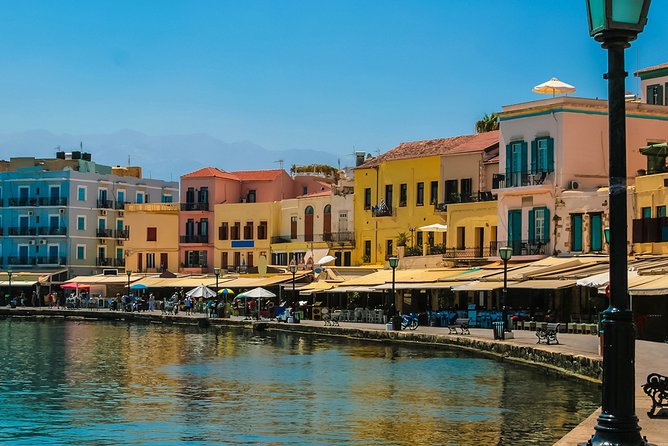
After the market, you move toward the Old Venetian Harbor area, then into the little streets of Old Town. This section lasts about thirty minutes, and it’s where the tour becomes more of a stroll with purpose.
You’ll admire Venetian buildings and then walk through the maze-like back streets. That matters in Chania because the best eating areas often aren’t the loud, obvious main roads. The guide helps you move at a casual pace while keeping you oriented—so you’re not spending your energy trying to figure out which street is which.
This is also where you should expect more food moments, including the tour’s included snacks such as olives, kaltsounia, and desserts. One of the included savory tastes is authentic Greek souvlaki, which tends to feel like the “main event” bite even though the tour is still structured as tastings.
A small practical consideration: because this is a walking tour, you’ll want comfortable shoes. Old Town surfaces can be uneven, and you’ll be moving between stops long enough that your feet will notice.
What you’ll actually eat: pastries, cheeses, olives, sweets, and souvlaki
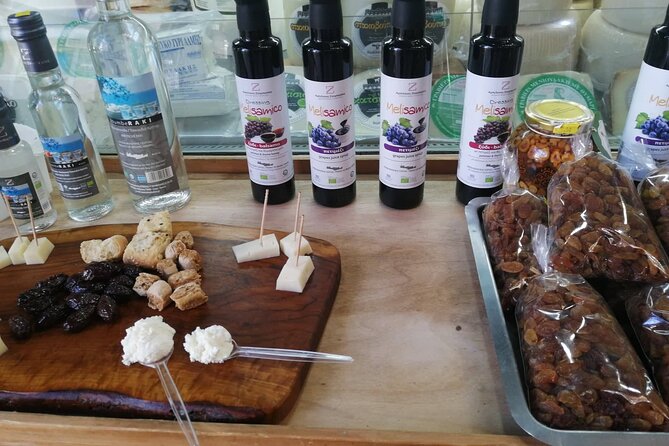
This tour is “street food” in the real sense: you’ll bounce between counters, stalls, and local spots, sampling more than one category of food. Included items are:
- Greek coffee
- Raki and cheese tasting
- Coffee and/or tea
- Snacks, including bougatsa, local cheeses, olives, Cretan kaltsounia, local desserts, and authentic Greek souvlaki
Here’s how that helps you as a traveler. Instead of trying to guess what’s best at a single restaurant, you’ll taste a range: pastry, savory, sweet, and spirits. That means when you later see bougatsa or kaltsounia on a menu, you’ll actually recognize what you’re looking at.
From the guide side, the names that come up in feedback include people like Manos, Eleni, Adonis, and Aliki (and others such as Sophie, Goldie, and Aria). You won’t necessarily get the exact same person, but the consistent pattern is clear: the guide’s job is to connect the food to the city’s story and traditions—so the tour feels like Chania, not just a list of bites.
Private-guide perks: more questions, better food choices
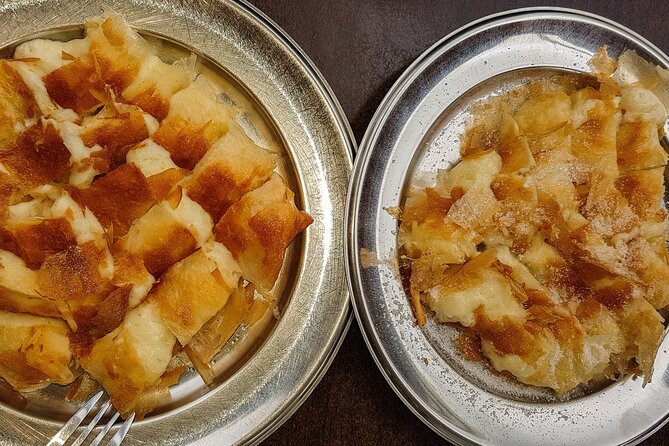
Because this is a private tour/activity for just your group, the rhythm is different than group shopping tours. You can ask questions as much as you want, and the guide can tailor pacing if your group wants more food time or more street-time.
This is especially helpful with something like Greek coffee. Coffee isn’t just a drink order. It’s tied to conversation, serving style, and how locals treat downtime. Your guide can explain what makes a local coffee experience feel local, and you can use that knowledge right after the tour when you sit down on your own.
It also helps with navigation and confidence. In old neighborhoods, the difference between wandering and exploring is knowing where to step next. With the guide leading, you’ll spend less time second-guessing and more time tasting and looking.
Walking logistics and timing: how to make the 4 hours feel easy
The tour runs about four hours. That’s long enough to feel like a real experience, but short enough to keep the rest of your day flexible. Since there’s no hotel pickup, you’ll want to plan your start time so you’re not rushing to find the meeting point near Bougatsa Chania (Apokoronou 37).
Because the experience requires good weather, don’t build the day around it if you’re traveling during storm season without backup plans. If weather ruins the timing, the experience may be offered on a different date or you’ll get a full refund.
Bring a few basics:
- Comfortable shoes for Old Town walking
- Light layers (Chania can feel different from morning to afternoon)
- A realistic appetite level (come hungry is good advice for this format)
And remember the gluten-free note: this tour isn’t designed for gluten-free diets, so if that applies to you, the best choice might be to skip this one or contact the provider with questions before booking.
Price and value: is $108.89 fair for four hours?
At $108.89 per person, you’re paying for more than food. You’re buying:
- A local guide who connects tastings to Chania and Crete
- Multiple included tastings (coffee, raki, cheese, pastries, sweets, savory bites)
- A route that pairs historic landmarks with market access and food counters
- A private format, which typically reduces the “rush” feeling you get in large groups
If you were to try this on your own, you’d likely spend time researching where to go, what to order, and how to keep it varied without wasting money. The guide helps you hit the right spots faster, and the inclusion list means you don’t have to assemble the experience yourself.
Also, it’s booked well in advance on average (about 76 days). That’s a sign of demand, not a reason to panic. Still, if your dates are fixed, booking earlier gives you more schedule options.
Should you book the Delicious Chania Street Food Tour?
Book it if you want more than one good meal’s worth of variety in a short window. This tour is ideal for first-timers who want to taste Cretan staples like goat cheese, raki, pomace brandy, kaltsounia, and souvlaki, while also getting quick cultural context at places like the Venetian Lighthouse and Hassan Pascha Mosque.
Skip it if you’re gluten-free, since the tour is specifically noted as not suitable for gluten-free guests. Also consider your comfort with walking and standing for a few short stops—this is a walking experience.
If you like food that’s tied to real neighborhoods and you want a guide to help you understand what you’re eating, this is a strong value pick for Chania’s old streets.
FAQ
How long is The Delicious Chania Street Food Tour in Chania?
It lasts about 4 hours.
Is this tour private or will I join other travelers?
It’s a private tour/activity, so only your group participates.
What’s included in the tour?
Included items are Greek coffee, coffee and/or tea, a local guide, raki and cheese tasting, and snacks such as bougatsa, local cheeses, olives, Cretan kaltsounia, local desserts, and authentic Greek souvlaki.
Is hotel pickup included?
No, hotel pickup and drop-off are not included.
Where does the tour start and end?
Start: Bougatsa Chania, Apokoronou 37, Chania 741 50, Greece.
End: Küçük Hasan Mosque, Sourmelis 18, Chania 731 32, Greece.
What language is the tour offered in?
The tour is offered in English.
Is there a minimum drinking age?
Yes. The minimum drinking age is 18 years.
Is the tour suitable for gluten-free guests?
No. It is not suitable for gluten-free guests.
Does the tour depend on weather?
Yes. The tour requires good weather. If canceled due to poor weather, you’ll be offered a different date or a full refund.
What’s the cancellation policy?
You can cancel for free up to 24 hours in advance for a full refund.