REVIEW · COPENHAGEN
Copenhagen: Best of Danish Pastry Tasting Tour
Book on GetYourGuide →Operated by Lost with a Local · Bookable on GetYourGuide
Copenhagen smells like pastry for two hours. This small-group tasting walk takes you into five well-regarded bakeries around central Copenhagen, with a guide tying the sweets to the city’s day-to-day culture. I love the mix of Wienerbrød (that flaky, laminated style) and jammy Hindbærsnitter, and I also like how the guide breaks down what you’re eating and why it matters.
One possible drawback: you’ll cover about 5 kilometers on foot in roughly two hours. If you’re traveling with mobility limits or you hate cold-weather walking, plan your layers and pace carefully.
In This Review
- Key things that make this tour worth your time
- Why Danish pastry works so well as a Copenhagen activity
- Meeting outside Lagkagehuset Bakery: how you’ll start the day
- The five-bakery loop: what you’ll taste at each stop
- Why the half-portions matter (and how to handle it)
- Wienerbrød vs. Kringle vs. Tebirkes vs. Hindbærsnitter: a practical tasting cheat sheet
- The guide’s job: turning bites into Copenhagen context
- Walking time, weather, and how to pace yourself
- Price and value: why $74 can make sense here
- Who should book this pastry tour (and who might not)
- Should you book this Copenhagen Best of Danish Pastry Tasting Tour?
- FAQ
- Where is the meeting point for the tour?
- How long does the tour last?
- How many bakeries will we visit?
- What pastries are included?
- Is the tour guide available in English?
- What group size is this?
- How much walking will there be?
- What’s included in the price?
- Can I get a refund if my plans change?
- Can I reserve now and pay later?
Key things that make this tour worth your time
- Five bakeries, one walking loop so you don’t waste your day chasing the “best” pastry spot
- Half-sized samples keep it fun instead of turning into a sugar overload
- Classic Danish textures (laminated, puff-like, and jam-filled bars) in one outing
- Guides who connect pastry to Copenhagen street life with history and practical tips
- Small group (max 10) means more questions and less standing around
Why Danish pastry works so well as a Copenhagen activity
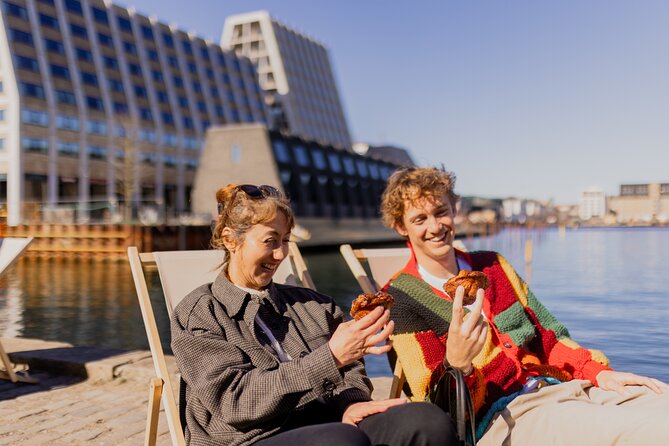
A lot of food tours just hand you bites and call it a day. This one is different because Danish pastries are built to be explained: you can taste the difference between layered dough, puff-style pastry, and fruit-forward bars in a way that feels obvious after the second stop.
You’re also not just eating in a vacuum. The walk format nudges you through real neighborhoods and helps you see how “coffee and pastry” fits into the rhythm of Copenhagen life. Guides often add little moments—where people buy bread, how bakeries think about tradition, and what locals do when they want something sweet.
The result is an outing that feels like two trips at once: a pastry tasting and a light city orientation.
You can also read our reviews of more food & drink experiences in Copenhagen


Meeting outside Lagkagehuset Bakery: how you’ll start the day
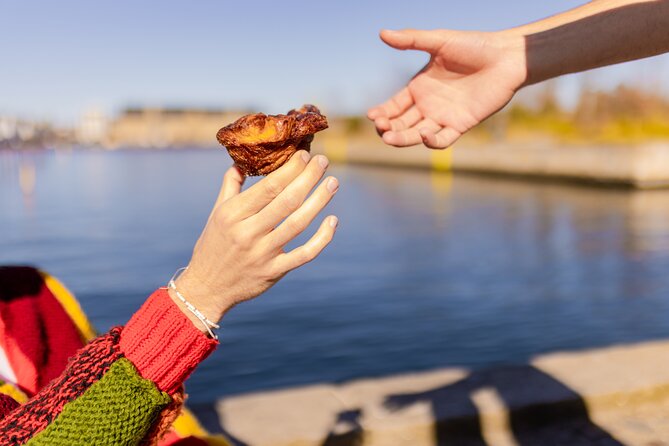
You meet your guide outside Lagkagehuset Bakery. That’s a good setup because it’s easy to recognize, and you’re already in the right mindset—this tour starts with smell before it starts with talking.
Expect a quick intro from your guide, then you’re off on a short but steady walking circuit. Because the group is limited to 10, you can usually hear instructions clearly and keep up without feeling rushed.
If you’re sensitive to cold (Copenhagen can be a character in winter), this is the kind of tour where you’ll want to dress for the outside time. Several guides are known for adjusting pace, but you still should plan for consistent walking.
The five-bakery loop: what you’ll taste at each stop
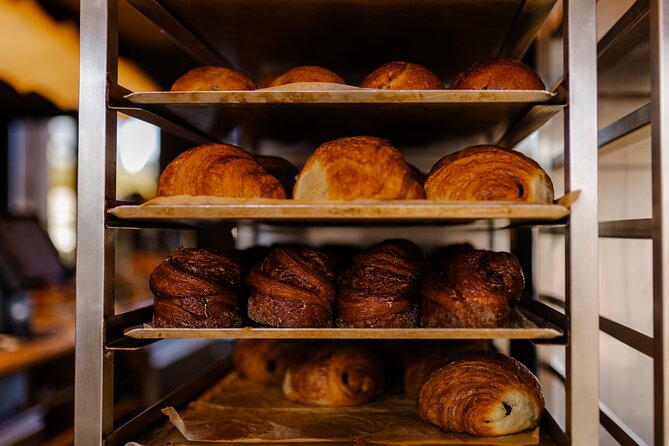
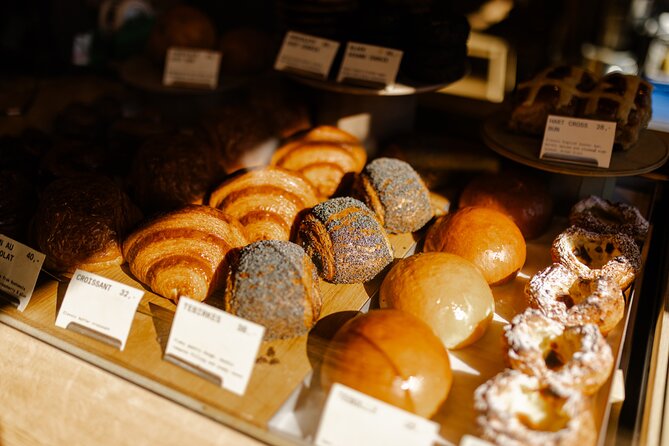
This tour visits five bakeries in about two hours, with a tasting at each stop. The exact pastry order can vary by bakery and day, but you can count on the main stars: Wienerbrød, Tebirkes, Kringle, and Hindbærsnitter.
Think of each stop as a different “lesson” in Danish baking technique and flavor.
Stop 1: Wienerbrød-style layered sweetness
Wienerbrød is that multi-layer laminated pastry that flakes when you pull it apart. It’s the kind of item that teaches you the basics fast: butter, technique, and crisp edges versus a soft interior. This is usually the easiest pastry to fall in love with on first bite.
Stop 2: Kringle, with a puffier feel
Kringle (often described as puff-pastry adjacent) brings a different mouthfeel than Wienerbrød. If Wienerbrød is all about delicate layers and crisp shattering, Kringle can feel a bit airier. Your guide typically points out what to watch for: thickness, bake style, and how the shape relates to dough handling.
Stop 3: Tebirkes, the savory-sweet curveball
Tebirkes is a fan favorite because it’s not just a dessert pastry. It often lands in that “breakfast bakery” vibe—still sweet, but with a more interesting, sometimes seed-forward identity. In practice, it keeps the tasting from becoming one-note, and it gives you something to remember when you’re back in your hotel trying to explain what you ate.
Stop 4: Hindbærsnitter, the raspberry bar moment
Hindbærsnitter are all about fruit filling and that bar format that makes portioning easy. This is one of the pastries that makes Danish baking feel comforting instead of overly sweet. You’ll get a chance to compare the fruit flavor intensity across bites—how tart versus mellow it tastes and how it balances with the pastry base.
Stop 5: a final bakery sample to tie it together
The fifth stop is your payoff: you’ve learned the key textures by then, so the last sample feels more “guided” and less random. Many guests end up debating favorites by the final bakery, because you can clearly separate laminated crunch, puff-like lift, and fruit-bar sweetness.
Why the half-portions matter (and how to handle it)
You’ll generally receive a tasting size that’s manageable—often described as about half a pastry at each stop. That’s smart design for a two-hour walk because you’re sampling five times, not replacing a meal with sugar.
Even with those sizes, you’ll likely want to pace yourself. A couple of guests noted they shared halves, and that makes sense if you’re pairing the tour with other treats later.
Wienerbrød vs. Kringle vs. Tebirkes vs. Hindbærsnitter: a practical tasting cheat sheet
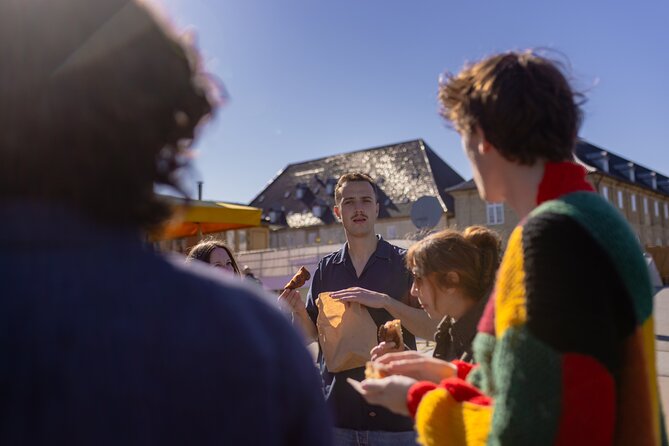
Here’s the simplest way to keep your brain engaged as the pastries hit.
- Wienerbrød: expect crisp layers and a sweet filling feeling that melts a little as it warms in your mouth. It’s the best reference point for laminated Danish pastry.
- Kringle: watch for an airy, puff-like character compared to Wienerbrød. It’s also a great marker for how dough shaping affects bake texture.
- Tebirkes: expect a more savory-leaning personality. It keeps your tasting balanced and makes you remember the tour for more than just sugar.
- Hindbærsnitter: think of it as the fruit-forward finish—bar format, raspberry flavor, and a comforting pastry structure.
Your guide helps with the “what am I tasting” part, so you can connect taste to technique instead of just eating quickly and moving on.
The guide’s job: turning bites into Copenhagen context
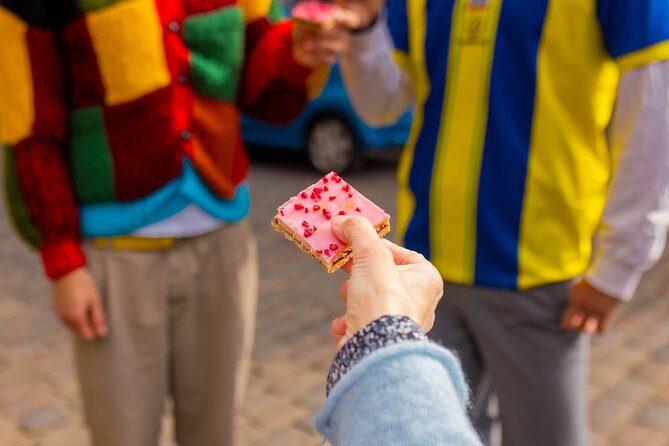
What people consistently rate highly here is the way guides connect pastry to the city. Names that show up often include Theo, Simon, Emily, Noah, and Linea, and each of them is described as friendly and engaged, with extra facts about Copenhagen and Denmark.
You can expect commentary that covers:
- history and craftsmanship tied to each pastry style
- little local traditions that explain why bakeries work the way they do
- practical tips at the end, like what to see next in Copenhagen
One nice detail from the experience: the guides tend to answer questions on the spot. A lot of guests walk away not only knowing pastry names, but also feeling more confident about where to go next—especially helpful if it’s your first day in town.
And because this is a small group, you’re more likely to have real conversation time instead of nodding politely at a headset.
Walking time, weather, and how to pace yourself
The tour covers about 5 kilometers total. That’s roughly three miles—very doable for most people—but it still matters because you’ll be outside and stopping often to eat.
A few guests noted cold weather was manageable. That tracks: you’re walking continuously, and you’re warming yourself with pastries and (if you choose it) coffee purchased along the way.
If you want to make it comfortable:
- dress in layers you can adjust while walking
- wear shoes you can move in comfortably (you’ll be stepping in and out of bakeries)
- go slow on the first stop so the final one doesn’t feel like a race
Also, the guide’s pace flexibility is a real plus. Some guests mentioned the guide accommodated a slower rhythm.
Price and value: why $74 can make sense here
At $74 per person for two hours, this isn’t the cheapest way to eat pastries in Copenhagen. But it’s priced more like an experience than a snack.
Here’s what you’re paying for, in plain terms:
- a guided route through five bakeries (so you’re not guessing where to go)
- structured tasting at each stop, so you actually try multiple pastry types
- a small group with a live English guide, which adds explanation and interaction
When you compare that to doing this on your own, the value is in the variety and the guidance. One bakery visit might satisfy your craving, but it won’t give you the same pastry “contrast.” This tour gives you that compare-and-contrast feeling by design.
And because the walking loop adds a bit of city orientation, the outing doubles as a light sightseeing segment without needing extra planning.
Who should book this pastry tour (and who might not)
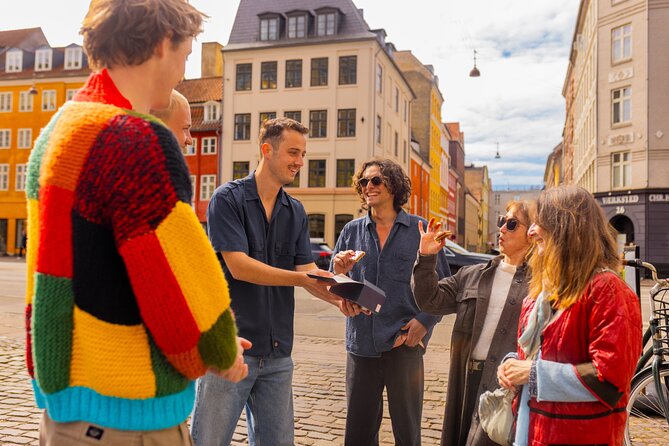
This tour is a strong match if you:
- love tasting your way through local specialties
- want a short, focused food outing (two hours)
- appreciate guides who share practical city tips along with food facts
- like small-group settings where you can ask questions
It may be less ideal if:
- you dislike walking in cold or wet weather
- you’re extremely sensitive to eating on the move
- you’re not interested in a structured “sample every stop” format
If you’re on the fence, it helps to remember the tour is designed to be manageable: half portions at multiple stops, plus frequent breaks inside bakeries.
Should you book this Copenhagen Best of Danish Pastry Tasting Tour?
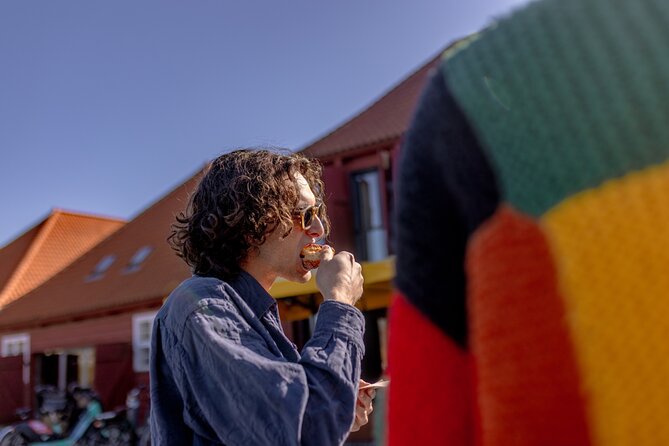
I’d book it if you want a memorable Copenhagen morning or afternoon that blends Danish pastry craftsmanship with a real sense of place. The main reason: five bakeries in two hours is a clean, efficient plan, and the guide adds enough context that you’ll remember more than just the sweetness.
I’d skip it if you only want one or two pastries and don’t care about learning the differences. Also skip if you know you won’t handle the approximately 5 km walk comfortably.
If you do book, bring good walking shoes, wear layers, and go in hungry—but not desperate. By the last bakery, you’ll be glad you paced your bites instead of trying to win the tour by force.
FAQ
Where is the meeting point for the tour?
Meet your guide outside Lagkagehuset Bakery.
How long does the tour last?
The tour lasts 2 hours.
How many bakeries will we visit?
You’ll visit 5 bakeries.
What pastries are included?
The tour highlights include Wienerbrød, Tebirkes, Hindbærsnitter, and Kringle.
Is the tour guide available in English?
Yes. The live tour guide speaks English.
What group size is this?
It’s a small group limited to 10 participants.
How much walking will there be?
Total walking distance is approximately 5 kilometers (3 miles).
What’s included in the price?
The price includes a guided tour, visits to 5 bakeries, and a sampling of a Danish pastry at each bakery.
Can I get a refund if my plans change?
Yes, there is free cancellation up to 24 hours in advance for a full refund.
Can I reserve now and pay later?
Yes, the tour offers reserve now & pay later.