REVIEW · PORTO
Eat Porto Like a Local: The Ultimate Full-Meal Food Tour
Book on GetYourGuide →Operated by Do Eat Better Experience · Bookable on GetYourGuide
Port tastes better when you eat like locals. This walking food tour is a smart way to get your bearings fast in the city centre while working your way through classic plates and drinks, including Pastel de Nata and Port wine. I really like how the stops feel practical and local, not staged for tourists, and I like the way the guide connects what you’re eating to how Porto actually eats. One thing to think about: the exact dishes can shift with season and availability, and if you’re looking for only the most old-school Portuguese staples, you may want to adjust expectations.
I also like the format: a small group (maximum 12) moving at a steady, not-rushed pace for about 3.5 hours. You’ll meet in front of the Chapel of Souls, walk through the centre, and finish near R. do Carmo. Wear comfortable shoes, keep your hands free (no luggage or large bags), and don’t plan on an easy day afterward—this is a food tour with real walking.
In This Review
- Key highlights you’ll feel in your first hour
- Where you start in Porto (Chapel of Souls) and why the walk works
- The bakery stop: coffee, breakfast-style bites, and Pastel de Nata
- Mercado do Bolhão: wine and cheese tastings with a real market walk
- Lunch in a local restaurant: beer, street food energy, and Portuguese comfort
- Off-the-main-street meal: where hidden-by-location dishes do the heavy lifting
- Port wine and spirits at the local bar: how to drink Port without overthinking it
- Price and value: does $80 make sense for 3.5 hours of eating?
- Who this tour is best for (and who should skip it)
- Tips to get the most from every stop
- Should you book this Porto food tour?
- FAQ
- Where does the tour start and where does it end?
- How long is the Eat Porto Like a Local food tour?
- How many food stops are included, and is there alcohol?
- What food and drink might I try?
- Can Port and tonic be included?
- What group size should I expect?
- Is pickup from my hotel included?
Key highlights you’ll feel in your first hour
- Porto bakery first stop: coffee plus a sweet start with Pastel de Nata
- Mercado do Bolhão time: wine and cheese tastings paired with a market stroll
- Tascas-style eating: a mix of lunch plates and street-food style bites
- Portuguese small-dish culture: petiscos energy, meant for sharing and tasting
- Port wine tasting with options: classic sipping plus the popular Port and tonic idea
- Guides who steer the vibe: guides such as Cintia, Filipe, Andreia, Wilson, or Harold are repeatedly praised for keeping the group happy and on track
Where you start in Porto (Chapel of Souls) and why the walk works
The tour begins at the Chapel of Souls, a clear, easy-to-find landmark that helps you get oriented quickly. From there, you’re walking through the centre of Porto rather than hopping by car to a few far-off spots. That matters because Porto food is deeply tied to neighborhoods, markets, and street-level restaurants—so the route helps you understand what you’re seeing while you’re eating.
You’ll also be moving at a pace built for tasting: short walks between stops, enough time to sit down, and enough time to ask questions. The group is small (2 to 12 people), which usually means less waiting and more chance to hear the guide’s commentary. If you’re someone who gets impatient in long tours, this one tends to feel like a sequence of small, satisfying moments instead of one long meal on a schedule.
One practical note: this isn’t designed for mobility needs. You’ll be on your feet and in and out of places, so plan accordingly.
You can also read our reviews of more food & drink experiences in Porto


The bakery stop: coffee, breakfast-style bites, and Pastel de Nata
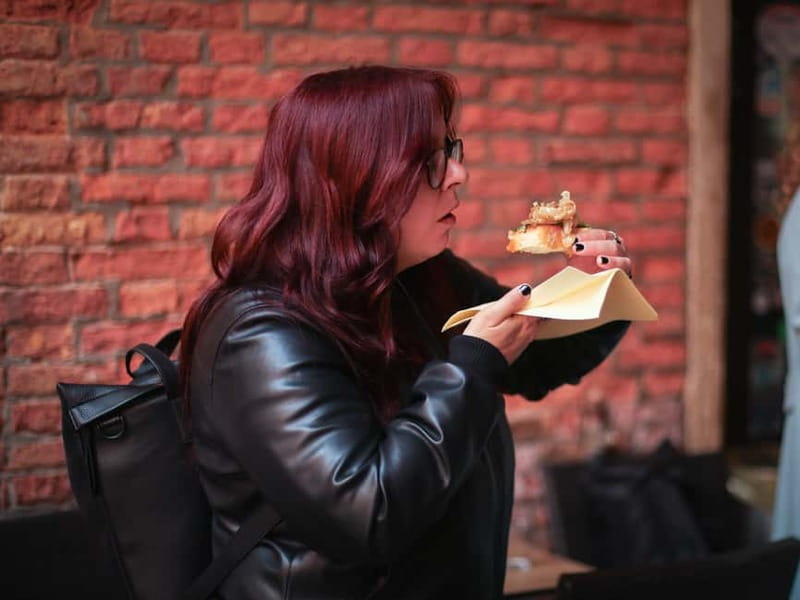
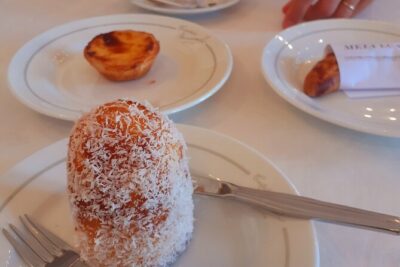
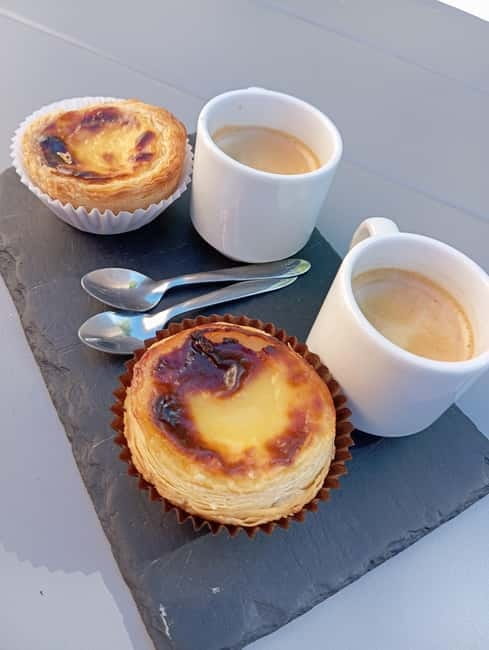
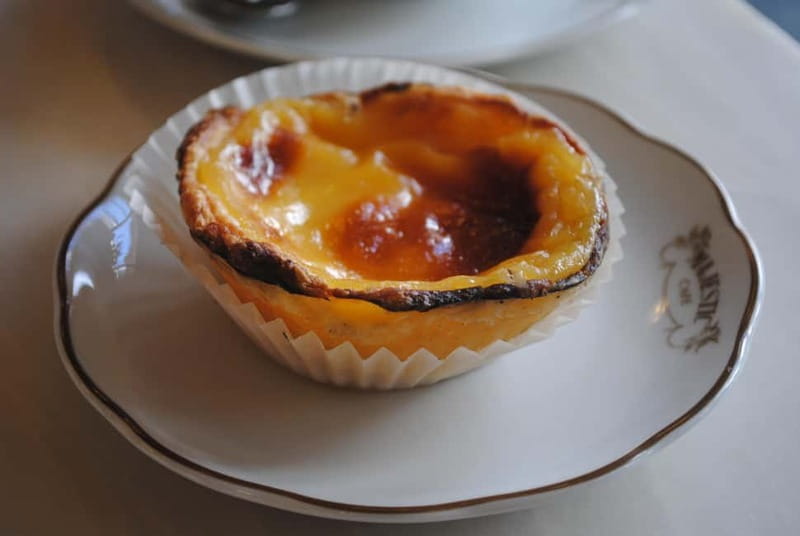
You’ll start with a local bakery stop that’s built for momentum: coffee, a breakfast or early snack feel, and dessert. The headline here is Pastel de Nata, Porto’s iconic custard tart in puff pastry. Even if you’ve tried one elsewhere, this is the kind of place where you learn what makes the texture and sweetness work—crisp pastry, creamy centre, and that faint caramelized top that makes you want one more bite.
Why this matters on a food tour: it sets your palate. You’ll go from sweet into savory without your taste buds feeling lost. It’s also a good energy boost if you’re arriving in Porto hungry and slightly jet-late.
If you’re sensitive to too-sweet desserts, pace yourself. A small tart goes far, and you still have a lot ahead.
Mercado do Bolhão: wine and cheese tastings with a real market walk
One of the best parts of this tour is the time at Mercado do Bolhão, Porto’s famous food market. You don’t just pass by it—you get to actually look around, taste, and learn what to notice when you’re shopping.
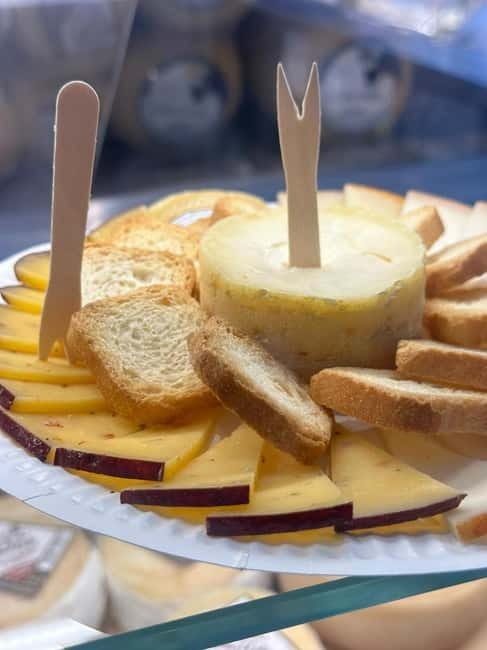
Expect a wine and cheese tasting here, plus time to walk the market floor. The tasting gives you a quick “how to read the food” lesson: how different cheeses taste, how wine changes the way you perceive saltiness and creaminess, and how market browsing feels when you’re not rushed. If you’ve ever stood in a market thinking, I’m not sure what I’m looking at, this stop helps you get the basics.
This is also where the tour can pay off for your next meal. After you’ve learned what pairs well and what feels truly local, you’ll have an easier time ordering later—without guessing.
Lunch in a local restaurant: beer, street food energy, and Portuguese comfort
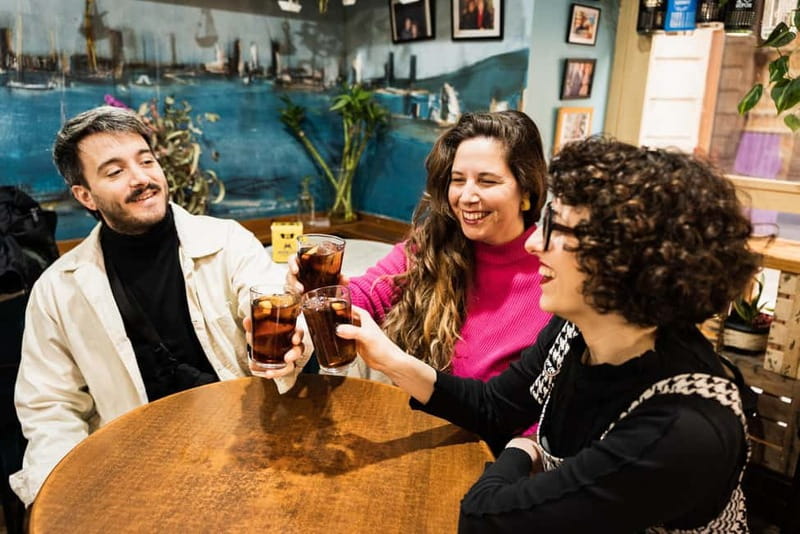
Next comes a local restaurant stop with beer and lunch-style eating. This is where the tour leans into the everyday side of Portuguese food: hearty plates, familiar flavors, and food that feels made for real schedules—not fine-dining timing.
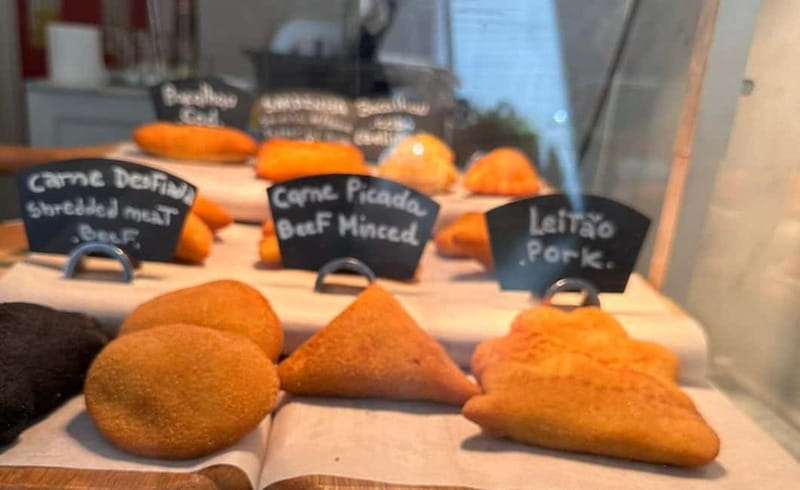
You may see classic items like bifana, a sandwich of thin marinated pork tucked into bread. It’s usually garlicky and spiced, and it’s the kind of street-food comfort Porto is proud of. You might also encounter petiscos, Porto’s version of sharing small plates—think tapas energy, where you eat a few bites of a few things instead of committing to one big dish.
Why I like this stop for first-timers: it lets you sample a range of Portuguese flavors without turning your whole evening into a single meal gamble. You get to compare tastes across stops and figure out what you want to chase on your own.
Off-the-main-street meal: where hidden-by-location dishes do the heavy lifting
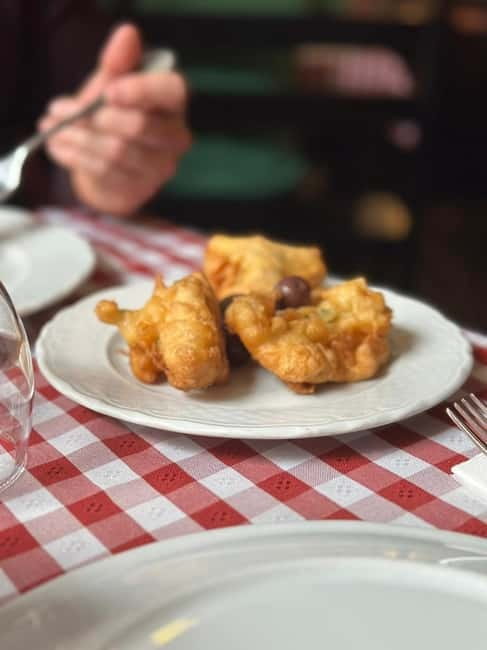
After the restaurant, you’ll head to an off-the-main-path dining stop that’s designed for the “try something you might miss” part of the tour. This is where regional food takes centre stage, and it tends to be longer than the quick tastings.
Depending on what’s available, you might run into pataniscas—deep-fried fritters made with salted cod. They’re crispy outside, tender inside, and they carry a salty-cod flavor that’s unmistakably Portuguese. If you get them, they’re a great moment to slow down and pay attention. A pataniscas bite is crunchy, then soft—like it’s two textures in one.
This stop is also the one that often makes people feel truly “done” with the tour. More than one guide-and-group style story points to the same outcome: by the time you reach the middle-late portion of the tour, you’re not just sampling—you’re eating enough to feel satisfied.
A few more Porto tours and experiences worth a look




Port wine and spirits at the local bar: how to drink Port without overthinking it
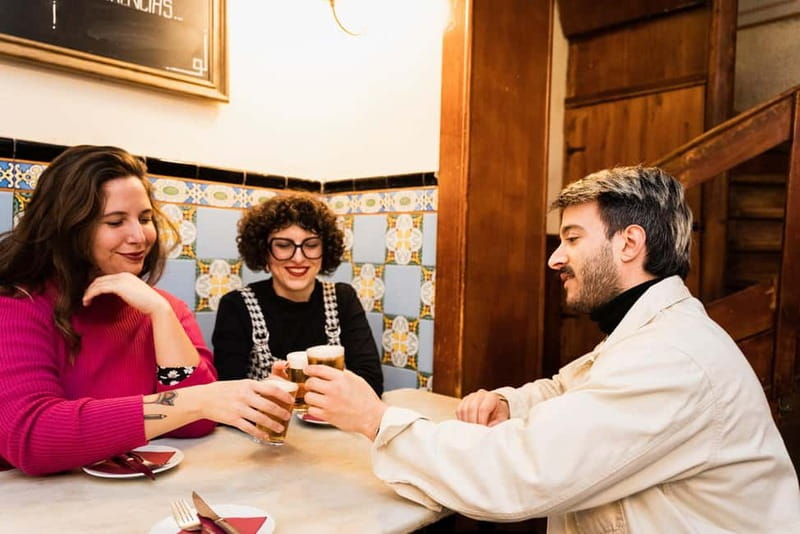
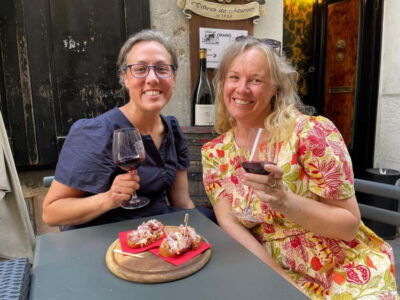
The final stop is a local bar with spirits and wine, including Port wine. Port is fortified, meaning it’s made with grape spirits added during production. The result is a drink that tends to be complex, sweet-leaning, and very Porto in character.
You can expect the guide to explain what you’re tasting and how different Port styles behave. You may also be offered the popular Port and tonic approach—often made with white Port mixed with tonic. Another option you might see during your visit is a red or young tawny style served in a way that highlights its flavor profile.
Here’s how to get the most from this tasting: don’t treat it like homework. Take a sip, notice the sweetness and weight, then listen for what the guide says about why the style tastes that way. If you like lighter, fresher profiles, ask about the white style option. If you prefer something fuller, go for the red or tawny direction.
Because alcohol amounts are fixed, you can also pace yourself across the tour without worrying about surprise extras.
Price and value: does $80 make sense for 3.5 hours of eating?
At $80 per person for about 3.5 hours, the value comes from how the tour bundles a bunch of real costs into one experience:
- multiple food stops (at least four, with at least one serving of food at each stop)
- water included
- alcoholic beverages included in fixed amounts
- a live guide and a walking route that threads through central Porto
If you tried to assemble this on your own—bakery item, market tasting, restaurant lunch, a second meal stop, plus Port drinks—you’d likely spend similar money, and you’d still lose the advantage of tasting guidance and local ordering support.
That said, value is also about match. Most groups leave feeling properly full, and many people highlight that the pace doesn’t feel rushed. Still, one caution shows up when expectations are narrow. If you want a strict list of the most traditional dishes only, and you’re not interested in architecture or general city context during the walk, you might feel slightly let down. The good news: even if the focus shifts a bit day to day, you’re still getting multiple tastings and a Port finish.
In short: the price works best when you’re open to a mix of food + Porto context, and when you’re happy to follow the guide’s order of operations.
Who this tour is best for (and who should skip it)
This is a great fit if:
- you’re in Porto for a short time and want a fast introduction to how food fits into daily life
- you like classic Portuguese items like bifana, petiscos-style sharing, and Port wine
- you want a guided plan that reduces decision fatigue (where do we eat, what do we order, what’s worth it?)
It’s also a strong choice for celebrations and date nights because the small-group size (up to 12) makes it feel social, not crowded.
Skip or rethink if:
- you have mobility challenges. The tour isn’t suitable for mobility impairments.
- you hate walking. You’ll be on your feet for a 3.5-hour route.
- you require a very specific single style of food. The tastings may vary with season and partner availability.
Tips to get the most from every stop
- Eat lighter beforehand. This is a more than sample kind of tour, and by the end you’ll likely feel stuffed.
- Pace your Port tasting. If you go for Port and tonic, you’ll still want to enjoy the earlier tastings without getting heavy.
- Bring a question brain. This tour works best when you ask what to try next, not just when you eat.
- Wear shoes that handle uneven streets. Comfortable shoes isn’t just a nice-to-have around Porto. It’s the difference between enjoying the walk and counting minutes.
Should you book this Porto food tour?
You should book if you want a well-fed introduction to Porto—bakery sweetness, market tastings at Mercado do Bolhão, tascas-style lunch energy, regional dishes that may include cod fritters, and a proper Port finish. With guides such as Cintia, Filipe, Andreia, Wilson, or Harold, the common theme is that the tour pairs food with clear context and a fun, steady pace that keeps you moving and tasting.
You might pass if you need minimal walking, you can’t do stairs/uneven ground, or you’re locked into a very narrow idea of what Portuguese food should look like. Also, if you want zero city-talk and only food descriptions, note that the walking portion can include broader context.
If you’re booking for your first day or first evening in Porto, this is the kind of plan that helps you eat smarter for the rest of your trip.
FAQ
Where does the tour start and where does it end?
You meet in front of the entrance of the Chapel of Souls. The tour finishes at R. do Carmo, 4050 Porto, Portogallo.
How long is the Eat Porto Like a Local food tour?
It lasts about 3.5 hours.
How many food stops are included, and is there alcohol?
You’ll have at least 4 food stops, plus water. Alcoholic beverages are included in fixed amounts, and at least one serving of food is included at each stop.
What food and drink might I try?
You may taste items such as Pastel de Nata, local cheeses, bifana, petiscos, pataniscas, and Port wine. The exact selections can vary by season and partner availability.
Can Port and tonic be included?
Yes. Besides drinking Port on its own, you may be offered a Port and tonic made with white Port and tonic, or any style of Port such as red or young tawny.
What group size should I expect?
The tour has a minimum of 2 people and a maximum of 12.
Is pickup from my hotel included?
No. Hotel pickup and drop-off aren’t included.