REVIEW · TRIESTE
Trieste: Unique Food Tour with Local Flavors and Tastings
Book on GetYourGuide →Operated by Trieste Unique Tours · Bookable on GetYourGuide
Trieste tastes like Central Europe’s secret. On this 3-hour walking food tour, I love how it mixes neighborhood history with real tastings, with guides like Giovanni and Sveva putting Trieste’s food in context as you wander. I also like that the stops land in places locals actually use, including Cavana’s old-town lanes and the Habsburg-influenced Borgo Teresiano.
The trade-off: this is a tasting-focused walk, so don’t expect a heavy parade of hot dishes at every stop. A few food choices can lean more toward cold or appetizer-style bites, depending on the day.
In This Review
- Quick Takeaways
- Trieste’s food story isn’t Italy the usual way
- Passaggio Joyce to Piazza di Cavana: a 3-hour walking plan that works
- Borgo Teresiano tasting time: history you can taste
- Borsa Square and the art of eating while walking
- The longer tasting stretch: when you get more than a snack
- The café finale: coffee or artisanal chocolate in true Trieste style
- What you actually taste: “seasonal” is code for flexible
- Guides matter here: Giovanni, Sveva, and the city stories you remember
- Group size and comfort: why this feels relaxed, not frantic
- Price and value: is $88 per person fair?
- Who should book this Trieste food tour (and who shouldn’t)
- Should you book Trieste Unique Tours’ food walk?
- FAQ
- Where does the tour start?
- What is the tour duration?
- How many neighborhoods are covered?
- What food and drink is included?
- Is the tour guided, and what language is it in?
- How long are the tasting stops?
- Where does the tour end?
- Is it suitable for wheelchair users or people with mobility impairments?
- Can I join if I have food allergies?
- Can I cancel and get a refund?
Quick Takeaways
- Cavana + Borgo Teresiano: two distinct Trieste vibes, explained through food
- Multiple tasting rounds: short stops plus one longer stretch for fuller sampling
- Coffee or artisanal chocolate finale: a cozy café moment built around Trieste’s café culture
- Local guides with real city stories: history, architecture, and food culture tied together
- Small groups: often around 4 to 8 people, so you can actually chat
- Take-home ebook: Trieste’s Cookbook from the tour, plus hidden stories
Trieste’s food story isn’t Italy the usual way
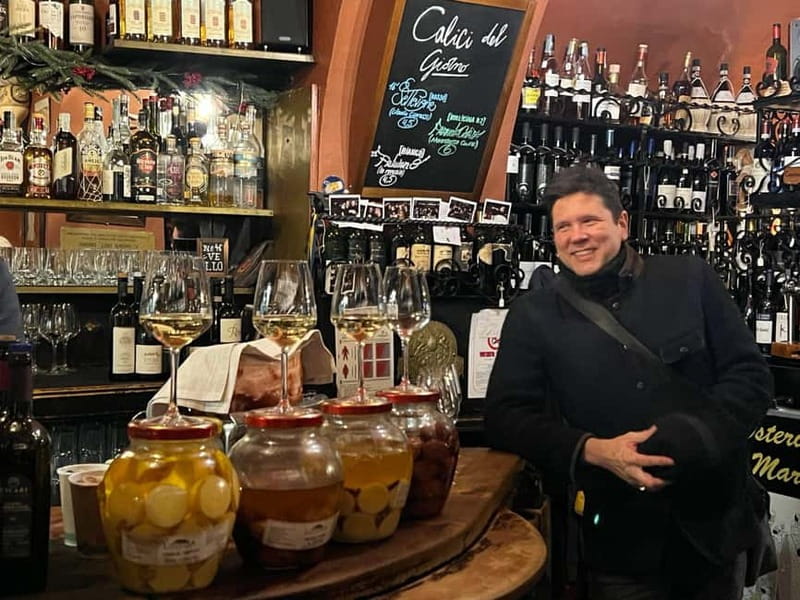
If you think Italian food always means pasta everywhere, Trieste gently corrects that idea. Yes, it’s Italian—but Trieste’s location at the top of the Adriatic means you’ll taste influences that feel more Central European than you might expect. That mix shows up in ingredients and flavors, and in how people treat food and drinks as part of daily life, not just a one-time meal.
What makes this tour feel special is the way it connects food to place. As you walk through Cavana and then toward Borgo Teresiano, you’re not just eating. You’re learning why certain flavors and traditions make sense here. Even if you only know Trieste as a stopover, this gives you a way to read the city in small details: streets, piazzas, and café habits.
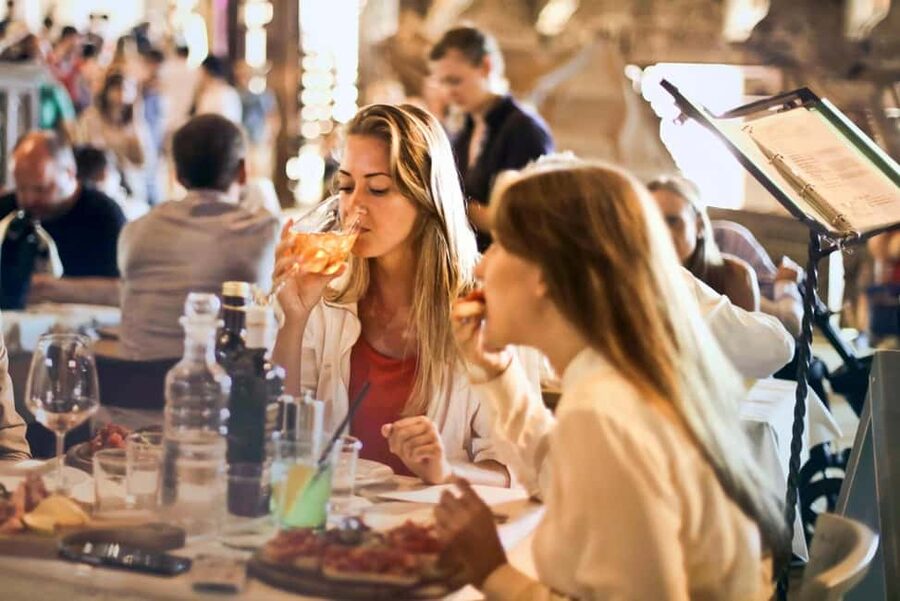
And because you’re eating at several local-style spots—not one big restaurant—you get variety without feeling like you’re rushing through 20 plates.
You can also read our reviews of more food & drink experiences in Trieste
Passaggio Joyce to Piazza di Cavana: a 3-hour walking plan that works
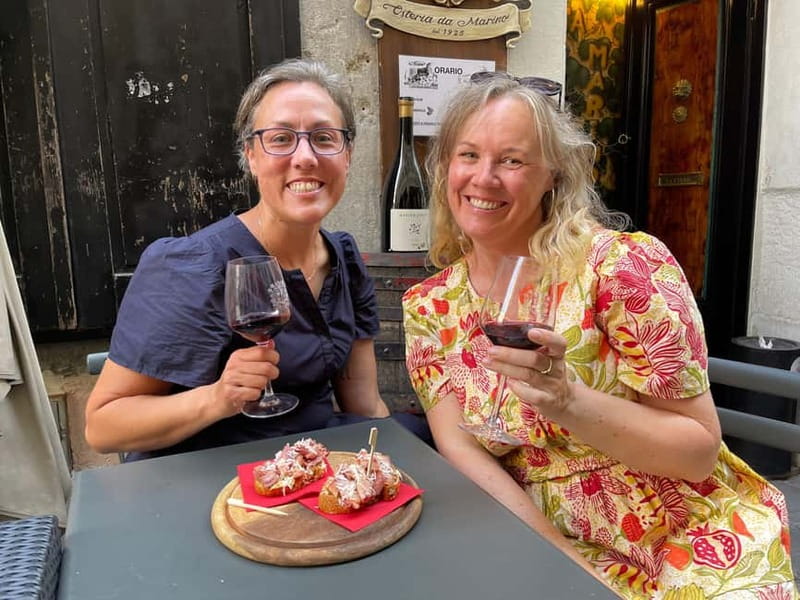
The tour starts at Passaggio Joyce, and it stays in motion with sightseeing walks between tastings. The total time is about 3 hours, so it fits nicely into an evening schedule or a late-afternoon food mission when you still want some city views.
A big practical plus: the pace isn’t presented as strenuous. Multiple guide experiences point to a relaxed walk where you still learn and snack, without turning it into a full-on workout. Bring comfortable shoes, though—because you’ll be on foot for the better part of the experience.
Also note the tour ends with two drop-off points at/near Piazza di Cavana (34121 Trieste TS). That matters if you’re planning dinner nearby. You’ll likely finish in a useful area for continuing on your own.
Borgo Teresiano tasting time: history you can taste
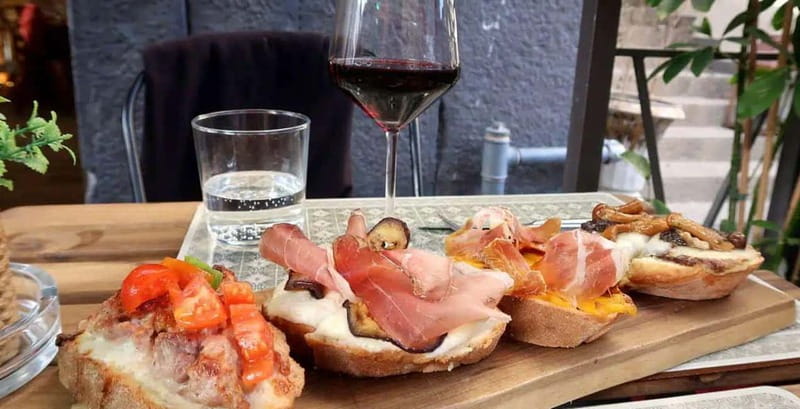
One of the key segments runs through Borgo Teresiano, a district strongly shaped by the Habsburg Empire. That’s not trivia tossed in at the end—it’s the reason the food culture feels different from other parts of Italy. As you walk the elegant streets and stop around the area for tastings, you’ll understand how Central European habits (and tastes) made their way into local cuisine.
You’ll spend time both walking and tasting here, with a first tasting window of about 30 minutes. In plain terms: you’ll get enough bites to feel satisfied, and enough context to remember what you ate and why it matters.
What to expect from this stop: seasonal choices and what’s available that day. The tour doesn’t promise one fixed menu, so flexibility is built in. That’s usually a good thing on a food tour, because it means you’re tasting what local spots are actually serving now—not some staged, always-the-same lineup.
Borsa Square and the art of eating while walking
After Borgo Teresiano, you’ll keep moving with more sightseeing, and the route includes Borsa Square. This is where the tour’s value really shows: it gives you a reason to look at the city while your hands and mouth are busy. You don’t just stare at buildings. You stop, taste, then walk again with better context for what you’re seeing.
There’s another tasting stop of about 30 minutes during the time you’re out and about. That second tasting matters because it breaks up your experience. You’re not eating the whole time in one long block; instead, you get bite-sized moments that keep the walk interesting and help you pace your appetite.
The longer tasting stretch: when you get more than a snack
Later in the tour, there’s a longer tasting block (about 1.5 hours). That’s the part I’d prioritize if you’re trying to judge whether the tour is worth it for your stomach as well as your brain.
Based on guide and guest experiences, this is often where variety shows up most clearly—local items like ham, fish dishes, gnocchi, and specialty pastries have been part of the tasting mix in real tour experiences. Some tastings also include wine and digestifs, depending on the day and the particular places selected.
Two practical takeaways for you:
- If you’ve been wondering whether a 3-hour tour can actually be enough food, the longer tasting block is the reason it often is.
- If you’re a foodie who likes to compare flavors across neighborhoods, this is where you’ll notice differences tied to Trieste’s mix of land-and-sea ingredients and Central-European influence.
The café finale: coffee or artisanal chocolate in true Trieste style
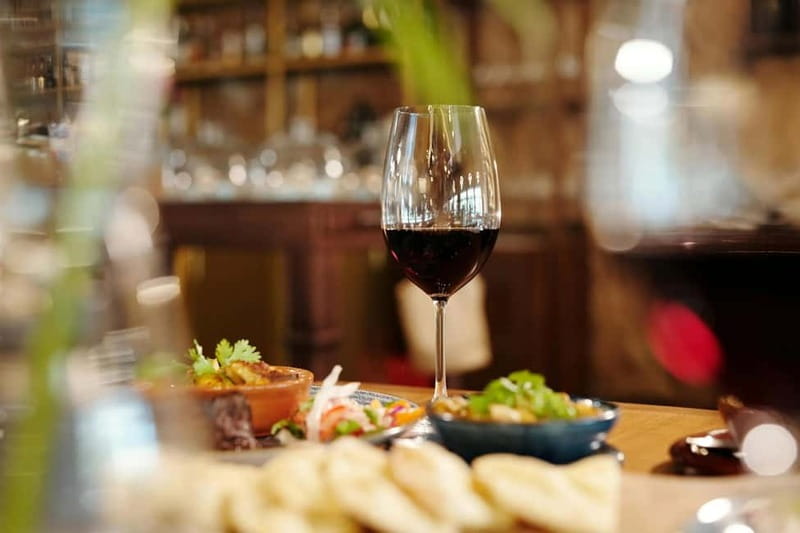
The tour ends with a sweet moment: coffee or artisanal chocolate at a cozy Triestine café. This is more than dessert—café culture in Trieste is a real thing, and the tour uses this final stop to slow you down.
You’ll get a chance to sit, breathe, and digest (literally and figuratively). It’s also a nice reset after walking through streets and tasting multiple savory bites. If you like your food tours to end on warmth and comfort rather than a quick check-the-box moment, this part tends to land well.
And if you’re the type who likes to know what to order next time you’re on your own, this café stop gives you a reference point you can carry into your next meal.
What you actually taste: “seasonal” is code for flexible
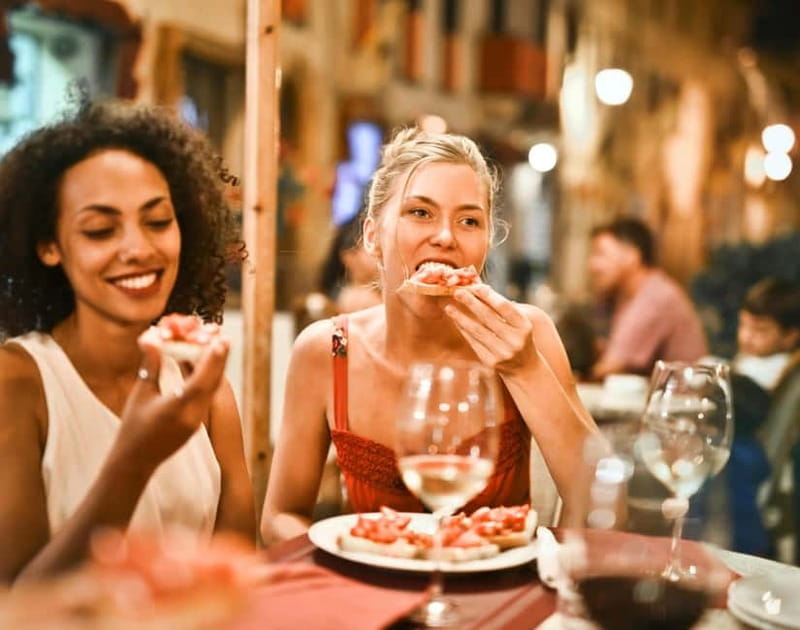
The tour is built around “selected tastings” at traditional eateries and gourmet spots beloved by locals. That wording usually means: expect variety, and expect it to change. And that’s supported by how guides describe the experience—dishes can vary by season and availability.
Here’s what the tour data supports as realistic examples of what shows up in tastings:
- local ham
- fish dishes
- gnocchi
- specialty pastries
- coffee or artisanal chocolate at the end
- in some guided experiences, wines and digestifs paired with the tastings
One caution: it’s normal for tasting menus to lean toward bite-size portions. And a couple experiences noted disappointment with fewer hot, fully cooked items—more appetizer-style bites rather than consistently hot plates. So if you’re the kind of person who gets cranky without hot food, plan your expectations and be ready for cool or room-temperature bites as part of the mix.
Guides matter here: Giovanni, Sveva, and the city stories you remember
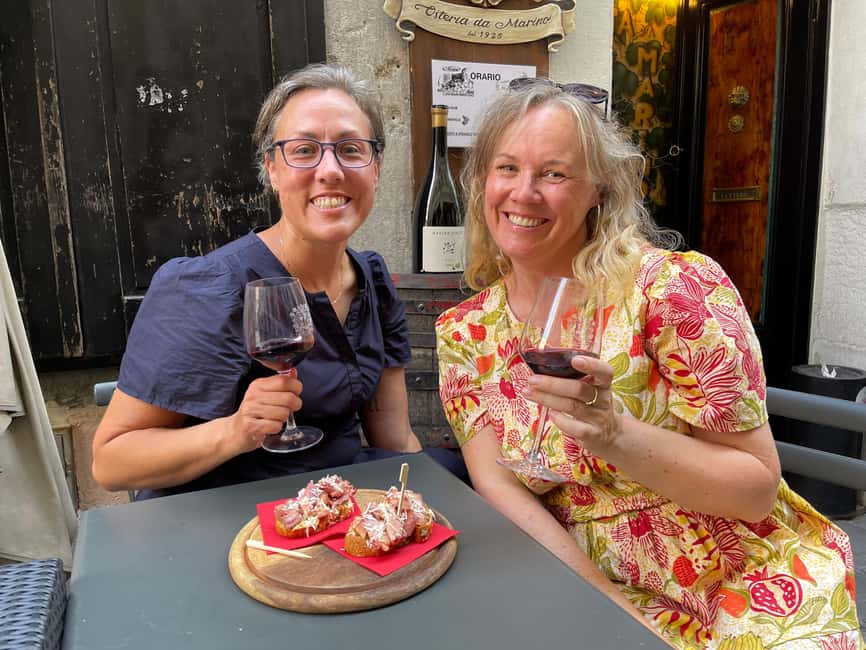
A food tour stands or falls on the guide. In the experiences tied to this tour, guides like Giovanni and Sveva (sometimes spelled Svava) repeatedly earn praise for being friendly, engaging, and strong on Trieste context.
What I like most in these guide descriptions is the balance. The best versions of the tour don’t treat food like a shopping list. They connect what you’re eating with architecture, neighborhood character, and local identity. Some guides also bring up practical, current questions about the people living in Trieste—so you leave with more than just recipes.
If you care about history, this is the kind of tour that explains it in small pieces between tastings, not in a lecture right before dessert.
Group size and comfort: why this feels relaxed, not frantic
The tour runs as a small-group experience, with real tour examples mentioning groups as small as 4 and commonly around 8. That size is one of the reasons the experience feels comfortable: you can hear the guide, ask questions, and actually connect with the group instead of being swept along like a train.
It also affects food handling. When you have fewer people, the stops tend to feel smoother. You’re not competing with a crowd for attention or for counter space, which helps if a café or shop is busy.
For you, this is a good option if you want a lively atmosphere but not a loud, chaotic one.
Price and value: is $88 per person fair?
At $88 per person for about 3 hours, this tour sits in the mid-to-premium range for a walking food experience. Is it worth it? I think it can be, for a few reasons that go beyond just the cost.
First, you’re paying for more than food. You’re paying for:
- a local guide who ties tastings to Trieste’s neighborhoods
- multiple tasting stops, including one longer tasting block
- a café finale with coffee or artisanal chocolate
- a take-home Trieste’s Cookbook (ebook) plus hidden stories
Second, the small-group element helps value. When group sizes are small, you’re more likely to feel the tour is personal, not mass-produced.
Third, the route design keeps your time useful. You’re learning and snacking during a compact window, so you’re not losing hours on transit or planning meals from scratch.
Where the value can feel less strong is if you specifically want lots of hot mains or you’re expecting a more behind-the-scenes setup (for example, more interaction with owners or chefs). One experience mentioned wanting more than ordering at the stops. If that’s your travel style, you might want to treat this as a tasting-and-stories walk rather than a culinary workshop.
Who should book this Trieste food tour (and who shouldn’t)
This tour is a great fit if you:
- want a quick way to understand Trieste’s culinary identity
- enjoy walking between neighborhoods while eating
- like small-group tours where you can chat with your guide
- care about local culture, not just food
It may not be ideal if you:
- have mobility limitations or use a wheelchair (the tour isn’t suitable for mobility impairments or wheelchair users)
- have food allergies (it’s listed as not suitable for people with food allergies)
- hate the idea that dishes are seasonal and might include more appetizer-style bites than hot mains
If you’re flexible and open-minded, you’ll probably enjoy it more than you expect.
Should you book Trieste Unique Tours’ food walk?
Yes, I’d book it if your goal is to get your bearings fast and taste what makes Trieste distinct. The pairing of Cavana + Borgo Teresiano, the small-group feel, and the fact that the tour includes multiple tastings plus a café finish make it a solid “learn the city through food” option.
I would hesitate only if you need a very specific kind of meal—like a consistently hot, sit-down format—or if your needs involve food allergies. Otherwise, it’s one of those Trieste experiences that leaves you with names, flavors, and a better sense of how the city fits together.
FAQ
Where does the tour start?
The meeting point is at Passaggio Joyce.
What is the tour duration?
The tour lasts 3 hours.
How many neighborhoods are covered?
You visit two main neighborhoods for tastings and walking: Cavana (old town area) and Borgo Teresiano.
What food and drink is included?
You get a variety of tastings at traditional eateries and gourmet spots, plus coffee or artisanal chocolate at the end.
Is the tour guided, and what language is it in?
Yes. It includes a live guide in English.
How long are the tasting stops?
There are multiple tasting windows, including about 30 minutes at one point, another 30 minutes, and a longer 1.5 hours tasting period later in the tour.
Where does the tour end?
The tour ends at drop-off locations in the area of Piazza di Cavana, 34121 Trieste.
Is it suitable for wheelchair users or people with mobility impairments?
No. The tour is not suitable for people with mobility impairments or wheelchair users.
Can I join if I have food allergies?
The tour is not suitable for people with food allergies.
Can I cancel and get a refund?
Yes. You can cancel up to 24 hours in advance for a full refund.