REVIEW · CRETE
Food Tasting Tour of Chania Villages
Book on Viator →Operated by GS TOURS CHANIA LTD · Bookable on Viator
A day of tastes beats another museum afternoon. This Chania villages food tasting tour strings together a raki distillery visit, an olive mill, a cheese factory, and a traditional lunch, all with guided sampling. I like that it includes alcoholic beverages and a proper lunch instead of just nibbles, and I also like the variety—raki, olive oil, and cheese in a single morning/early afternoon. One drawback: it’s a packed 6-hour route with weather reliance, so if you hate being on the move, you’ll feel the schedule.
You can expect a small group (max 20), an English-speaking local driver/escort, and a real focus on what Crete makes and why locals care. It starts at 8:00 am and ends back where you began, which makes planning easier.
In This Review
- Key Things You’ll Notice on This Chania Villages Tasting Route
- The 8:00 AM Plan: How This 6-Hour Tour Feels in Real Life
- Peroulakis Distillery: Raki Tasting and the Story Behind the Spirit
- Tsivaras Olive Mill: Why Olive Oil Feels Like Crete’s Whole Economy
- Vryses Cheese Factory: Graviera, Mizithra, or Anthotiros
- Fres Lunch in a Village: The Point Where It Stops Being Academic
- The Guide Makes It Work: Yannis, Local Explanations, and a Human Pace
- Alcohol, Appetite, and Timing: How to Show Up Like a Pro
- Price and Value: Is $138.18 Worth It?
- Who Should Book This Chania Villages Food Tasting Tour?
- FAQ
- How long is the Food Tasting Tour of Chania Villages?
- What’s included in the price?
- What stops are part of the tour?
- Are admission tickets included?
- What cheeses will I taste?
- Is the tour suitable for people with dietary restrictions?
- Is the tour weather dependent?
- Can I cancel for a full refund?
- How big is the group?
- Should You Book This Chania Villages Food Tasting Tour?
Key Things You’ll Notice on This Chania Villages Tasting Route
- Peroulakis Distillery raki tour plus tastings: learn the process and try the results
- Tsivaras olive mill stop: understand olive oil as Crete’s gold
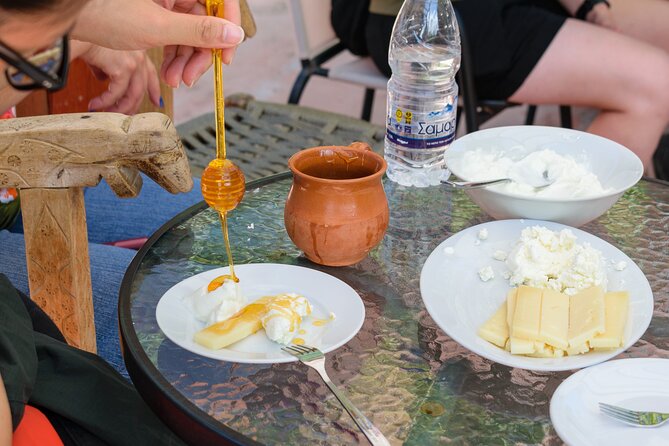
- Vryses cheese factory tasting: sample Graviera, Mizithra, or Anthotiros
- Fres lunch in a village: a traditional meal, not just a snack
- Small group pace (up to 20): easier conversation with your guide and less waiting around
The 8:00 AM Plan: How This 6-Hour Tour Feels in Real Life
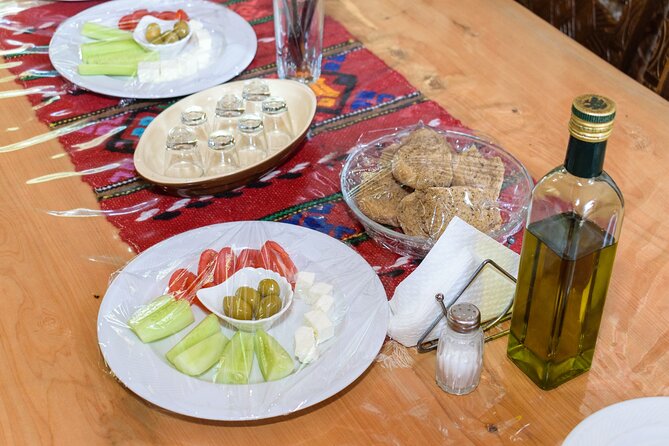
This tour is built as a “food route,” not a sit-and-stare sightseeing day. You start at 8:00 am, board an air-conditioned vehicle, and then rotate through several production-focused stops: spirit, olive oil, cheese, and lunch in a village setting. The total time is about 6 hours, with 1 hour and 45 minutes set aside for transfers between destinations. That transfer time matters. It means you’ll spend a fair chunk traveling, but it also means the schedule packs in multiple tastings without you having to drive.
Because the tour ends back at the meeting point, you’re not stuck figuring out how to get back at the end. It’s also listed as near public transportation, which is a helpful backup plan if you prefer to take transit before meeting the group.
What I like for your trip planning: this is a straightforward early-day option that pairs well with a slower late afternoon in Chania afterward. You can eat early, taste broadly, and still have energy left to wander markets or sit by the waterfront later.
What to consider: if you’re the type who wants “every stop to be long,” this may feel quick. The stops are timed (about 1 hour 45 minutes for the distillery, then smaller chunks for olive oil and cheese, then lunch), so bring your curiosity and stay flexible.
You can also read our reviews of more food & drink experiences in Crete

Peroulakis Distillery: Raki Tasting and the Story Behind the Spirit
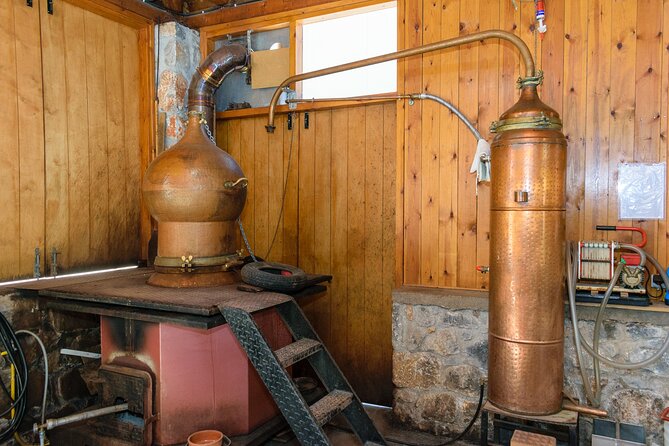
Your first stop is Peroulakis Distillery, and this is where the tour earns its name. You’ll learn about the local “spirit” in a raki distillery, take a tour, and taste what many Cretans think of as an ancestor-linked drink. The time here is about 1 hour 45 minutes, which is generous enough to get beyond a quick pour-and-go.
Why this stop is valuable: raki isn’t just a flavor. It’s tied to how people think about hospitality and local tradition. In a tasting setting, you’re not just buying a bottle—you’re getting the context for what you’re tasting, plus the chance to ask the kind of questions that only come up when you’re standing near the production process.
Also, note the tour includes alcoholic beverages. That means you can expect more than water during the sampling parts of the day. If you’re sensitive to alcohol or you plan to drive later, plan accordingly (and if you’re not sure, ask your guide what’s coming).
How to get the most out of the distillery visit:
- Pace yourself at the first tasting so you can enjoy the rest of the day.
- Use the guide’s explanations as a comparison tool. When you taste the raki, you’ll understand why the same spirit can still taste different depending on how it’s made and served.
Tsivaras Olive Mill: Why Olive Oil Feels Like Crete’s Whole Economy
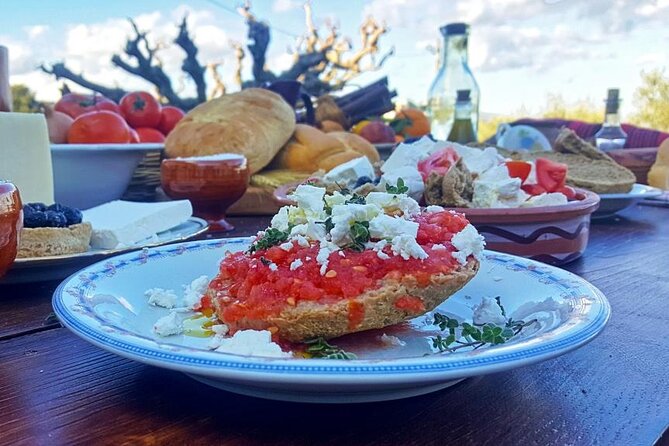
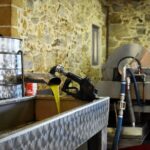
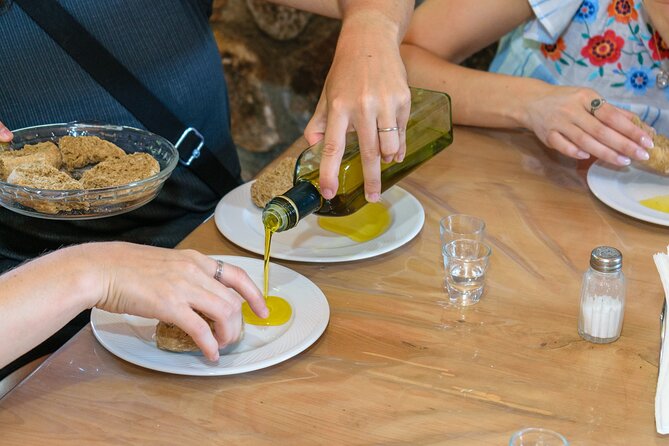
Next up is Tsivaras, an olive mill stop focused on the “gold” product: olive oil. This portion runs about 1 hour 25 minutes, and it’s built to teach rather than just sample.
Olive oil can seem straightforward until you taste it and learn what goes into it—then you start noticing differences right away. Here, you get to connect the dots between the production process and the flavor in your glass and on your bread. The tour keeps this stop free of additional admission fees, so your cost doesn’t creep up at each production site.
Practical tip: olive oil tastings work best when you keep your palate clear. If you’re already hungry when you arrive, try to start with small tastes before you eat anything extra on your own.
This stop is also a nice contrast to the distillery. Raki is about fermentation and distillation culture; olive oil is about plants, pressing, and freshness. Having both back-to-back helps your brain organize what you’re learning.
Vryses Cheese Factory: Graviera, Mizithra, or Anthotiros
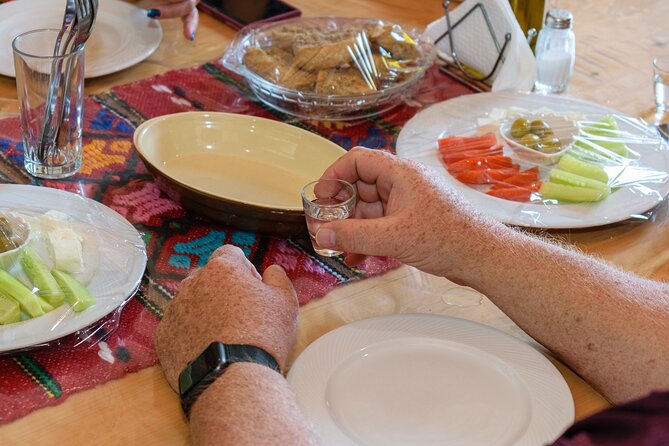
After olive oil, the tour heads to Vryses, a cheese factory where you’ll taste local varieties: Graviera, Mizithra, or Anthotiros. The scheduled time is about 1 hour 5 minutes.
Cheese tastings hit a sweet spot on food tours. They’re social, easy to talk about, and they don’t require you to be an expert. But they also reward attention. Each cheese family tends to have a distinct texture and saltiness, and once you taste a few, you’ll start noticing what makes a Cretan cheese different from what you may find at home.
What you can expect from a stop like this:
- A guided explanation of the cheeses you’re tasting.
- A tasting setup that lets you compare flavors within the same local cheese world.
- Time to ask questions about how these cheeses are made and used locally.
One small note: the wording suggests you’ll taste one or more of those varieties (Graviera, Mizithra, or Anthotiros). Either way, you’ll come away with a better sense of what locals mean when they talk about cheese as part of everyday food.
Fres Lunch in a Village: The Point Where It Stops Being Academic
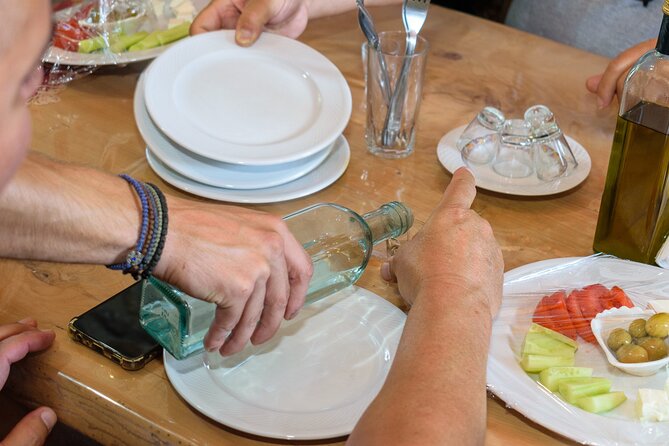
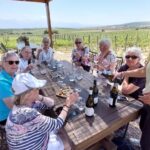
Then comes the part you’ll remember: Lunch at Fres, described as a picturesque village stop for traditional dishes. The lunch time is about 1 hour 45 minutes.
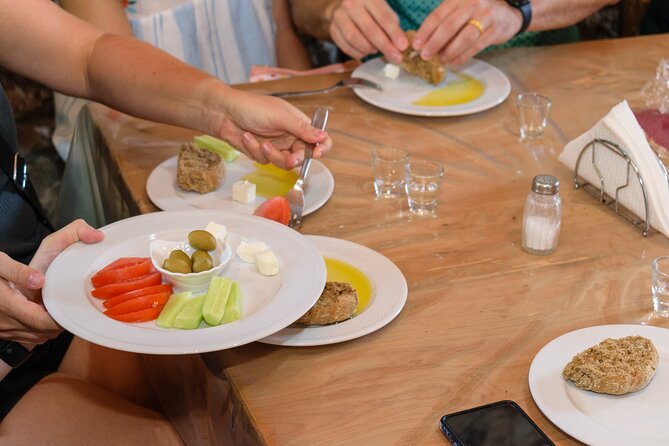
This is where the tour turns from “production education” into actual eating. The inclusion list says lunch is included, and it also includes bottled water per person. You’re not left searching for a restaurant or worrying that you’ll spend extra just to feel full.
Why this lunch stop matters for value: many food tours in tourist areas give you tiny portions that leave you hungry. Here, the schedule includes a proper lunch block, and the overall pricing seems designed around feeding you, not just letting you taste.
How to maximize the lunch:
- If you’ve tasted alcohol earlier, slow down and choose what sounds best from the menu.
- Use lunch to reset your palate so the day doesn’t blur together. When your taste buds are refreshed, you’ll enjoy the last parts of the experience more.
A helpful extra detail from past participants: on some tours, the guide also added a stop at a church built into the mountain. It isn’t listed as a fixed stop in the core flow, but it’s a good example of how the day can include meaningful local sights alongside food.
A few more Crete tours and experiences worth a look

The Guide Makes It Work: Yannis, Local Explanations, and a Human Pace
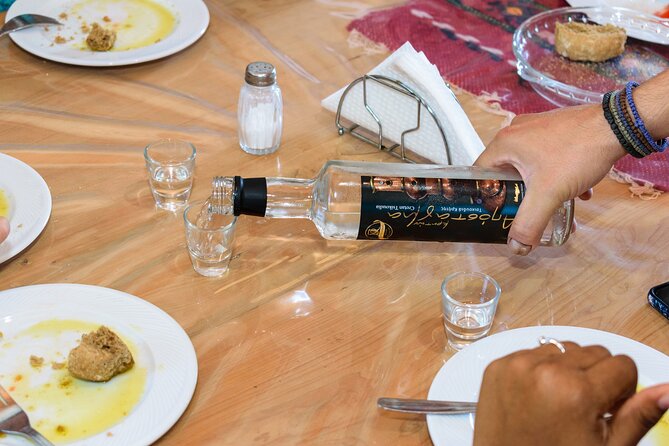
This kind of tour succeeds or fails based on the guide. On at least one private tour experience, the guide Yannis was called out as a standout, and that makes sense. A food tasting day needs someone who can translate food culture into something you can taste and understand quickly.
In that same experience, the group also got a smooth mix of the production sites, a visit to that church built into the mountain, and lunch served by a warm local host in a small town. Those human touches matter because they turn the day from a checklist into a story you can carry home.
The tour is also capped at 20 travelers, which usually means fewer people, less waiting, and more room for questions. You’re not shouting over a crowd or rushing through a tasting line.
Who will be happiest on this tour?
- Couples and small groups who enjoy learning through food
- People who want Crete’s flavors in a time-efficient way
- Travelers who like guided context (not just eating)
If you’re looking for a slow-moving photography tour or a beach-first schedule, this may not fit your style.
Alcohol, Appetite, and Timing: How to Show Up Like a Pro
Because alcoholic beverages are included, your “what to do before you go” matters. Even if you don’t plan to drink much, you’ll still be surrounded by tastings and may be offered pours during the production visits.
Here’s how I’d plan it in a practical, no-stress way:
- Eat a light breakfast before you meet at 8:00 am so you don’t feel rushed during tastings.
- Keep water handy. The tour includes bottled water per person, but you’ll still feel better if you sip steadily.
- Wear comfortable shoes. Factory and distillery floors can be uneven, and you’ll be walking during tastings and tours.
Also, remember this tour depends on good weather. That doesn’t mean you’ll abandon everything at the first cloudy sky, but it does mean the provider can cancel and offer a different date or a full refund if weather affects the tour.
Finally, tell them about any dietary restrictions, food allergies, or health concerns when you book. That’s not just good manners—it helps the team manage what you’re offered safely.
Price and Value: Is $138.18 Worth It?
At $138.18 per person, this isn’t a budget snack crawl. But value-wise, it looks more like a bundled education + feeding day than a “light tasting.” Here’s what you actually get, and why it adds up:
What’s included:
- Lunch
- Air-conditioned vehicle
- Alcoholic beverages
- All fees and taxes
- Bottled water per person
- English-speaking local driver/escort
- All tours & tastings
How the schedule supports the price:
You get time at a real raki distillery (with an admission ticket included), plus olive mill and cheese factory tastings, plus a full meal. If you tried to recreate this independently in Crete, you’d be paying for transport, admission, and guide time separately. You’d also spend your own time coordinating multiple production stops.
There’s also a small group cap of 20 travelers, which makes the experience feel more personal than large bus tours. If you care about asking questions and getting context, that’s part of the value.
One more “hidden” value: bookings are described as often made about 18 days in advance on average. In plain terms, this popular tasting route can fill, especially in higher season. If you want your preferred date, don’t wait until the last week.
Who Should Book This Chania Villages Food Tasting Tour?
Book it if you want:
- Raki, olive oil, and cheese all in one guided day
- A traditional lunch included (not a token portion)
- A small-group feel with an English-speaking escort
- A structured route with transport handled for you
Skip it if:
- You dislike multi-stop days with lots of driving time
- You want a fully independent experience with no scheduled tastings
- You’re trying to avoid any exposure to alcohol-related tastings
If you’re on the fence, think about what you enjoy most: if you love understanding food culture by tasting the real products, this tour is a strong match.
FAQ
How long is the Food Tasting Tour of Chania Villages?
It lasts about 6 hours (approximately), starting at 8:00 am and ending back at the meeting point.
What’s included in the price?
The tour includes lunch, air-conditioned vehicle, alcoholic beverages, all fees and taxes, bottled water per person, and all tours and tastings with an English-speaking local driver/escort.
What stops are part of the tour?
The main stops are Peroulakis Distillery (raki), Tsivaras (olive mill/olive oil), Vryses (cheese factory tastings), and Fres for lunch.
Are admission tickets included?
Yes. The distillery stop includes admission ticket, and the other listed stops are described as admission ticket free.
What cheeses will I taste?
You’ll taste local varieties such as Graviera, Mizithra, or Anthotiros.
Is the tour suitable for people with dietary restrictions?
You should notify the provider about dietary restrictions, food allergies, or health concerns when making your reservation so the team can aim to make your dining experience enjoyable and safe.
Is the tour weather dependent?
Yes. The experience requires good weather, and if it’s canceled due to poor weather, you’ll be offered a different date or a full refund.
Can I cancel for a full refund?
Yes. You can cancel up to 24 hours in advance of the experience for a full refund.
How big is the group?
The tour has a maximum of 20 travelers.
Should You Book This Chania Villages Food Tasting Tour?
If your goal is to taste your way through Crete’s core foods—raki, olive oil, and cheese—and still get a real lunch, this is a smart way to spend a morning. The included transport, guide help in English, and the small-group cap are the kind of practical advantages that make a tasting day feel smooth instead of chaotic.
Just go in knowing it’s structured and time-packed, with transfers built in, and that weather can affect the schedule. If that works for you, this is the kind of day that gives you flavors you’ll remember long after you leave Chania.