REVIEW · PLOVDIV
Food Walk Plovdiv: Bulgarian Food and Culture Tour
Book on GetYourGuide →Operated by Plovdiv Walks · Bookable on GetYourGuide
Food in Plovdiv has a soundtrack of stories. This Food Walk turns a morning stroll into a guided spread of flavors, from a farmer’s market stop to a full honey degustation, all with a small group size (max 10) and an English-speaking guide like Daniel, known for clear explanations and lively pacing.
I especially like how the food connects to everyday life, not just names on a menu. And you’ll leave with practical instincts for what to order next time you’re on your own in Plovdiv. One thing to watch: it’s built as an all-tastes route, so you may want to skip breakfast before you go, even if you’re the type who thinks it’s impossible to eat that much.
In This Review
- Key Points You’ll Care About
- What This Food Walk in Plovdiv Really Does (And Why It’s Worth 3 Hours)
- Meeting Point and Start Time: Where You’ll Actually Find the Group
- The Market Stop: How a Farmer’s Market Teaches You More Than Shopping
- Banitsa and the Comfort-Food Moment You Can’t Skip
- Ayran and the Market-to-Street Flavor Bridge
- Mekitsa, Lyutenitsa, and the Tangy-Savory Payoff
- Pirozhka, Herbs, and Sausage: When the Tour Gets Properly Savory
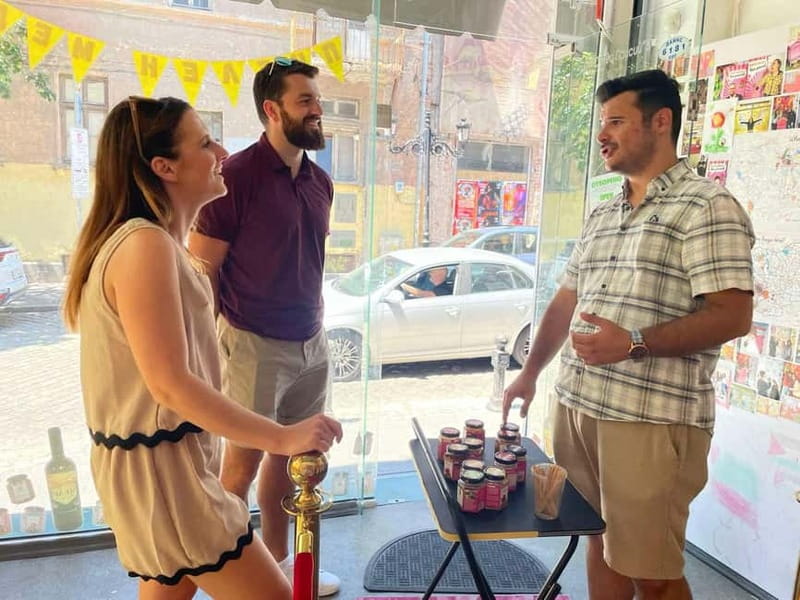
- Honey Degustation: A Dedicated Tasting With Real Flavor Differences
- Lunch-Style Restaurant Stop: Where Snacks Turn Into a Meal
- Sweet Ending: Halva, Nuts, Fruits, and Herbal Tea
- Price and Value: Why $58 Often Feels Fair on This One
- Who This Tour Fits Best
- Things to Consider Before You Book
- Should You Book the Food Walk Plovdiv?
- FAQ
- What is the duration of the Food Walk Plovdiv?
- How much does it cost?
- Where do we meet for the tour?
- What days does the tour run and when does it start?
- Is the tour group small?
- What language is the tour guide?
- What food is included in the price?
- Do you include honey tasting?
- Is the tour wheelchair accessible?
- What should I do about allergies or dietary preferences?
Key Points You’ll Care About
- Small group (up to 10): easier questions, more conversational stories, less waiting around.
- Market time in a local-food way: you’re not just looking; you’re tasting and learning what people actually buy.
- Full honey degustation: more than one spoonful, with enough variety to notice flavor differences.
- Banitsa and mekitsa included: two Bulgarian comfort-food favorites you can’t easily recreate on the fly at home.
- Savory-to-sweet flow: ayran, spreads, sausages, plus fruit, nuts, halva, and herbal tea.
What This Food Walk in Plovdiv Really Does (And Why It’s Worth 3 Hours)
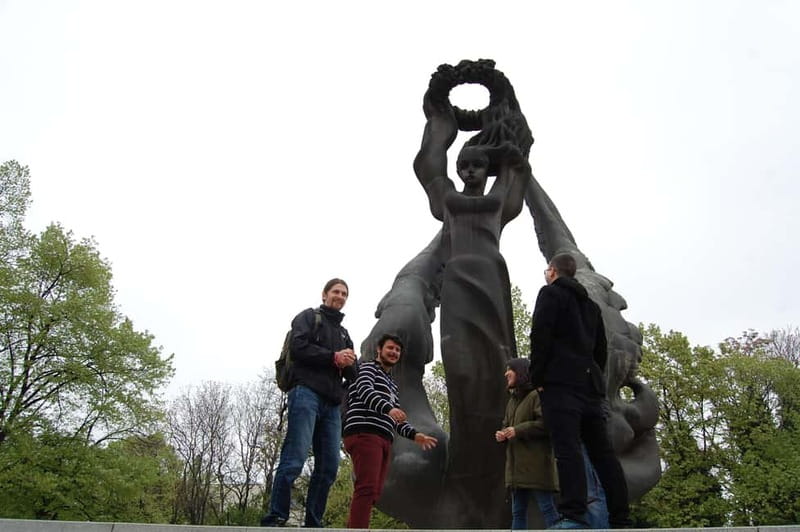
A good food tour doesn’t just feed you. It teaches you how to read a city through what people eat on normal days. That’s the point of this Bulgarian Food Walk in Plovdiv: you get a professional local guide, you try a set list of tastings, and you get stories that explain why these foods fit Plovdiv’s culture.
With a 3-hour length and a max group of 10, the pace stays human. You’re walking, tasting, and asking questions without feeling stuck in a cattle-line. And because the route includes both market culture and restaurant dishes, you get a fuller picture of what Bulgarian food looks like from ingredient to plate.
The price—$58 per person—might sound like more than buying a single meal. But you’re not paying for one dish. You’re getting all tastings included, plus a licensed guide and multiple food moments: banitsa, mekitsa, pirozhka, sausages, Bulgarian spreads, fruits, nuts, halva, and herbal tea, along with a dedicated honey tasting.
You can also read our reviews of more walking tours in Plovdiv
Meeting Point and Start Time: Where You’ll Actually Find the Group
The tour starts at 10 o’clock on Friday, Saturday, and Sunday. You gather at Unification Square, and you’ll find the guide waiting between a statue and the Archaeological Museum, looking east.
This matters because Plovdiv’s center can feel like a patchwork of plazas and old streets. Arriving a few minutes early helps you find the guide fast, especially on a day when other things might be happening around the museums and squares.
Once you’re with the group, expect a walking-focused format. It’s not a long-distance trek, but it’s enough movement that bringing hand sanitizer or tissues is actually useful.
The Market Stop: How a Farmer’s Market Teaches You More Than Shopping
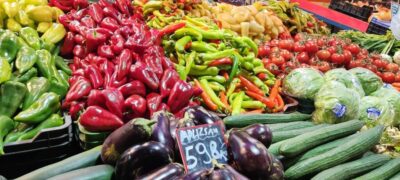
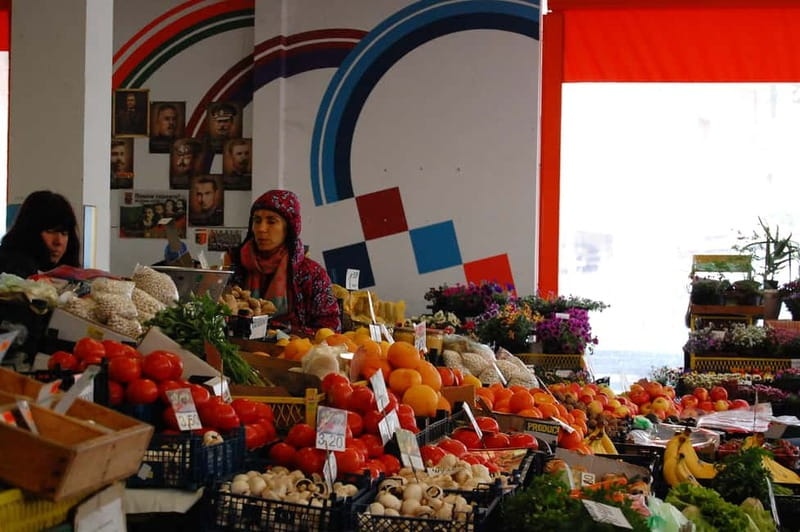
One of the most praised parts is the market time. This is where the “food walk” part turns real. You’re exploring a local farmer’s market in a way that’s meant to make you pay attention—what’s in season, what locals grab, and what flavors show up again later in the tour tastings.
In Plovdiv, market food culture is a shortcut to understanding the city. You learn what Bulgarian spreads pair with bread, why certain ingredients show up in common snacks, and how herbs and simple components create big flavor. In at least one version of the tour experience, the guide also keeps things playful with a quick quiz about products and interesting facts. Even if you don’t win anything, it’s a smart way to remember what you tasted.
If you’re a foodie who likes to buy ingredients at home, this market portion is the part you’ll use later. You’ll know what to look for (and what to ask for) when you’re standing in a store in Bulgaria—or trying to recreate the flavors back home.
Banitsa and the Comfort-Food Moment You Can’t Skip
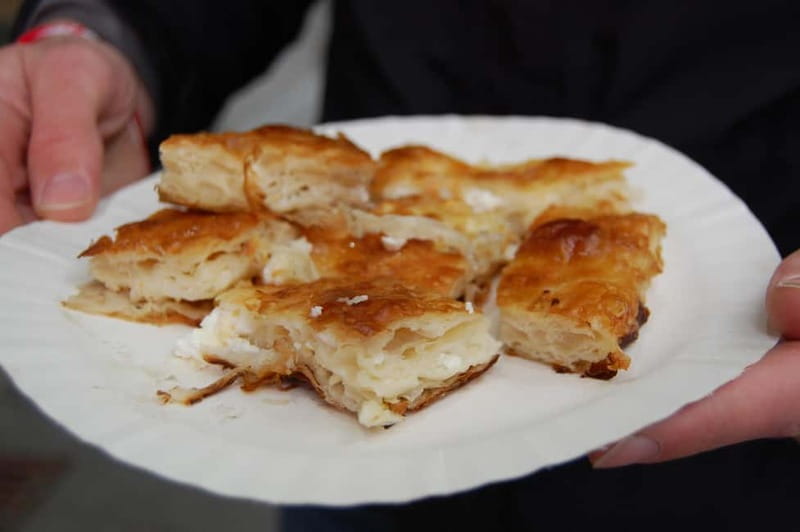
Banitsa shows up early in the included lineup, and it’s a big deal for a reason. It’s one of those Bulgarian staples that feels simple until you taste a good one. The flaky layers, the filling balance, and the way it works as both breakfast-adjacent and snack food makes it a key “starter” dish on this tour.
For you, the value is practical: after tasting banitsa with the guide’s context, you’ll be able to order it with more confidence later. You’ll also understand why it’s such an everyday food in Plovdiv, not a one-off tourist item.
And yes, banitsa is filling. This is where the advice to skip breakfast becomes real, not optional.
Ayran and the Market-to-Street Flavor Bridge
You also taste airyan (ayran), the Bulgarian yogurt drink. It’s one of those foods that works as a palate reset during a walking-and-tasting tour. Between richer pastries and savory items, ayran helps the next bite land clean.
Think of it as the guide’s way of keeping the tour moving smoothly through different flavors and textures. If you’ve ever wondered how people handle repeated food stops without feeling crushed by taste overload, ayran is part of the answer.
Mekitsa, Lyutenitsa, and the Tangy-Savory Payoff
Next comes mekitsa (the included item list specifically calls out mekitsa with lyutenitsa). That combo is where Bulgaria’s sweet-spicy, peppery side starts to show up.
Mekitsa can be slightly indulgent on its own. Adding lyutenitsa brings a tangy, savory punch that makes the whole bite feel more complete. For many people, this is one of the stops that turns the tour from “nice bites” into a memory you can describe later without checking notes.
Pirozhka, Herbs, and Sausage: When the Tour Gets Properly Savory
The included tastings broaden into savory comfort foods:
- Pirozhka
- Traditional sausages
- Bulgarian spreads
- Fresh fruits
And from the market portion, you’re also tasting something herb-forward as part of the guided education. This is important because Bulgarian cuisine often relies on straightforward ingredients—bread, dairy, peppers, herbs, meat—and makes them shine through balance, not complexity for its own sake.
If you’re the type who worries that food tours will overdo sweets, this segment helps keep the tour grounded.
Honey Degustation: A Dedicated Tasting With Real Flavor Differences
The honey degustation is one of the tour’s signature highlights. And because it’s singled out as a full degustation, it isn’t just one quick spoonful and off you go.
For you, the payoff is noticing differences. Honey isn’t all the same color and sweetness. During a guided honey tasting, you get a better sense of what you’re actually smelling and tasting, instead of treating it like a generic dessert add-on.
If you like food education, this is where you’ll feel it most. You’ll likely taste and compare enough that you can take the idea home: how to pick honey you actually want, not just the one that looks pretty.
Lunch-Style Restaurant Stop: Where Snacks Turn Into a Meal
This tour also includes a visit to a local restaurant. That’s a key difference from small tasting-only experiences that never change pace.
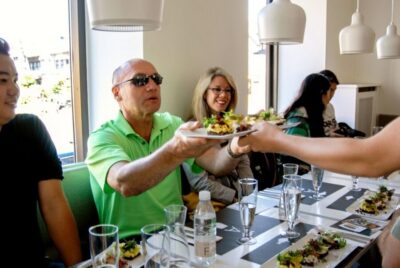
A restaurant moment gives you a break from constant snacking while still staying in the tour flow. It also helps you connect what you’ve been tasting in the street or market to a sit-down food culture, where cooking methods and ingredient choices show up more clearly.
This stop is also where the stories and cultural context tend to feel most useful. Not because it’s abstract, but because you can connect it to what’s on the table.
Sweet Ending: Halva, Nuts, Fruits, and Herbal Tea
No Bulgarian food tour is complete without sweets and warm drinks. Here, you get:
- Halva
- Nuts
- Fresh fruits
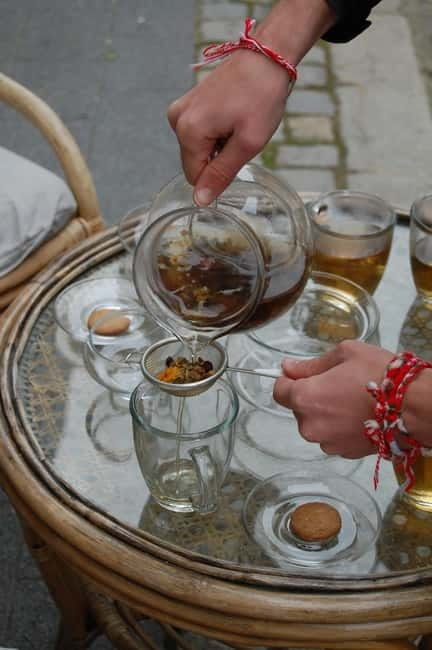
- Traditional herbal tea
This combo matters because it balances the heavier bites. Nuts and halva give you that dense, satisfying sweetness. Fruit adds freshness. Herbal tea closes the loop and helps reset your palate for the walk back out into Plovdiv.
If you’re wondering what “traditional herbal tea” means here: you’ll be served it as part of the included tasting list, so it’s part of the designed flow, not an optional add-on.
Price and Value: Why $58 Often Feels Fair on This One
Let’s talk about money in plain terms.
At $58 for a 3-hour, small-group tour that includes all tastings—multiple savory items, pastries, spreads, honey degustation, fruits, nuts, halva, herbal tea, and more—you’re paying for:
1) a licensed local guide,
2) guided tasting in places you might miss on your own, and
3) food that would add up quickly if you ate these items separately.
If you were to buy everything à la carte, you’d likely spend more once you factor in multiple stops and drinks. Here, the tour handles the structure. You just show up hungry and curious.
Who This Tour Fits Best
This Food Walk in Plovdiv is a great fit if you:
- Want a high-food-to-effort morning or midday plan.
- Enjoy markets and like learning how ingredients connect to local snacks.
- Prefer a small group (10 people max) so the guide can tailor explanations.
- Want English-led storytelling with practical food context.
It’s also a smart option for first-time visitors to Plovdiv. You’ll get oriented around the city center and learn what kinds of foods you’ll see again and again.
Things to Consider Before You Book
A few practical points to decide if it’s your style:
- It’s a tasting-heavy route. If you hate big portions, plan to go slower and let the guide know your comfort level.
- If you’re vegetarian or vegan, or you have known food allergies, you should message the provider beforehand. The tour is clear that they want to know, and you’ll be asked to share dietary needs.
- You’ll want to bring tissues or sanitizer. This is a walking-with-food format.
Should You Book the Food Walk Plovdiv?
I’d book it if you want an easy, structured way to experience Bulgarian food culture in Plovdiv without guessing. The market portion plus honey tasting plus the mix of savory classics (banitsa, mekitsa, pirozhka, sausages) creates a full arc in only 3 hours. It’s also a strong value when you look at how many included tastes you get for the price.
Skip it only if you strongly dislike guided tastings, don’t enjoy sampling multiple foods in one go, or have dietary restrictions that you suspect can’t be handled with the advance info they ask for.
If you’re on the fence, aim for the weekend slots, show up a little early near Unification Square, and treat it like your Plovdiv food crash course.
FAQ
What is the duration of the Food Walk Plovdiv?
The tour lasts 3 hours.
How much does it cost?
It costs $58 per person.
Where do we meet for the tour?
The guide waits between the statue and the Archaeological Museum, looking to the East.
What days does the tour run and when does it start?
It runs every Friday, Saturday, and Sunday, starting at 10 o’clock.
Is the tour group small?
Yes. The group is limited to a maximum of 10 participants.
What language is the tour guide?
The live tour guide speaks English.
What food is included in the price?
All tastes are included. The listed items are banitsa, seasonal local herbal tea, airyan, mekitsa, pirozhka, halva, fresh fruits, nuts, traditional sausages, and Bulgarian spreads.
Do you include honey tasting?
Yes. A full local honey degustation is included.
Is the tour wheelchair accessible?
Yes, it’s listed as wheelchair accessible.
What should I do about allergies or dietary preferences?
You’ll be asked to provide information about food allergies and whether you are vegetarian or vegan, or have other specific dietary requirements.