REVIEW · BUDAPEST
Budapest: Central Market Hall Guided Food Tour with Tastings
Book on GetYourGuide →Operated by Gábor Glasner · Bookable on GetYourGuide
Food clues hide in plain sight at markets. This guided walk through Budapest’s Central Market Hall turns the building into your classroom, with store-to-store tastings that make Hungarian grocery staples feel easy to order later. I especially like how quickly the tour gets you tasting real products instead of lecturing from a distance.
My second favorite part is the way you connect food to drinks: you’ll look at a big 3D map of Hungary’s wine regions, learn about pálinka, and hear the fröccs story, all while you sample typical items like paprika, cheese, and honey. One thing to consider: meat plays a major role in Hungarian cuisine, so the tastings are only partially suitable for vegans and vegetarians.
In This Review
- Key highlights at a glance
- Entering Central Market Hall (1895): why this tour works
- Meeting at Sóház utca 2 and the German-language reality
- Store-to-store tastings: salamis, cheese, paprika, and honey
- What cold-only tastings means for your hunger
- The wine lesson: Hungary’s wine regions, pálinka, and fröccs
- Why this drink context is worth it even without wine tasting
- Timing and pacing: what 40 minutes actually feels like
- What you take home: digital Budapest restaurant guide and WineGuide
- Is this tour good value at $15?
- Who should book this Central Market Hall guided tasting
- Should you book this Budapest market hall tasting?
- FAQ
- Where do I meet the guide?
- What language is the tour guide speaking?
- How long is the Central Market Hall guided food tour?
- Are warm dishes or wines included?
- Is the tour suitable for vegans or vegetarians?
- Is the tour wheelchair accessible?
Key highlights at a glance
- 1895 Central Market Hall: Go inside and understand how this market shapes what locals cook and buy
- Paprika lessons you can taste: Different types, with real samples, not just labels
- Three kinds of honey: Sweet tastings that explain how Hungarian flavors are built
- Sámoan-like focus on cured goods: Salamis and sausages are front and center
- Wine regions explained fast: A 3D map plus pálinka and fröccs context
- Digital take-home guides: A Budapest restaurant guide, WineGuide, and a receipt-style booklet
Entering Central Market Hall (1895): why this tour works
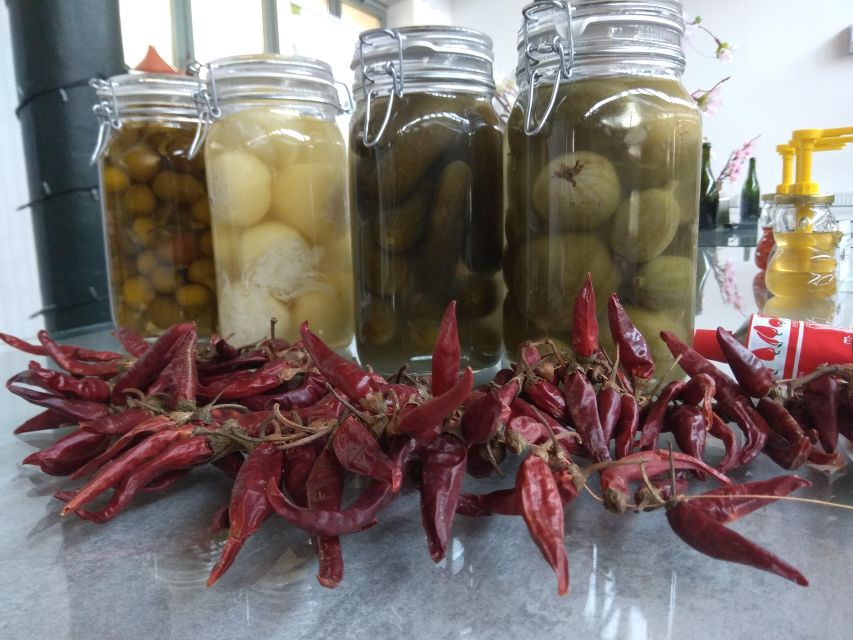
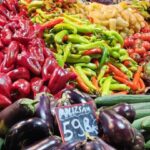
Central Market Hall is the kind of place that can overwhelm you if you show up solo. You see stalls stacked with paprika, sausages, and jars of honey, but without context it’s hard to tell what’s worth your money and what’s just souvenir packaging.
This tour keeps things practical. You move by walking from store to store, and you taste as you go. That combo matters in Budapest, because markets here aren’t just shopping; they’re a shortcut to Hungarian flavor—cold cuts, spice, cheese, sweet jars, and the drinks people talk about at the table.
The building itself helps. You’re stepping into a market hall built in 1895, and the atmosphere makes it feel like the food is part of the architecture. Even if you think you know what Hungarian food is, you’ll likely learn how locals think about seasoning, curing, and pairings.
You can also read our reviews of more food & drink experiences in Budapest

Meeting at Sóház utca 2 and the German-language reality
You’ll meet at the side entrance of Central Market Hall on Sóház utca 2. Your guide has a red sticker that says GastroGuides Budapest, so you can spot them without playing guessing games.
The tour is guided in German. If you’re comfortable following German at a conversational pace, you’ll get the most value from the wine-region explanations and the practical tips at the end. If German is a stretch, you can still enjoy the tastings, but you may miss some of the nuance behind the products.
The tour also ends back at the same meeting spot, which is handy when you’re building the rest of your day. Central Market Hall is a natural stop in any Budapest itinerary, so this doesn’t trap you far from the area.
Store-to-store tastings: salamis, cheese, paprika, and honey
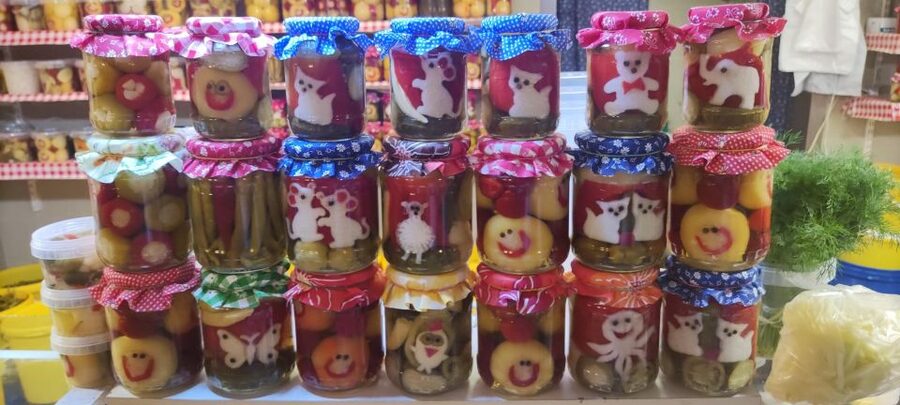
This is a guided food walk where the tastings are cold dishes only. That’s important for expectations. You’re sampling the Hungarian staples you’d actually buy and snack on, not settling into a long warm-meal experience.
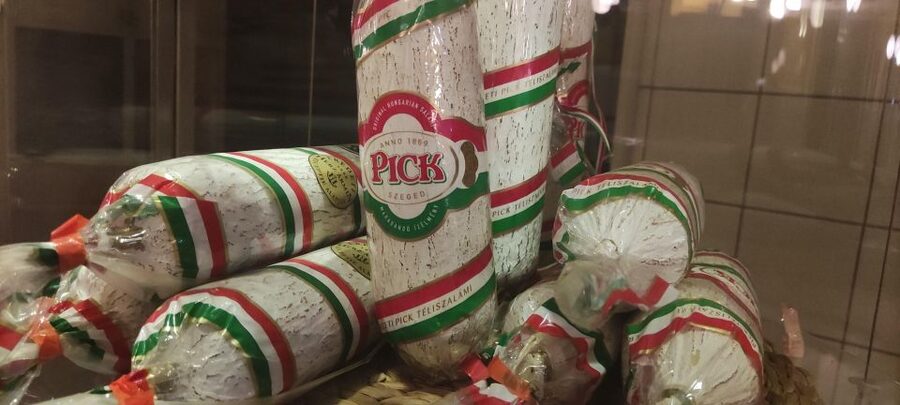
You’ll try classic Hungarian salamis and sausages. If you like cured meats, this part will feel like the tour’s backbone. Even if you don’t love meat, it helps to know what locals are reaching for in the market, because that’s what most menus and deli counters are built around.
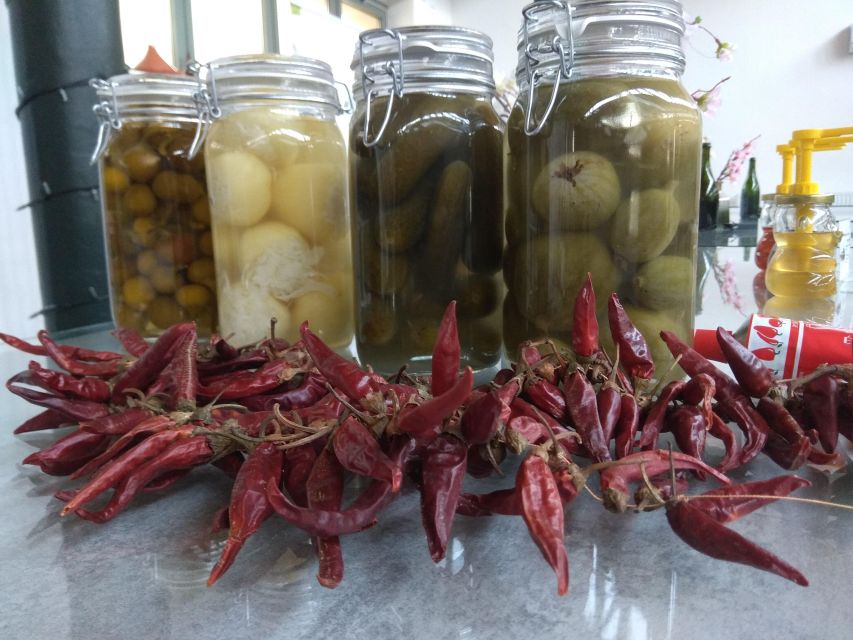
Then you’ll get into paprika and why it’s more than a single red powder. The tour teaches you about different types of paprika and you taste them. That detail pays off later: if you’re shopping for pantry spices, you’ll have a better sense of what you’re buying and how it might taste in cooking.
Cheese shows up too, with the tour featuring a typical Hungarian sort of cheese for tasting. You’re not expected to master a dairy dictionary in 40 minutes. The point is to help you recognize what’s common here, so you can look for it later without feeling lost.
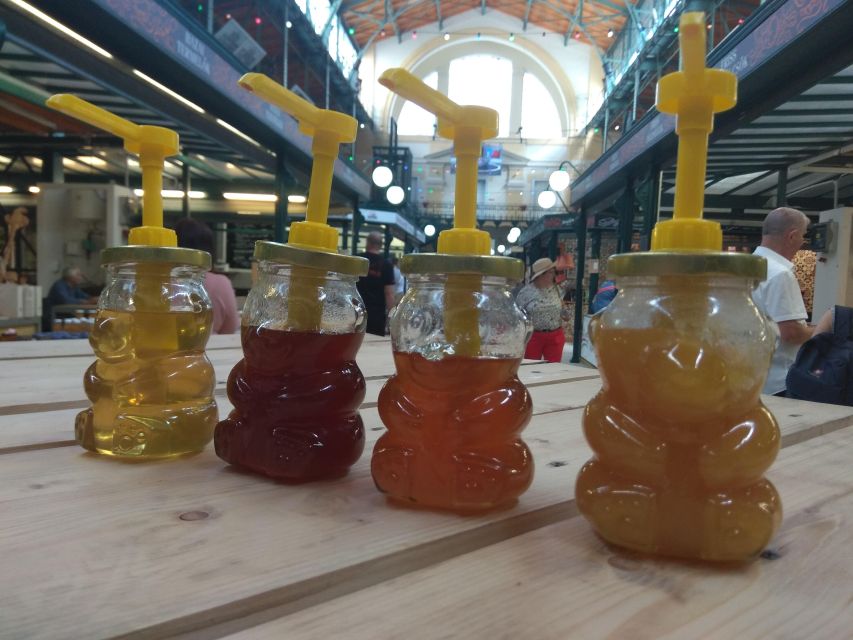
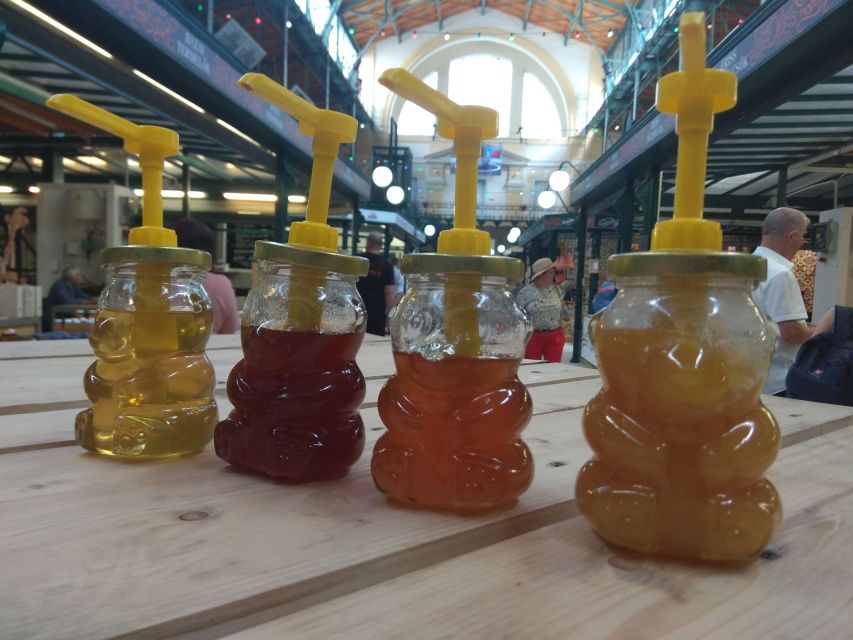
And you’ll finish with honey: three different local honeys. This is one of those “small” tasting segments that often makes people smile. Hungarian honey can be noticeably different depending on source and processing, and tasting three back-to-back makes it easier to understand that sweetness isn’t one-note.
What cold-only tastings means for your hunger
Because warm dishes like goulash aren’t included, I recommend treating this as a flavor sampler, not a full meal. If you’re doing this early in the day, you’ll want a real lunch or dinner afterward. If you’re doing it later, you can use the restaurant guide you receive to plan a proper next stop.
The wine lesson: Hungary’s wine regions, pálinka, and fröccs
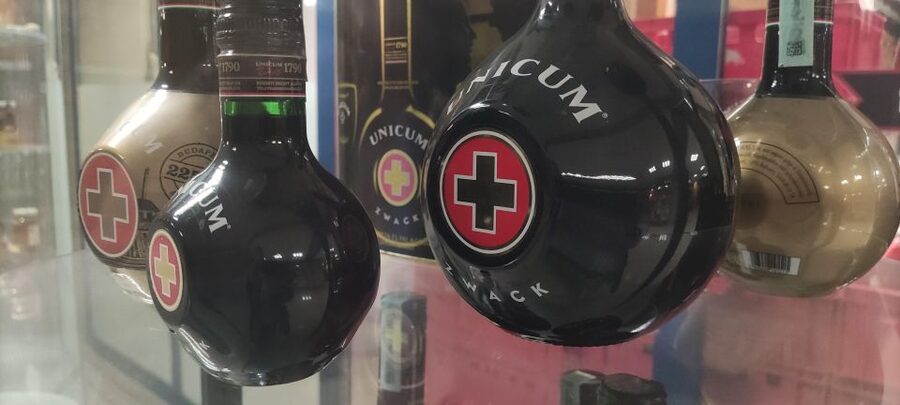
One reason this tour rates so well is that it connects food to drinks without making you sit through a seminar. You’ll learn about Hungarian wine regions and wines using a big 3D map of Hungary. It’s a fast way to understand where the wine identity comes from and why people talk about different styles.
You’ll also learn about pálinka, which is Hungarian fruit brandy. You don’t get wine tasting here, but learning what pálinka is (and what fröccs is) gives you vocabulary for when you’re offered drinks at restaurants or wine bars.
Fröccs is explained as well—wine with soda water. That matters in Budapest because it’s one of those local ordering habits that’s easy to miss if you only know standard wine service. Even if you don’t drink much, having the concept down helps you read menus and make a confident choice.
A few more Budapest tours and experiences worth a look






Why this drink context is worth it even without wine tasting
No wine is included, but the tour’s wine education still adds value. You’re not just tasting spices and cured meats; you’re learning how Hungarians connect those flavors to what they drink. That makes future ordering easier, especially if you want something light, something spirit-based, or something straightforward and traditional.
Timing and pacing: what 40 minutes actually feels like
The tour lists a duration of about 40 minutes. Another part describes the market visit portion as roughly 45 minutes, so think of this as a quick sprint rather than a slow wander.
The practical takeaway: you’ll get a focused sequence of tastings and explanations. You won’t have time to fully browse the entire hall on your own during the tour. You’re there for guided context, not for independent shopping.
That’s good news if you like structure. If you’re the type who wants to linger and compare dozens of products, you might do extra shopping right after the tour using what you learned.
What you take home: digital Budapest restaurant guide and WineGuide
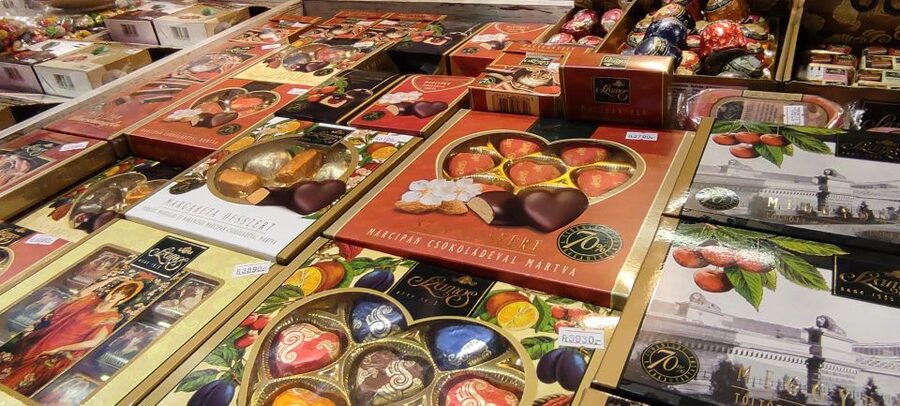
This tour doesn’t end when the tastings stop. You get digital materials that help you eat smarter in Budapest afterward.
You’ll receive:
- A restaurant guide for Budapest in a digital version (described as a 12-site guide)
- A little Hungarian receipt book in digital form
- A WineGuide in digital form
These aren’t just nice-to-have PDFs. They’re meant to steer you toward what’s worth eating, based on what the tour teaches you at the hall. At the end of the tour, you’ll also get insider tips on what’s worth eating in Budapest and which Hungarian specialties are the best fit for your tastes.
Is this tour good value at $15?
At $15 per person, this is one of those Budapest experiences that punches above its weight. You’re paying for:
- A guided walking visit inside Central Market Hall
- Multiple tastings (cold dishes only)
- Product education (paprika types, honey varieties, cheese, and cured meats)
- A structured introduction to wine regions plus pálinka and fröccs
- Digital restaurant guidance you can use later
Because warm dishes and wines aren’t included, the price stays reasonable. You’re not paying for a heavy meal. Instead, you’re paying for expert sorting: someone helps you separate the stuff that tastes good from the stuff that’s mostly there for tourists.
If you want a sit-down lunch, choose a restaurant for that. If you want quick, high-impact flavor sampling plus smart guidance, $15 feels like a fair trade.
Who should book this Central Market Hall guided tasting
This tour is a good fit if you:
- Want a short, guided way to understand Hungarian market foods
- Like tasting multiple products rather than ordering one dish
- Enjoy learning how locals talk about drinks, even if you don’t do full wine tastings
- Prefer practical insider tips you can use that day and the next
It’s less ideal if:
- You need wheelchair accessibility, because it’s not suitable for wheelchair users
- You’re vegan or strictly vegetarian, since meat plays an important role in Hungarian cuisine and the tour is only partially suitable
If you do eat meat but want to keep it simple, this will likely feel fun and educational. If you avoid most animal products, you’ll need to think carefully before booking, because the tour’s focus naturally leans toward Hungarian cured and meat-based items.
Should you book this Budapest market hall tasting?
I’d book it if you want a fast, guided route through Central Market Hall with real tastings and a quick beer-adjacent bonus: you’ll walk away knowing how Hungarian wine culture works, including pálinka and fröccs. It’s also a smart choice if you like having a take-home restaurant guide so your next meal feels less like guessing.
I would skip it if you mainly want a full meal inside the market. This tour is tastings plus education, not warm-dish dining. Also skip if the German-language format will slow you down too much.
If you’re planning your first trip to Budapest and Central Market Hall is on your list anyway, this is one way to make that stop pay off fast.
FAQ
Where do I meet the guide?
Meet at the side entrance of the Central Market Hall at Sóház utca 2.
What language is the tour guide speaking?
The tour is guided in German.
How long is the Central Market Hall guided food tour?
The tour duration is listed as 40 minutes (starting times depend on availability).
Are warm dishes or wines included?
Food tastings are cold dishes only. Warm dishes like goulash are not included, and wines are also not included.
Is the tour suitable for vegans or vegetarians?
It’s only partially suitable for vegans or vegetarians, because meat plays an important role in Hungarian cuisine and in what you’ll taste.
Is the tour wheelchair accessible?
No, it is not suitable for wheelchair users.