REVIEW · PARMA
From Parma: Parmigiano and Parma Ham Guided Food Tour
Book on GetYourGuide →Operated by Timonfaya Travel Lanzarote · Bookable on GetYourGuide
Parma has a way of making food feel serious. This guided tour is interesting because it takes you into the caseificio and ham-aging rooms to see what happens before the cheese and cured meat hit your plate. I especially like the up-close, step-by-step look at Parmigiano Reggiano production and the structured tastings with local sparkling wine, but the tastings run on a schedule, so you may wish you could sit a little longer.
You’ll spend about five hours moving between two production sites, with a guide explaining the farm-to-factory-to-fork process in English or Italian. Headsets are provided, and the pickup is simple: the van waits at the NH hotel in Parma, then you head out and come back to the same spot.
In This Review
- Key Things I’d Prioritize on This Tour
- Parma in 5 Hours: Why This Tour Works
- The NH Hotel Pickup: Easy Start, Firm Timing
- Parmigiano Reggiano: The Whole Process in Plain Sight
- From Whey to Wheel: Why the Early Steps Matter
- Stagionatura, Hammering, and the Fire Branding Step
- Wine Pairing With Parmigiano: A Smarter Tasting
- Parma Ham: Cold Processing to Aging Rooms
- The “Crown” Step: Battitura Explained
- The Main Tasting: 24-Month Parma Ham With Breadsticks
- Price and Value: What $134.81 Covers (and Why It’s Fair)
- Group Pace, Hearing the Guide, and What to Expect Day-of
- Which Kind of Traveler Should Book This?
- Choosing a Guide: Expect Passion and Clear Explanations
- Should You Book This Parma Food Tour?
- FAQ
- How long is the From Parma: Parmigiano and Parma Ham Guided Food Tour?
- What’s included in the tastings?
- Do I get wine with the cheese and ham?
- Where does the tour start and end?
- What languages are available?
- What should I bring, and what footwear is best?
- Is this tour suitable for wheelchair users or limited mobility?
- What’s the cancellation policy?
Key Things I’d Prioritize on This Tour
- Factory access that teaches how the products work, not just what they taste like
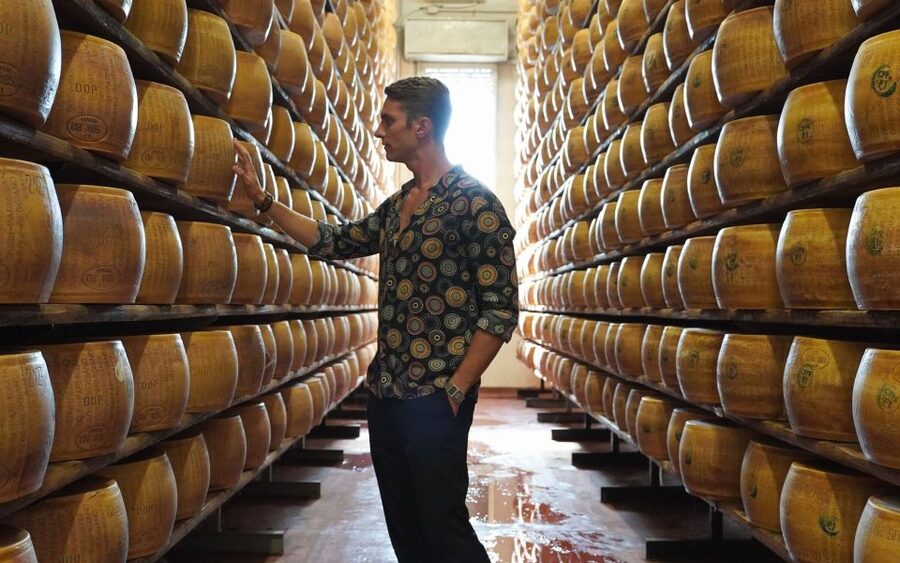
- Seeing Parmigiano wheels age in stagionatura after shaping and salting
- Learning the Consorzio test ritual, including the hammering method and fire branding step
- Watching Parma ham from cold processing to aging, with the battitura step for the crown
- Multiple tastings plus wine, including 3 aged Parmigiano tastes and a 24-month Parma ham tasting
Parma in 5 Hours: Why This Tour Works
If you’ve ever wondered why Parmigiano Reggiano and Parma ham don’t taste like “generic versions,” this is the shortcut. You get the real story: raw ingredients, exact processes, and quality checks that happen long before you see a slice at lunch.
I like that the tour keeps the focus practical. You’re not just collecting flavor facts—you’re learning what each stage is designed to do. And that matters when you go home, because you’ll start noticing what “quality” tastes like, not just what’s expensive.
The biggest benefit for most people: you’re tasting while the process is fresh in your mind. The guide points out what to look for in the cheese at each stage and what to notice in the cured ham after aging. That pairing of “see first, taste second” is why this kind of tour can feel way more satisfying than a standard tasting-only stop.
You can also read our reviews of more food & drink experiences in Parma
The NH Hotel Pickup: Easy Start, Firm Timing
The tour starts at your NH hotel in Parma. The van is parked at the bus area in front of the hotel, and you’ll meet there before heading to the first factory stop.
One practical thing: if pickup runs late, the vehicle leaves after 10 minutes past the scheduled time. That’s not unusual for tours, but it’s worth building in a little buffer so you don’t end up stressed before the fun starts.
You don’t need fancy gear. Wear comfortable, closed-toe shoes—you’ll be walking around production areas, and you’ll be glad your feet aren’t in misery by hour two. Also note the “no luggage or large bags” rule and that pets aren’t allowed.
Parmigiano Reggiano: The Whole Process in Plain Sight
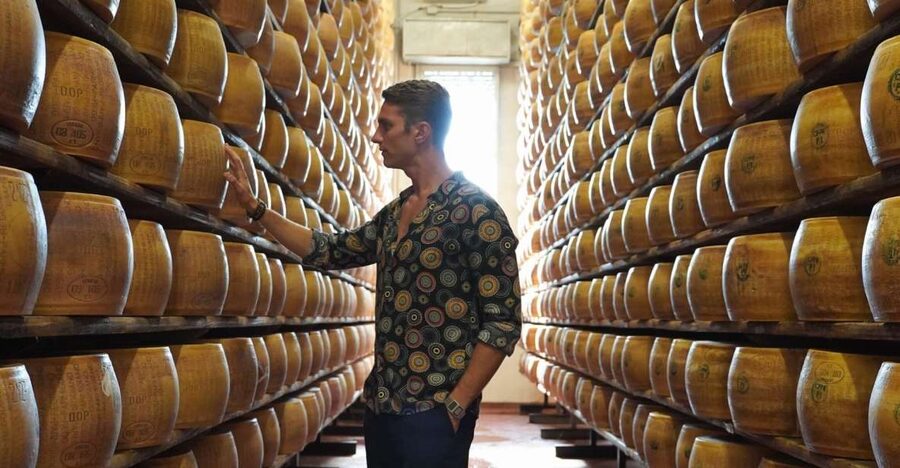
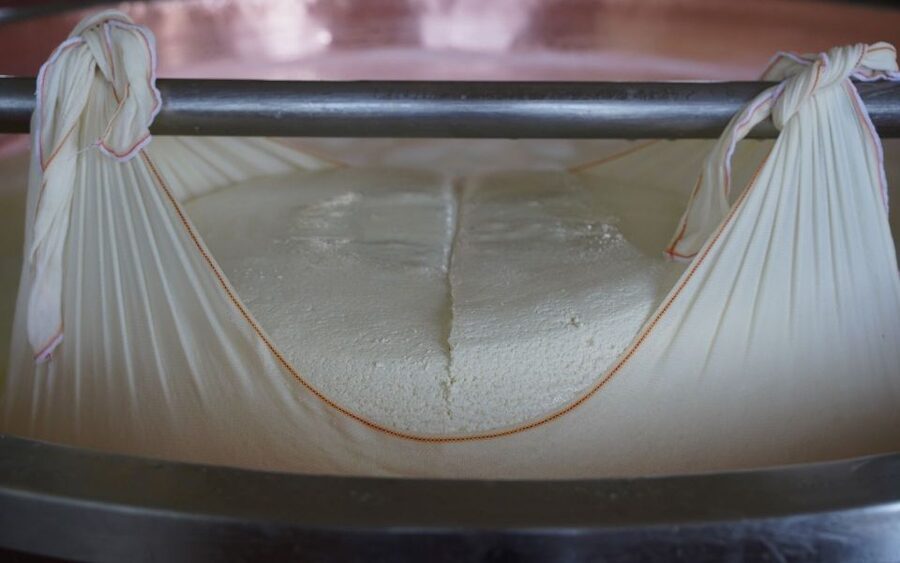
The cheese portion begins at a traditional caseificio. This is where you’ll see Parmigiano Reggiano made from the inside, including the steps that affect texture and flavor. The guide walks you through the workflow from separating the whey to shaping the wheels.
The best part is how visible the process is. You’re not guessing. You see the shaping and you hear why certain steps must be done carefully. It’s the kind of tour where questions start bubbling up fast—because once you understand the logic, the taste makes more sense.
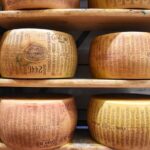
You’ll also visit the shaping and salting rooms. Then comes the part most people only know from labels: stagionatura, the aging rooms where thousands of wheels wait their turn.
If you care about food details, you’ll love this segment. You’ll likely come away understanding that Parmigiano Reggiano isn’t only about “aging.” It’s about controlled steps that create the final character.
From Whey to Wheel: Why the Early Steps Matter
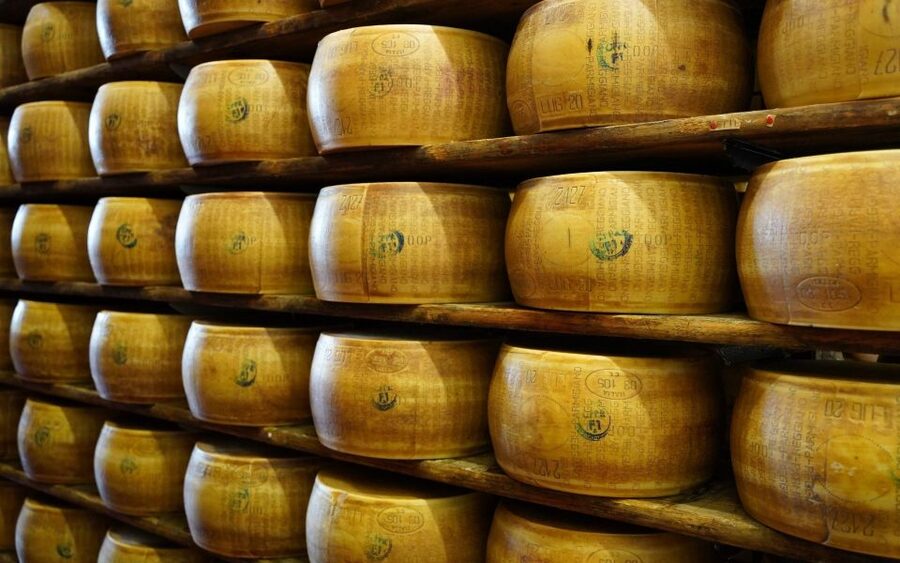
In a lot of cheese experiences, you mostly see the finished product and a quick explanation. Here, you see the early stages that drive what you’ll taste later.
You learn about the whey separation and how the master cheese makers shape the mixture into the signature wheels. From there, salting and handling set things up for aging. This is also the phase where attention to process becomes more than tradition—it becomes flavor.
One small but useful mental trick: try to remember what the guide says about how each step influences what you’ll detect in tasting. For example, when you later compare different aged samples, you’ll be able to connect the aging stage to the aroma and hardness you notice in the glass and on the palate.
Stagionatura, Hammering, and the Fire Branding Step
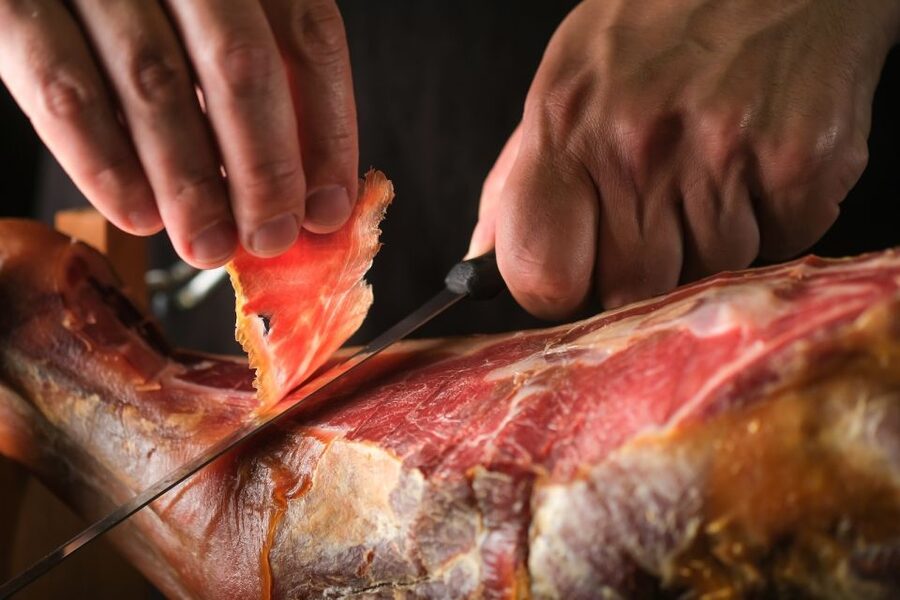
A huge part of the Parmigiano story is quality control. You’ll hear about rigorous tests run by the Consorzio, including a hammering process used to evaluate the cheese and the iconic fire branding ritual.
I like that the tour doesn’t treat these steps like showy add-ons. They’re presented as the reason you can trust what “Parmigiano Reggiano” means. It’s a reminder that protected designations exist for a reason: consistency without killing the craft.
Seeing the aging environment also helps you understand the timeline. You’re surrounded by wheels that are simply waiting—because the product earns its character over time. Even if you’re not a hardcore cheese nerd, you’ll get the message fast: this isn’t instant gratification.
A few more Parma tours and experiences worth a look

Wine Pairing With Parmigiano: A Smarter Tasting
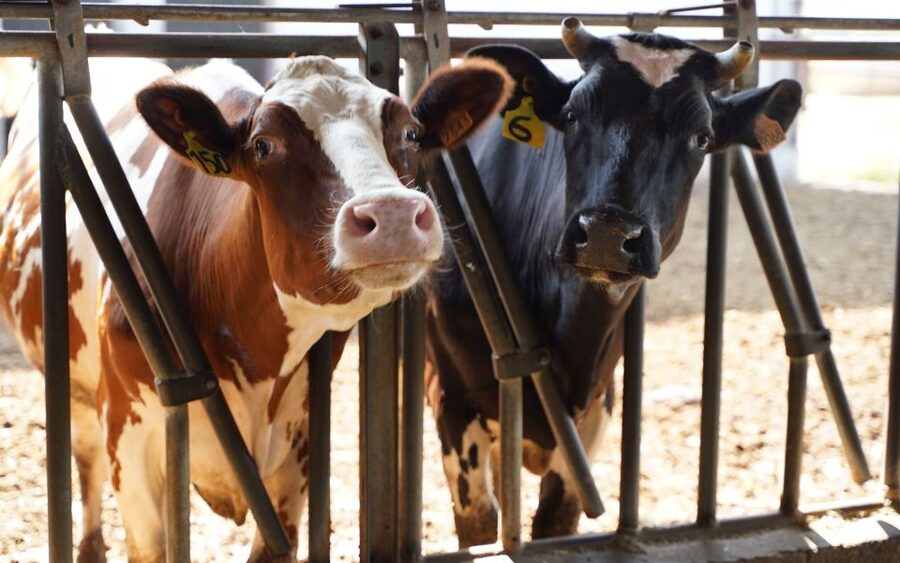
After the production walkthrough, you’ll move into tastings. The experience includes 3 aged Parmigiano tastings, paired with wine—specifically a sparkling regional wine for the Parmigiano pairing.
This is where the tour earns its keep. You’re tasting multiple ages, so you can actually notice how aging changes flavor and texture. Younger Parmigiano tends to feel fresher and more direct, while older samples often come across with deeper, drier, more concentrated notes.
I also like that the wine isn’t treated like an afterthought. Pairing is where you’ll find balance and contrast, and it helps you understand why locals drink what they drink with local products.
One scheduling drawback to keep in mind: the tastings are guided and timed. If you’re the type who wants to slow down, sit, and sip for a long while, you might feel rushed.
Parma Ham: Cold Processing to Aging Rooms
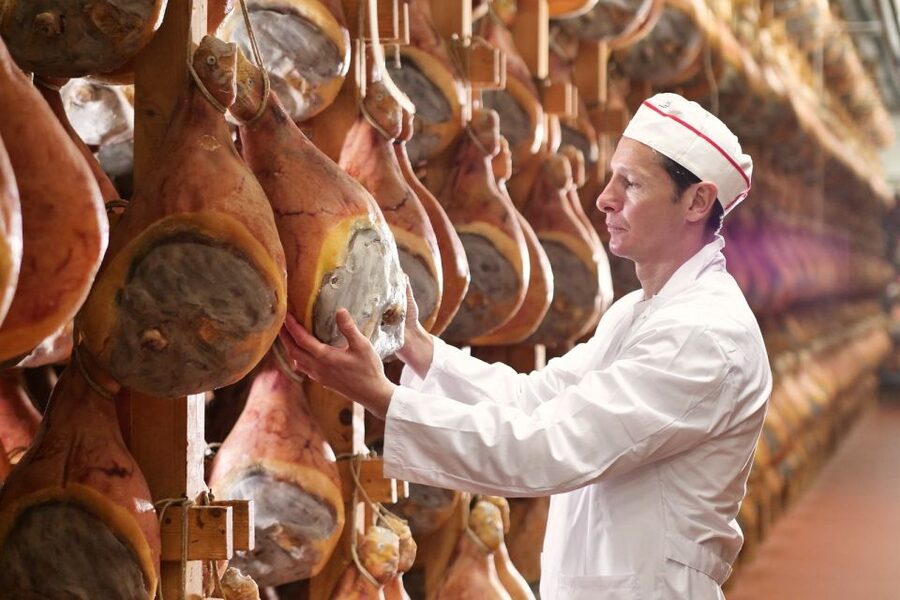
Then you switch gears—same idea, different product. The Parma ham portion starts with an introduction to its history, followed by a look at the cold phase where fresh meat is processed.
You’ll observe the selection of the finest cuts and learn about salting and refrigeration. This matters because cured meat is chemistry and patience. The guide explains what each step is trying to achieve, so you can connect the process to the final taste instead of treating it like a black box.
Next you visit the aging rooms. This is one of those moments where the air itself tells you a story. The aromas in an aging facility are distinct, and they’re part of why Parma ham tastes the way it does.
The “Crown” Step: Battitura Explained
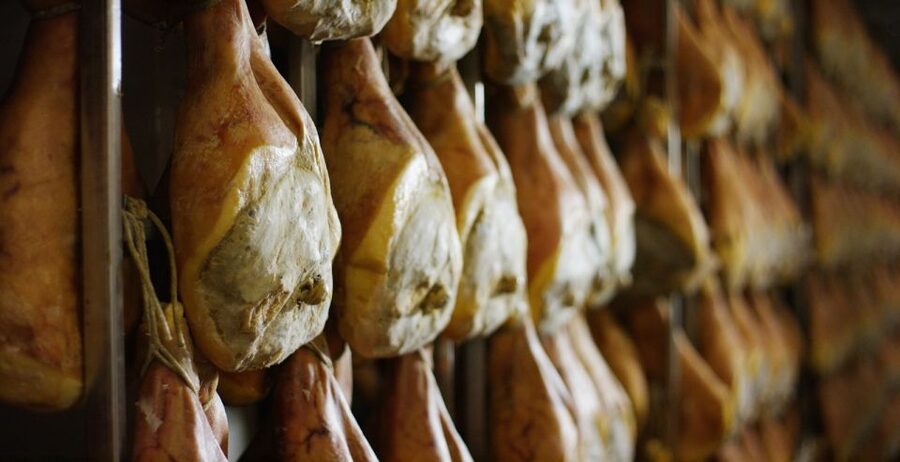
One of the most interesting parts of the Parma ham segment is the battitura process. This is the step that leads to the coveted “crown” of Parma Ham.
Even if you don’t remember every term, you’ll understand the point: traditional techniques help shape the product as it cures. The guide ties this physical detail back to craftsmanship, not just aesthetics.
This is also where your brain will start comparing products. You’ll notice that cheese and ham both rely on controlled environments and long waiting times. Different processes, same obsession with consistency.
The Main Tasting: 24-Month Parma Ham With Breadsticks
You’ll finish with a Parma ham tasting featuring 24-month-aged ham. It’s served with breadsticks and paired with local wine from the hills of Parma.
This is a satisfying endpoint because you’re tasting at the stage most people seek when they’re buying “the real thing.” The ham is older, so it should taste more developed—more complex, less simple, more layered.
The breadsticks are a smart move: they give you something neutral to reset your palate. And the wine pairing keeps it from becoming only salty meat and nothing else.
Also worth noting: the tour includes wine beyond the ham and cheese pairings. You get a glass of local wine plus a glass of Malvasia sparkling wine as part of the overall experience. That variety makes the tastings feel like a mini program rather than a single repeat.
Price and Value: What $134.81 Covers (and Why It’s Fair)
The tour costs $134.81 per person for about five hours. On paper, that might sound pricey—until you break down what’s included.
You’re paying for:
- Two factory visits (cheese and ham)
- Multiple tastings (3 aged Parmigiano tastings plus Parma ham)
- Wine pairings, including a Malvasia sparkling glass
- A guide in English or Italian
- Headsets, which make a big difference in production spaces
- Pickup and drop-off from the NH hotel in Parma
When you add all that up, it starts to look like a well-supported “food course” experience rather than a simple sightseeing trip. The guided explanations and headsets are especially valuable because factories are busy, and sound carries differently than a museum.
If you’re the type who likes to spend money once, then actually understand what you’re buying after, this price can feel fair. If you’re only interested in a quick snack and don’t care about production, you’ll likely feel like you’re paying for education.
Group Pace, Hearing the Guide, and What to Expect Day-of
This is a guided format, not a free-roam walk. You’ll move through rooms and stages in a set sequence, and you’ll hear the same process explained clearly via headset.
That pacing has pros and cons. The pro: you cover the major steps in one sitting, so you don’t waste time figuring logistics on your own. The con: you won’t have endless time to sit with the tastings. One note from past experiences: it can be hard to slow down at the sampling moment because the tour schedule keeps moving.
Also, keep your body in mind. The tour is not suitable for people with mobility impairments and not for wheelchair users, and you’ll need closed-toe shoes for walking around.
Which Kind of Traveler Should Book This?
This tour fits best if you:
- Love food with clear processes behind it
- Want a guided explanation rather than a self-paced museum-style visit
- Enjoy tasting while the story is still fresh
- Are buying Parmigiano Reggiano or Parma ham and want to understand what ages and techniques mean
If you don’t eat dairy or pork, you’ll likely feel less value in the tastings. And if you hate structured timing—like you want long, quiet breaks—you might feel the “go, taste, move on” rhythm.
Choosing a Guide: Expect Passion and Clear Explanations
You’ll meet an English/Italian guide, and the tour has been led by people like Pietro, Matteo, Mattia, George, Mateo, and Alessandro. The common thread in those experiences is that the guide work is focused on making the production steps understandable—and not just reciting facts.
So if you want the tour to feel like a conversation, not a lecture, this is a good match. You’ll also likely pick up extra recommendations for what to do next in Parma, since the guide has that local context.
Should You Book This Parma Food Tour?
I think this is a strong choice for most food-first visitors to Parma, especially if you want more than tasting. You’ll see Parmigiano Reggiano made, learn how Consorzio checks quality, and then connect that same craft mindset to Parma ham aging, including the battitura step for the crown.
Book it if you like structured, guided tasting with real production behind it. Skip it if you want lots of free time to linger, or if mobility limits make factory walking hard for you.
FAQ
How long is the From Parma: Parmigiano and Parma Ham Guided Food Tour?
It lasts about 5 hours.
What’s included in the tastings?
You get 3 aged Parmigiano tastings and a Parma ham tasting (served with breadsticks), plus wine pairings including a glass of Malvasia sparkling wine.
Do I get wine with the cheese and ham?
Yes. The tour includes a glass of local wine plus a glass of Malvasia sparkling wine, and tastings are paired with wine (sparkling regional wine for Parmigiano and local wine for the ham tasting).
Where does the tour start and end?
It starts at the NH hotel in Parma (van waits at the bus parking area in front of the hotel) and ends back at the same meeting point.
What languages are available?
The instructor guides in English and Italian.
What should I bring, and what footwear is best?
Bring comfortable shoes and wear closed-toe shoes.
Is this tour suitable for wheelchair users or limited mobility?
No. It is not suitable for people with mobility impairments and not suitable for wheelchair users.
What’s the cancellation policy?
You can cancel up to 24 hours in advance for a full refund.