REVIEW · GDANSK
Gdansk: 4-Hour Polish Food Tour
Book on GetYourGuide →Operated by Eat Polska · Bookable on GetYourGuide
One sentence hooks and straight to the point: Poland’s food culture hits hard in Gdańsk. This 4-hour walk lets you sample a full meal plus dessert across 4 to 5 stops, with an English guide tying each plate to local life—why bread matters, why people talk about the 1970s, and why fermented doesn’t mean spoiled. It is one of the most efficient ways to learn what Polish eating really looks like day to day.
I really like the format: up to 12 tastings means you are not just trying one famous dish—you get cold appetizers, hot soups, traditional mains, and sweets. I also like the human touch: guides such as Paulina, Eric, and Eryk are repeatedly praised for making the stories feel personal and for giving practical tips for where to eat after the tour.
The main thing to watch is fit. Polish cuisine here is pork-based, so if you are vegetarian, many tastings may not work for you, and if you have allergies you will want to flag them early so the menu can be adjusted.
In This Review
- Key things I’d prioritize on this tour
- Why Central Gdańsk Makes This Food Tour Feel Easier Than It Sounds
- Meeting Point at Scandic: Where You Start Sets the Tone
- The 4-Hour Rhythm: What the Pace Feels Like
- Stop One: Cold Appetizers, Cold Cuts, and the Bread That Matters
- Stop Two: Hot Soups and the Logic of Fermented Foods
- Stop Three: Traditional Pork-Based Dishes and Regional Fish
- Dessert Stop: When You Finally Slow Down
- Vodka Shot and the Meaning of Polish Hospitality
- How Much to Eat So You Don’t Regret Breakfast
- Price and Value: Is $119 Worth It?
- Who This Tour Is Best For (And Who Should Rethink It)
- Getting More Out of Gdańsk After the Last Bite
- Should You Book the Gdańsk 4-Hour Polish Food Tour?
- FAQ
- What is the duration of the Gdańsk 4-Hour Polish Food Tour?
- How many food tastings are included?
- What’s included in the price?
- Is the tour vegetarian-friendly?
- Can the menu be changed for allergies?
- How large is the group?
- Where do I meet the guide?
Key things I’d prioritize on this tour
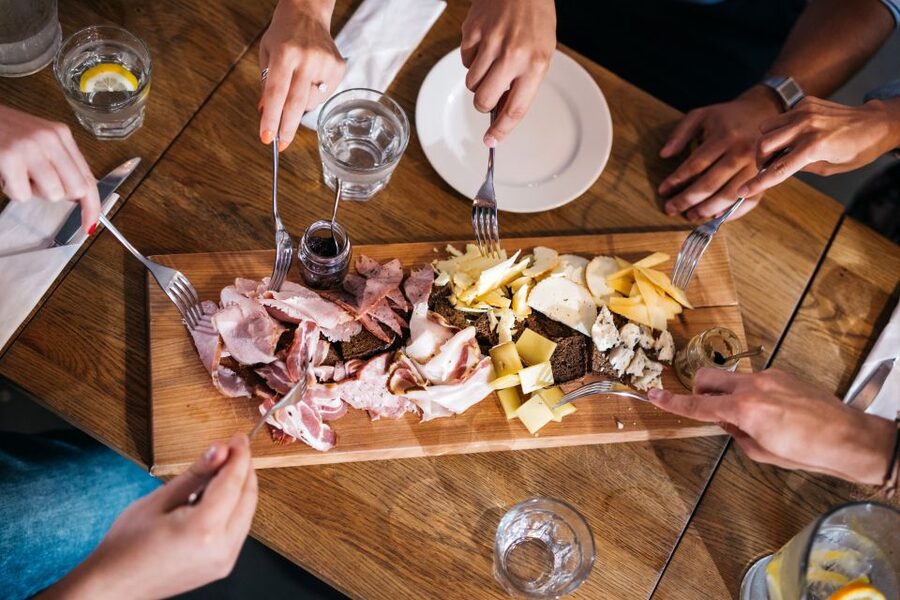
- Up to 12 tastings across 4 to 5 carefully chosen places in central Gdańsk
- Vodka shot included along with water at most venues
- You learn the food context, not just the names: bread, fermented foods, and changing tastes over time
- Small group (max 8) keeps the pace friendly and questions welcome
- A meal’s worth of food means you should plan your day around it
Why Central Gdańsk Makes This Food Tour Feel Easier Than It Sounds
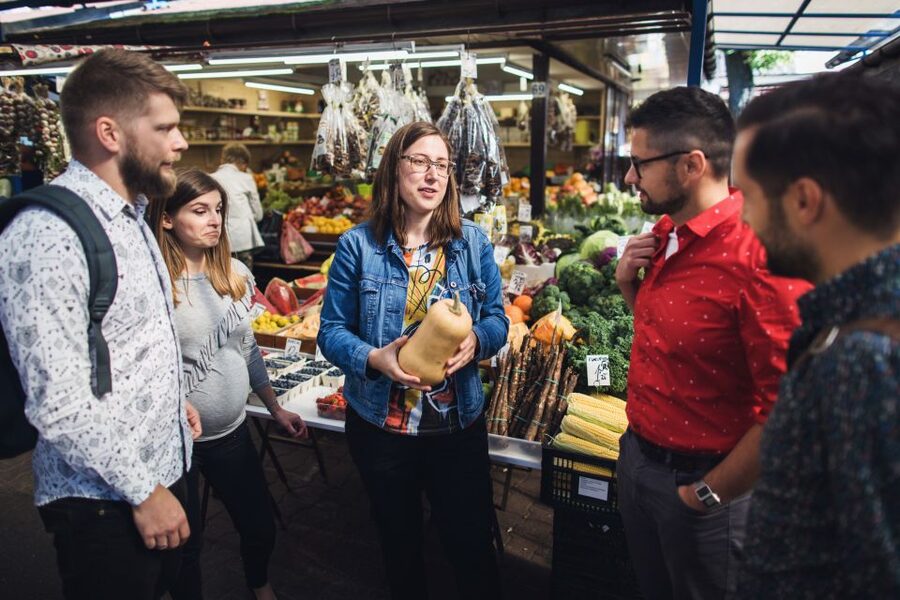
Gdańsk is made for walking, and this tour uses that advantage. You stay in central areas and move between venues at a pace that is built around eating, not racing. That matters because a food tour can go wrong when you are late, rushed, or stuck waiting at places that do not have the next portion ready.
The other reason this works well here: Polish food is traditionally social. The tour leans into that. You are not only tasting; you are learning how hospitality is meant to feel—abundant, relaxed, and generous. And yes, that joke about bread and food preferences? It is the kind of detail that helps you understand the culture behind what you are tasting.
You can also read our reviews of more food & drink experiences in Gdansk


Meeting Point at Scandic: Where You Start Sets the Tone

You meet outside the main entrance of Scandic Hotel, ul. Podwale Grodzkie 8. It sits opposite Gdańsk Główny (the main train station) and next to City Forum shopping mall, which makes it easy to anchor your timing.
No hotel pickup or drop-off is listed, so you’ll do better if you plan to arrive a few minutes early on foot or by tram. The advantage of this meeting setup is simple: you can start your day from a transit hub, then spend the next four hours eating your way through the core of Gdańsk.
Also, the tour is English-guided and small group-limited to 8. That usually translates into a smoother experience when you have questions about ingredients, history, or where to go next.
The 4-Hour Rhythm: What the Pace Feels Like

The tour lasts 4 hours, and the structure is built for a full meal. You should expect 10–12 dishes split across 4 to 5 venues. That means multiple bites and courses rather than one big platter at a single restaurant.
Here’s the practical flow you can anticipate:
- You start with cold bites like appetizers and cured items (often including cold cuts and cheeses).
- Then you move into hot food, including soups and traditional mains.
- You finish with sweets, so dessert is part of the plan, not an optional add-on.
Because the amount is significant, the timing tends to feel like a guided dinner party. You get breaks between venues, but you still keep moving. It’s not a sit-and-stay event.
Stop One: Cold Appetizers, Cold Cuts, and the Bread That Matters
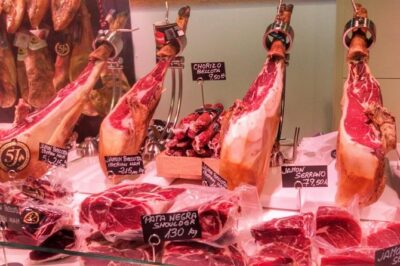
The first stage is where you get oriented. You’ll typically start with cold appetizers—think cured meats, cheeses, and small plates designed for easy sampling. This is the moment to pay attention, because it is also where the guide can explain how Polish eating works beyond the best-known tourist hits.
One specific cultural detail you’ll hear: why Poles complain about the quality of their bread. It sounds niche, but it’s actually a big deal. Bread is not just a side here; it becomes part of the identity of a meal. If you know that going in, you can taste the difference with more curiosity than a checklist approach.
If you are used to meals that start with bread and end with dessert, this “cold start” can feel different. That’s good. It trains your palate for how the rest of the tour is built.
Stop Two: Hot Soups and the Logic of Fermented Foods
At the next venue, you shift to hot soups and comforting warm dishes. Soup on a food tour does two jobs at once: it cools down the chaos of eating everything quickly, and it gives you a deeper flavor base than cold plates alone.
This is also where the tour’s history and culture angle becomes useful. You might hear the kind of talk that locals use to describe food changes over time—like the idea that some people long for foods produced in earlier decades, including the 1970s. You may also run into a surprisingly important explanation: “fermented” does not mean “gone off.”
That sounds like a small language lesson, but it matters when you are tasting something unfamiliar. Fermentation is a technique, not a warning label. Once you hear that framing, your reactions become less about fear and more about recognition.
Stop Three: Traditional Pork-Based Dishes and Regional Fish
The tour’s food identity is rooted in everyday Polish cuisine, which is based heavily on pork. You’ll also likely see regional fish at some point, since Poland’s coastline and traditions show up in what people cook and serve.
This is the stop where you should be most alert if you have diet limits. The tour itself notes that if you are vegetarian, many tastings likely won’t fit. The key point is that the menu is not built around substituting around pork for every course—it is built around showing how Poles eat.
For most people, though, this stage is where the tour becomes genuinely memorable. You are not just eating dumplings. You are sampling the wider system: cured items, warm soups, classic dishes, and sweets that sit in the same cultural universe.
If you have allergies, give the guide advance details so the menu can be adjusted. That’s especially important on a multi-venue tour, where ingredients and sauces can vary across places.
Dessert Stop: When You Finally Slow Down
By the time you reach the sweet course, you’ll feel the math of the day. Four hours and up to twelve tastings is a lot of food. Dessert is included, so you can stop thinking about what you will eat later and instead enjoy what you are already getting.
Sweets on Polish tours often feel less like a single candy moment and more like part of a meal rhythm—something that finishes the story you’ve been tasting.
One practical tip: do not assume you can power through dessert if you treated lunch like a normal lunch. The tour explicitly recommends eating breakfast and skipping lunch, because otherwise you may run out of appetite before dessert.
Vodka Shot and the Meaning of Polish Hospitality
A shot of Polish vodka is included, and that is not a random add-on. Vodka shows up in Polish social eating, and including it here helps you experience the meal as it is meant to be shared.
The larger theme is hospitality. The tour description spells it out with a very Polish image: hosts serve enough food to make the table collapse. That is humor, but it is also a warning label for your stomach.
If you drink alcohol, plan for it and pace yourself with water. If you do not drink, you’ll want to think ahead about how you handle an included vodka shot—because the tour listing does not promise alternatives.
How Much to Eat So You Don’t Regret Breakfast
This is the part I’d take seriously because it affects your whole experience. The tour gives a simple guideline: have breakfast, but skip lunch. That way, you can enjoy the full range—cold bites, hot soups, traditional mains, and dessert—without feeling sick at the final stop.
It helps to remember what you are actually paying for. You are paying for a guided series of tastings, not a single meal. If you go in too full, you’ll miss the later portions, and the cultural explanations will feel harder to enjoy.
So I’d plan like this:
- Eat breakfast earlier, keep it light.
- Bring water habits into the day (water is included in most venues).
- Leave room for dessert, because it is part of the deal.
Price and Value: Is $119 Worth It?
At $119 per person, the price is not budget travel. But it can still be good value—because you are getting:
- 10–12 tastings across 4–5 venues
- a vodka shot
- water in most venues
- an English live guide
- a written summary with tips on where else to go
A quick way to see the math: if you hit 12 tastings, you are paying about $9.90 per tasting before considering that you also get a guided route and cultural context. Even at 10 dishes, it’s about $11.90 per tasting.
The bigger value isn’t only the food count. It’s the fact that you go to multiple places without having to plan a route, and you learn what to notice while you eat. That combination is what turns a snack run into a real experience.
What is not included is additional drinks. So if you plan to drink more than water, budget for that separately.
Who This Tour Is Best For (And Who Should Rethink It)
This tour fits best if you want a guided food day rather than a DIY restaurant sprint. You’ll like it if:
- you enjoy learning stories tied to ingredients and local habits
- you want to eat a wide range, not only one standout dish
- you appreciate a small group pace (max 8)
- you value practical recommendations for the rest of your trip
It’s trickier for:
- vegetarians, because the tour is based around Polish cuisine, which is largely pork-based
- anyone with allergies who hasn’t planned ahead—tell the guide so they can adjust the menu
Finally, the tour notes that if a participant disrupts the tour pace or behavior, the guide may ask them to leave. That is normal for small group experiences where timing matters for serving food at multiple venues.
Getting More Out of Gdańsk After the Last Bite
A nice bonus is the written summary you receive at the end. Even with the tasting and the walk, Gdańsk can be a city of good meals, not just famous sights. A guide’s recommendations help you avoid the tourist trap pattern of picking the first menu you see.
And the guide’s teaching style matters. People highlight how guides like Paulina, Eric, and Eryk are able to connect food with local culture and then translate that into suggestions for what to eat next. That makes this tour useful beyond the four hours, especially if it’s one of your first days in town.
Should You Book the Gdańsk 4-Hour Polish Food Tour?
I think this is a strong choice if you want a full meal experience in the center of Gdańsk, with the heavy lifting done by a guide. The standout value is the combination of multiple tastings, a tight four-hour format, and a focus on the cultural reasons behind what you’re eating.
Book it if:
- you can skip lunch and go in hungry enough for dessert
- you eat meat and you are curious about Polish food beyond pierogi
- you want a walk-and-taste plan that keeps you from guessing where to go
Consider skipping or choosing a different option if:
- you are vegetarian and need a menu built around that from the start
- you have allergies you cannot confidently communicate ahead of time
- you hate vodka or want a strictly non-alcohol tasting (vodka is included)
If your schedule is flexible, the tour also offers free cancellation up to 24 hours in advance and a reserve now, pay later option, which helps you lock in the time without stressing.
FAQ
What is the duration of the Gdańsk 4-Hour Polish Food Tour?
The tour lasts 4 hours.
How many food tastings are included?
You can enjoy 10–12 dishes across 4 to 5 venues, with up to 12 food tastings.
What’s included in the price?
Food tastings at each venue are included, along with water in most venues and a shot of Polish vodka, plus a written summary with tips.
Is the tour vegetarian-friendly?
Polish cuisine is pork-based, and many dishes on the tour may not be suitable for vegetarians. If you have specific needs, advise the guide so the menu can be adjusted.
Can the menu be changed for allergies?
Yes. If you have food allergies, you should advise the guide so the menu can be adjusted.
How large is the group?
The tour is a small group limited to 8 participants.
Where do I meet the guide?
Meet outside the main entrance of Scandic Hotel on ul. Podwale Grodzkie 8, opposite Gdańsk Główny and next to City Forum shopping mall.