REVIEW · KYOTO
Kyoto Evening Gion Food Tour
Book on GetYourGuide →Operated by Arigato Travel KK · Bookable on GetYourGuide
Lanterns, snacks, and kaiseki in Gion. This 3-hour Kyoto evening tour pairs a neighborhood stroll through Gion and Shirakawa with real food and cultural context, so the sights make sense instead of feeling like a postcard. I really like how the evening connects street-level charm to the living traditions behind it.
What I love most is the 10-course kaiseki dinner that ends the night, plus the way the guide explains Maiko and Geiko culture in plain, human terms. Past guides I’ve heard about include Miki, Sae, and Marie, and their common thread is energy plus careful pacing.
The main thing to consider: even though there are snack stops, one traveler noted it can feel more like a Gion neighborhood walk that finishes with the big meal, not a nonstop parade of dozens of bites.
In This Review
- Kyoto Evening Gion Food Tour: Key things to know
- Gion and Shirakawa at dusk: the walk you remember
- Meeting point and timing: finding your guide without stress
- Maiko and Geiko culture talk: what you learn and why it clicks
- Snack stops that teach you Kyoto food (and where the food emphasis lands)
- The 10-course kaiseki dinner: the night’s real highlight
- One drink included: plan for extra costs without surprises
- How the guide keeps everything smooth in a small group
- Price and value: does $216 make sense for this kind of evening?
- What to wear, what to ask, and how to get the most from 3 hours
- Should you book it? My take based on what this evening delivers
- FAQ
- How long is the Kyoto Evening Gion Food Tour?
- What’s included in the price?
- Where is the meeting point?
- Is hotel pickup included?
- Do I need to share passport information?
- Is the tour offered in English and how big is the group?
- Can I bring up allergies or dietary needs?
Kyoto Evening Gion Food Tour: Key things to know
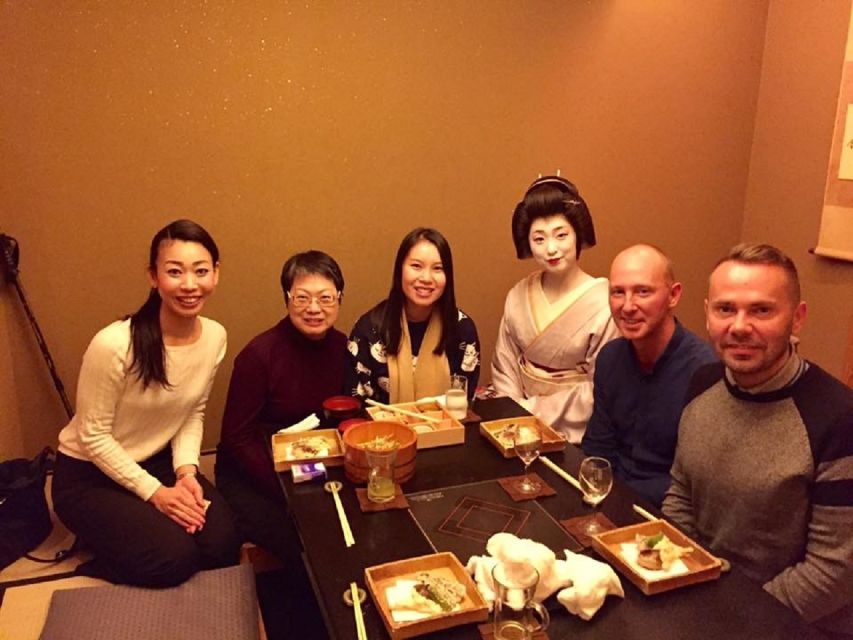
- Gion and Shirakawa at twilight: lantern-lit streets and classic Kyoto architecture set the tone for a smooth evening.
- Maiko and Geiko culture explained on the ground: not just facts, but how practices work in daily life.
- Several snack stops: you get taste samples along the way, then the restaurant takes over.
- 10-course kaiseki with dessert and one drink: the meal is built around seasonal and regional flavors.
- Small group (10 max): easier questions, easier pacing, and less time herding people.
- Practical meeting point: in front of the Japan Kanji Museum & Library, with a guide who leaves if you’re late by more than 5 minutes.
Gion and Shirakawa at dusk: the walk you remember
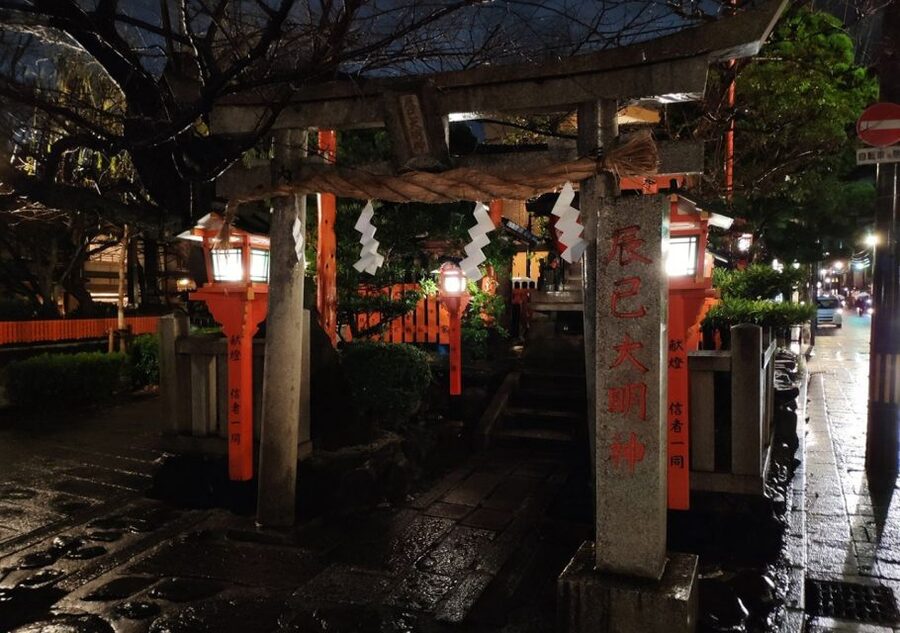
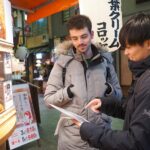
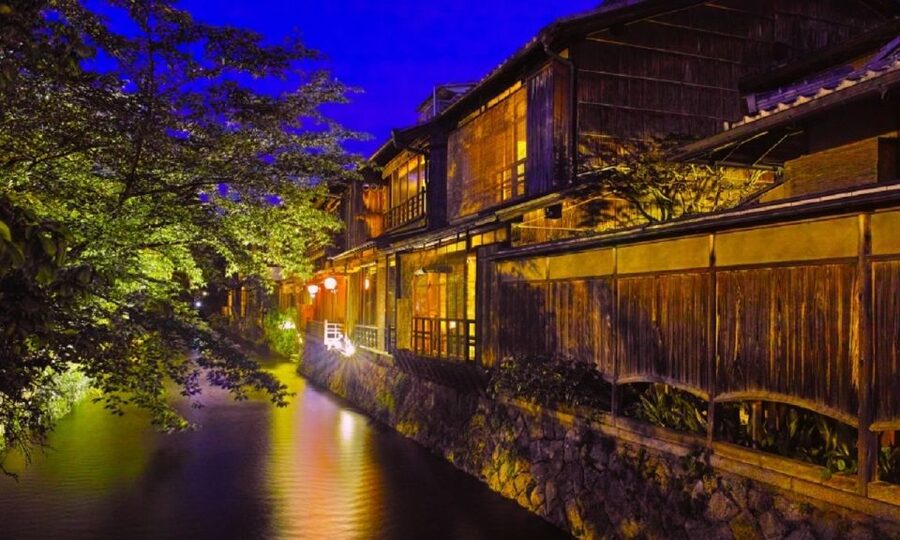
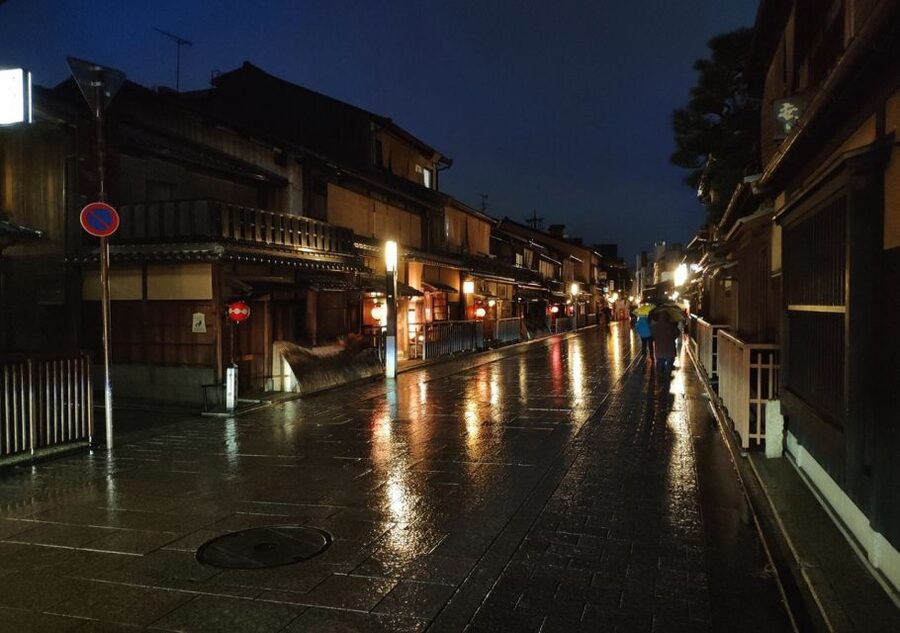
This tour is built for that Kyoto moment when daylight fades and the streets feel softer. You’ll walk through Gion and Shirakawa as lanterns flicker on, giving the old wooden teahouses and cobblestone lanes a warm glow. The goal isn’t just to see the district; it’s to understand why these streets look the way they do and how they’re still used today.
Along the way, you’ll also get that classic “where is this from?” feeling when the architecture starts to line up like a set. It’s a walking tour, so you can slow down, notice details, and get perspective on how the neighborhood is laid out. And because you’re moving as a group, you’re less likely to end up wandering in circles.
If you’re the type who likes your photos with context, this works well. The cultural talk gives you a lens for what you’re seeing, and the walking keeps your evening from turning into a sitting-only dinner sortie.
You can also read our reviews of more food & drink experiences in Kyoto
Meeting point and timing: finding your guide without stress
You’ll meet in front of the Japan Kanji Museum & Library, at Gionmachi Minamigawa, Higashiyama Ward, Kyoto, Kyoto Prefecture 605-0074. Your guide will be holding a sign, and they’ll wait no more than 5 minutes after the starting time before the tour departs.
That “wait only 5 minutes” rule matters. In Kyoto, it’s easy to lose track of time if you’re stopping for a snack or taking one more photo. Plan to arrive early, not just on time. Comfortable shoes are a must. The tour is short, but the walking adds up in the evening light.
One more practical note: the tour requires a minimum of 2 people per booking. So if you’re traveling solo, you’ll want to check availability carefully.
Maiko and Geiko culture talk: what you learn and why it clicks
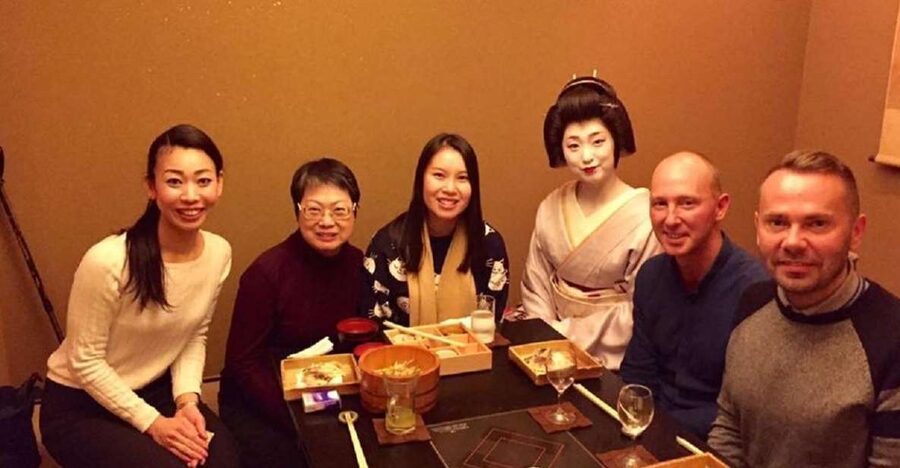
This is one of the strongest reasons to book the tour. You’re not just sightseeing; you’re learning the history and current practices of Maiko and Geiko culture of Kyoto. The idea is to turn the stereotypes into something you can actually picture—how artistry, training, and daily life connect.
Guides named in past experiences include Sae, Miki, and Marie, and they’re praised for being friendly, energetic, and full of knowledge. More importantly, people mention they explain things without rushing. That’s a big deal in a short, 3-hour evening. You don’t want a talk that feels like being read at; you want something you can absorb while you’re walking past the very streets being discussed.
I also like that the tour doesn’t treat this as a performance you’re owed. If you’re lucky, you may spot geisha or maiko in the district, but the tour’s real value is understanding what you’re seeing rather than chasing a sighting like a scavenger hunt. You get rare insights into their artistry and way of life, and you’ll know how to interpret it respectfully while you’re there.
Snack stops that teach you Kyoto food (and where the food emphasis lands)
You’ll make several snack stops to sample Kyoto’s traditional cuisine. The practical part of this is that you’re tasting along the way, so you arrive at dinner already warmed up to the local flavors and textures.
That said, here’s the balanced take: one past group described the experience as more of a Gion neighborhood tour than a pure “many stops, many tastings” food crawl. They reported only a couple of bite samples in stores, with the majority of the food concentrated at the restaurant. That matches how kaiseki tours often work: the walking provides context and a few tastes; the dinner is the main event.
So if you’re expecting a buffet-style afternoon of mini samples, adjust your expectations. Think of the snacks as appetizers for your curiosity, not the full meal ticket. If you’re going in hungry and excited for a proper kaiseki dinner, this setup is ideal.
And if you have allergies or dietary requirements, tell your guide in advance. In prior experiences, guides have been able to manage restrictions, so don’t keep it to yourself. That’s how you protect the experience for everyone.
The 10-course kaiseki dinner: the night’s real highlight
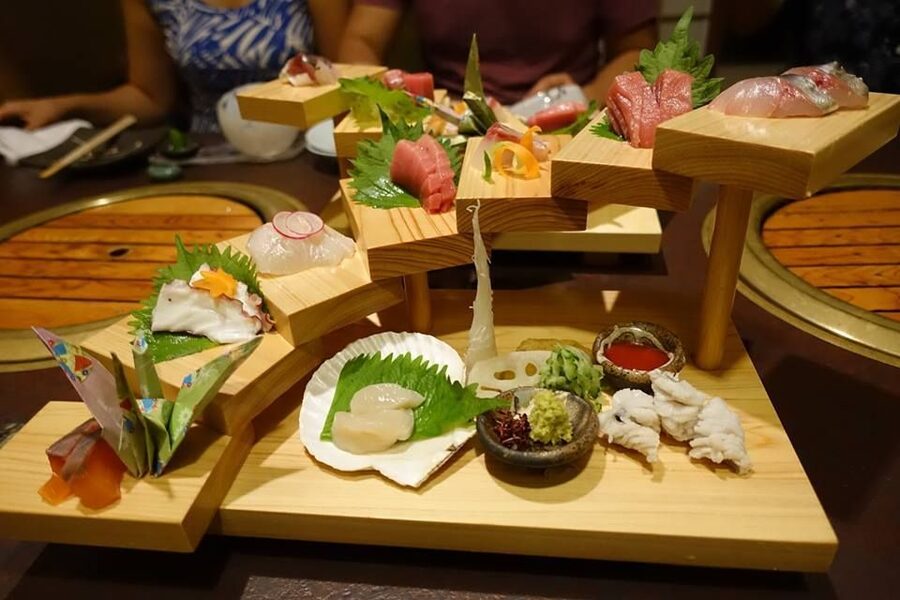
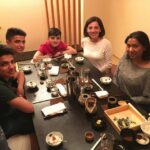
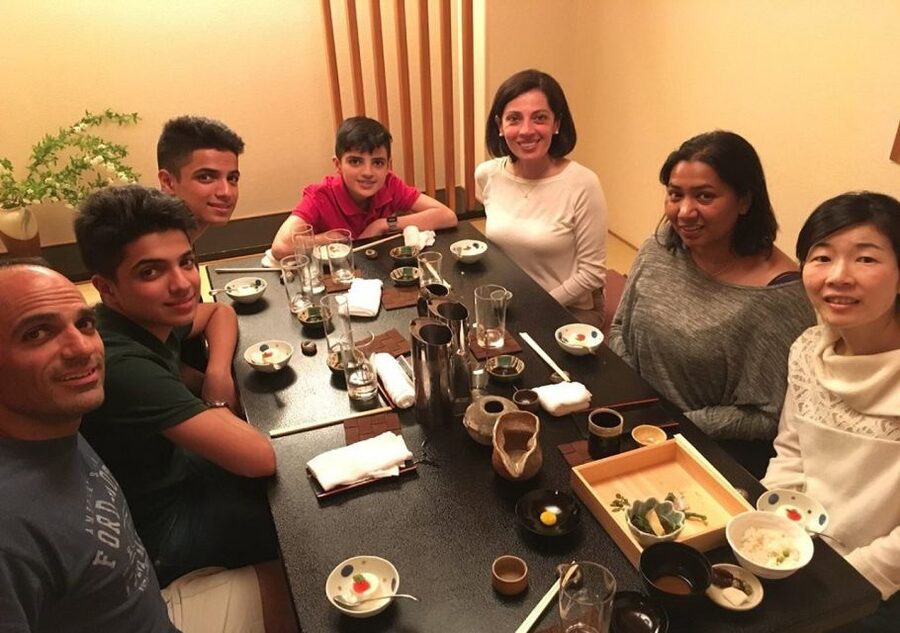
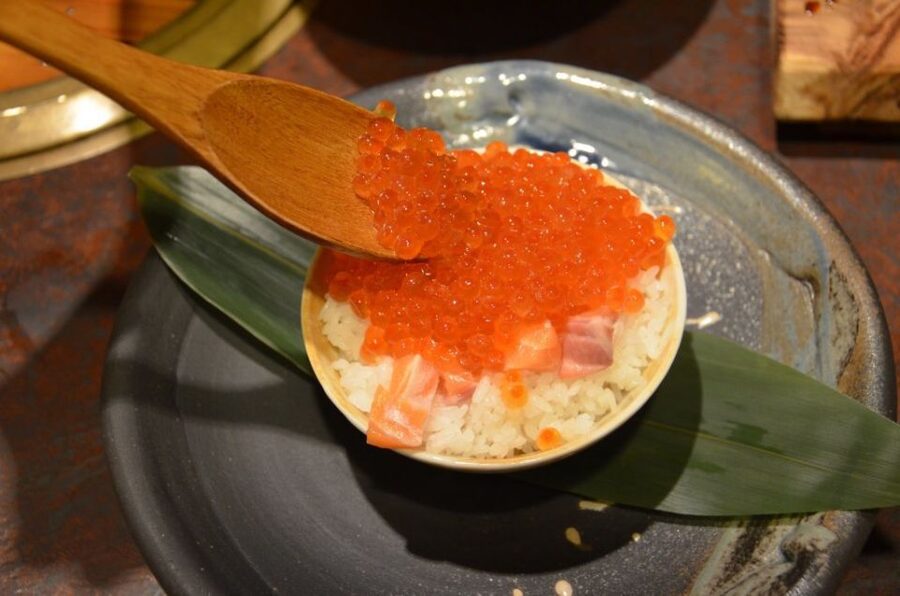
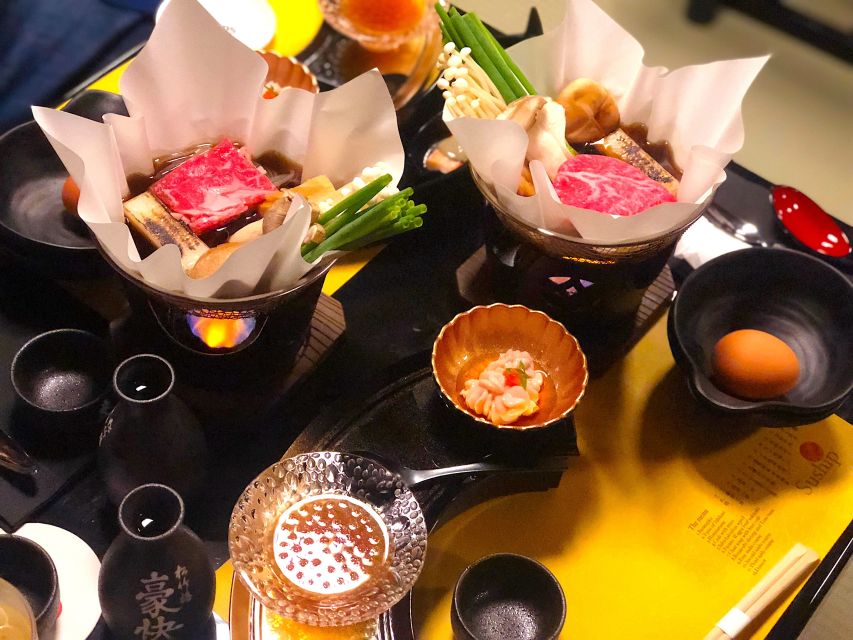
The dinner is a 10-course kaiseki meal, followed by dessert, plus one included drink. This is where the tour justifies its price. You’re not only paying for a guide to walk you around; you’re paying for a structured, multi-course culinary experience built around seasonal and regional flavors.
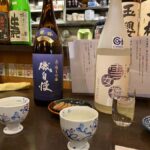
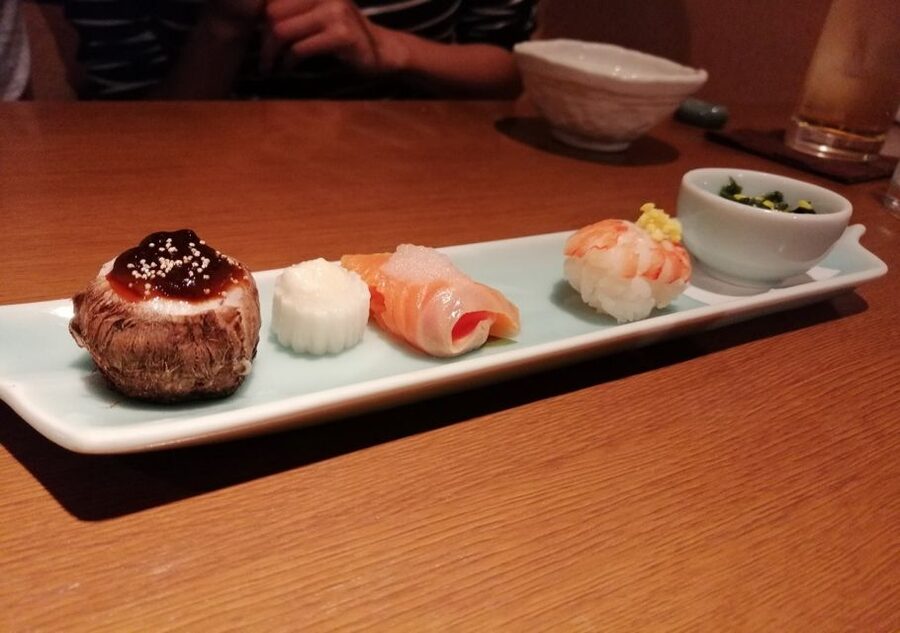
Kaiseki is art meets appetite. Dishes arrive in a thoughtful sequence, often with a focus on balance—umami, sweetness, texture, and temperature—rather than one heavy flavor dominating the whole meal. In the description tied to this experience, you can expect flavors like miso (umami-rich), yuba (delicate sweetness), and grilled fish with a subtle smokiness. The presentation matters too: courses are served artfully, using small, beautiful Japanese ceramics.
Here’s what I think you should pay attention to when you sit down:
- The pacing: you’re meant to taste each course, not rush through.
- The seasonal logic: ask what each dish is aiming for. Your guide can help connect it to Kyoto’s food culture.
- The plateware and arrangement: kaiseki is visually intentional, and part of the value is noticing that attention.
One downside to mention, simply because I want you to be prepared: one traveler found the food good but not great, while others praised the dinner as sensational and memorable. That variation usually comes down to personal taste, timing, and how kaiseki lands for you. If you already love Japanese set meals and savoring course-by-course, you’ll likely feel more confident going in.
A few more Kyoto tours and experiences worth a look

One drink included: plan for extra costs without surprises
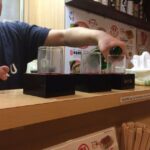
A single drink is included with dinner, but additional drinks or food are not. That’s normal for tours like this, but it’s worth planning your evening budget.
If you enjoy getting a little tipsy on your vacation (or you’re a soda person who keeps sipping), decide ahead of time whether you want to add more. This tour’s value is strongest in the included meal; once you add extra drinks, you’re stepping outside the original “what you paid for” equation.
Also, if you’re sensitive to alcohol or want a nonalcoholic pairing, check with your guide when you arrive. You’re sharing a set experience with limited time, so it’s best to handle drink preferences early.
How the guide keeps everything smooth in a small group
This is a small-group tour, limited to 10 participants. That’s not just a comfort perk. It affects how the evening works.
With fewer people, your guide can:
- slow down when you ask questions,
- guide you through narrow streets without constantly waiting,
- and handle different needs like allergies more calmly.
People praised guides for friendliness and patience. Names that came up include Ellen (with extra patience and explanations for families), Russ (engaging and good with food restrictions), and Rosalia (excellent storytelling plus a memorable dinner). When a guide is good at timing and pacing, your 3-hour experience feels like a curated evening instead of a hurry-up march.
One more smart angle: some past guests highlighted that their guide added extra knowledge to help them navigate Japan without embarrassing mistakes. That’s not just entertainment. When you understand small etiquette cues and how to read situations, your whole trip gets easier.
Price and value: does $216 make sense for this kind of evening?
At $216 per person for a 3-hour experience, this is not a bargain tour. It’s priced like a guided cultural night plus a full set-menu dinner.
Here’s how I’d think about the value:
- You’re paying for a local English-speaking guide during a focused evening walk.
- You’re paying for a real 10-course kaiseki dinner with dessert and a drink.
- You’re paying for the small-group setup, which helps the guide tailor the pace and answer questions.
In other words, this isn’t mostly about buying souvenirs or collecting snacks. It’s about buying access to a guided cultural explanation, then sitting down for a restaurant experience that would be pricey and time-consuming to replicate on your own.
If you want a cheap way to see Gion, skip this and walk on your own. If you want context and a structured meal where you don’t have to figure anything out, this price can feel fair.
What to wear, what to ask, and how to get the most from 3 hours
Because this tour is only 3 hours, your choices matter. Wear comfortable shoes and dress for Kyoto’s evening temperature swings. You’ll be walking, so don’t rely on sandals that are fine for photos but painful for movement.
Before you go, think about questions you want answered. Good ones:
- What’s the difference in roles between Maiko and Geiko in daily life?
- Why does kaiseki look the way it does, course by course?
- How should I behave if I’m lucky enough to see geiko or maiko nearby?
If you have dietary requirements, tell the guide so the restaurant can plan correctly. The tour description explicitly asks you to inform them, and past experiences include successful management of restrictions.
Also, remember that you’re getting snacks plus dinner. Eat lightly before you go, not like you’re saving room for a second dinner later. That way, you’ll enjoy the full flow of the kaiseki meal.
Should you book it? My take based on what this evening delivers
Book this tour if:
- you want a short evening that connects Gion sights to Maiko/Geiko culture,
- you’re excited about a proper 10-course kaiseki dinner,
- you like having a guide help you interpret what you’re seeing,
- and you value a small group over a crowded experience.
Skip it (or adjust expectations) if:
- you want a food tour that’s mostly dozens of different street-level tastings,
- you’re only interested in the snacks and don’t care about the kaiseki course meal.
If you’re in Kyoto for your first few days, this is also a smart “orientation dinner” style experience. It sets a tone for how you’ll look at Gion afterward.
This tour is operated by Arigato Travel KK.
FAQ
How long is the Kyoto Evening Gion Food Tour?
The tour lasts 3 hours.
What’s included in the price?
It includes a local English-speaking guide, a 10-course dinner, dessert, and one drink.
Where is the meeting point?
Meet in front of the Japan Kanji Museum & Library at Gionmachi Minamigawa, Higashiyama Ward, Kyoto, Kyoto Prefecture 605-0074. The guide will hold a sign and waits no more than 5 minutes after the starting time.
Is hotel pickup included?
Hotel pickup is not included, but it can be arranged for an additional charge.
Do I need to share passport information?
Yes. A copy of your passport information is required for all participants aged 10 and over.
Is the tour offered in English and how big is the group?
The tour is guided in English. Group size is limited to 10 participants.
Can I bring up allergies or dietary needs?
Yes. You should inform the guide of any food allergies or dietary requirements. The tour asks you to do this before the experience.