REVIEW · GRANADA
Granada: Walking Food Tour
Book on GetYourGuide →Operated by Spain Food Sherpas · Bookable on GetYourGuide
Ham cured in mountain air, served in the city. This 3.5-hour Granada food walk is interesting because it links what you eat to the layered influences that shaped Andalusian cuisine. I really like how it turns jamón and wine into a story you can taste, with the guide explaining what makes Granada’s flavors distinct.
My other favorite part is the final meal-style stop at Chikito, a historic restaurant where local recipes connect to an early-1900s crowd of artists, writers, and poets. One drawback to consider: this is a walking tour and it’s not suitable for wheelchair users, so plan for steady steps and time on your feet.
In This Review
- Key highlights to look forward to
- Granada Walking Food Tour: why this 3.5 hours works
- Starting near Puerta Real: what the walk feels like
- Ham curing in Alpujarra and Sierra Nevada air: the heart of the tour
- Tapas bars and classic bites: how the guide teaches by ordering
- Tinto de Verano and local wines: pairing that actually makes sense
- Chikito restaurant: where regional recipes meet Granada culture
- The oldest tavern moment: soaking up atmosphere through food
- Price and value: why $82 can be a fair deal
- Who should book this Granada food tour (and who might skip it)
- Should you book this tour or skip it?
- FAQ
- How long is the Granada walking food tour?
- What’s included in the price?
- Is pickup or drop-off provided?
- What group size is this tour?
- What is the meeting point?
- Is the tour suitable for wheelchair users?
- Do I need to avoid alcohol if I don’t drink wine?
- Is Iberian ham tasting included on Saturday evenings?
Key highlights to look forward to
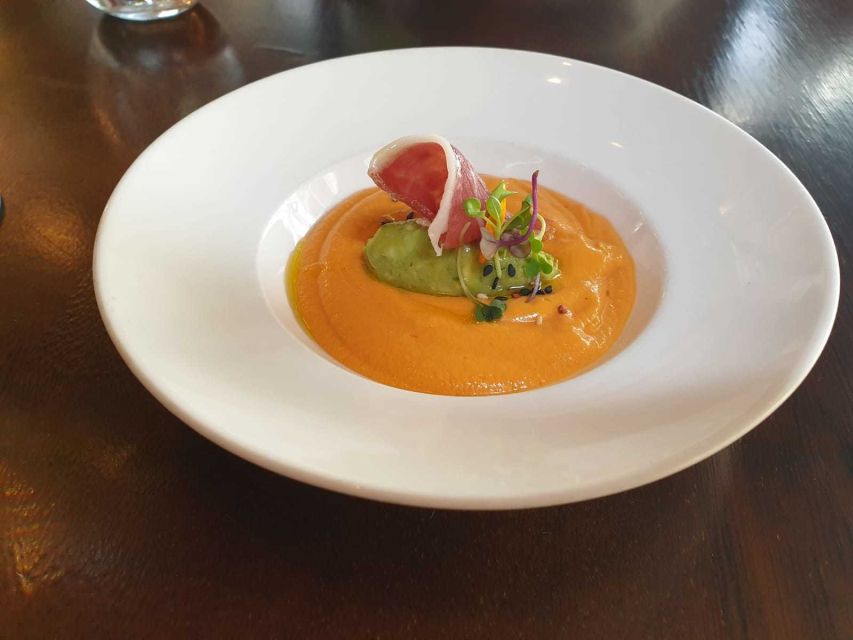
- Mountain-air jamón lesson: Learn how ham is cured in Alpujarra villages and dried with Sierra Nevada air.
- Tastings that feel like dinner: Food and drinks are sufficient for a full lunch or dinner, not just small bites.
- Wine and local drinks: Sip local favorites like Tinto de Verano plus regional wines from Granada.
- A true traditional anchor: Eat at historic Chikito and sample classic local recipes in an atmospheric setting.
- Small-group feel: Max 10 participants, so you get more back-and-forth than big bus tours.
Granada Walking Food Tour: why this 3.5 hours works
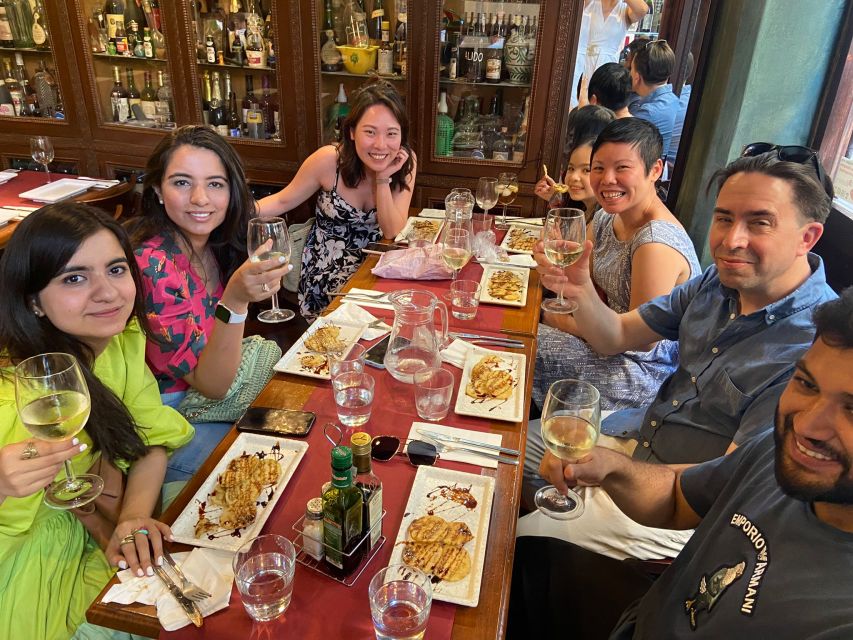
Granada food can be flashy, but this tour focuses on the practical stuff: cured pork, regional wines, and tapas you’ll actually want to order again later. In just 3.5 hours, you get a guided path through Granada’s edible identity—how communities traded ideas and ingredients over centuries, and how that history still shows up on plates today.
The guide also frames food through influences you’ll hear about as you go. You’ll pick up connections to Sephardic, Berber, Nasrid, and even Roman impacts on the way people cooked, cured, and preserved food in southern Spain. That matters because it turns a food crawl into understanding, not just eating on the move.
If you’re the type who likes to leave with “what should I order next time,” this tour is built for you. You’ll taste key categories—ham, typical dishes, and local drinks—so the rest of your trip feels easier. You’ll also get a sense of the flavors that define Granada province, not just Spain as a whole.
Starting near Puerta Real: what the walk feels like
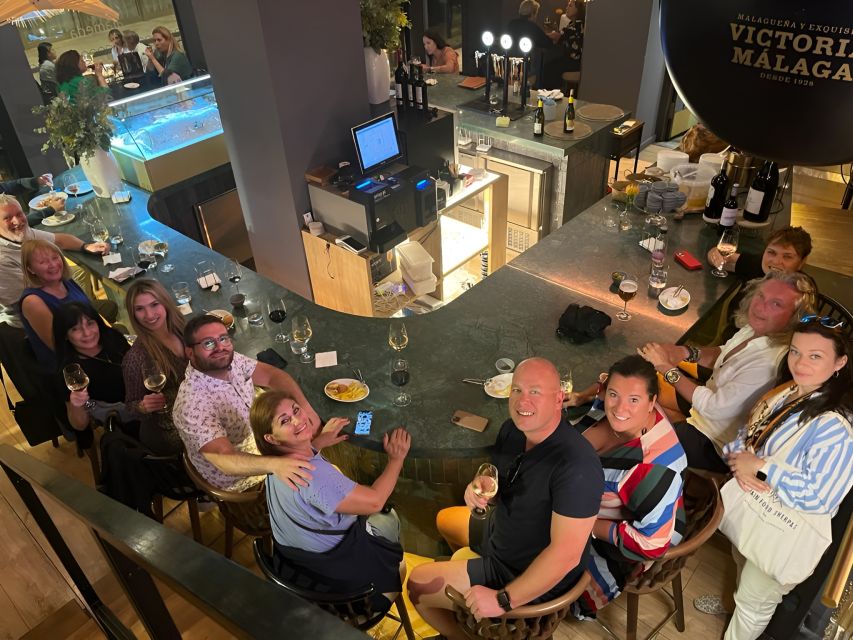
You meet at a kiosk at Teatro Isabel La Catholica, on the Casino sidewalk near Puerta Real. It’s a sensible location because it puts you close to the city center, where walking makes sense and you’re not spending time in transit.
Plan to arrive about 5 minutes early. The operator can’t wait more than 15 minutes after the scheduled start, so don’t treat this like a casual meet-up. Once the group assembles, the guide sets the tone quickly: what you’re tasting, what to notice, and why that item belongs in Granada.
Because it’s a small group (up to 10), the vibe stays conversational. It’s not just “follow me, next stop.” You’ll have room to ask questions and actually get answers while you’re holding a glass or chewing through a bite.
One more note: the pace is part of the deal. If you want a slow, seated tasting experience, you may find the walking breaks and multiple food stops a lot. But if you like your food education on foot, this is a good match.
Ham curing in Alpujarra and Sierra Nevada air: the heart of the tour
If you want one reason this Granada food tour stands out from generic tapas wandering, it’s the ham focus. You’ll learn about traditional ham production in Granada province—especially how ham is cured in the Alpujarra mountain villages, then dried using the fresh air from the Sierra Nevada.
That detail sounds niche, but it’s exactly the kind of information that changes how you taste. When you know ham’s journey—from curing conditions to drying environment—you start noticing texture, aroma, and intensity more clearly.
What you’ll taste is also specific. The tour includes different ham styles, including Serrano from Granada, plus ham described as prestigious Iberian ham produced in Andalusia. You’re not just eating slices; you’re comparing categories and learning what makes each one land differently on the palate.
Here’s a practical way to use this stop: eat one bite “plain,” then one bite with the guide’s framing in mind. You’ll likely find that the conversation helps you understand why some hams feel sweeter, some feel more aromatic, and others feel more savory and intense.
Diet note: you should indicate any dietary requirements when booking. The tour is focused on local foods and cured products, so the earlier you share needs, the better your chances of getting a workable plan.
Tapas bars and classic bites: how the guide teaches by ordering
The tour moves through family-run businesses, tapas bars, and foodie hotspots. That matters because Granada’s best meals aren’t always the biggest, flashiest places. These are the spots where locals go, where ingredients are handled with care, and where staff can explain food with pride.
As you walk, the guide connects the food you’re served to Granada’s local production and traditions. You’ll also hear about typical dishes and how the region’s history shaped what people preserved and served. In other words, you’ll learn why a dish exists, not just what it is.
From the experience, the tastings are designed to build into a real meal. Multiple food and drink stops add up to enough to feel like lunch or dinner by the end. If you’ve ever done a tour where you leave hungry, that’s not the model here.
A small tip: pace yourself early. The first hams and bites are delicious, but you’ll likely want room for the later courses—especially the restaurant stop.
Tinto de Verano and local wines: pairing that actually makes sense
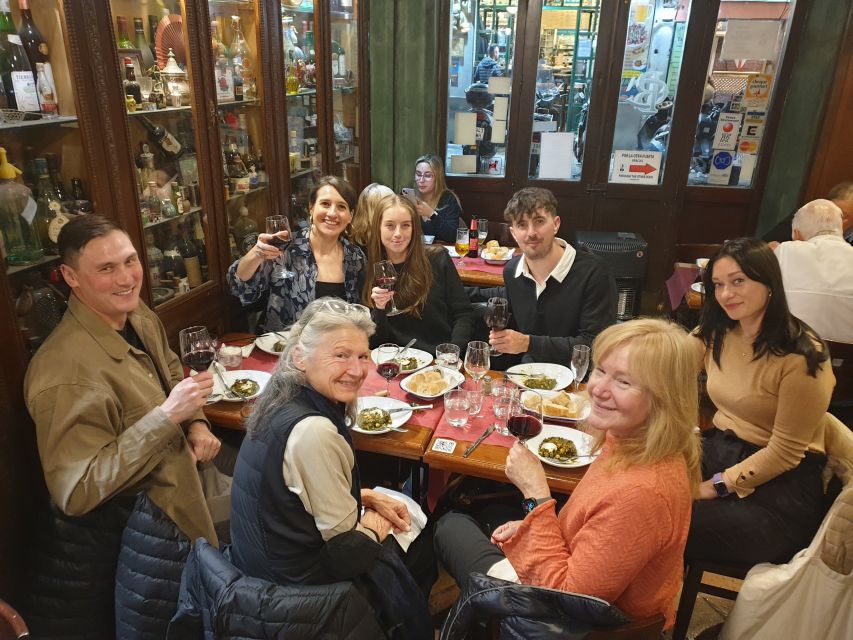
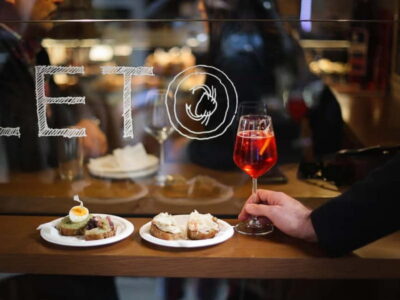
This tour isn’t only about solids. You’ll also try local drinks, including Tinto de Verano, plus wines produced in the Granada region.
Tinto de Verano is a great “start easy” drink on a tour day: it’s refreshing, social, and not as heavy as some wines. Pair it with saltier bites like cured ham and you get a nice balance—acidic freshness against savory fat.
The wine tastings also matter because they teach you what Granada tastes like in liquid form. You’ll get enough context to understand how local wines pair with local food, and that usually makes your restaurant ordering far more confident later.
Another detail worth noting: some guides run the evening with a big “chew and chat” style. In the experience data, guides such as Katia, Laura, Bruce, and Marcel (all names mentioned by guests) are repeatedly praised for mixing food education with relaxed conversation. That means you’re not stuck in a lecture while you’re trying to enjoy your food.
Chikito restaurant: where regional recipes meet Granada culture
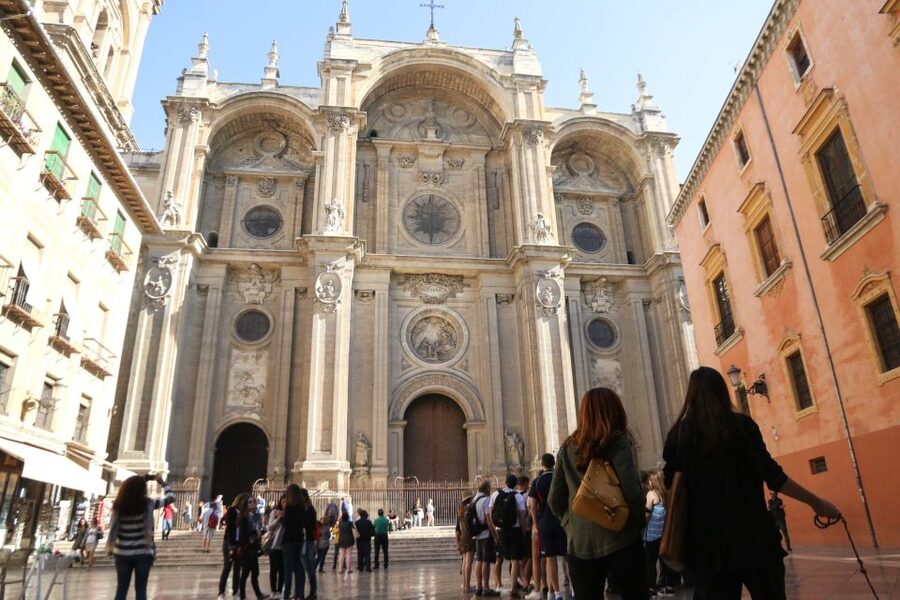
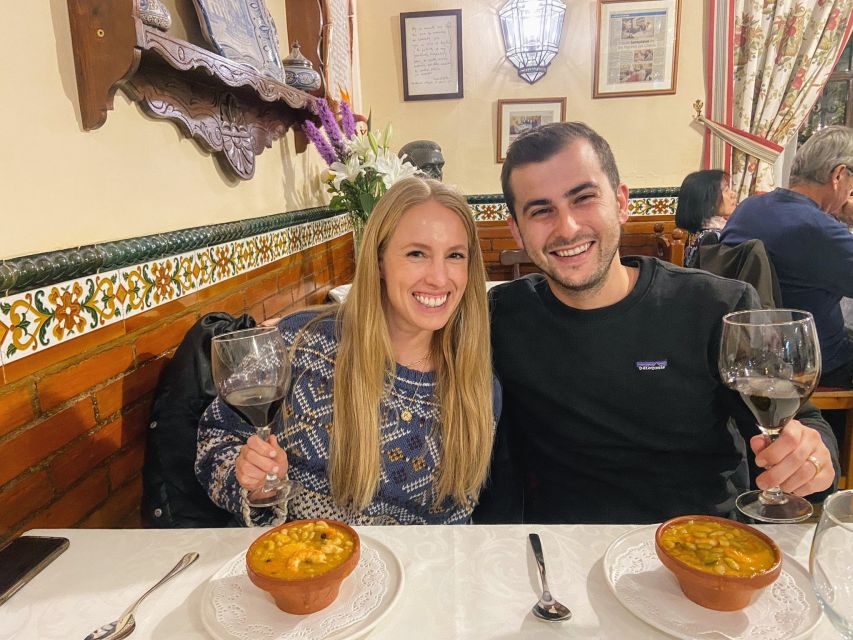
The highlight for many people is the Chikito restaurant stop, where you sample local recipes in a historic setting. This isn’t presented as a fancy tourist dining room. It’s treated like a cultural anchor: a place tied to Granada’s creative community.
Chikito is linked to early-1900s gatherings of local artists, writers, and poets. That background gives the meal more gravity than just food. You’re eating somewhere with a reputation for bringing people together around ideas as well as dinner.
What you can expect at this stop is local recipes, served in a way that feels like Granada rather than a generic tapas menu. The tour’s structure leads you to this point: you’ve already built a base understanding of ham, local drinks, and traditional dishes, so the restaurant meal lands with more meaning.
If you like “how people in this place eat,” this is the part you’ll remember when you’re back out on the streets later trying to order something similar.
The oldest tavern moment: soaking up atmosphere through food
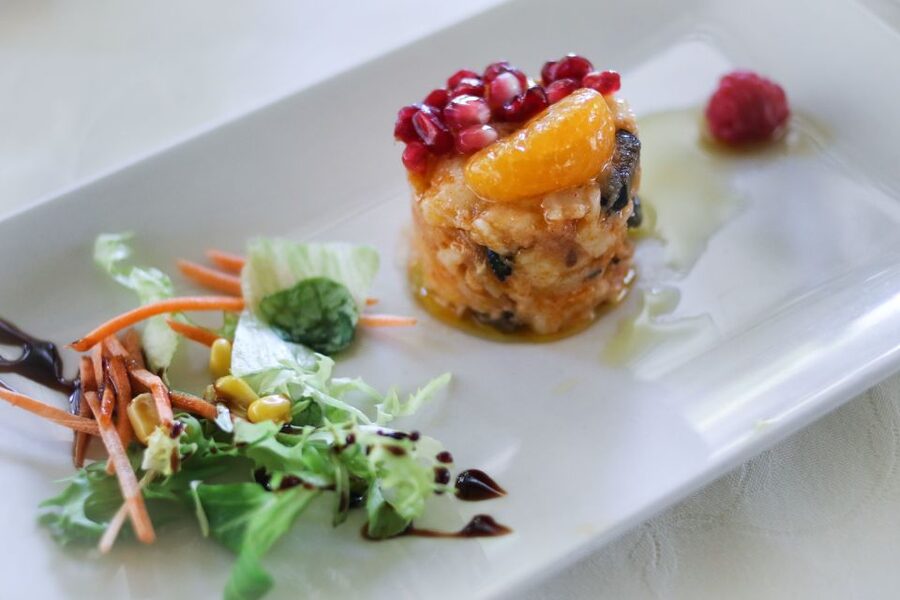
One of the stops is described as one of the oldest taverns in Granada. This is one of those places where the walls matter, but you only feel it fully once you’re eating and drinking there.
These taverns tend to do two things well: keep the rhythm slow enough to talk, and serve food that tastes like it belongs to the neighborhood. On a walking tour, that kind of pause is valuable. It helps you shift gears from “learning and walking” into “settling in.”
Also, old taverns often make you more aware of what’s timeless. Cured pork traditions and simple pairings don’t need modern tricks to feel right. That’s part of why this tour works even if you’re not a die-hard foodie.
Price and value: why $82 can be a fair deal
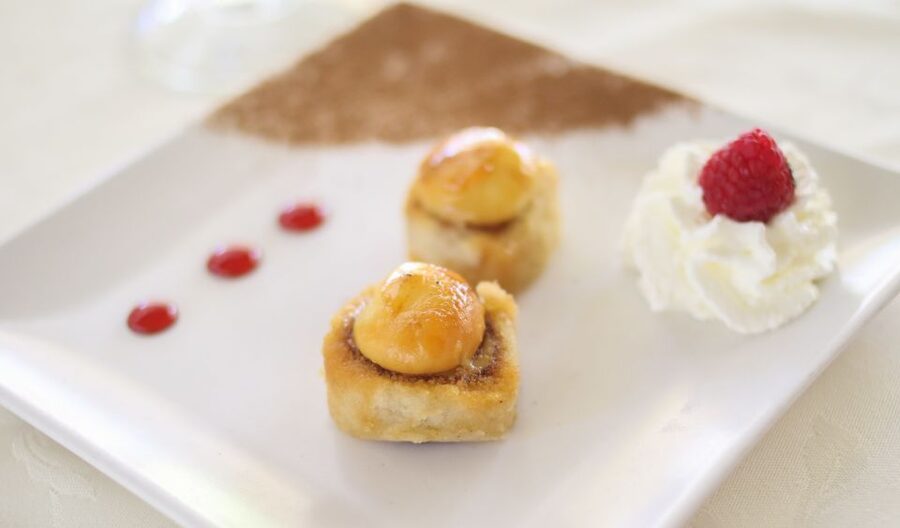
At $82 per person for 3.5 hours, you’re paying for two big things: guided expertise and an eating plan that’s meant to replace a real meal.
The tour includes food and drinks sufficient for a full lunch or dinner, and it includes an English-speaking food guide. That changes the math. If you were to buy the same range of tastings on your own, you’d likely spend more once you add guided pacing, multiple tastings, and wine or local drink pairings.
You’re also paying for the “finding power.” Granada has lots of bars, but not all are great for learning in a structured way. With a guide, you hit places you might not stumble into quickly—and you get an explanation as you go.
Where the price might feel less worthwhile is if you hate walking, you don’t drink at all and end up skipping most beverages, or you want only light bites. The tour is clearly designed for people who want to eat and taste multiple items as part of one coherent evening.
Who should book this Granada food tour (and who might skip it)
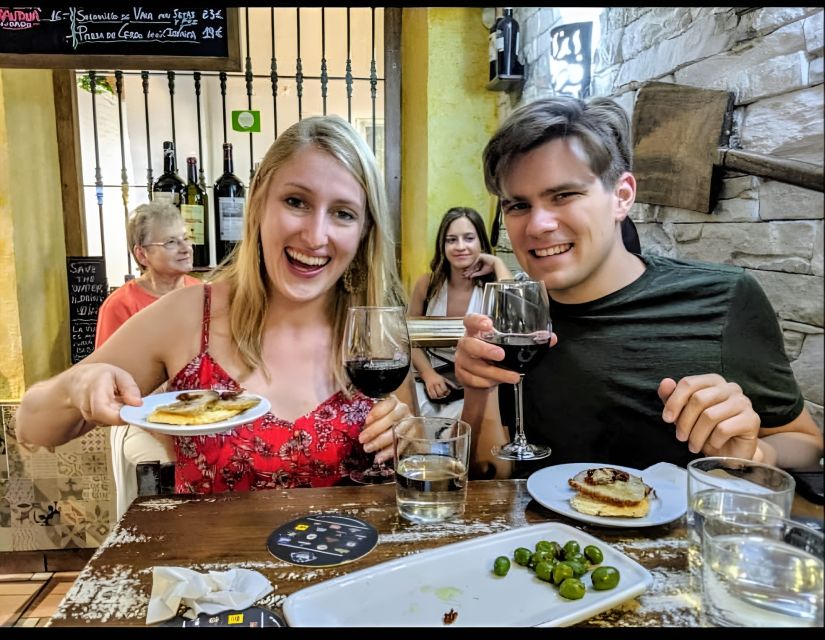
Book this if you want:
- A ham-and-wine-focused introduction to Granada that’s more detailed than random tapas hopping.
- A structured way to learn what’s typical in Granada province—especially cured ham traditions.
- A small-group experience that keeps conversation going, not just photo stops.
- A day plan that ends with a real restaurant meal at Chikito, not only street snacks.
You might skip it if:
- You need wheelchair access (it’s not suitable for wheelchair users).
- You’re uncomfortable with walking between multiple tastings.
- You expect Iberian ham tasting every day in every situation. The info provided says the Iberian ham tasting on Saturday evenings is not included.
Should you book this tour or skip it?
I’d book this Granada walking food tour if you’re the kind of traveler who likes to understand what you’re eating. The ham curing lesson (Alpujarra to Sierra Nevada air) is the kind of detail that makes tasting click. Add wine pairings and a strong restaurant finale at Chikito, and you get a full-bodied experience in just 3.5 hours.
Skip it if you want a minimal-walking snack route, if you’re highly restricted on what you can eat, or if you’re only interested in a very narrow set of dishes. In those cases, you may prefer a restaurant-based plan where you can sit and order one or two things slowly.
If you fit the first group, this is a smart use of your time in Granada—one that gives you both flavor and context, so your remaining meals feel less like guessing.
FAQ
How long is the Granada walking food tour?
It lasts 3.5 hours.
What’s included in the price?
Food and drinks sufficient for a full lunch or dinner, plus an English-speaking food guide.
Is pickup or drop-off provided?
No, pick up or drop-off is not included.
What group size is this tour?
It’s a small group with a maximum of 10 participants.
What is the meeting point?
The meeting point is the kiosk at Teatro Isabel La Catholica, on the Casino sidewalk close to Puerta Real.
Is the tour suitable for wheelchair users?
No, it is not suitable for wheelchair users.
Do I need to avoid alcohol if I don’t drink wine?
The tour includes wines and local drinks, but if you don’t drink you can still enjoy the food parts. Just note the tour includes drinks, and additional drinks are not included.
Is Iberian ham tasting included on Saturday evenings?
No. Iberian ham tasting on Saturday evenings is not included.