REVIEW · HONG KONG SAR
The 10 Tastings of Hong Kong With Locals: Private Street Food Tour
Book on Viator →Operated by Withlocals · Bookable on Viator
Ten tastings, one very local day. This private street-food tour threads together Hong Kong Island’s food stops with market culture, a traditional teahouse break, and a walk over famous local infrastructure like the Central–Mid-Levels escalator, all explained by a guide who helps you order with confidence.
I especially like the 10 food and drink tastings plus the way you get both wet-market produce energy and dried seafood oddities like sea cucumbers and birds’ nests. I also like that it’s truly private (just you and your guide), which makes it easier to slow down for questions and food swaps like vegetarian alternatives. One consideration: it’s about 3 hours of walking at a moderate pace, and each tasting stop is relatively short—so come hungry and ready to move.
In This Review
- Key highlights at a glance
- A private Hong Kong street-food crawl where the city does the talking
- Where you start near Sai Ying Pun and what that means for your timing
- Sheung Wan wet market stop: where you learn the ingredient language
- Market surprises: dried seafood like sea cucumbers and birds’ nests
- Shrimp wonton in The Center: a fast lunch you can actually copy later
- Hollywood Mural tea-house break: sugar cane juice the Hong Kong way
- Graham Street Market: fruit tasting with a local filter
- Wan Chai Dai Pai Dong: street dining and beef-noodle comfort
- Pineapple bun and milk tea finale near Spring Garden Street
- Mid-Levels escalator system and Stone Slab Street: built-in walking breaks
- Price and value: is $195.71 worth it?
- Who should book this private Hong Kong street-food tour
- A quick note on guides: names you’ll see in top ratings
- Should you book this 10 Tastings of Hong Kong With Locals?
- FAQ
- How long is the 10 Tastings of Hong Kong With Locals tour?
- Is this a private tour or a shared group?
- Where do I meet the guide?
- What kinds of food and drinks are included?
- Does the tour offer vegetarian options?
- Do I need to know Cantonese to enjoy street food here?
- Is hotel pickup or drop-off included?
- How much walking is involved?
- What’s the cancellation timeframe for a full refund?
Key highlights at a glance
- Private guide who helps you navigate food culture and language on the spot
- 10 tastings across street stalls, markets, and classic Hong Kong snacks
- Market variety, from a traditional wet market to dried seafood items like birds’ nests
- Sugar cane juice at a tea house, led by a 4th generation family
- Classic local finale with pineapple bun and milk tea near Spring Garden Street
- Real Hong Kong walking moments, including the Mid-Levels escalator system and Stone Slab Street
A private Hong Kong street-food crawl where the city does the talking
Hong Kong street food can feel like a maze if you don’t read the signs or know what to order. This tour solves that problem with a local guide who helps you make choices street-side, not from a menu written for tourists. You’re not just collecting bites—you’re learning how the city thinks about food: what counts as a good ingredient, how dried goods fit in, and why certain snacks are treated like everyday comfort.
The big value here is that it stays local-focused. You’ll hit the kinds of places where people eat quickly and move on, and you’ll see markets that feel like they run on schedule. I also like that the tour is built around a smooth route across Hong Kong Island, so you get food plus city texture without spending the whole day in transit.
One more plus: this is private. That matters because it turns the tour from a fixed checklist into something that can flex. If you want extra explanation on a stall, or you need a vegetarian swap, the guide can adjust.
You can also read our reviews of more food & drink experiences in Hong Kong SAR
Where you start near Sai Ying Pun and what that means for your timing
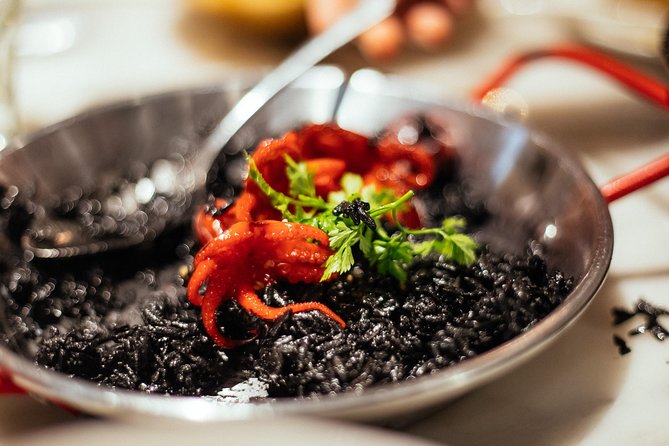
You meet at Eco Tree Hotel Sheung Wan, right by Sai Ying Pun, close to MTR station exit B1. Starting near public transit is a smart design choice. It keeps your day simple—no hotel pickup lines, no complicated staging, and you can plan your morning around your own schedule.
The total time is about 3 hours, which is long enough to feel like a real day out, but short enough that you still have energy for the rest of your Hong Kong visit afterward. The pacing also matters: you’ll be walking through several neighborhoods and hopping between multiple food stops, so it’s not a sit-and-chat kind of experience.
A practical tip: arrive a few minutes early and be at the exact exit location. One of the common headaches with food tours is missing a tight handoff point, and here the start is specifically tied to a metro exit.
Sheung Wan wet market stop: where you learn the ingredient language
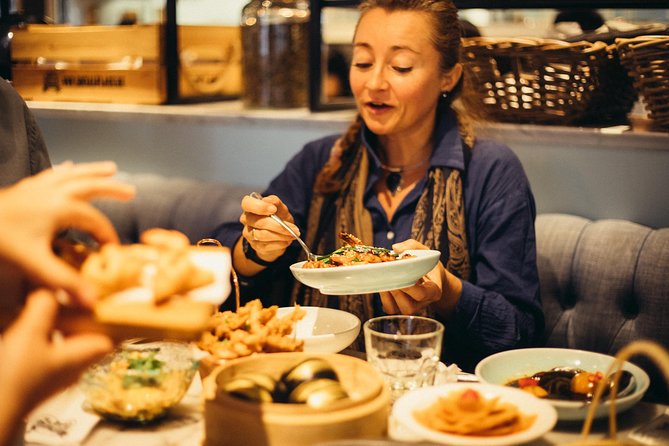
Your second stop is Sheung Wan, where you visit a typical wet market. This is the place where the city’s everyday food supply becomes visible. Instead of thinking of vegetables and meat as “items,” you start seeing them as categories tied to seasonality, preparation habits, and local preferences.
The market stop also helps you connect dots between what you’ll later taste and what you saw being handled earlier. You’ll learn about Chinese vegetables and meat, plus the cultural function of the market building. That part is underrated: wet markets aren’t just supermarkets. They’re social, practical, and deeply part of how people plan meals.
Why this stop is valuable: Hong Kong street food isn’t random. It’s built from ingredients that are chosen daily. When you see those ingredients in a market setting, you understand why certain flavors show up again and again in wonton soups, noodle bowls, and bakery snacks.
Potential drawback: wet markets can be sensory-heavy. If you’re sensitive to smells or crowds, go in with that expectation and take the pace you need. The tour’s private format helps here because you can pause without feeling lost in a big group.
Market surprises: dried seafood like sea cucumbers and birds’ nests
The tour’s market time includes a focus on dried seafood, including items like sea cucumbers and birds’ nests. Seeing these ingredients in the real market context is a big part of the appeal. You learn what they are, why they’re valued, and how they show up in traditional preparations.
This stop is also a good reality check. Some visitors arrive thinking they just want unusual photos. You’ll get more out of it if you treat this like an ingredient lesson. Your guide can explain how dried goods fit into Cantonese cooking traditions and why they matter to local tastes and beliefs.
Also, the tour offers vegetarian alternatives, which is important for people who want the food experience but not the dried seafood component. You’ll still get plenty of flavors and textures. The goal is to keep you fed and informed, not stuck skipping everything.
Shrimp wonton in The Center: a fast lunch you can actually copy later
Next you go to The Center, where you eat shrimp wonton at a local lunch restaurant. This is one of those “simple but not generic” Hong Kong staples. Wontons look straightforward, but the details matter: the texture of the wrapper, the seasoning in the filling, and how the broth balances richness and salt.
This stop is also cleverly placed near major landmarks, so you get a sense of place. You’re eating close to some of Hong Kong’s tallest views, but your meal happens at street level, shared with locals. That mix is part of what makes Hong Kong feel like Hong Kong.
What you’ll learn here: how locals fit comfort food into a working-day routine. It’s not a special-occasion dish for most people. It’s practical lunch. When your guide explains what to look for, you start tasting with context instead of just chasing variety.
A few more Hong Kong SAR tours and experiences worth a look


Hollywood Mural tea-house break: sugar cane juice the Hong Kong way
Then you head to the Hollywood Mural area for sugar cane juice at a scenic tea house run by a 4th generation family. This is a fun palate break because it’s not just another snack. Sugar cane juice also changes the pace. It cools you down and resets your appetite before the next market and street-food segments.
Sugar cane juice in Hong Kong can be very sweet. If you’re expecting mild refreshment, keep that in mind. One reason this stop works for many people is that your guide can talk you through what makes it a classic and how the tea-house culture shapes what people choose to drink.
How this stop helps your bigger day: it’s a breather that doesn’t feel like a tourist café detour. You’re in a local setting, and you’re still part of the food story.
Graham Street Market: fruit tasting with a local filter
At Graham Street Market, you taste exotic fruit that’s handpicked for you by your local host. This is where a guide’s taste matters. Fruit at a market is rarely “one-size-fits-all.” Your guide can steer you toward fruit that’s ripe, in-season, and a better fit for what you’ve already eaten.
This stop also turns market sightseeing into something you can’t fake. If you wander alone, you might buy random fruit or just pick what looks pretty. With a guide, you get a more thoughtful selection process—plus context on how to eat it and what flavors to notice.
A small consideration: fruit portions in tours are usually tasting-sized. That’s not a flaw—it’s how you can fit 10 tastings into 3 hours. If you love fruit, you’ll likely want to buy more later from the stalls you like most.
Wan Chai Dai Pai Dong: street dining and beef-noodle comfort
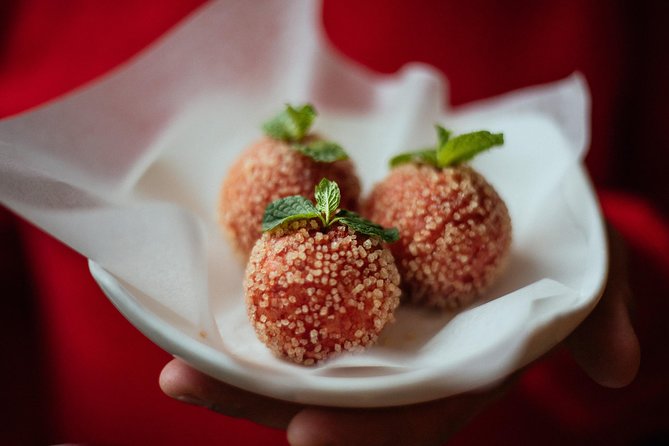
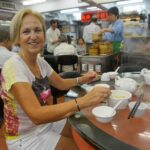
In Wan Chai, you get the Dai Pai Dong experience, which means eating in the street with the locals. You try tasty beef-noodle food here, and the value is more than just the noodles. It’s the setting—ordering, eating, and watching how people move through the space.
This stop is often the one that feels most “Hong Kong.” It’s informal. It’s fast. It’s social even if you’re eating alone. Your guide’s job is to make the etiquette and ordering easy so you can focus on the food.
The benefit of having tastings rather than a single sit-down meal: you get to keep moving and still eat something substantial. By the time you reach this stop, you’ll understand what you liked earlier and what you might want to chase next.
If you’re not a fan of street eating, this is still worth considering because it’s brief and guided. But do keep in mind that street stalls come with the realities of outdoor dining—noise, crowds, and the occasional wait at peak hours.
Pineapple bun and milk tea finale near Spring Garden Street
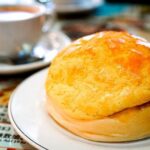
The tour ends with the locals’ favorite snack: pineapple bun and milk tea near Spring Garden Street (you finish around the ie exit station area). This is a perfect closing move. It’s sweet, familiar, and easy to identify as a Hong Kong signature.
Pineapple bun also rewards you with a little contrast after savory foods. You get the buttery, baked texture and the way milk tea pairs with bakery sweetness. Even if you think you’re not a dessert person, this finish is a classic for a reason.
This finale also works as a practical reset for your evening. Once you finish, you’re not stuck in a far-off location. You’re back near the area where you started this portion of the route, so you can head out to dinner or explore more neighborhoods with less stress.
Mid-Levels escalator system and Stone Slab Street: built-in walking breaks
Between food stops, you also get city highlights on foot. Two standouts:
- The Mid-Levels Escalator and walkway system, described as the longest outdoor covered escalator system in the world. This isn’t just a photo stop. It’s a piece of living infrastructure that shows how Hong Kong solves steep hills and daily movement.
- Stone Slab Street, a pedestrianized sloped street paved with uneven granite slabs and lined by market stalls. It adds that “real streets, real texture” feeling that you don’t get from flat tourist zones.
These two segments help the tour feel like more than food. They also give you small windows to catch your breath. With 3 hours total, those built-in walking breaks matter.
Wear shoes with grip. The slabs can be uneven, and you’ll likely be on your feet for long stretches across multiple stops.
Price and value: is $195.71 worth it?
At $195.71 per person, this isn’t a cheap snack crawl. But for a private tour with 10 tastings, a local guide, and multiple market and neighborhood transitions, it starts to make sense.
Here’s the value math in plain terms:
- You’re paying for local guidance in a city where street food can be hard to decode.
- You’re paying for time and structure: multiple neighborhoods in about 3 hours without you planning every stop.
- You’re paying for tastings (not just one meal), plus options like vegetarian alternatives.
This is the kind of tour where you get your money back in peace of mind. You don’t waste time guessing. You don’t end up eating the wrong thing or the tourist version of a dish. You also get explanation that helps future meals make more sense.
The biggest reason it can feel not-worth-it is if you hate walking, or if you’re the type who only wants one big sit-down meal. If that’s you, another format might be better. But if you want a smart introduction to Hong Kong’s food culture, this price can feel fair.
Who should book this private Hong Kong street-food tour
This tour is best for you if:
- You want a guided way to eat street food without worrying about language or etiquette.
- You like variety, and you enjoy markets as part of the meal story.
- You’re curious about both everyday staples like shrimp wonton and iconic snacks like pineapple bun and milk tea.
- You’d rather spend 3 hours tasting and learning than 3 days researching.
It may be less ideal if:
- You need long seated meals and prefer minimal walking.
- You’re very picky about sweetness, since sugar cane juice and bakery snacks can be quite sweet.
- You want a calm pace with lots of downtime between stops.
A quick note on guides: names you’ll see in top ratings
High ratings in this kind of tour often come down to the guide’s energy and clarity. In the feedback I saw names like Cosmos, Angel, Ronnie, Ling, and Caleb tied to praise for food choices and explanations, plus helpful city navigation. That pattern matters: the best version of this tour happens when your guide helps you connect what you’re eating to how Hong Kong lives day to day.
A practical mindset: even on a great tour, the experience is built from tight meeting points and quick stops. Show up on time, ask questions early, and speak up about any dietary needs so the guide can adjust.
Should you book this 10 Tastings of Hong Kong With Locals?
I’d book it if you want a fast, focused introduction to Hong Kong food culture that includes markets, classic snacks, and real street-level dining—with a private guide handling the hard parts. The route is thoughtfully packed into about 3 hours, and the 10 tastings make it feel like you left with real knowledge, not just a full stomach.
Skip it if you’re chasing a high-end, slow-paced food experience. This is food-on-the-move. It’s meant to be practical, local, and a little noisy.
If you’re deciding between DIY street food and a guided crawl, this one leans strongly toward guided comfort. In a city like Hong Kong, that can be the difference between random bites and a memorable food day.
FAQ
How long is the 10 Tastings of Hong Kong With Locals tour?
It runs for about 3 hours.
Is this a private tour or a shared group?
It’s private. Only you and your local guide participate.
Where do I meet the guide?
The meeting point is Eco Tree Hotel Sheung Wan, 156–160, Des Voeux Rd W, Sai Ying Pun, Hong Kong. You’ll meet close to MTR station exit B1.
What kinds of food and drinks are included?
The tour includes 10 food and drinks tastings. Examples listed include shrimp wonton, sugar cane juice, exotic fruit, a Dai Pai Dong beef-noodle experience, and the pineapple bun plus milk tea finish. Market time also includes dried seafood items such as sea cucumbers and birds’ nests.
Does the tour offer vegetarian options?
Yes. Vegetarian alternatives are included.
Do I need to know Cantonese to enjoy street food here?
No. One of the tour’s main benefits is having a personal guide to help you navigate what to order and explain what makes the food special.
Is hotel pickup or drop-off included?
No hotel pickup or drop-off is included. The tour ends back at the meeting point.
How much walking is involved?
The tour lists a moderate physical fitness level. Since it includes multiple stops and city walkways like the Mid-Levels escalator area and Stone Slab Street, wear comfortable shoes and expect to be on your feet.
What’s the cancellation timeframe for a full refund?
You can cancel for a full refund up to 24 hours before the experience start time.