REVIEW · GENOA
Guided Food Tour with Wine Tastings in Genoa
Book on GetYourGuide →Operated by Slow Travel · Bookable on GetYourGuide
Genoa tastes like the sea.
This 2-hour guided food and wine tour strings together street snacks, classic Ligurian staples, and stories in the city center, with stops tied to Columbus and Genoa’s landmark architecture. It’s led by locals such as Fulvio and Lorenzo, and it stays in a small group (10 max) so you actually get answers, not just background music.
Two things I love: you get six distinct tastings that cover the full Genoa spectrum (fried fish, focaccia and farinata, pesto, and the coffee dessert Panera), and the walk is packed with context—like the moment you stand near Christopher Columbus’ House and hear why Genoa mattered. One thing to consider: the tour is an active walking experience, and it also notes it can’t accommodate gluten or lactose allergies (vegetarians are welcome, but allergies are the big limitation).
If you’re traveling with kids, late-night energy, or a need for lots of sit-down meals, this isn’t that kind of tour. It’s built for eating on the move, and you’ll be trading long breaks for frequent tastings and short cultural stops around Porta Soprana and the cathedral area.
In This Review
- Key highlights I think you’ll care about
- Starting Under Porta Soprana: the tour’s easy rhythm
- Doge’s Palace quick look: why you see it even without a museum ticket
- Columbus House: standing in the place that changed the story of travel
- Bakery stops and chickpea classics: focaccia and farinata done the Genoa way
- Pesce fritto and the fishing village moment: Genoa’s street-food coastline
- Pesto tasting: more than sauce, it’s a technique
- Chiesa di San Lorenzo: the cathedral break that makes the walk feel important
- Two wines in the city: pairing that actually connects
- Panera dessert: coffee-flavored semi-frozen cream that’s very local
- Price and value for a Genoa foodie (and time-crunch traveler)
- Who this walking food-and-wine tour suits best
- Should you book this Genoa food and wine tour?
- FAQ
- How long is the guided food tour in Genoa?
- Where do I meet the guide?
- What’s the tour price?
- How many tastings are included?
- What food and wine are included?
- What language is the tour offered in?
- Is the tour suitable for vegetarians?
- Can the tour accommodate gluten or lactose allergies?
- Is it wheelchair accessible?
- What happens if I cancel?
Key highlights I think you’ll care about
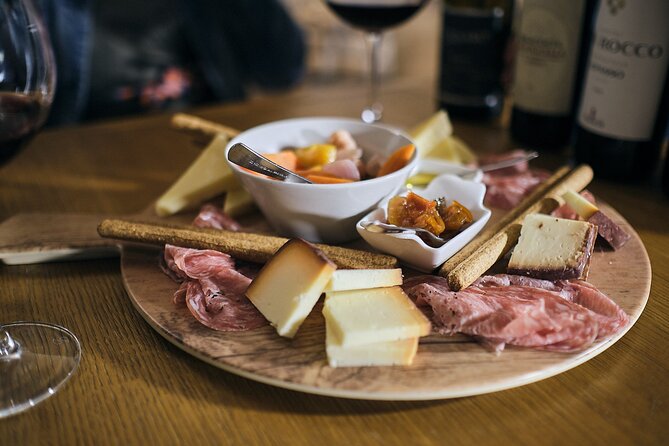
- Six tastings across fish, bread, and pesto, not just one “signature” dish
- Two local wine tastings paired to match what you’re eating
- Columbus House and Genoa’s cathedral zone added to the food stops
- Chickpea-based bites like focaccia and farinata show off Liguria’s pantry logic
- Panera dessert: coffee-flavored semi-frozen cream that’s very Genoa
- Small group size (10 max) keeps the pace friendly and the stories personal
Starting Under Porta Soprana: the tour’s easy rhythm
You meet your guide under the arches of Porta Soprana, a central gate area close to the Columbus House. The start matters because it sets the tempo: you’re not driving across town for tastings. You’re walking through Genoa’s tight streets, with short sightseeing stretches and focused food stops.
The whole tour runs about 2 hours, which is the sweet spot if you want a “great day in Genoa” without turning it into an all-day marathon. The experience is designed for comfort on foot—think comfortable shoes, then short bursts of walking, then eating.
If you go in cooler months, I’d plan for chill air. One traveler specifically noted it was cold on their January start time, so layers are a smart move even if you don’t expect winter weather to matter much.
You can also read our reviews of more food & drink experiences in Genoa
Doge’s Palace quick look: why you see it even without a museum ticket
Early on, you get a short sightseeing moment at the Doge’s Palace area. You’re not paying for museum entry here, and that’s intentional. Instead, you get the visual anchor: this is the kind of building that tells you Genoa’s past wasn’t just about fishing boats—it was about power, trade, and maritime wealth.
That quick stop works well if you’re doing Genoa in limited time. You’ll get the “what is this place” context from your guide, then keep moving to eat.
If you’re the type who wants deep museum-level time, keep expectations realistic: museum entrances aren’t included, so treat the palace visit as an architectural snapshot.
Columbus House: standing in the place that changed the story of travel
One of the most memorable stops is Christopher Columbus’ House. You’ll stand there and hear stories tied to his adventures and Genoa’s role in the Age of Exploration. It’s the kind of historical moment that feels more concrete than a classroom explanation because you’re literally in the geographic setting.
What makes this stop valuable is that it doesn’t feel separate from food. Genoa’s cuisine makes sense once you understand the city’s maritime identity. The tour keeps nudging you back to that idea: seaborne routes, trade in ingredients, and a culture built around what arrives and what lasts.
It’s also why the tour’s city-center routing is so effective. You get history in the same walk where you’re tasting fried fish, pesto, and chickpea-based breads.
Bakery stops and chickpea classics: focaccia and farinata done the Genoa way
This is where your stomach becomes your best guide. The tour includes multiple stops at local bakeries with focaccias and farinata. You’ll taste focaccia made from chickpeas and flour, plus other bread-based bites that show up again and again in Liguria.
Here’s the practical reason this matters: chickpeas aren’t “just a diet choice” in Genoa. They’re part of the region’s comfort food logic—filling, flavorful, and easy to serve fast. On a short tour, it’s perfect food, because you get real variety without waiting for a full meal.
You’ll also get to experience the aromas around olive oil and baking—small details that might sound minor, but they make the tasting stops feel like a mini sensory lesson. If you’re the type who wants to know what you’re eating (not just that it’s good), your guide’s explanation helps you connect the bread to Ligurian tradition.
Pesce fritto and the fishing village moment: Genoa’s street-food coastline
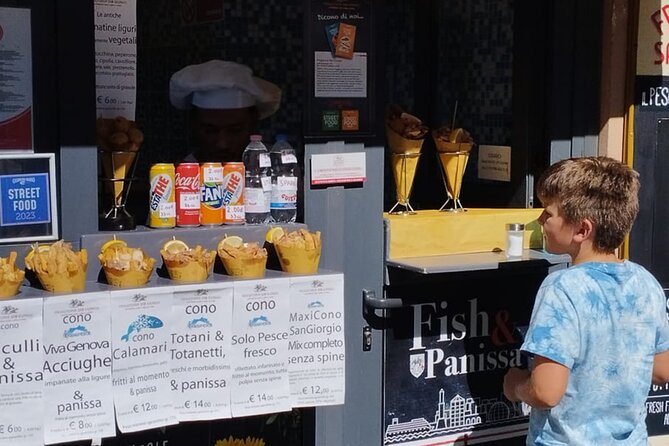
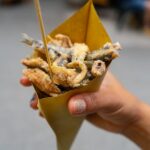
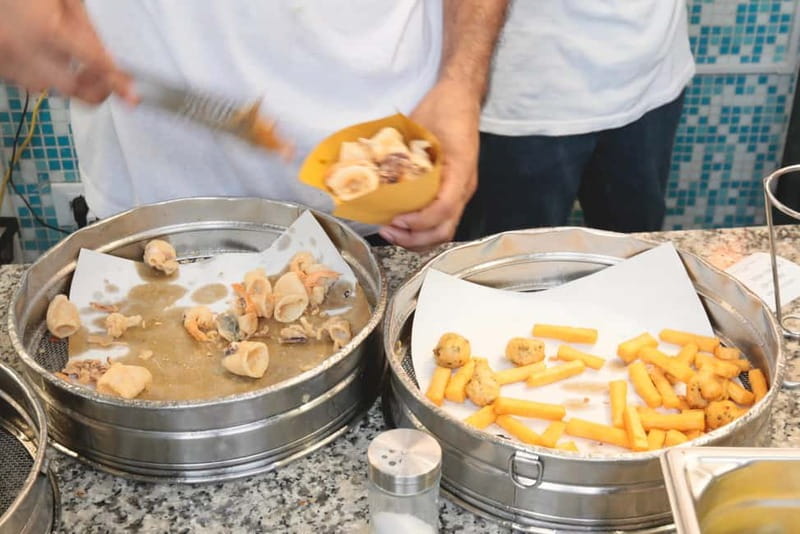
Expect a start with pesce fritto, a classic fried fish street food that captures the coastal identity of Genoa. Then, later, you’ll have a street-food tasting stop connected to the fishing village area.
This pairing—fish, then a fishing-village stop—does something smart. It keeps the food grounded in place. Fried fish in Genoa isn’t a random “Italian-American” imitation. It’s the kind of fast, salty bite that fits how a harbor city moves.
You’ll likely taste a selection of fried fish from the Mediterranean sea as part of the included tastings. It’s exactly the kind of food you want on a tour because it’s flavorful quickly and easy to eat while walking (and yes, you’ll want napkins).
One note: the tour isn’t listing a seafood-free route. If you don’t eat fish, double-check with the operator beforehand, because the included tastings are built around local seafood.
A few more Genoa tours and experiences worth a look
Pesto tasting: more than sauce, it’s a technique
You’ll get a pesto tasting with focaccia. The tour also explains how pesto traditionally comes together—fresh basil and pine nuts crushed in a mortar—so you’re not just tasting the result, you’re learning what changes the flavor.
This matters because pesto in a jar can taste like “basil-ish.” Fresh pesto tastes like green brightness and nutty depth. On this tour, pesto feels like a centerpiece because it appears after the bread and fried fish stops. It’s a palate reset that still stays Ligurian.
A good way to approach this stop: slow down enough to taste the basil first, then the pine nut note, then how it behaves with the bread. That’s where the pairing lesson clicks.
Chiesa di San Lorenzo: the cathedral break that makes the walk feel important
At Genoa Cathedral—the tour mentions Chiesa di San Lorenzo—you get time to admire the Romanesque façade and hear its historical significance. It’s not a long stop, but it’s a useful one.
Why? Because the food tour could have stayed purely culinary. Instead, the cathedral stop gives you a “big architecture” moment so the day doesn’t feel like nonstop eating with no sense of scale.
If you like architecture, you’ll appreciate how the guide points out details rather than asking you to read a history book on your own. Expect a short, high-impact window.
Two wines in the city: pairing that actually connects
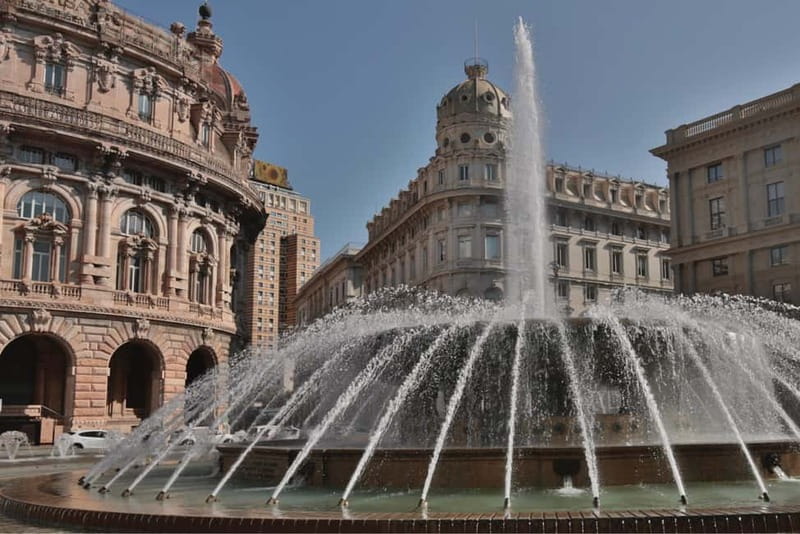
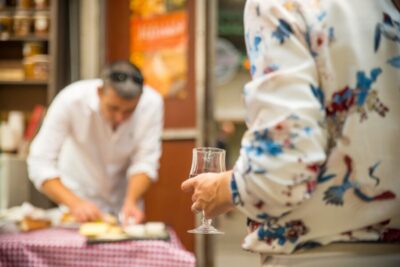
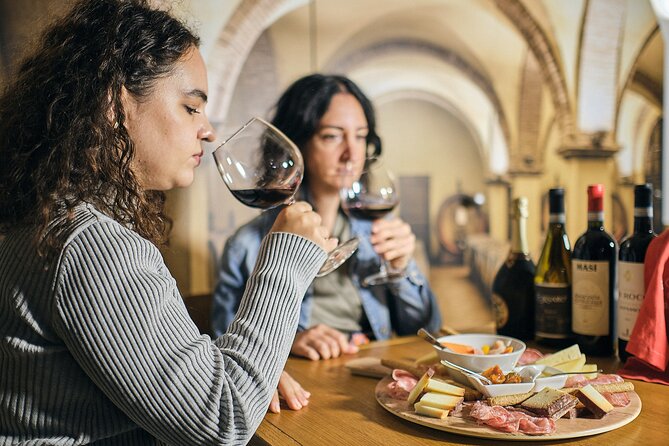
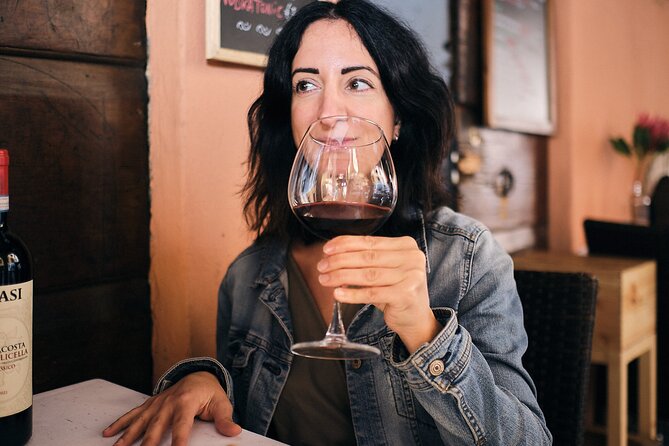
Wine is part of the core package here: you’ll do two local wine tastings. The tour includes a wine stop at a local bar and ends at Cantine di Colombo.
What I like about wine on a food tour is simple: it stops wine from being a standalone event. Here, you’re tasting it alongside what you’ve already eaten, so the pairing makes sense immediately.
The tour notes that your guide pairs the wines with the flavors of Genoese cuisine and shares insights into the region’s winemaking traditions. Even if you’re not a “wine person,” you should walk away knowing what to ask for in a shop later.
A consideration: the wine is tasting-sized, not a wine-drinking binge. If you want a very loose, long, drink-heavy afternoon, this may feel structured. But if you want food-first with wine as the supporting role, it’s a strong fit.
Panera dessert: coffee-flavored semi-frozen cream that’s very local
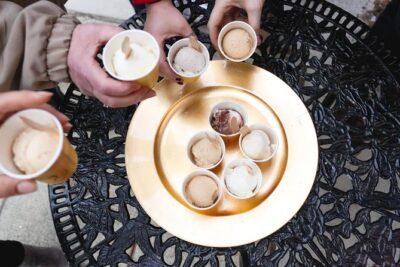
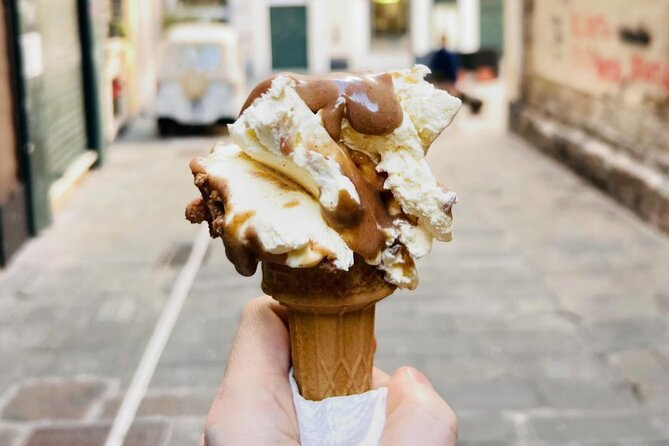
For dessert, you’ll try panera, described as a coffee-flavored semi-frozen cream. It blends the richness of cream with the boldness of espresso, turning the final stop into something both comforting and distinctly Genoa.
This is one of those desserts that’s hard to replicate away from the region because it’s tied to local tastes and how the city does coffee. Also, the semi-frozen texture makes it feel lighter than a heavy gelato-style finish. After fish, bread, and wine, that contrast is exactly what you need.
I’d treat this as your “don’t skip dessert” moment. It’s included, it’s local, and it ends the tour on a note that feels like a genuine local specialty—not a generic tourist gelato stop.
Price and value for a Genoa foodie (and time-crunch traveler)
At $70 per person for about 2 hours, you’re paying for three things at once:
- Multiple tastings (the tour highlights 6 tastings)
- Two wine tastings
- A guided walk with city-center history around major landmarks
That adds up fast in a place like Genoa, where a single good meal can run more than you’d expect and where wine tastings are often extra. Here, the structure does the work for you: you get variety without having to plan five separate stops.
Also, small-group limits (up to 10 participants) matter at this price. You’re more likely to get real interaction with the guide instead of being pushed through a checklist.
If you’re someone who likes to taste first and plan second, this is a good use of limited time—especially if you’re already walking the old center and want food to “fill in the gaps.”
Who this walking food-and-wine tour suits best
This tour fits well if you:
- Want a short guided experience that still covers history and food
- Like eating street-style bites instead of sitting through course-by-course dining
- Enjoy guided explanations—especially ones tied to places like Columbus’ House and Chiesa di San Lorenzo
- Want local wines with actual food pairing, not just a sip and move on
It may be a poor fit if:
- You need gluten-free or lactose-free options (the tour states it can’t cater for gluten and lactose allergies)
- You’re traveling pregnant (not suitable)
- You use a wheelchair and need clear confirmation that the route and stops work for you (the info includes wheelchair accessibility, but it also says it’s not suitable for wheelchair users—so you should contact the provider and confirm your specific needs)
Vegetarians are welcome, which is a plus. Still, because the tour includes fish as part of the included tastings, it’s worth checking what the vegetarian options look like in practice.
Should you book this Genoa food and wine tour?
If you’re planning a first visit to Genoa and want a focused introduction, I think it’s an easy yes. You get six tastings, two wines, and a smart mix of classic Ligurian foods (pesto, focaccia, farinata, fried fish) plus a locally distinctive dessert in panera. The history stops—especially Columbus’ House and the Chiesa di San Lorenzo area—keep the day from turning into only food.
Book it if you want value, variety, and a guided route that helps you connect Genoa’s cuisine to its maritime past. Skip it only if your dietary needs are strict (gluten/lactose), you’re expecting a long sit-down meal, or you need a route that’s clearly confirmed for wheelchair use. For most people, though, this is a smart, efficient way to eat your way through the old city.
FAQ
How long is the guided food tour in Genoa?
The tour lasts about 2 hours.
Where do I meet the guide?
Meet the guide under the arches of Porta Soprana until the start time.
What’s the tour price?
The price is listed as $70 per person.
How many tastings are included?
The tour includes 6 different tastings, along with 2 local wine tastings.
What food and wine are included?
Included items include fried fish, focaccias and farinata, pesto with focaccia, panera dessert, and 2 local wine tastings.
What language is the tour offered in?
The guide offers the tour in English and Italian.
Is the tour suitable for vegetarians?
Yes, vegetarians are welcome.
Can the tour accommodate gluten or lactose allergies?
No. The tour states it cannot cater for gluten and lactose allergies.
Is it wheelchair accessible?
The information lists wheelchair accessibility, but it also says it is not suitable for wheelchair users. If this applies to you, you should confirm with the provider before booking.
What happens if I cancel?
Free cancellation is offered up to 24 hours in advance for a full refund.