REVIEW · HANOI
Hanoi: Street Food Tour with Train Street and Old Quarter
Book on GetYourGuide →Operated by My Holiday Vietnam · Bookable on GetYourGuide
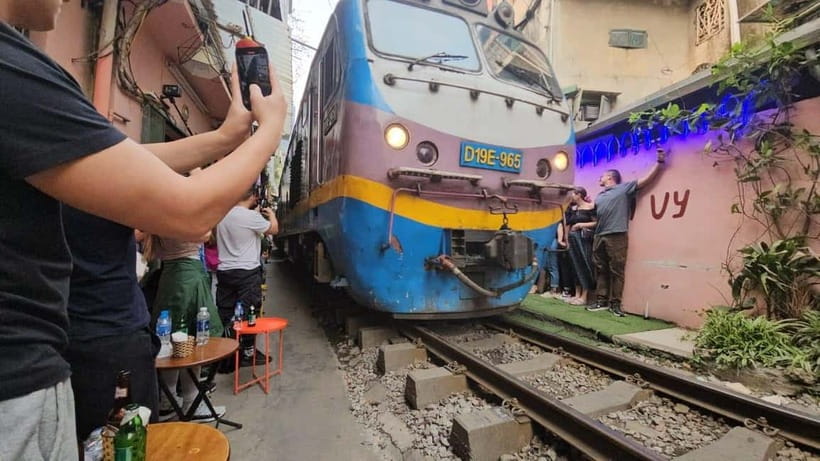
Hanoi street food has a built-in adrenaline rush. I really liked how the guide leads you through the Old Quarter like you’re moving with locals, not just ticking sights, and guides such as Tony and Seven explain what you’re seeing between bites. I also loved the payoff at Train Street: waiting trackside, sipping egg coffee or a cold drink, and trying to catch that huge train threading through the alley houses.
The one real consideration is the train moment itself. Schedules may look one way, but trains don’t always behave the way the timetable promises, so you need a bit of patience and flexibility to get the best shot.
In This Review
- Key highlights you should know
- Old Quarter walking: where the real Hanoi starts
- The tastings that make the $12 feel like a deal
- Dry mixed pho (a different first bowl)
- Banh my and kem xôi: the sweet-spread finish you’ll remember
- More classics in smaller bites
- If something doesn’t work for you, speak up
- Ta Hien Beer Street: where you can choose your own vibe
- Side-alleys, daily life, and that hidden-temple moment
- Train Street: how the timing game works
- Who your guide is matters (and the names are real)
- Timing, walking distance, and what to pack
- Price breakdown: what you get for $12
- Where it fits best in your Hanoi plan
- Should you book this Hanoi street food plus Train Street tour?
- FAQ
- How long is the Hanoi street food tour with Train Street?
- What does the tour cost?
- What food and drinks are included?
- Is pickup included?
- Where does the tour start and end?
- Can the guide accommodate vegetarian diets or food allergies?
Key highlights you should know
- Old Quarter alley walking that shows daily life, not just storefronts
- A family-style food lineup with classic dishes like pho and banh cuon, plus regional favorites
- Train Street wait time with snacks and drinks during the window when the train might pass
- High chance of seeing the train through smart timing, though it’s never 100% guaranteed
- Stops can shift based on weather, restaurant flow, and train access at that moment
- Small group vibe (maximum 15), with guides who can work around dietary needs if you ask
Old Quarter walking: where the real Hanoi starts
This tour is built around the feeling of being dropped into Hanoi’s daily rhythm. You walk through the Old Quarter area, where the streets are narrow and the city feels lived-in rather than staged. The guide keeps the pace friendly but steady, with you picking up small pieces of context—what the street layout means, why certain places cluster where they do, and how people actually move through this area.
One of the best parts is that you’re not only hunting food. You also get a side of Hanoi that’s easy to miss if you’re just following maps—small alleys, everyday storefronts, and even a hidden temple stop along the way. It adds texture, so the tour feels like a culture walk plus a food crawl instead of random restaurant hopping.
If you’ve got a short time in Hanoi, I think this kind of guided route is a smart way to get your bearings fast. You learn what to look for, and you leave with a better sense of how the city works after you’ve eaten your way through it.
You can also read our reviews of more food & drink experiences in Hanoi


The tastings that make the $12 feel like a deal
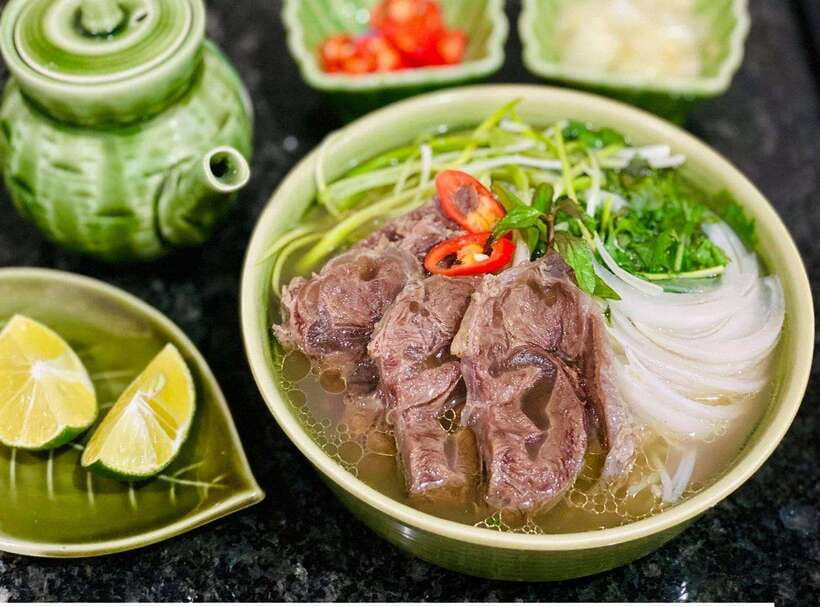
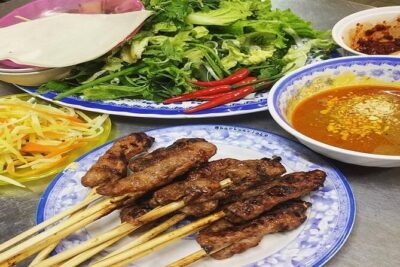
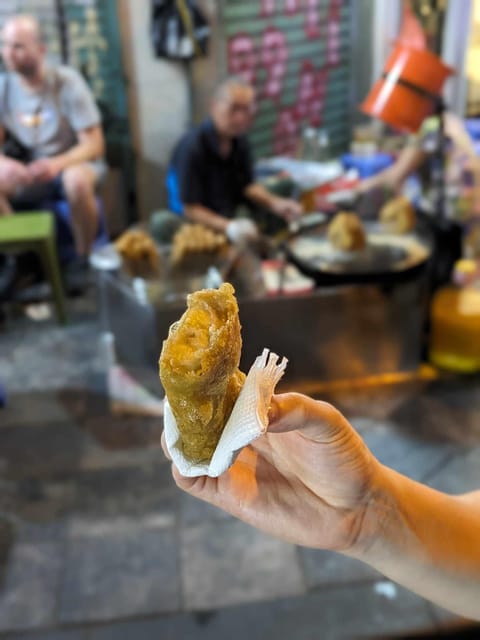
Let’s talk value, because this is the part you actually taste. The tour is priced around $12 per person, and for that money you’re not just getting one snack—you should expect about 5 or 6 tastings plus 1 drink. Even when the exact dishes shift, the overall goal stays the same: enough variety that you don’t leave hungry, and enough classics that you can understand what people mean when they say Hanoi street food is its own category.
Here’s the lineup style you can expect, with dishes that show up in Hanoi’s everyday food culture:
Dry mixed pho (a different first bowl)
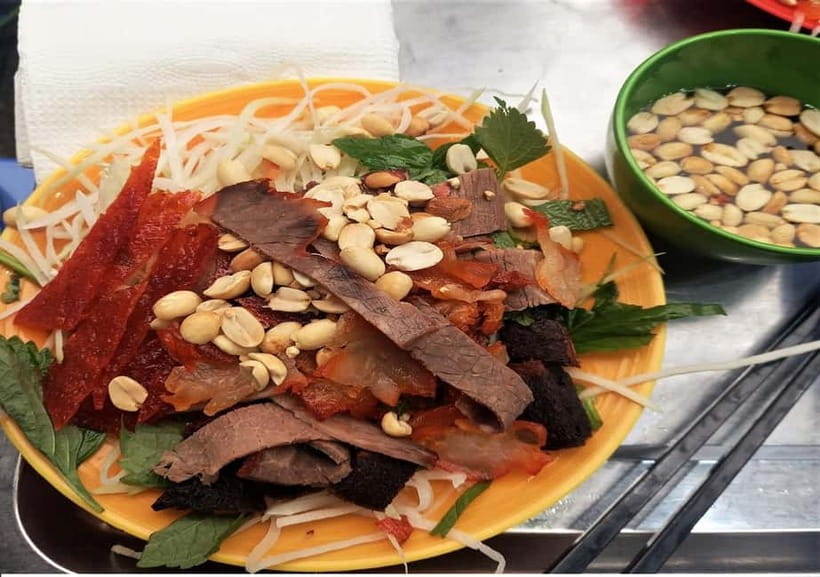
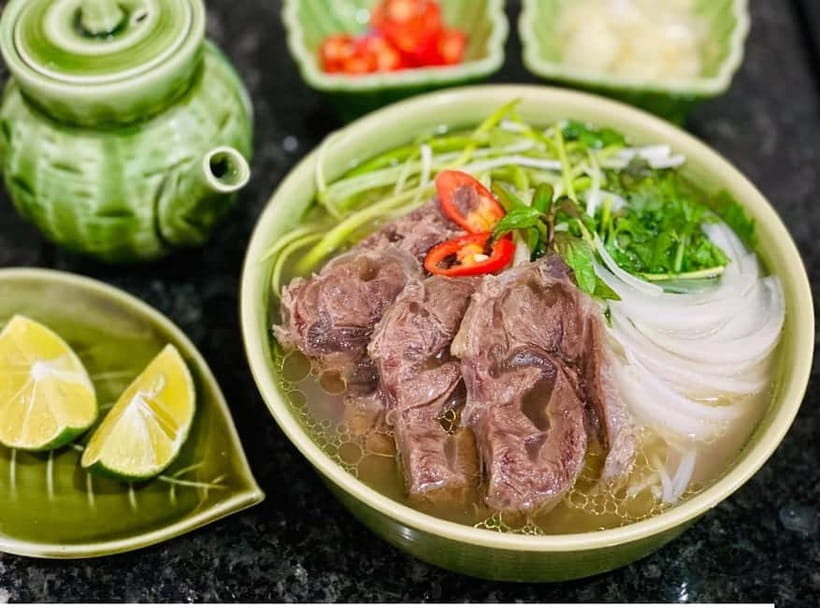
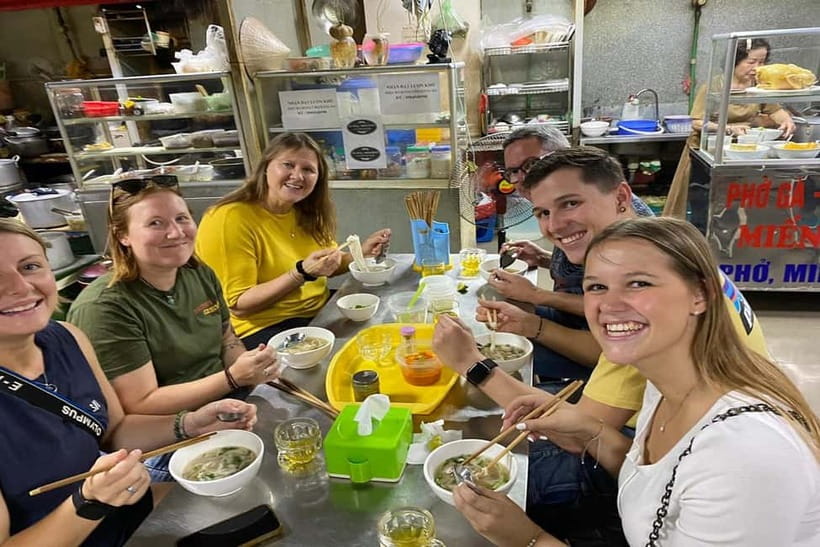
You’ll start with a version of pho that’s new to a lot of first-timers: dry mixed pho with a special sauce. Instead of a big bowl of broth, you get the flavors mixed and portioned so you can actually taste how the sauce and noodles work together. The guide also steers you toward the chicken version, which tends to feel lighter and fresher than heavier alternatives.
What I like about this stop is that it’s a fast way to understand Vietnamese flavor building blocks—herbs, seasoning, and the idea that pho isn’t only broth-based. It also sets you up for the rest of the meal because it’s satisfying without being “food coma” heavy.
Banh my and kem xôi: the sweet-spread finish you’ll remember
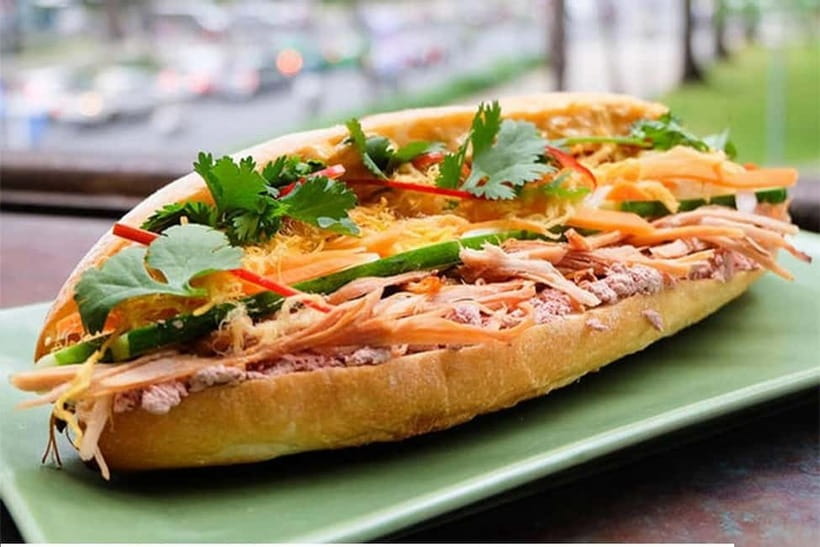
Next comes banh my, a signature Vietnamese baguette with multiple filling options. This isn’t a sad sandwich-on-a-bus stop. It’s the kind of banh my that makes you understand why locals treat this as a real meal.
Then you land on dessert: kem xôi, which pairs sticky rice with ice cream. That mix of warm-sticky rice texture and cold, creamy sweetness is the kind of contrast that turns dessert into a highlight instead of an afterthought. If you’re expecting a simple sugary end, kem xôi is a better ending than that.
More classics in smaller bites
After that, the tour usually keeps rolling through more street staples, such as:
- NEM (fried Vietnamese spring rolls)
- Banh duc (hot rice powder soup)
- Banh cuon (steamed rice rolled pancakes)
- A second dessert option, such as dessert soup or banana cake
You’ll notice the pattern: a mix of crispy, soft, steamed, and soupy textures. That matters because you’re tasting the variety of Hanoi cooking styles in one sitting, not just eating one “type” of snack.
A few more Hanoi tours and experiences worth a look




If something doesn’t work for you, speak up
One practical thing I appreciate about this setup: it’s not designed like a fixed tasting menu. The dishes can vary, and you can ask the guide to skip something if you don’t like the taste. That makes the tour feel safer, especially if you’re trying unfamiliar foods for the first time.
Ta Hien Beer Street: where you can choose your own vibe
You’ll also pass through Ta Hien (Beer Street), one of the Old Quarter’s most well-known hangout strips. The tour doesn’t force you to stop for a drink at that moment, but it helps you understand why the street has the reputation it does—food stalls, people out late, and a mix of locals and visitors.
If you like beer, you can use this moment to orient yourself. Even if the tour doesn’t linger, it’s useful to know where to go back later. And if you’re not a beer person, you still get the “feel” of the nightlife zone without it taking over your entire evening.
Tip: If you know you’ll want a second round afterward, keep a little room in your head (and stomach). The Train Street stop is the bigger emotional payoff.
Side-alleys, daily life, and that hidden-temple moment
This is where the tour stops being only about food. The Old Quarter section is basically a slow-motion lesson in how Hanoi neighborhoods function: alleyways connect, people run errands in bursts, and small religious spots sit quietly in the middle of everyday life.
Along the way, the guide takes you to a hidden temple site. I like this because it breaks up the snack rhythm and gives you a place to reset and absorb the scale of the city. It’s also a good reminder that street food isn’t just about eating—it’s part of how people live together.
Even if you’re not a big “temple person,” this stop works because it’s short and purposeful. It gives context, then you’re back moving toward the next tasting.
Train Street: how the timing game works
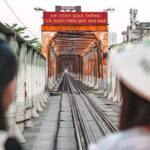
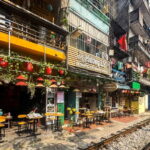
Now for the reason many people book this tour: Train Street. This is the place where a railway line runs through narrow alleys lined with houses on both sides. You’ll go trackside and wait during the train window. If you’re lucky, you’ll see the train pass extremely close—close enough that it feels unreal until you’re watching it roll through in real time.
A key detail: train schedules may be accurate on paper but not always reliable in practice. That’s why this tour is built around flexible timing. Depending on the train schedule and real-time circumstances, you may even be taken to a different Train Street location to maximize the odds of seeing it.
When the group is waiting, you’ll have your drink on hand—often egg coffee, but it can also be beer, soft drink, or juice. That part matters because Train Street time can be stretched by minutes or longer. Having something cold or warm to sip keeps the wait comfortable instead of frantic.
Also, don’t think of Train Street as just a photo stop. The real experience is watching the alley respond as the train approaches—people shift positions, the street changes energy, and you feel how unusual Hanoi’s city design is in motion.
Who your guide is matters (and the names are real)
This tour stands or falls on the guide. The good news: you’ll often get one of the hosts people rave about, including Seven and Tony. In the real-world feel of the tour, they show up as more than food point-and-shoot leaders.
You’ll get explanations between tastings—about why a dish tastes the way it does, and what you’re looking at in the streets. And you’ll also notice practical care. For example, the guides have supported visitors with serious food allergies and can adjust for vegetarian needs if you tell them ahead of time.
So if you have dietary limits, don’t just hope for the best. Ask early, and mention what you need so the guide can order food that fits.
Timing, walking distance, and what to pack
This is a walking tour. Expect around 2.5 km of walking over about 3 hours, even though the overall duration shows as 2.5 to 4 hours depending on starting time and train timing.
That matters for two reasons:
- You’ll want comfortable shoes. Old Quarter streets can be uneven and crowded.
- You should plan for “eat, walk, wait” rhythm. Train Street isn’t always instant.
What to bring is simple and very practical: cash and comfortable shoes. Cash matters because street food and small stops often run on quick on-the-spot payment.
Small group size is also a plus. You’ll be in a group up to about 15 people, which usually makes it easier for the guide to manage pace and keep the tasting order flowing.
Price breakdown: what you get for $12
At $12 per person, the tour is priced to feel like street food you can actually budget for. For that price you typically get:
- A local English-speaking guide
- Walking tour through the Old Quarter
- Food tastings (about 4-5 dishes, commonly 5-6 tastings depending on how it lands)
- 1 drink at Train Street (egg coffee, beer, soft drink, or juice)
- All entry fees
- A bottle of water
Is it expensive? No. Is it a bargain? It can be, because you’re paying for guided routing, pacing, and the “Train Street odds” factor. If you tried to DIY this, you’d spend time figuring out where to eat, where the best alleys are, and when to line up for the train window.
One note: the tour is designed for you to be open to local food. If you refuse to try new things, you’ll end up doing less of what makes the tour worth it. The guide can help adjust if you don’t like a dish, but you’ll still get a street-food-heavy experience.
Where it fits best in your Hanoi plan
This tour is especially well-suited if you:
- Want a fast way to see Old Quarter life without getting lost
- Like tasting variety more than committing to one long sit-down meal
- Are excited by Train Street, but you don’t want to gamble alone on timing
- Prefer small-group guidance over wandering on your own
If you’re visiting Hanoi with limited time, this is one of those experiences that gives you multiple layers in one go: food, street culture, a temple moment, and a very specific train-alley spectacle.
Should you book this Hanoi street food plus Train Street tour?
I’d book it if you want a guided, food-centered Old Quarter walk that ends with a real chance to see the train in action—plus a guide who can explain what you’re eating and help with basic dietary needs. At around $12, the mix of 5-6 tastings and a drink is hard to beat for the time you spend.
Skip it or think twice if train timing is your one strict goal and you hate waiting. The train moment is the big draw, but it’s not totally predictable, so you need patience. Also, if you can’t handle walking (the tour is not set up for wheelchair users or mobility impairments), this won’t be comfortable.
FAQ
How long is the Hanoi street food tour with Train Street?
The duration is listed as about 2.5 to 4 hours, with roughly 3 hours of walking time and about a 2.5 km walk.
What does the tour cost?
The price is $12 per person.
What food and drinks are included?
You’ll get food tasting of about 4-5 dishes (up to 5-6 tastings depending on conditions) and 1 drink at Train Street, such as egg coffee, beer, soft drink, juice, or similar.
Is pickup included?
Hotel pickup and drop-off is optional if you stay in the Hanoi Old Quarter area. If you’re outside that area, you’ll need to meet at the address given.
Where does the tour start and end?
It starts at an agency shop inside the Old Quarter area and ends back at the meeting point area around Hoàn Kiếm.
Can the guide accommodate vegetarian diets or food allergies?
If you’re vegetarian, you should ask the guide so food can be ordered to suit you. The tour also notes that you should beware of unfamiliar foods, and you can ask the guide to skip dishes if you don’t like them.