REVIEW · OAHU
Hawaiian Food Tour by Bike in Oahu
Book on Viator →Operated by Bike Tour Hawaii · Bookable on Viator
Hungry and on two wheels? This Hawaiian Food Tour by Bike in Oahu turns a relaxed Waikiki afternoon into a guided loop of local eats plus real neighborhood context, with Kelly steering the ride and the narration. You’ll get a route that’s part taste test, part sightseeing, with plenty of stops to slow down and actually enjoy what you’re eating.
Two things I especially like: the tour builds safety and comfort in from the start with helmets and bike use, and it keeps things personal with a max of 10 riders. One thing to consider: it’s not a long-distance cycling event, so if you’re looking for hours of nonstop riding, you may feel like there’s more time eating than biking.
In This Review
- Key highlights you’ll care about
- A 4–5 hour Waikiki bike route built around local plates
- Start in central Waikiki: bikes, helmets, and an easy rhythm
- Stop-by-stop: what each area adds to your food and Oahu picture
- Kuhio Beach and the Aloha surfing story
- Waikiki Shell venue (Tom Moffatt) and the city’s performance side
- Queen’s Beach: sports energy and a pop-culture wink
- Kapiolani Park: the big-state park moment
- Diamond Head base: the volcanic crater food break
- The golf course loops: when the ride uses time well
- Waikiki Surf Club and Boat Launch: canoes and photos
- Canal ride and the 1929 Waikiki story
- What you’ll eat: local favorites in sensible portions
- Guide Kelly: the difference between a snack run and a story-filled afternoon
- Value check: is $189 a fair deal for Oahu?
- Timing and tips: how to plan your day around this ride
- Who this tour fits best
- Should you book Hawaiian Food Tour by Bike in Oahu?
- FAQ
- What is the meeting point and start time?
- How long is the Hawaiian Food Tour by Bike in Oahu?
- What’s included in the $189 price?
- Do I need to bring a bike or a helmet?
- How big are the groups?
- What should I do if I have allergies or dietary restrictions?
Key highlights you’ll care about
- Small group size (max 10) keeps the ride friendly and manageable on city streets
- Bike, helmet, bottled water, lunch, and all tastings are included in the price
- 5 to 6 food stops with local favorites like poke, fish tacos, malasadas, and shaved ice
- Headset narration with speakers on bikes helps you hear the guide while you ride
- Photo moments at Waikiki Surf Club for canoes and a smooth end-of-tour finish
- Know-before-you-go food timing: you’ll want an empty stomach at the start
A 4–5 hour Waikiki bike route built around local plates
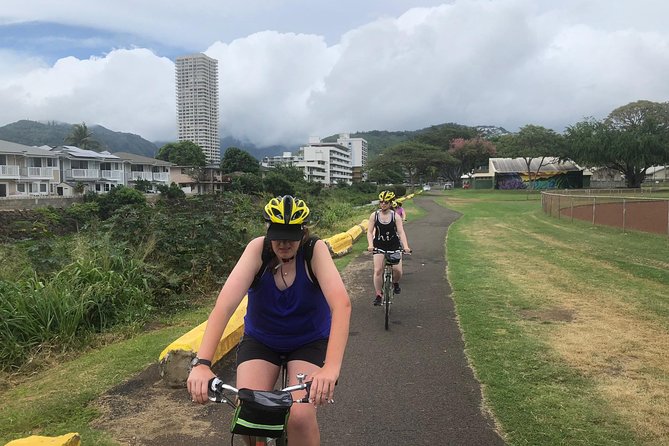
This is a food tour that uses bikes the way they should be used in a city: to connect a handful of neighborhoods without wasting time. You meet in central Waikiki, get fitted, and then you pedal through areas like Kaimuki, Kapahulu, and toward Diamond Head while the guide keeps the story moving.
The biggest advantage is pacing. You’re not forced to “power through” one meal after another. Instead, you stop often enough that tastings feel like part of the tour, not a chore. If you’re only in Honolulu for a short stay, this format helps you get your bearings fast and figure out what you want to return to.
You’re also buying convenience. At $189, you’re not just paying for food, you’re paying for a guide, bikes, helmets, water, and lunch all tied into one afternoon. That’s the kind of value that matters when you’d otherwise spend time planning stops yourself.
You can also read our reviews of more food & drink experiences in Oahu
Start in central Waikiki: bikes, helmets, and an easy rhythm
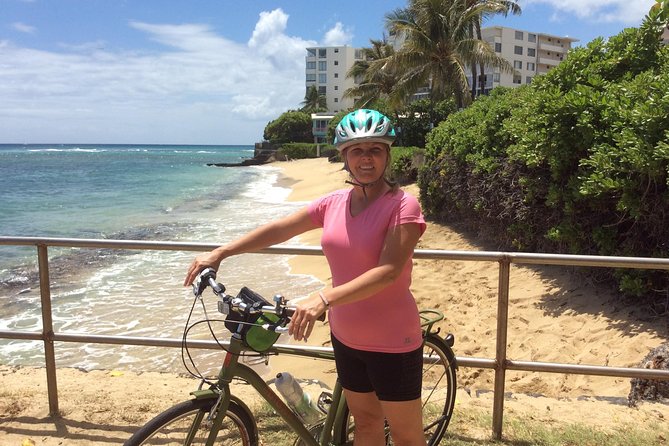
Your tour starts at 2451 Kalākaua Ave, Honolulu at 1:00 pm, and it ends back at the same meeting point. Expect about 4 to 5 hours total, which usually means a full afternoon that’s long enough to matter but not so long you’ll regret it.
Right at the beginning you’ll get fitted for your bike and helmet. The helmets are standard here, and that’s a big plus in Waikiki traffic. The ride itself tends to feel relaxed, with smooth roads and gentle elevation compared to what you might imagine in a hilly coastal city.
One extra comfort detail: the guide’s narration is delivered so you can hear it while you ride. People talk about it as headset-style guidance with speakers mounted on the bike, which keeps you from needing to stop every time you want the story.
Stop-by-stop: what each area adds to your food and Oahu picture
Kuhio Beach and the Aloha surfing story
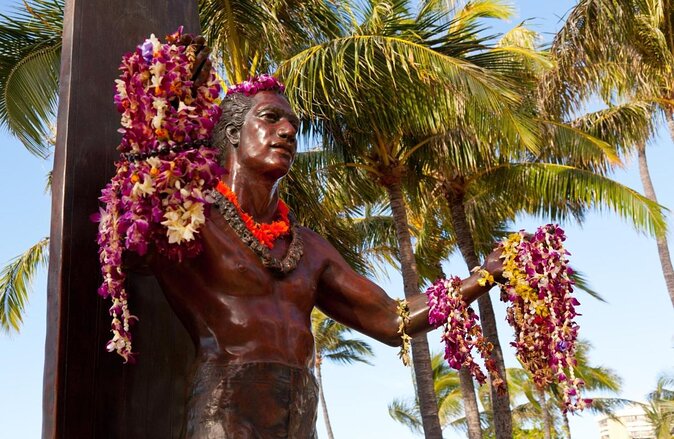
You’ll begin with instructions near Kuhio Beach, then you roll past key Waikiki landmarks while the guide sets the tone. One early moment centers on the world-famous surfer-actor figure who brought surfing to the world. It’s a short stop, but it works as a frame: you’re not only learning what to eat, you’re learning why surfing culture and aloha spirit show up everywhere around Waikiki.
Why this matters for you: it helps connect local food culture to the bigger idea of Oahu hospitality. The tour doesn’t treat food like random snacks; it treats it like part of local identity.
Possible drawback: if you’re eager to get your first bite quickly, this is still a warm-up segment before the tastings really build.
Waikiki Shell venue (Tom Moffatt) and the city’s performance side
As you move through Waikiki, you’ll roll past the Waikiki shell outdoor concert venue and hear narration about it, including its naming connection to Tom Moffatt. This is a “look-and-listen” stop rather than a food stop, but it adds atmosphere fast.
Why you’ll like it: it’s a quick way to understand why Waikiki feels like a stage even when it’s just everyday walking life.
Queen’s Beach: sports energy and a pop-culture wink
Next comes Queen’s Beach, where you’ll learn about volleyball culture and also get a nod to a famous TV connection associated with the area. The stop is brief, but it gives you something to watch for while you ride: local recreation is not an afterthought here.
Trade-off: it’s a short photo-and-facts moment. If you prefer fewer stops with more food, you might find the in-between segments a little “story-heavy,” but they also make the route feel less like commuting.
Kapiolani Park: the big-state park moment
You’ll roll through Kapiolani Park, described as the largest park in the state, and you’ll get facts that help you understand where you are in Honolulu. The ride here is timed to let you enjoy the space without turning it into a detour.
Why it’s useful: parks break up the pace, and your brain shifts from “where are we going” to “what am I seeing.” That makes the later Diamond Head area feel even more like a distinct neighborhood chapter.
Diamond Head base: the volcanic crater food break
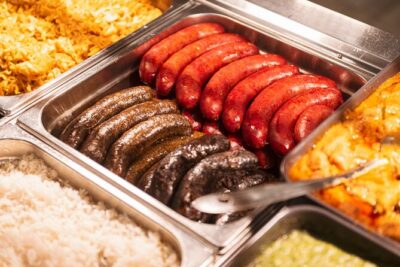
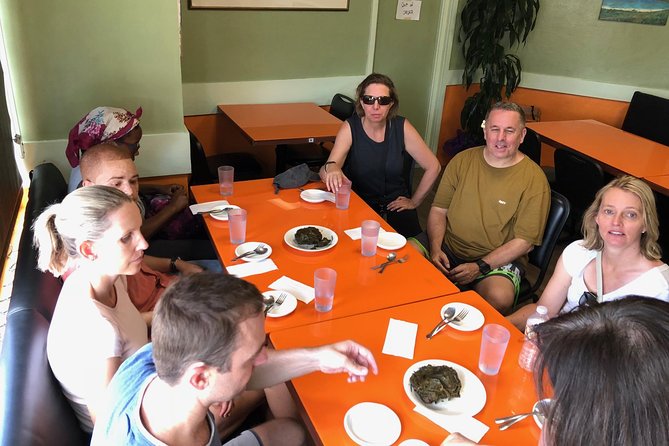
A key portion of the tour takes you along the base of a volcanic crater as you enjoy a buffet-style spread of Hawaiian and local cuisine. This is one of the most satisfying segments because it’s not just small tastings. It’s the kind of eating that actually feels like a meal.
In practical terms, this section is where the tour becomes lunch. And since you’ll already have sampling earlier, you’re set up to compare flavors rather than just chase variety.
Consideration: this is also where “how hungry you are” really matters. If you arrive too full, you’ll miss some of the pleasure.
The golf course loops: when the ride uses time well
You’ll ride along the area of a golf course and pass it multiple times during the route. It’s not a dedicated sightseeing stop in the way the beaches and parks are, but it shows how the tour uses your ride time efficiently.
How it helps: it keeps the route flowing without you feeling like you’re trapped at one stop too long. It’s a reminder that bike tours are often about movement, not just checkpoints.
Waikiki Surf Club and Boat Launch: canoes and photos
Near the end, you’ll reach Waikiki Surf Club and Boat Launch, where you stop at a canoe house and take personalized photos next to the canoes. It’s a short stop, but it’s exactly the kind of souvenir moment that feels personal.
Why this lands well: you don’t just get scenery. You get a memory you can actually use, and it gives your tour a clean finish line.
Canal ride and the 1929 Waikiki story
From there, you’ll ride along the canal and learn how history helped shape Waikiki back in 1929. This is one of those segments that can sound like a trivia line on paper, but on the bike it becomes a way to understand the street layout and the neighborhood personality you’ve been rolling through.
Why you’ll appreciate it: it turns the route into a “why this looks like this” explanation, not just a list of landmarks.
What you’ll eat: local favorites in sensible portions
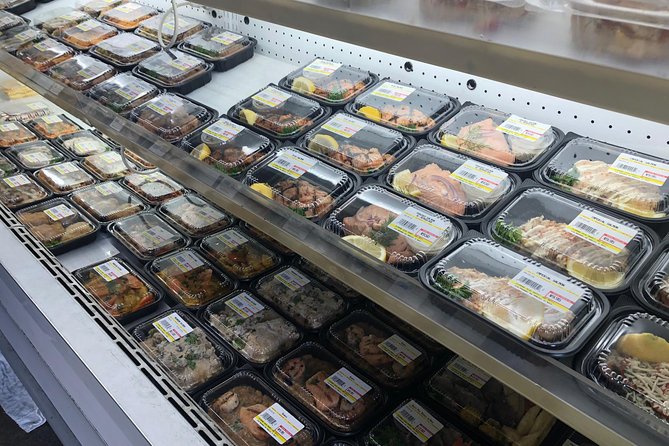
The tour includes food tastings and lunch, plus bottled water, and the tastings cover a mix of classics you’ve probably heard of and treats you might not know to hunt down.
Expect highlights like:
- Poke (including shoyu-style variations mentioned in the tour experience)
- Fish tacos and other local seafood options
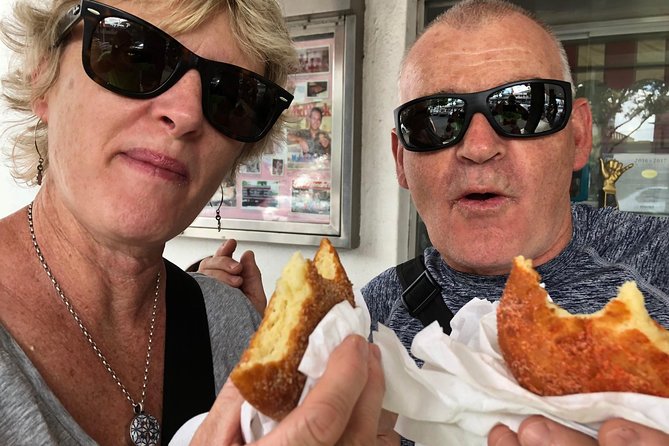
- Portuguese malasadas (warm, sweet, and easy to love)
- Shaved ice that people describe as some of the best they had in Hawaii
- Additional plates that can include cooked fish and other local favorites
One common theme in the experience is volume. You’re not grazing with tiny bites you barely notice. The tastings add up, and by the time you’re near the end you may feel like dinner is optional.
My practical advice: don’t eat a full meal before you start. The tour is designed so your appetite matches the schedule. If you go in already full, you’ll slow down the experience because you won’t enjoy the later tastings as much.
Guide Kelly: the difference between a snack run and a story-filled afternoon
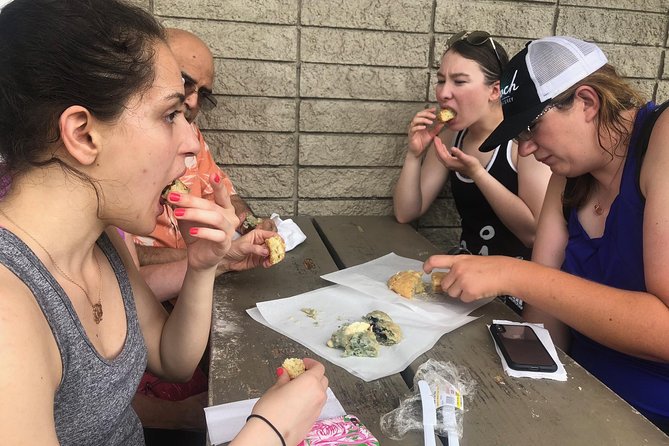
Kelly comes up again and again for a reason. He’s described as friendly, engaging, and very clear about safety while keeping the narration flowing. People also talk about his island history stories woven into the ride, plus the helpful recommendations he sends so you can revisit places later.
There’s also a tech and photo bonus that many bike tours skip: Kelly often shares a big set of photos and even sends a video compilation after the tour. That’s not required for the value, but it does turn your afternoon into something you can relive without sorting your own camera roll.
If you’re traveling solo, a guide who talks enough to make you feel included but not overwhelmed makes a real difference. If you’re traveling with a partner or family, the structure keeps everyone on track.
Value check: is $189 a fair deal for Oahu?
Let’s be blunt about it. At $189 per person, you should expect more than a couple of snacks. This tour justifies the price by bundling:
- Bike use and helmet
- Bottled water
- Food tastings across 5 to 6 stops
- Lunch
- A guide and professional guide support
- A small-group setup (max 10)
If you tried to copy this on your own, you’d spend time figuring out which places to hit, lining up meals, and paying for transportation and parking for each stop. Here, you pay once and the guide handles the sequencing.
Also, doing it early in your trip can make the rest of your eating easier. Once you try local favorites on a guided route, you have a short list of what you want again.
Timing and tips: how to plan your day around this ride
Start hungry: you’ll get the best experience when you can taste everything clearly. Many people point out it works best when you don’t eat before the tour begins.
Bring your personal needs: if you have allergies or a dietary restriction, tell your guide ahead of time. The tour specifically asks you to inform them in advance so they can plan around it.
Bike comfort matters: this is a moderate-fitness activity, and the ride is described as manageable, but you should still feel comfortable staying seated and pedaling for stretches. Road traffic can be part of the city feel, so keep your expectations aligned with a real Honolulu street setting.
Use the guide’s recommendations: the tour format gives you food options you might not find quickly on your own. If you get follow-up suggestions by text, save them and use them for the rest of your trip.
Who this tour fits best
This works well if you:
- Want a first-time orientation to Waikiki and nearby neighborhoods by bike
- Prefer guided local food stops over self-planning
- Like city cruising where you can still hear stories and ask questions
- Enjoy a structured afternoon that covers multiple flavors instead of one big meal
It’s also a solid choice for couples and small groups because the ride pace and stop frequency keep you together without feeling rushed.
If you’re the type who wants a workout, pick a longer bike route. This one is more about “taste + see” than training for a ride.
Should you book Hawaiian Food Tour by Bike in Oahu?
Book it if you want a single afternoon that gives you three wins: you eat well, you see more of Honolulu than you’d walk on a busy schedule, and you get a guide like Kelly who turns food stops into a story you can use.
Skip it (or plan differently) if you’re only interested in long cycling time, or if you hate the idea of eating multiple local foods in one sitting. It’s built to stuff you enough that you’ll likely postpone dinner.
If you’re staying near Waikiki and you can do a moderate bike activity, this is one of the more efficient ways to understand what local food tastes like in context, not just as a list of restaurant names.
FAQ
What is the meeting point and start time?
The tour starts at 2451 Kalākaua Ave, Honolulu, HI 96815, and the start time is 1:00 pm. It ends back at the original departure point.
How long is the Hawaiian Food Tour by Bike in Oahu?
It runs about 4 to 5 hours.
What’s included in the $189 price?
The price includes bottled water, food tastings, lunch, a local guide and professional guide, plus bicycle and helmet use.
Do I need to bring a bike or a helmet?
No. Bikes and helmets are provided as part of the tour.
How big are the groups?
The tour has a maximum of 10 travelers.
What should I do if I have allergies or dietary restrictions?
Let your guide know ahead of time about any food allergies or dietary restrictions so they can plan accordingly.