REVIEW · GINZA
Tokyo Allstar Food Tour
Book on Viator →Operated by Arigato Japan KK · Bookable on Viator
Tokyo tastes better after dark. This 3-hour evening food walking tour threads the needle between polished Ginza and the real, late-day eating scene in Shimbashi. You’ll wander with a guide through neighborhoods locals actually choose, then eat your way across multiple classic stops, finishing with dessert.
I especially like the small group size (max 10). That means you’re not just standing in line for bites, you can ask questions and actually talk through what you’re eating and why it matters.
I also like the range: yakitori-focused izakayas plus dessert, with a drink included. One drawback to consider is value: at $231, you need to be okay with a tour that includes a few quick stops and tastings, not a single heavy sit-down meal every time.
In This Review
- Key highlights to look forward to
- Tokyo at 4 pm: why the evening timing matters
- Seiko House to Wako Ginza: starting in the heart of Ginza
- Gado Shita under the tracks: where Tokyo’s casual food lives
- Ginza Six, Kabuki-za, and the theater-district contrast
- Karasumori Jinja: the small pause that gives context
- Shimbashi Station and the endgame izakaya energy
- Yakitori, dessert, and that one included drink
- Guide quality: small group attention is the real product
- Walking pace and what to wear
- Price and value: where $231 makes sense
- Dietary needs: vegan, vegetarian, gluten-free, and pork reality checks
- Who should book this tour, and who should skip it
- Should you book Tokyo Allstar Food Tour?
- FAQ
- How long is the Tokyo Allstar Food Tour?
- Where does the tour start and end?
- What time does the tour begin?
- How many food stops are included?
- What’s included in the price?
- What dietary restrictions can the tour accommodate?
- Is there an age requirement for drinking?
Key highlights to look forward to
- Small group of up to 10 means better guide attention and smoother pacing
- Gado Shita under elevated tracks brings you to an older-feeling Tokyo street-food zone
- Ginza-to-Shimbashi contrast shows two faces of Tokyo food in one evening
- Four food stops plus dessert keeps the night focused on eating, not sightseeing only
- One drink included (other drinks cost extra, so plan for that)
- Dietary flexibility is built in for vegan, vegetarian, pescetarian, and gluten-free needs
Tokyo at 4 pm: why the evening timing matters
Starting at 4:00 pm is a smart choice for Tokyo food. You catch the shift from late afternoon to proper evening energy, when izakayas are ramping up and street life has that warm, hungry momentum. It also helps you avoid the harshest daylight walking, especially around Ginza streets.
This is also the kind of tour where timing affects your experience. You’re moving through areas that feel very different at night—bright storefront lighting in Ginza, then moodier, smoke-and-sizzle energy as you get closer to Shimbashi.
Because it runs about 3 hours, you can still do a real dinner afterward if you’re the type who needs a full meal, not just snacks. Some people love that structure; others want more food volume up front.
You can also read our reviews of more food & drink experiences in Ginza
Seiko House to Wako Ginza: starting in the heart of Ginza
You meet at the Seiko House Ginza Clock Tower area, right in central Ginza. It’s a good starting anchor because it’s easy to find, and it sets expectations: this isn’t a back-ally tour that never touches the famous stuff. You’ll get the “wow, Tokyo is shiny” moment early, then trade it for older lanes soon after.
The first segment includes a quick lead-in around Wako Ginza and nearby Ginza landmarks. This matters because Ginza isn’t just upscale shopping here; it’s also a food stage. You’ll learn how the area’s polished reputation coexists with small local eating habits, just in a different style.
If you’re the kind of traveler who gets twitchy without bathroom breaks, Ginza is helpful early on. It’s surrounded by major stores and foot traffic, so you’re not stuck far from basic services.
Gado Shita under the tracks: where Tokyo’s casual food lives
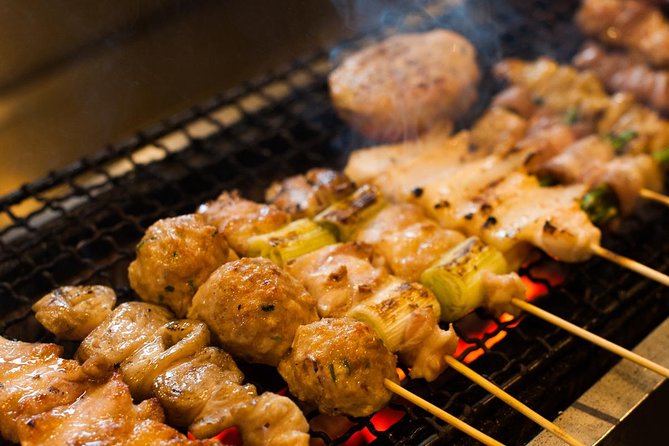
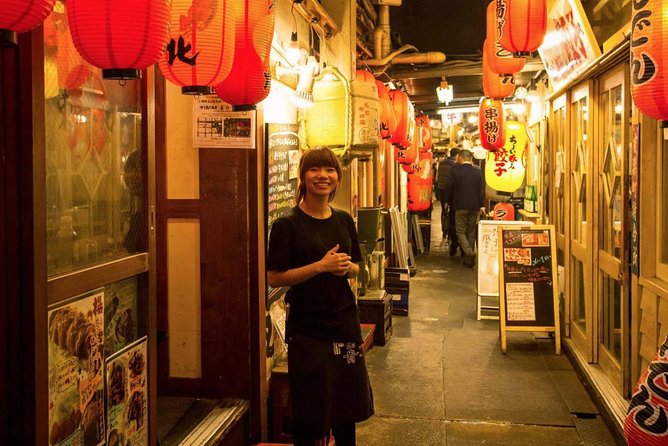
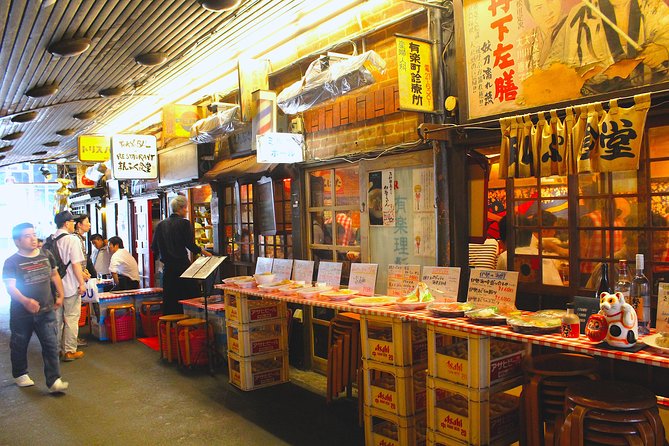
One of the tour’s core pulls is the stop in Gado Shita, the busy restaurant area directly under Tokyo’s elevated train tracks. This is where the vibe gets real fast: narrow lanes, neon signs, and the feeling that people here came to eat, not to pose.
This section is also where yakitori becomes more than a menu item. You’ll sample different varieties of yakitori at local-style izakayas along with drinks. Yakitori is one of those foods that makes Tokyo’s food culture click—simple ingredients, high attention to grilling, and a rhythm that’s built for sharing.
I like that you’re not asked to just “try something.” The guide experience typically turns the tasting into a mini lesson—what to expect from flavors, and how locals think about ordering and pairing. If you’re new to Japanese pub culture, this is the safest way to learn without feeling lost.
Ginza Six, Kabuki-za, and the theater-district contrast
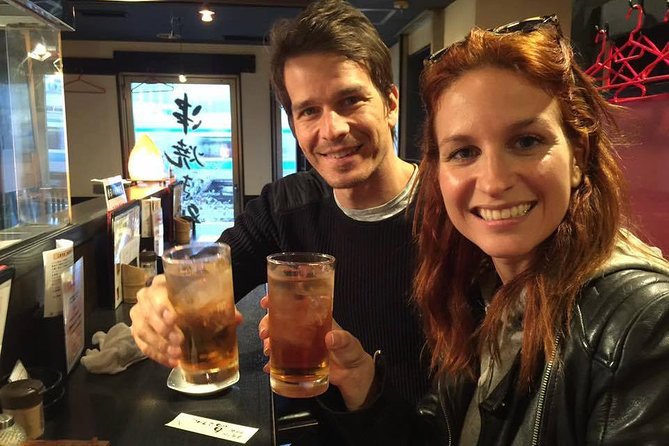
From that gritty-under-tracks energy, you’ll move toward the upscale side of Tokyo, with stops near Ginza Six and Kabuki-za. This contrast is more than visual. It shows how Tokyo food culture changes depending on neighborhood personality—same country, different rules of the night.
Ginza Six is the kind of place where you’ll see polished displays and luxury food branding. The tour uses that to give you context, including what kinds of treats and sweets people buy and admire here—like those famous seasonal fruit displays and decorated pastry showcases you wouldn’t necessarily look for on your own.
Kabuki-za adds cultural context too. Even if you’re not seeing a show, the area helps you understand that Tokyo’s food scene runs alongside other traditions. In other words, the tour doesn’t treat food as separate from the city’s identity.
The slight drawback: if you’re not into shopping districts or theater areas, these parts can feel like shorter “walk-and-look” moments between heavier tastings. The best approach is to treat them as cultural waypoints, not the main event.
Karasumori Jinja: the small pause that gives context
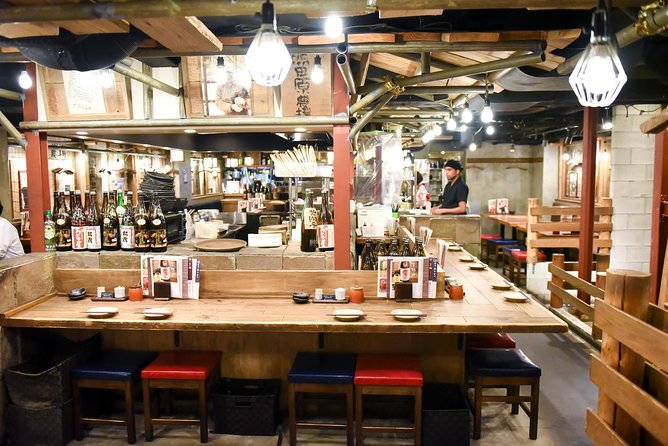
You also pass Karasumori Jinja, a shrine stop that adds grounding in a tour that otherwise moves fast through food zones. This isn’t a long temple visit. It’s more like a quick breather that reminds you Tokyo’s street life isn’t just commercial—it’s layered with everyday tradition.
This part helps you make sense of something important: Japanese food habits aren’t only about taste, they’re also about manners, timing, and social flow. When a guide explains those norms in plain language, the later izakaya stops feel easier to enjoy.
If you tend to wander mentally, use this stop to reset. Once you’re back in Shimbashi’s eating lanes, you’ll enjoy it more when you’re fully present.
Shimbashi Station and the endgame izakaya energy
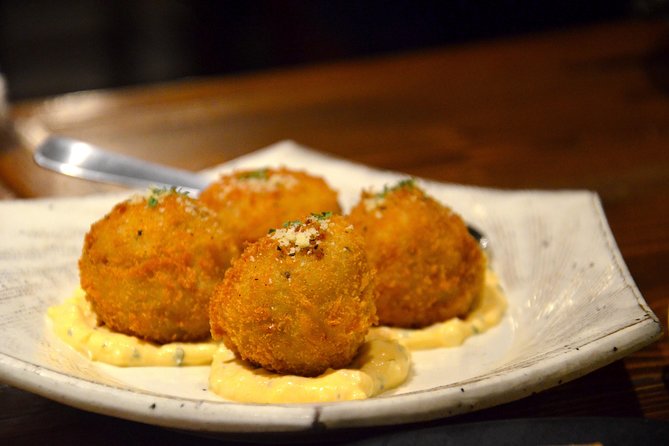
The tour finishes in Shimbashi, near Shimbashi Station. This is the neighborhood payoff: more rustic, more casual, and full of charming izakayas where you can feel the local routine. By the time you reach this area, you’ve already learned how the guide wants you to taste and observe, so the last stretch can feel extra satisfying.
A common pattern in food tours is that people remember the first big wow. Here, I like that Shimbashi tends to be the emotional finish line. It’s where the “Tokyo after dark” vibe hits hardest—tight spaces, strong smells, and people settling in for their own meal plans.
If you’re the kind of traveler who likes repeating great food spots later, you’ll likely walk out with a better sense of how to order and what kind of places to seek.
Yakitori, dessert, and that one included drink
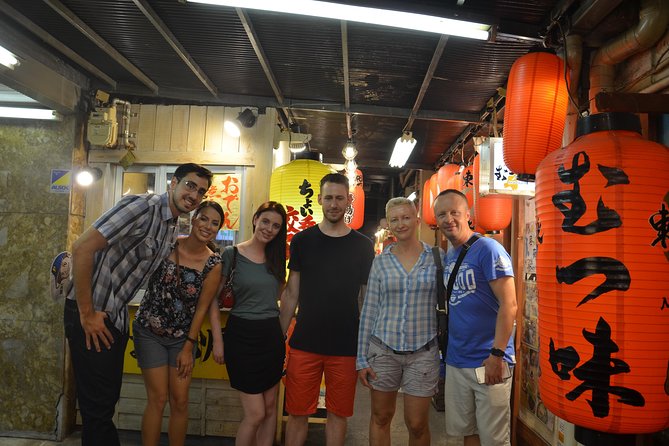
Food tours live or die on the eating, and this one is built around regional food tastings including dessert, plus one complimentary drink.
What you can reasonably expect to taste:
- Yakitori in izakaya settings (multiple varieties)
- A mix of savory items across stops, where a guide frames what you’re eating
- Dessert, and in at least some experiences that means mochi-type sweets
- Some stops that lean into tea and small snacks, which can include things like green tea samples
From what people describe, the tour can include moments that feel like “tasting stations” rather than full courses. That’s not automatically bad—it can be part of how Japanese food culture works—but it matters for expectations at $231.
About the drink: since only one is included, pace yourself. If you’re also ordering extra drinks at each stop, the total cost rises quickly.
Also note the tour is family-friendly, but the minimum drinking age is 21. That means the alcohol part is optional for many adults, and children are expected to travel with adults.
Guide quality: small group attention is the real product
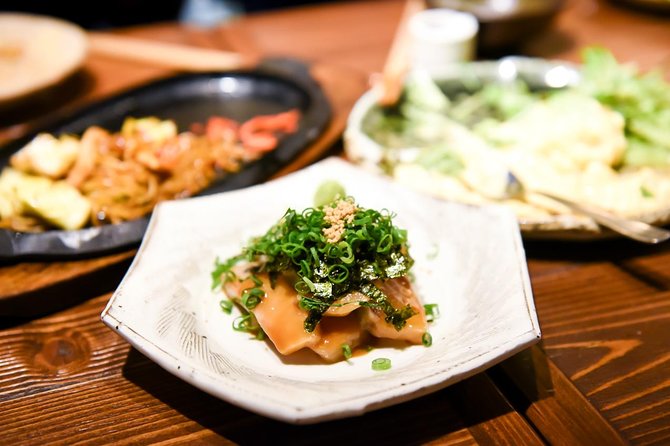
This isn’t just a list of eateries. You’re paying for a guide who can connect the dots between neighborhood feel, ordering style, and flavor choices.
Guides that come up by name in this program include people like Josh, Ryan, Kay, Norma, Bryan, Shige’, and Hirotake Watanabe. The consistent theme is that they’re not silent food presenters. They’re there to make the evening easier and more fun—often with humor, story time, and cultural context that helps you enjoy food you might not pick on your own.
The small group size—max 10 travelers—matters a lot here. In a larger group, tastings become a queue. Here, the guide can check in, answer questions, and keep everyone moving without losing momentum.
If you like interacting with your guide, you’ll probably get more out of this than if you prefer a self-guided food walk.
Walking pace and what to wear
This is a walking tour. The route links central Ginza to Shimbashi, with multiple neighborhood transitions. Expect moderate walking, including getting around busy streets and stepping through narrow lanes near izakaya areas.
For footwear, wear shoes you can trust. Even if the distance isn’t huge, the stop-and-start nature plus uneven sidewalk sections can add up. One review note that Ginza walking can be significant, so don’t dress like you’re going out for a quick stroll.
If you’re traveling with a partner, it’s also the kind of tour where you’ll share bites and compare impressions. That’s part of the fun, but it also means you’ll likely stay engaged longer at each stop, which adds time on foot.
Price and value: where $231 makes sense
At $231 per person, the big question is: do you get enough food to justify the price?
What’s clearly included:
- Local guide
- Regional tastings including dessert
- 1 complimentary drink
- Four food stops
So you’re not paying just for walking. You’re paying for guided access to places you might hesitate to enter alone, plus structured tastings.
That said, not everyone values the exact same way. Some people felt a couple of stops leaned toward sales-style sampling (like tea and small snack tastings where the shop’s sales pitch is part of the experience). If you’re expecting a high volume “meal replacement” tour, you might feel the portions are lighter than you wanted.
My advice: treat this as a curated introduction to Tokyo’s food neighborhoods. If you want to leave with satisfied hunger plus a “now I know where to go” feeling, it’s usually a strong choice. If you want a guaranteed heavy dinner out of this price point, plan extra food time afterward.
Dietary needs: vegan, vegetarian, gluten-free, and pork reality checks
This tour states dietary restriction flexibility for Vegan, Vegetarian, Pescetarian, and Gluten-Free Friendly needs. That’s a big plus for travelers who don’t want to “wing it” at each stop.
Still, here’s the practical part: you should communicate your needs clearly before you go. One review specifically flags that it may be less ideal if you avoid pork. Even if the tour can handle some substitutions, pork avoidance is the kind of dietary requirement that sometimes changes the answer.
If you’re gluten-free, ask how you want the guide to handle sauces and shared items, because many Japanese dishes include soy-based ingredients even when the main item seems safe.
For vegan and vegetarian eaters, the guide’s job is crucial. This is where a good guide can translate menus quickly and steer you toward suitable choices without turning the night into a negotiation.
Who should book this tour, and who should skip it
You’ll probably love this if:
- you want an evening food plan that feels local, not staged
- you enjoy yakitori and izakaya culture
- you like learning why people order and eat the way they do
- you want a small group where your questions matter
You might want to pass or adjust expectations if:
- you’re hunting for a tour that functions as your main dinner in full
- you hate walking between neighborhoods
- you have strict dietary needs around pork, and you don’t want to do extra checking
Should you book Tokyo Allstar Food Tour?
Yes, I’d book it if you want a well-timed evening intro to Tokyo’s food neighborhoods, especially Ginza-to-Shimbashi contrast. The best part is the combination of small group access and the guide’s ability to make tastings meaningful, not random.
If you’re a confident self-planner and you already know your way around izakayas, you might question the price. But if you want structure, local comfort, and a guided path through places you’d probably hesitate to try alone, this tour is a strong pick.
FAQ
How long is the Tokyo Allstar Food Tour?
It lasts about 3 hours.
Where does the tour start and end?
It starts at Seiko House Ginza Clock Tower and ends at JR Shimbashi Station (near 2 Chome-17 Shinbashi).
What time does the tour begin?
The start time is 4:00 pm.
How many food stops are included?
The tour includes four food stops, plus tastings that include dessert.
What’s included in the price?
Included are a local guide, regional food tastings including dessert, 1 complimentary drink, and the four food stops.
What dietary restrictions can the tour accommodate?
The tour lists flexibility for Vegan, Vegetarian, Pescetarian, and Gluten-Free Friendly diets.
Is there an age requirement for drinking?
Yes. The minimum drinking age is 21.